REVIEW · MUNNAR
Kerala Traditional village cooking class (Munnar)
Book on GetYourGuide →Operated by Amazing Munnar Adventure Tourism Society · Bookable on GetYourGuide
Your next meal might start at a local market. In Munnar, I love how Mr Raveendra kumar and Mrs selvi turn a home kitchen into a Kerala village classroom, with step-by-step cooking plus ingredient stories tied to daily village life and even tea estate produce. The food is hands-on and generous, and the tasting feels like joining the family table. One drawback to plan around: the class can run past four hours depending on the dishes.
You’ll start with a market visit for local fruits, vegetables, and spices, then shift into demonstrations and group cooking. I also like that you’re not stuck watching: you get assigned dishes and work through them with guidance, so you leave with real technique, not just recipes.
For $21 per person, including meal and snacks, it’s strong value if you want authentic Kerala home-style cooking in Munnar. Just note it’s a private group, and it may not suit everyone because it’s not appropriate for hearing- or visually-impaired participants.
In This Review
- Key things I’d circle before you book
- Mr Raveendra kumar and Mrs selvi: inside a Munnar home kitchen
- Getting to the session: pickup within Munnar and how to coordinate
- The market visit in Munnar: where your ingredients get their story
- Ingredient explanations that actually help you cook later
- Live demo to group cooking: what you’ll make in the hands-on phase
- What dishes might appear on your menu
- How the cooking works (and why it feels different)
- The dishes come with a tasting session that ties it together
- Tea and snack breaks
- What you learn beyond recipes: village life, not just cooking points
- Price and value: $21 for market time, tools, and a full food experience
- Who this fits best in your Munnar trip
- Who should think twice
- Kitchen rules: the house is calm, and that’s intentional
- Should you book the Kerala Traditional village cooking class in Munnar?
- FAQ
- How long is the Kerala Traditional village cooking class in Munnar?
- Is hotel pickup included?
- What does the class include in the price?
- What language is the class taught in?
- Is the class private or shared?
- Is the class wheelchair accessible?
- What dishes might you cook?
- Are alcohol, pets, or drugs allowed?
Key things I’d circle before you book
- Hosts with long-running experience: The class is run by Mr Raveendra kumar and Mrs selvi, serving guests since 2001.
- Market visit first: You’ll pick ingredients at a local market before cooking.
- Hands-on, not sit-and-watch: After the demo, you cook in groups with assistance.
- A menu with variety: Expect a mix that can include veg, non-veg, snacks, welcome drinks, and dessert.
- Tea and snack moments: You’ll likely enjoy Kerala-style chai and snacks as part of the food flow.
- Time may stretch: It’s listed as 4 hours, but it can extend by an hour or more.
Mr Raveendra kumar and Mrs selvi: inside a Munnar home kitchen
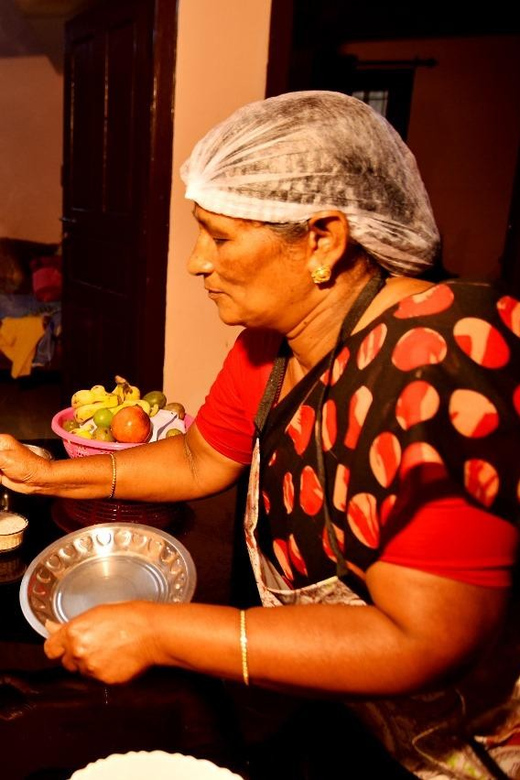
This cooking class is anchored in a real home, run by a long-time couple who know how to explain food without making it feel like homework. Mr Raveendra kumar and Mrs selvi host the session, and the experience typically comes with an extra layer of warmth from family helpers you may meet in the kitchen.
In practice, you’re not treated like a ticket number. You’ll be able to ask questions during ingredient explanations and while cooking, and the hosts guide you through the why behind the steps, not just the what.
A nice detail for non-locals: the class uses English, Tamil, and Malayalam, and Raveendra is part of the hosting team in a way that helps communication along. If you want to understand the flavors in plain language, this matters more than it sounds.
You can also read our reviews of more tours and experiences in Munnar.
Getting to the session: pickup within Munnar and how to coordinate
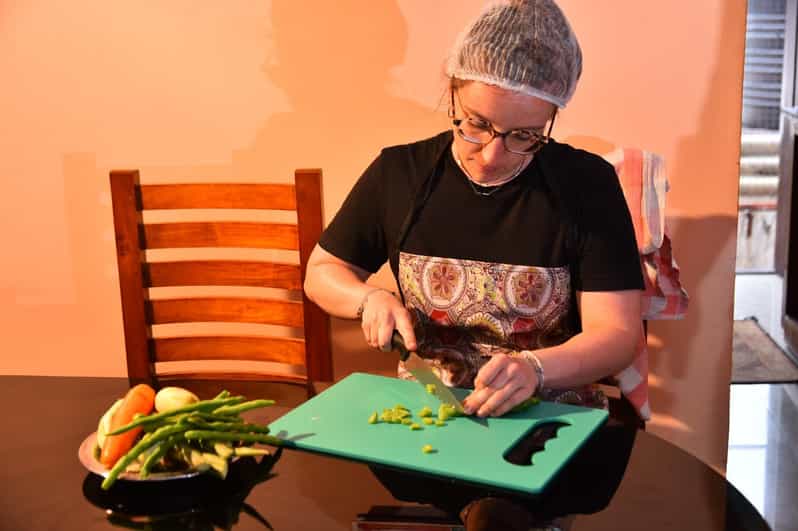
Pickup is included, but only within a radius: you get free pick up and drop up to 2 km from Munnar town. If your hotel is outside that area, there may be additional charges for hotel pickup, so it’s worth planning ahead.
Also, this class meets at the hosts’ home location, not at some generic public spot. One simple move that can save stress: confirm the meeting point the day before, and if you’re staying farther from Munnar town, arrange the hotel pickup option so you’re not playing phone-tag.
Timing-wise, you should treat 4 hours as a minimum. The activity may extend by an hour or more based on dishes, so schedule it for a time when you have breathing room afterward.
The market visit in Munnar: where your ingredients get their story
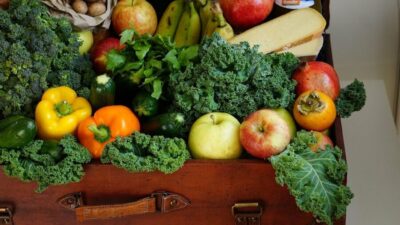
Before the cooking starts, you’ll visit the market to select produce and ingredients. This is where the trip earns its “village” feel, because you’re seeing the raw materials that make Kerala dishes work.
You can expect to look at local fruits, vegetables, and spices, and you’ll connect those items to what you’ll cook later. In Kerala cooking, coconut-based ingredients, curry leaves, and spice blends aren’t background flavors; they shape the whole dish, so seeing and handling them first helps your brain stick to the steps.
Practical note: a market visit is usually the part that benefits from a calm pace. If you’re the type who hates delays, you might find yourself watching the clock. If you’re here for food, though, it’s the best place to slow down and ask questions.
Ingredient explanations that actually help you cook later
Before any serious cooking begins, the hosts introduce key ingredients used in Kerala cuisine. This isn’t just a list thrown at you; it’s tied to technique and flavor goals.
They cover essentials like coconut milk and curry leaves, along with tempering-style staples such as mustard seeds. You’ll also learn about common spices in Kerala cooking, including turmeric, coriander, and cumin, and how they show up across different dishes.
There’s also a stated focus on medicinal supplements alongside food recipes. That part may be more conceptual than hands-on, but it adds context to why certain plants and spices matter in Kerala kitchens.
Live demo to group cooking: what you’ll make in the hands-on phase
The class follows a clear rhythm. First comes lecture and demonstration, then you move into hands-on cooking in groups with guidance.
What dishes might appear on your menu
The menu is finalized at least 12 hours before the class starts, so what you cook depends on that planning. Still, the class commonly includes Kerala favorites such as appam and stew, fish curry, avial, and puttu with kadala curry.
Menus are categorized as veg, non-veg, snacks, welcome drinks, and dessert. If you want a vegetarian-focused session, you should ask ahead or confirm what’s available for your group, because vegetarian cooking has been offered and can be done well.
How the cooking works (and why it feels different)
In the demo, you’ll see step-by-step preparation: how ingredients get added, when flavors are built, and what techniques bring balance to each dish. The biggest value here is that you learn the logic of timing, not just the recipe.
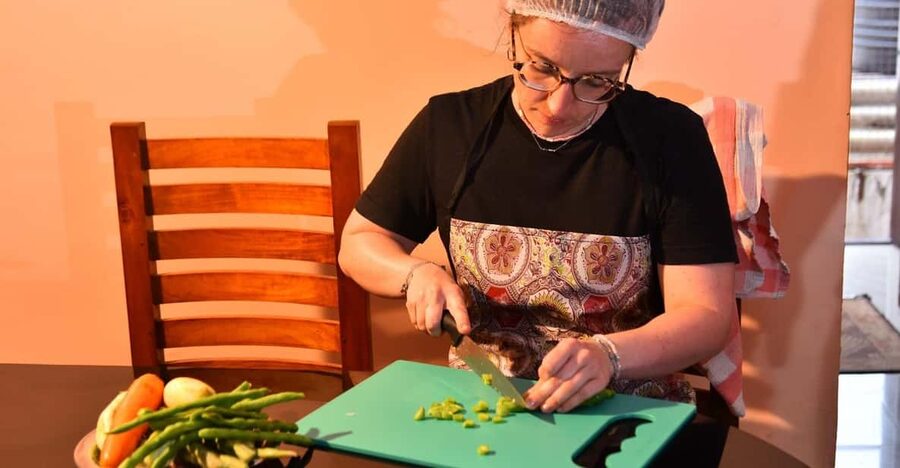
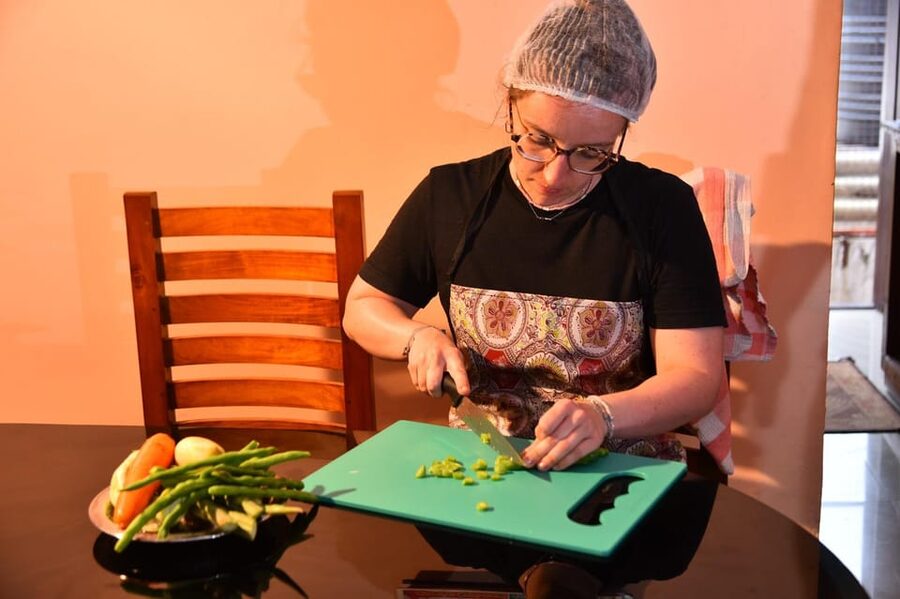
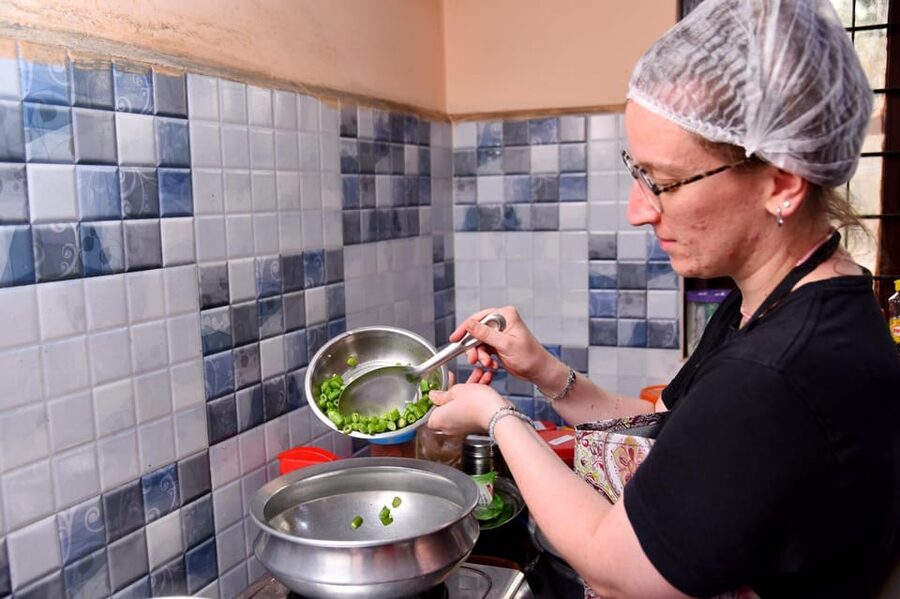
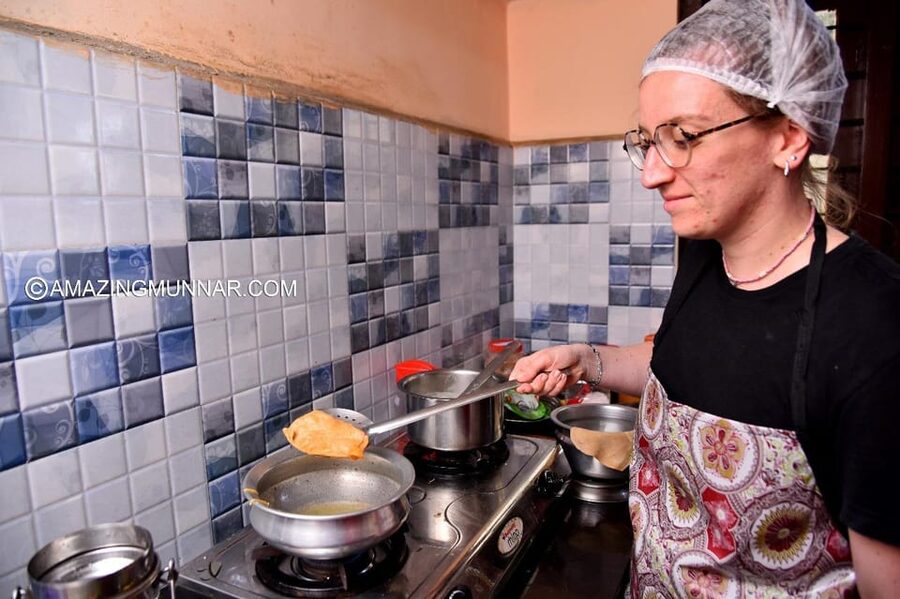
In the hands-on portion, you’ll be divided and assigned dishes to prepare. The group setup matters because you’ll learn through doing: chopping, mixing, and cooking in a way that mirrors how a home kitchen actually runs.
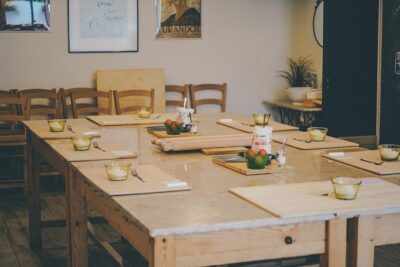
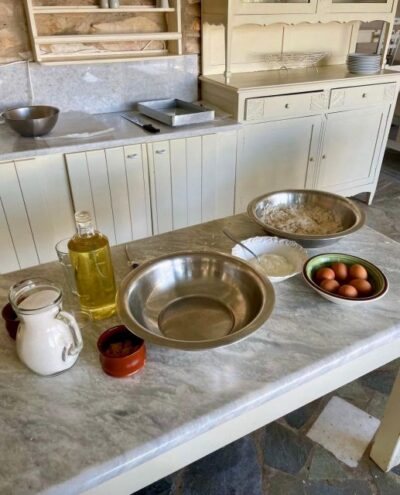
And yes, they provide the tools you need, including a knife, apron, and cutting board. It’s a small thing, but it’s how you know this isn’t a lecture disguised as a class.
The dishes come with a tasting session that ties it together
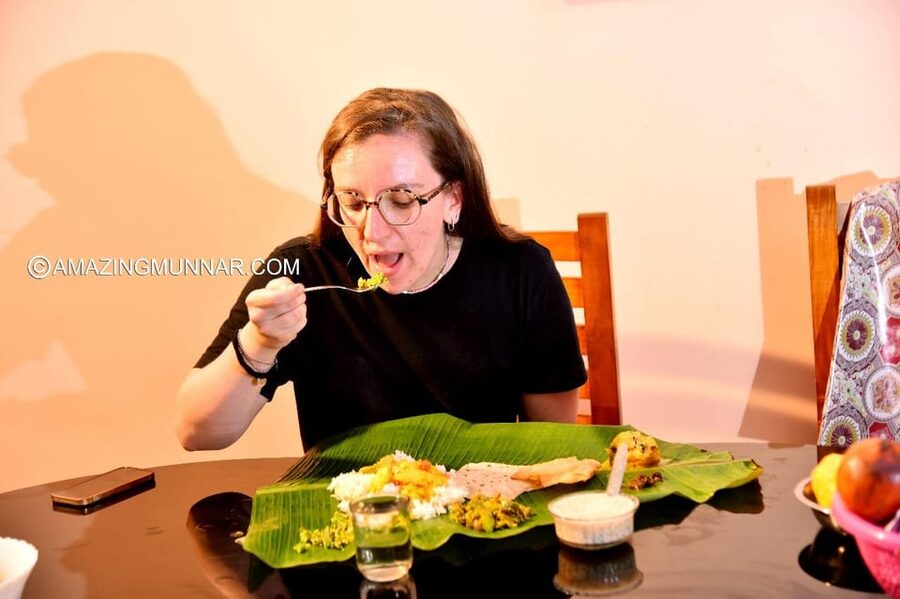
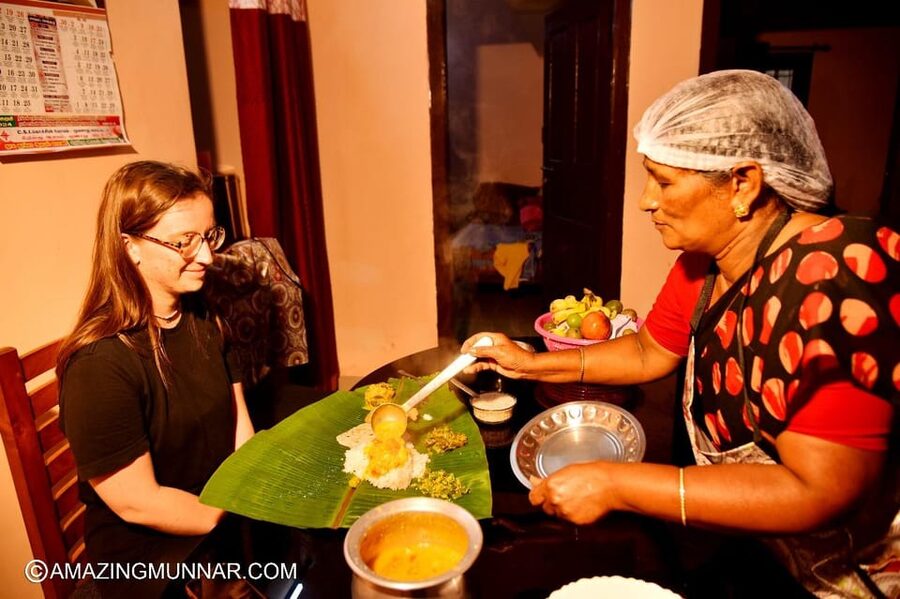
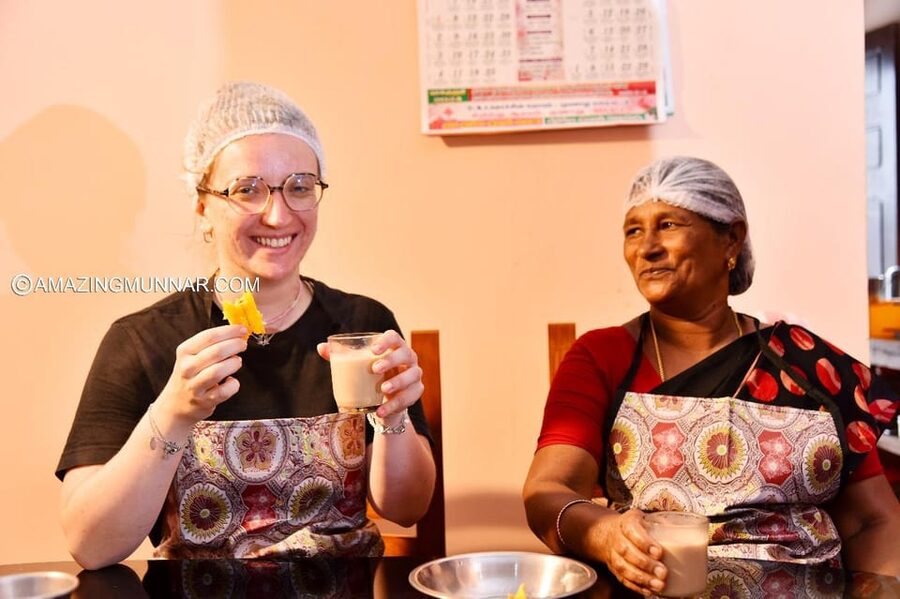
Once everything is prepared, you’ll sit down for a tasting session. The hosts encourage discussion about flavors, textures, and aromas, and you can share feedback or ask follow-up questions.
This is also where the class earns its “full meal” feeling. The format isn’t just samples of everything; it’s a real spread made from what you cooked.
From past experiences with this class, you can expect multiple courses. Some participants have mentioned cooking around 6 to 7 courses, and others described preparing up to 8 dishes, depending on the day’s menu choices.
Tea and snack breaks
Kerala-style chai is part of the experience, often paired with snacks like fried banana options. Even if your main focus is cooking, these breaks make the session feel like a shared afternoon rather than a factory line.
What you learn beyond recipes: village life, not just cooking points
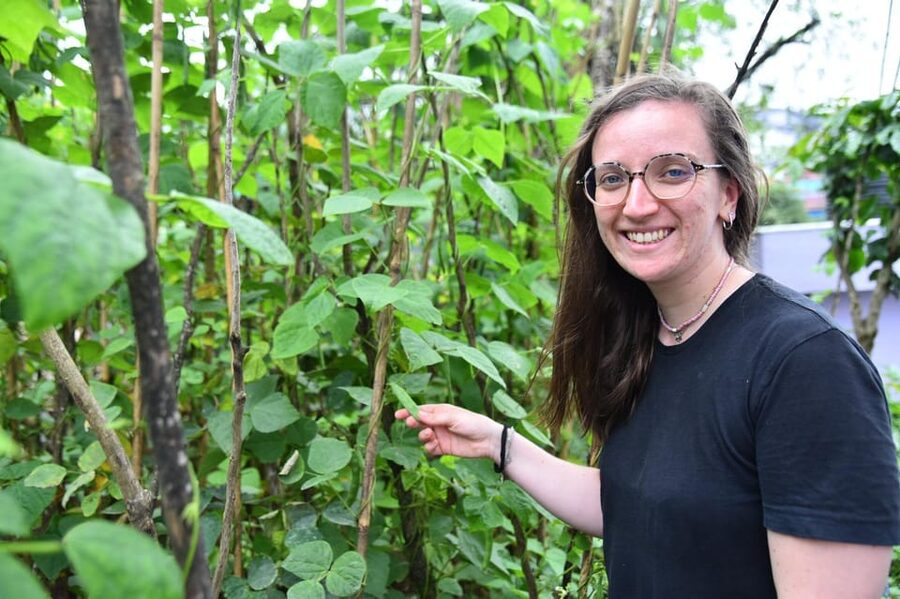
I like that this class doesn’t treat food as isolated instructions. The hosts aim to show village lifestyle alongside dishes, including time spent with the local people and exposure to ingredients grown and used locally.
You’ll also connect food to what’s around you in Munnar, including tea estate produce and local plants. That matters because Kerala cuisine often feels magical until you realize it’s built on ingredients that are truly seasonal and nearby.
And the fact that the hosts have been serving guests since 2001 shows in the flow: they know how to pace a group, answer questions, and keep you cooking without turning it into chaos.
One small reality check: because it’s hands-on and may extend, you’ll want to show up ready to participate. If you arrive late or treat it like a quick stop between sights, you’ll feel the time slip away.
Price and value: $21 for market time, tools, and a full food experience
At $21 per person, the value is strongest when you look at what’s actually included. You get lecture and demonstration, meal and snacks, a water bottle, a market visit, and travel guidance. You’re also provided with the practical tools for cooking and even pen and paper for notes.
That’s a lot packed into a short window. In many cooking experiences, you pay for watching or you pay extra for meals. Here, the meal is part of the core plan, and you’re cooking as well as eating.
The main cost caution is pickup outside the 2 km radius from Munnar town. If you’re staying farther out, confirm whether the hotel pickup option applies and what additional charge might be.
Who this fits best in your Munnar trip
This class is a good match if you want:
- Hands-on Kerala cooking where you cook in groups
- A market-and-home experience rather than a purely staged demo
- A meal that feels like the result of your work
It can also work well for mixed groups because the menu is built from categories (veg, non-veg, snacks, drinks, dessert). If you’re traveling with dietary needs, you should confirm what’s possible before you go, since the exact menu is finalized in advance.
Who should think twice
It’s wheelchair accessible, which is great. But it’s not suitable for hearing-impaired people or visually impaired people, so check how the class format will work for your needs.
If you’re the kind of traveler who needs rigid timing, remember it may extend up to an extra hour or more. You’ll enjoy it more if you build your afternoon around it.
Kitchen rules: the house is calm, and that’s intentional
This is a straightforward home setting, with clear house rules. Pets are not allowed, and intoxication is not allowed.
Alcohol and drugs are not allowed, and alcoholic drinks in the vehicle are also not permitted. There are also rules against nudity and anything like fireworks or explosive substances.
The takeaway: this class aims to keep the environment focused and respectful, which also helps the cooking part stay safe and comfortable for everyone.
Should you book the Kerala Traditional village cooking class in Munnar?
If you want an authentic Kerala cooking experience with real guidance, a market visit, and a full meal you helped make, I think you should book it. The hosts, Mr Raveendra kumar and Mrs selvi, bring a practiced teaching style and a friendly home vibe, and the class design pushes you from watching into doing.
Book it especially if you’re okay with the schedule potentially running long. The biggest practical tip is simple: confirm pickup details early, especially if you’re not staying within the free 2 km radius, and plan your day so you’re not rushing out the door the moment the cooking finishes.
If you need strict timing or have hearing/vision challenges, this may not be the best fit. Otherwise, this is one of those Munnar experiences where you leave with both stomach satisfaction and cooking knowledge you can actually use back home.
FAQ
How long is the Kerala Traditional village cooking class in Munnar?
The class is listed as 4 hours. The experience may extend by an hour or more depending on the dishes.
Is hotel pickup included?
Pickup and drop are included free within 2 km from Munnar town. If you need pickup from a hotel outside that radius, additional charges may apply.
What does the class include in the price?
It includes lecture and demonstration, meal and snacks, a water bottle, market visit, travel guidance, knife/apron/cutting board, and pen and paper.
What language is the class taught in?
The instructor and hosts can use English, Tamil, and Malayalam.
Is the class private or shared?
It’s a private group experience.
Is the class wheelchair accessible?
Yes, the activity is wheelchair accessible.
What dishes might you cook?
The menu can include Kerala dishes such as appam and stew, fish curry, avial, and puttu with kadala curry. The exact menu is finalized at least 12 hours before the class.
Are alcohol, pets, or drugs allowed?
No. Pets are not allowed, and alcohol and drugs are not allowed (including alcoholic drinks in the vehicle).