REVIEW · MARRAKESH
Shared 4 Hours Cooking Class in Marrakesh
Book on Viator →Operated by The moroccan tour · Bookable on Viator
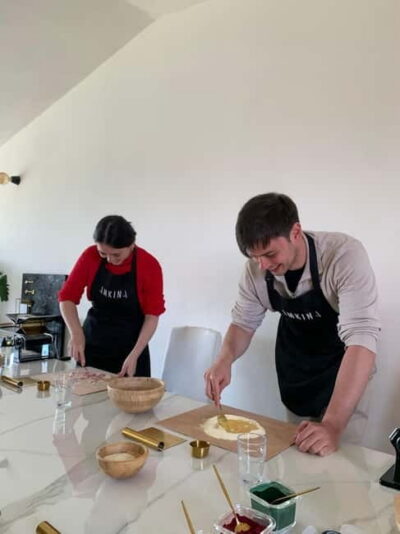
Bread, tea, and family recipes in Marrakesh. This shared cooking class takes place in Zohra’s home, where you learn Moroccan food hands-on in a real family kitchen. You’ll knead Moroccan bread, learn the tea ritual, and cook the dishes that show up at everyday Moroccan tables.
I also love the warm, personal pace of the lesson, especially the way mint tea becomes part of the conversation, not just a drink. With an English or French guide and a small group of up to 10, you can ask questions without feeling rushed. One thing to consider: this is a hands-on class, so if you’d rather watch than cook for four hours, it may feel like more work than you want.
In This Review
- Key highlights
- Why a Moroccan Home Kitchen Beats a Cookie-Cutter Class
- The 4-Hour Rhythm: Bread, Tea, Salads, Then Your Main
- Moroccan Bread: Kneading Skills You Can Actually Use
- Mint Tea Like a Host, Not a Barista
- Salads That Teach Flavor: Zaalouk, Taktouka, Tomato Salad
- Tagine or Couscous: Choose Your Protein and Follow the Spice Logic
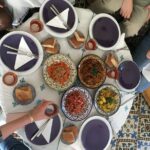
- Lunch at the Family Table: What You Make Is What You Eat
- Pickup, Air-Conditioned Comfort, and Small-Group Control
- Price and Value: Why $81.30 Can Be a Smart Spend Here
- Who This Marrakesh Cooking Class Suits Best
- Should You Book It?
- FAQ
- How long is the cooking class?
- Is lunch included?
- Do I get pickup in Marrakech?
- What dishes will we make?
- What languages are guides available in?
- How big is the group?
- What is the cancellation policy?
Key highlights
- Cook in a real Marrakech home with Moroccan hospitality led by Zohra and supported by her daughter Fatim Zahra
- Make Moroccan bread from kneading to baking in a clay oven
- Master the mint tea ritual that hospitality is built around
- Learn classic salads like zaalouk, taktouka, and tomato salad
- Choose your tagine base (chicken, lamb, beef, or fish) and cook with traditional spice logic
- Small group size (max 10) with English/French guidance and lunch included
Why a Moroccan Home Kitchen Beats a Cookie-Cutter Class
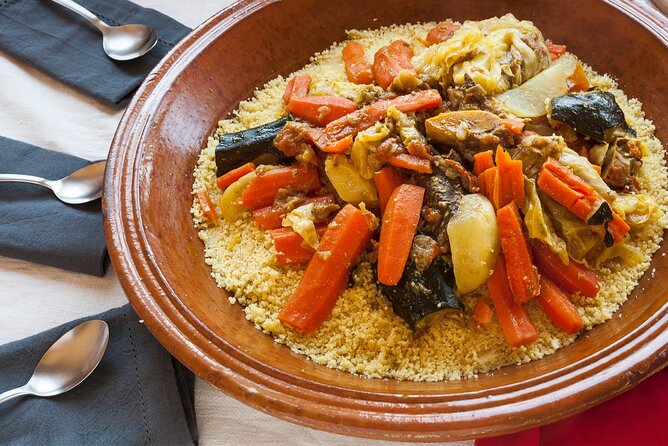
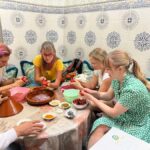
If you’ve been in Marrakesh long enough, you’ll start craving something that feels lived-in, not staged. This class delivers that. Instead of a classroom vibe, you’re invited into a family kitchen where cooking is daily life. You’re not just learning recipes. You’re learning how Moroccan people move through flavor, timing, and hospitality.
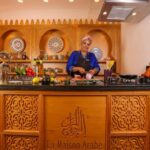
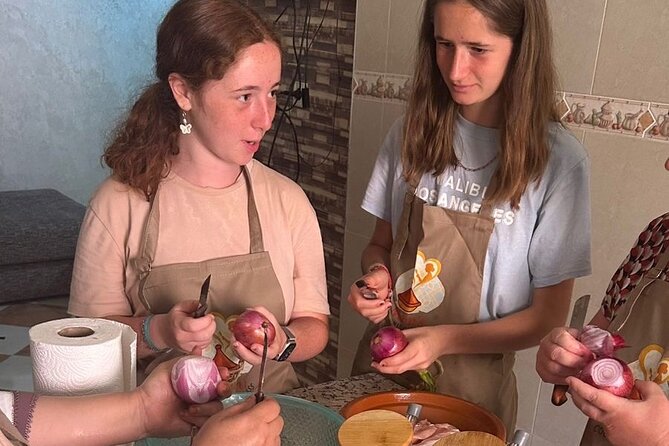
Zohra’s role matters here. The lessons center on how she cooks and teaches, and her daughter Fatim Zahra often helps with warmth and translation, so communication feels easy. You’ll likely spend most of the time working at the counter, not standing on the sidelines.
The food plan is also practical. You’ll cover the big Moroccan pillars: bread, mint tea, salads, and a slow-cooked main like a tagine or couscous. That combination gives you more than a meal. It gives you building blocks you can use long after you go home.
You can also read our reviews of more tours and experiences in Marrakesh.

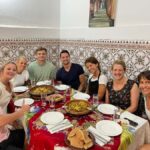
The 4-Hour Rhythm: Bread, Tea, Salads, Then Your Main
The overall flow is designed so you taste and cook in a sensible order. Bread gets handled first, because it sets the stage for everything that follows. After that, mint tea takes center stage. Then you shift into salads while your main is building momentum.
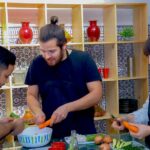
In a typical session, you’ll make multiple items, not just one dish. That’s a win for value because it turns a single cooking class into a full Moroccan table spread. You’ll get real practice with chopping, seasoning, and how textures should look before you move on.
A key detail for planning your day: it’s about four hours, and it’s shared. That means you’ll be cooking alongside other participants, with a guide coordinating English or French explanations. Expect a relaxed family rhythm, but also expect to do actual prep work.
Moroccan Bread: Kneading Skills You Can Actually Use
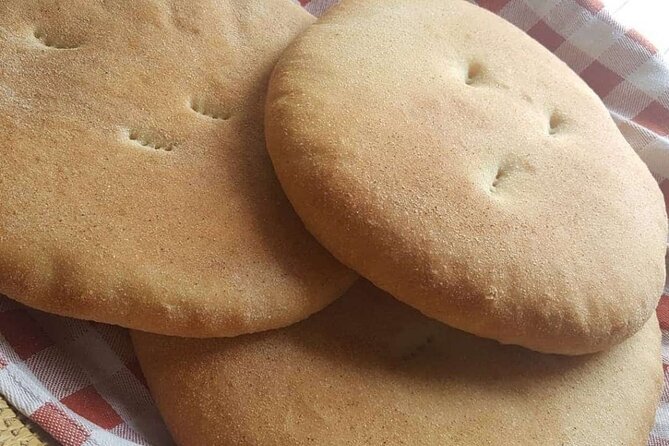
Moroccan bread isn’t just a side. It’s a tool. It’s what you use to scoop up tagine sauce, wipe plates, and build that satisfying, hands-on table feeling.
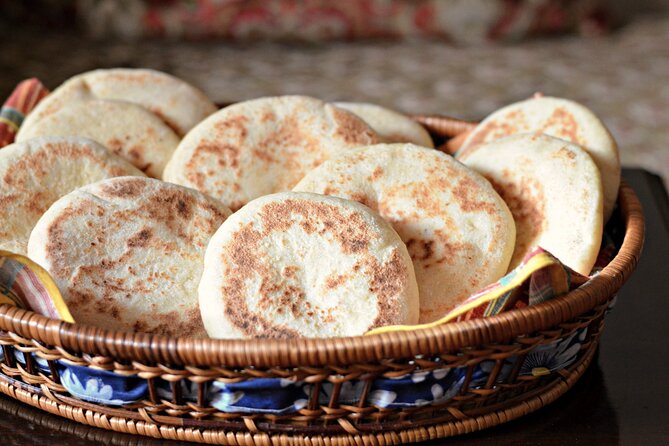
You’ll learn how to make the bread from scratch, including kneading by hand. The clay oven part is the magic moment many people remember. Baking bread that way changes the aroma and the final texture, and it’s also where you see how this tradition works in practice.
Why this matters for you: once you understand the dough feel and the baking logic, you can recreate the idea at home even if you don’t have a clay oven. You may not copy the exact oven results, but you’ll understand the process. That makes this class more than a one-day experience.
Also note the learning style. In a family home, the teaching tends to be more practical than lecture-based. You watch, you try, and you adjust when something looks off. That’s how bread succeeds or fails.
Mint Tea Like a Host, Not a Barista
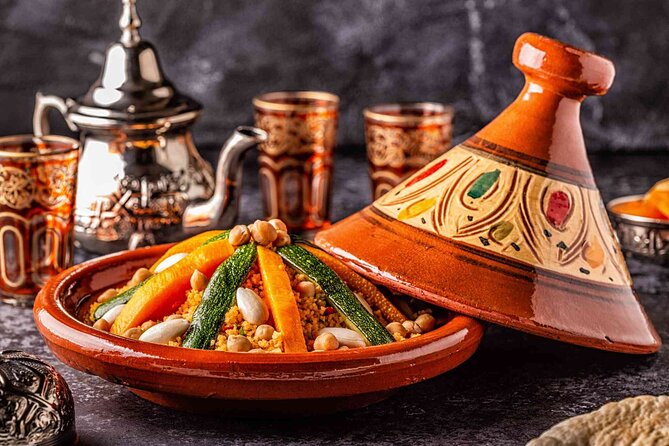
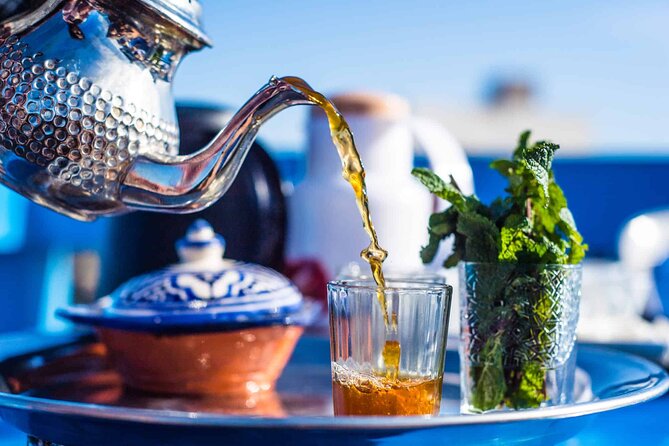
Mint tea in Morocco is hospitality made visible. It’s not only about using mint. It’s about how the tea is prepared and served, and it shows up as a welcome while everyone settles in.
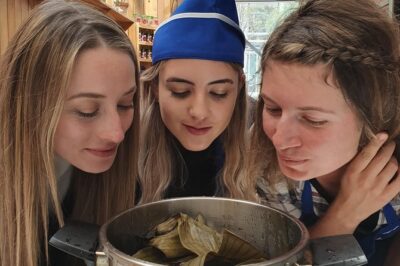
In this class, you’ll learn the mint tea ritual step-by-step. You’re not just tasting. You’re building the tea and learning why the process matters. When the tea arrives at the table, the conversation usually follows right after, and it sets a friendly tone for the rest of the cooking.
This is one of the most useful lessons to take home. Mint tea is simple in ingredients, but the technique is what makes it feel “right.” If you want a Moroccan flavor that you can do again quickly, this is a strong pick.
Salads That Teach Flavor: Zaalouk, Taktouka, Tomato Salad
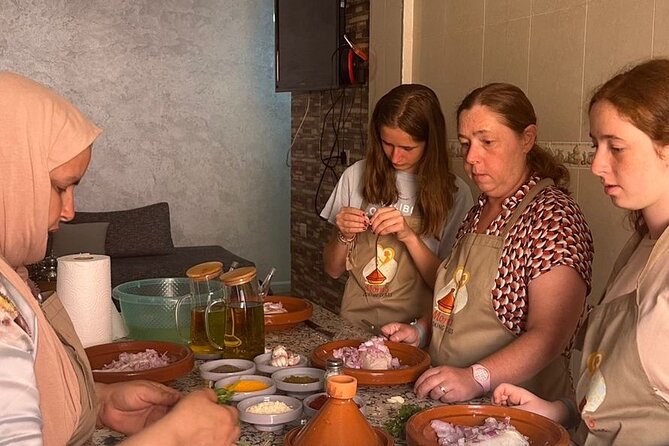
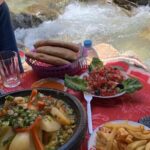
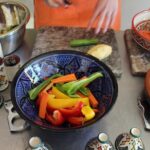
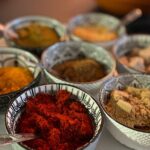
Moroccan salads are where you learn to balance smoky, sweet, tangy, and fresh flavors without needing complicated steps. In the class, you’ll make salads like zaalouk (smoky eggplant salad), taktouka (pepper and tomato salad), and tomato salad.
These salads also teach you the “why” behind cooking styles. Zaalouk often leans into deeper flavor through eggplant cooking and seasoning. Taktouka shows how peppers and tomatoes can taste bright while still feeling slow-cooked. Tomato salad brings freshness back to the table so the main course isn’t the only flavor moment.
If you’re worried you won’t be able to tell one salad from another after class, don’t. The structure is clear: you make them, you taste them, and you see how each one changes the way you eat bread and sauce. That’s the real education.
Tagine or Couscous: Choose Your Protein and Follow the Spice Logic
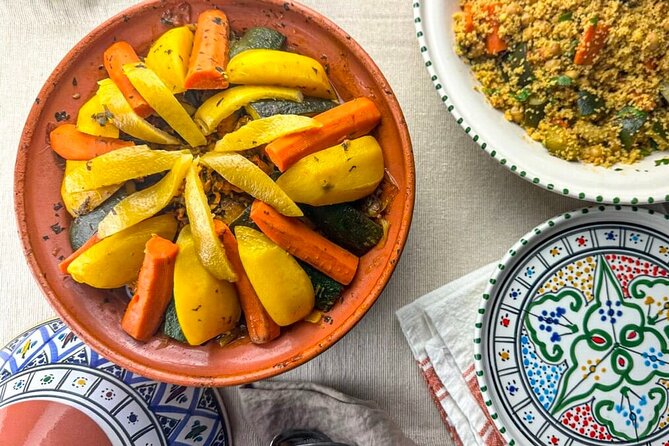
The main event is the tagine. You’ll choose a base such as chicken, lamb, beef, or fish, and then cook it with Moroccan spice profiles. The class emphasizes techniques that help sauces taste layered instead of one-note.
From the dish ideas you might make, you’ll see recurring Moroccan themes:
- chicken with lemon and green olives
- vegetable tagine with saffron and preserved lemon
- lamb with prunes and toasted almonds
- lamb with apricots and almonds
- beef with artichokes and peas
- fish tagine with tomatoes, garlic, and green peppers
Not every combination will be the same for each group, but the approach is consistent: build flavor with spices, balance acidity (like lemon or preserved lemon), and let slow cooking do the heavy lifting.
How to get the most out of this part: pay attention to smell and texture cues. In a home kitchen, you’ll likely be guided on what the mixture should look and how to adjust while it cooks. This helps you understand the dish, not just memorize the steps.
Also, tagine sauce is the point. Moroccan cooking often feels different because the sauce matters as much as the meat. This class teaches you to think in sauce.
Lunch at the Family Table: What You Make Is What You Eat
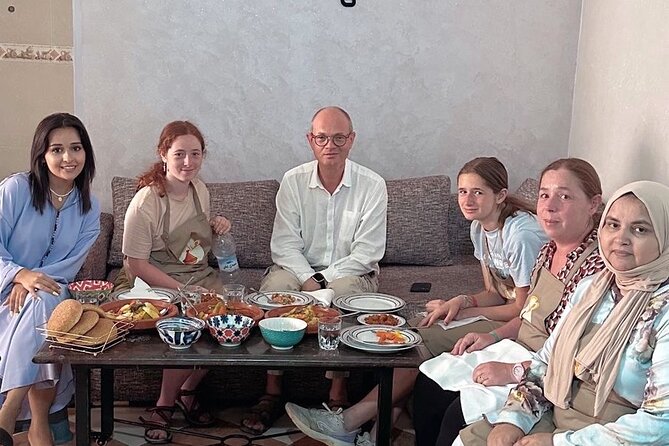
This experience is built around a shared meal. Lunch is included, and you’ll eat what you cook. That sounds obvious, but the real difference is how the food is served and how the meal feels like part of the teaching.
In the home setting, you usually don’t feel like you’re being processed. You’re part of the room. Conversations often happen naturally around the cooking steps, especially during mint tea and right after the food lands on the table.
If you like travel moments where you can ask questions and get real answers, this is a good match. You might learn how recipes are passed down, why certain ingredients show up again and again, and how Moroccan families think about feeding people.
And because it’s lunch, you get a complete outcome. You’re not leaving with a recipe card and a half-finished idea. You’re leaving full, with the flavors already tested on your own plate.
Pickup, Air-Conditioned Comfort, and Small-Group Control
Let’s do the practical stuff. Pickup is offered, and the class includes an air-conditioned vehicle. That matters in Marrakesh, where time in a car can be either pleasant or miserable depending on the day. Starting from a consistent meeting point and returning there also keeps the schedule simple.
You’ll also have an English and French guide. That’s important because Moroccan cooking has lots of small steps. When instructions are clear in your language, you learn faster and feel less like you’re guessing.
The group cap of 10 travelers keeps things personal. You’re not fighting for attention. It also helps the cooking flow, since many steps need hands or close supervision.
You’ll likely use a mobile ticket, and the meeting area is near public transportation. That’s helpful if you’re staying close enough to walk to transit rather than relying only on taxis.
Price and Value: Why $81.30 Can Be a Smart Spend Here
The price is $81.30 per person for about four hours, with lunch included. On paper, cooking classes can look pricey in Marrakech, especially if you compare them to short market demos.
Here’s the value logic I’d use. You’re getting:
- hands-on instruction in a private home kitchen
- multiple dishes (bread, mint tea, salads, and a tagine or similar main)
- lunch made from what you cook
- transportation support via air-conditioned vehicle and pickup offered
- guidance in English or French
- a small group cap of 10
That’s a full “half-day meal experience,” not a 30-minute sampling session. If you care about food culture and want more than photos, this can land as a fair price. You’re paying for access to a real household kitchen and the teaching time that goes with it.
One practical tip: book ahead. It’s commonly reserved about 19 days in advance on average, so waiting too long can squeeze your options.
Who This Marrakesh Cooking Class Suits Best
This class fits best if you want Moroccan flavor with context. You’ll enjoy it if you like:
- cooking with your hands, not only watching
- eating what you make
- learning how bread, tea, and salads work with tagine
- a smaller-group experience in a real home setting
It can be less ideal if you prefer quiet sightseeing, minimal participation, or you want a strict, single-dish focus. This is a shared class built to be active for the full four hours.
Also, think about your day plan. If you’re trying to stack this right before a long tour, you might feel rushed. Instead, treat it like an anchor experience. Start it when you’re ready to slow down.
Should You Book It?
I think you should book this shared Marrakesh cooking class if your priority is authentic, household-style Moroccan food. The bread, mint tea ritual, and tagine are the kind of skills and flavors you can take home, not just enjoy for one meal.
Skip it only if you hate hands-on activities or you’re looking for a more hands-off, museum-like experience. If you want the kind of afternoon where cooking turns into conversation around the table, this is a strong choice.
FAQ
How long is the cooking class?
It lasts about 4 hours.
Is lunch included?
Yes. Lunch is included.
Do I get pickup in Marrakech?
Pickup is offered, and transportation is included via an air-conditioned vehicle.
What dishes will we make?
You’ll make Moroccan bread, mint tea, salads such as zaalouk, taktouka, and tomato salad, and a tagine (or couscous) with a protein choice like chicken, lamb, beef, or fish.
What languages are guides available in?
The guide provides English and French instruction.
How big is the group?
The experience has a maximum of 10 travelers.
What is the cancellation policy?
You can cancel for a full refund up to 24 hours before the experience starts. If you cancel less than 24 hours before, the amount paid is not refunded.