REVIEW · MAKATI
Makati: Hands on Manila Cooking Class
Book on GetYourGuide →Operated by Explore Manila Tours · Bookable on GetYourGuide
A cooking class that turns meryenda into a full feast. In Makati, I love how this hands-on session in an outdoor courtyard lets you cook classic Filipino snacks while your English instructor, Chyl, shares what food means in everyday life. You get a small group setting and a clear focus on recipes you can actually repeat at home.
Two things I really like: first, the class is truly hands-on, with your own workstation and equipment so you are not just watching. Second, Chyl keeps it practical and personal, mixing cooking steps with stories about Filipino family life and food culture.
One consideration: because the class runs in an open-air courtyard, rain can disrupt the setup. If the forecast looks sketchy, plan to dress for weather, and bring some flexibility.
In This Review
- Key highlights you will feel right away
- Finding Your Way to Makati: meet the instructor and get there fast
- What you cook in 2 hours: Filipino meryenda you can repeat at home
- The most common favorites
- Why the class structure works
- Variations you might see
- Your hands-on stations: equipment, portions, and the pace in real life
- What you get at your table
- The pace: calm, organized, and beginner-friendly
- Portions: plan for leftovers
- The real value: Chyl’s culture lessons while you cook
- What you learn besides recipes
- Why the cultural storytelling helps your cooking
- Weather and comfort: an outdoor courtyard class in Makati
- Price and value: does $60 make sense for a 2-hour class?
- Who this Makati cooking class is best for
- Quick practical tips before you go
- Should you book this class?
- FAQ
- How long is the cooking class?
- What kinds of dishes will I learn to make?
- What’s included in the price?
- Where do I meet the instructor in Makati?
- Is hotel pickup included?
- Is it wheelchair accessible and is it suitable for kids?
Key highlights you will feel right away
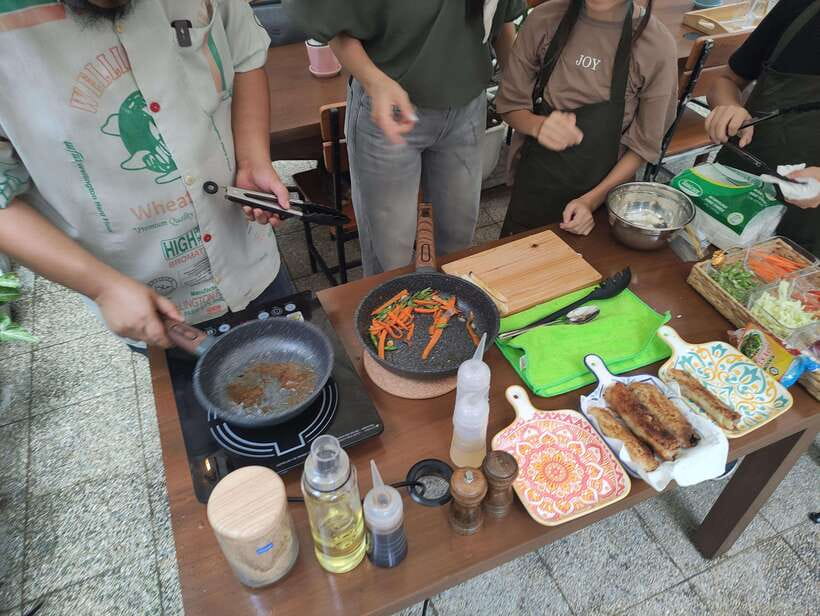
- Small group limit of 4 participants: more direct help and faster feedback as you cook.
- English instruction from Chyl: clear steps plus cultural context while you work.
- A 2-hour meryenda setup: you typically make multiple items, and the portions are big enough to take leftovers seriously.
- Common menu includes pancit, lumpia/spring rolls, and turon: classic starters and a sweet finish.
- Fresh ingredients and clean tools: induction cooker and pans are prepared in advance.
- No hotel pickup: you will use Grab to get to the courtyard near the coffee kiosk.
Finding Your Way to Makati: meet the instructor and get there fast
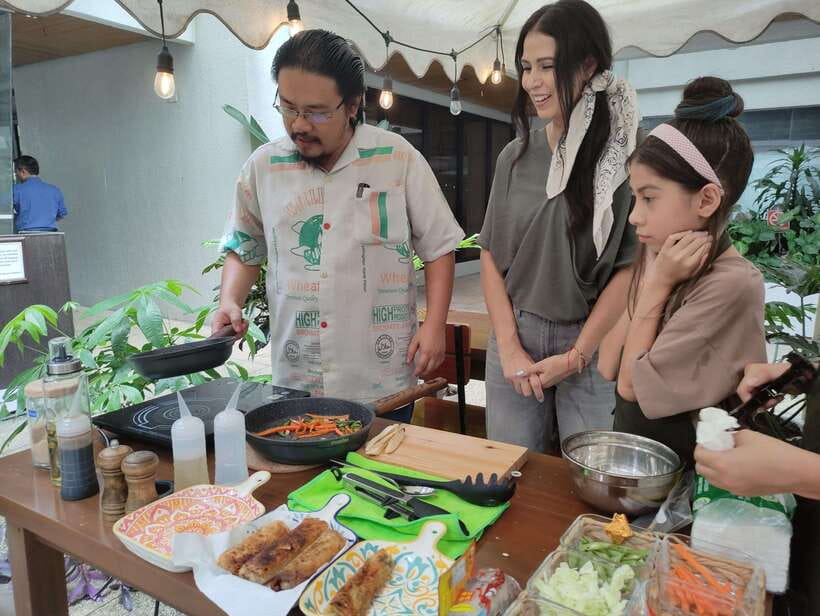
This is set in the heart of Makati, at an outdoor courtyard in front of a coffee kiosk. The meeting point matters because there is no hotel pickup, so you will want to arrive a few minutes early, locate your instructor at the courtyard, and get settled before cooking starts.
Getting there is easiest with Grab. The class does not include transport, so you are planning your own ride from wherever you are staying. If you are staying near the major Makati hotel clusters, it can be a straightforward short trip, but traffic happens, so give yourself a buffer.
What to wear is simple: comfortable clothes. Cooking here is active, and you will be moving between prep and heat. If you have a habit of keeping things tidy while cooking, bring that mindset, because you will be working with your own utensils and ingredients on your station.
What you cook in 2 hours: Filipino meryenda you can repeat at home
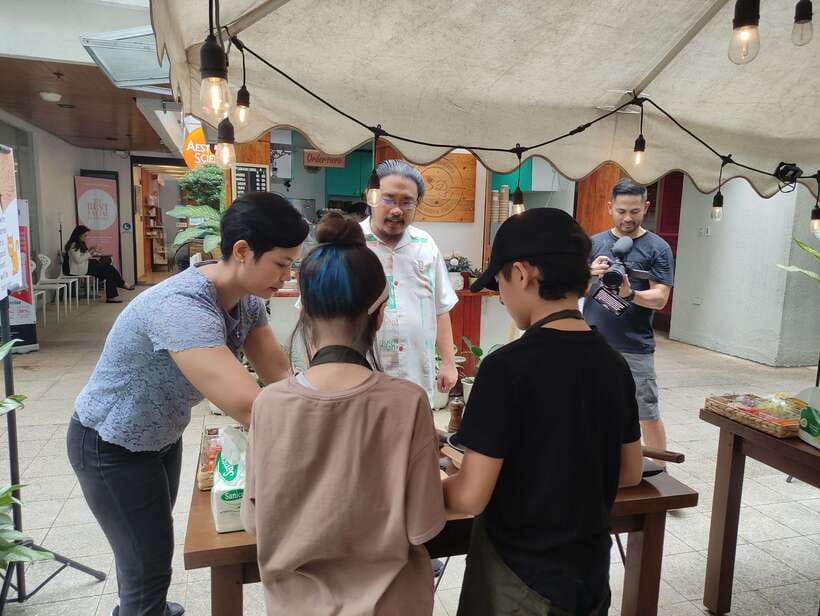
The promise is a family friendly introduction to Filipino cooking through a hands-on meryenda snack lineup. In plain terms: you learn by making several items, not one dish.
The most common favorites
From the way the menu is described and the dishes people return with, these show up often:
- A noodle dish such as pancit (filling, savory, and built for learning technique).
- Spring rolls or lumpia-style snacks (savory and crunchy, with a wrapper skill you can repeat).
- A sweet Filipino treat such as turon (banana-based, fried/wrapped, and memorable for its contrast of textures).
Why the class structure works
You might worry that “snacks” sounds light. In reality, the class time is short, but the output is big. Most sessions feel like you are making an entire mini-meal, not just nibbling. One-on-one or very small groups also keep the pace moving smoothly, since the instructor can slow down or speed up based on your questions.
Variations you might see
Not every class will be identical, and that is part of the charm. Some sessions include banana fried and wrapped treats, and you might also see a stir-fry element depending on what is planned that day. The big takeaway for you is the cooking approach: how Filipino flavors are built and how textures (crisp, tender, saucy) are controlled.
Your hands-on stations: equipment, portions, and the pace in real life
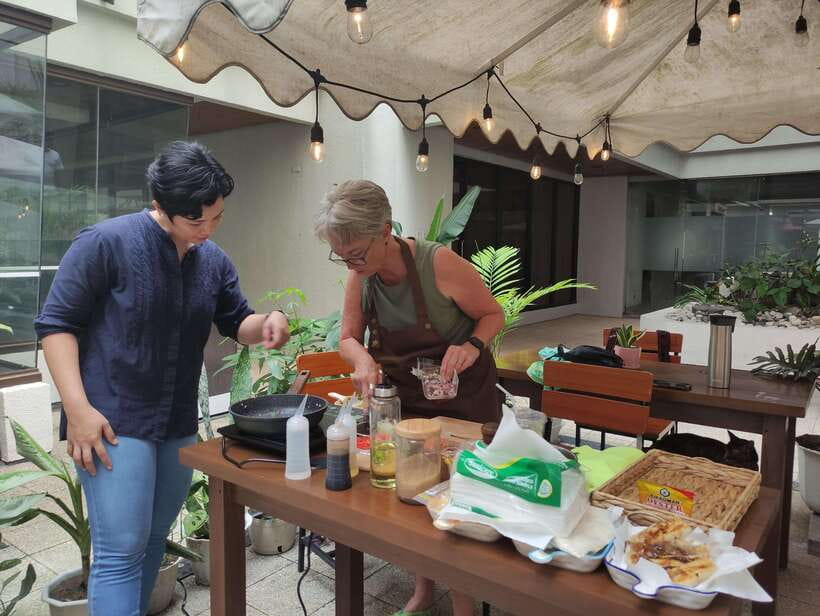
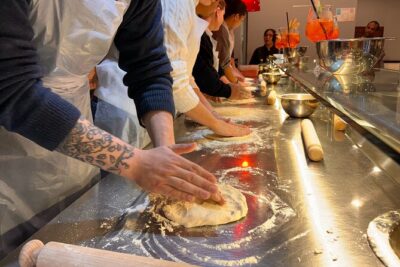
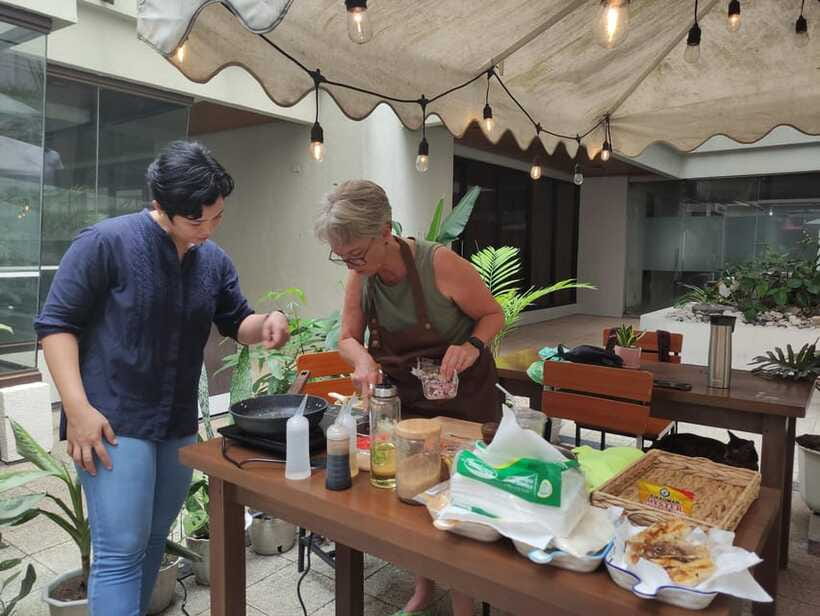
This class runs with a small group setup (limited to 4). That limit is not just a marketing line. It changes the whole experience because you are less likely to be stuck waiting while someone else gets attention. You can ask questions as you work, and you can correct technique on the spot.
What you get at your table
You are not asked to bring gear. The class includes:
- use of cooking equipment
- food ingredients
- a non alcoholic drink
People describe getting pre-portioned ingredients and a station that is ready to go. The equipment is an induction cooker and pans, and it is set up in advance. The overall effect is that you spend your time cooking, not hunting for tools.
The pace: calm, organized, and beginner-friendly
Chyl’s teaching style comes up again and again: clear, calm, and structured. Even if you have cooked before, you will still pick up useful adjustments, like how to manage heat for crispness in fried snacks or how to keep noodles from turning into a sad clump.
And if you show up late due to traffic or a Grab delay, the tone stays patient. You still get the full 2 hours to make and enjoy the dishes.
Portions: plan for leftovers
One recurring theme is that you leave with more than you expect. The class is labeled snacks, but the servings often feel like two meals plus a little extra. If you are booking this around dinner plans, consider eating lightly before the class or accepting that you might turn your leftovers into breakfast later.
The real value: Chyl’s culture lessons while you cook
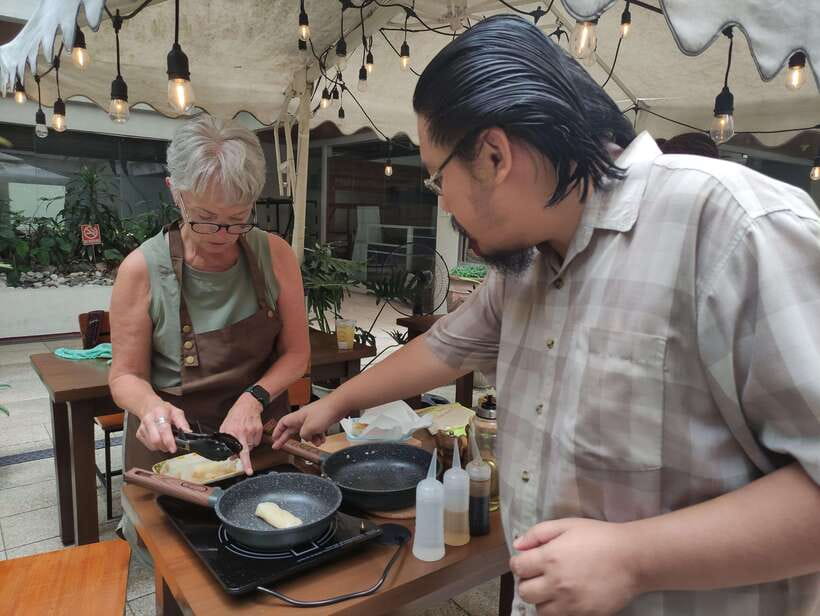
The cooking is the hook, but the stories are the glue. Chyl teaches recipes and also explains why they matter in Filipino life—how snacks fit into family rhythms, and how food ties to celebrations and everyday comfort.
What you learn besides recipes
You will pick up practical context, like:
- how Filipino food reflects traditions from across the islands
- how snack foods become part of normal family time, not just special occasions
- why certain ingredients and cooking methods show up again and again
This matters because it helps you cook with intention when you are back home. Instead of copying a recipe blindly, you start to understand what the flavors are supposed to do.
Why the cultural storytelling helps your cooking
Stories are not just nice extras here. They guide your taste and your sense of balance. When you understand the role food plays, you pay attention differently while cooking—salt levels, texture targets, and the order you do things in.
Chyl also keeps it interactive, and because the group is small, conversation feels more like a guided chat than a lecture.
Weather and comfort: an outdoor courtyard class in Makati
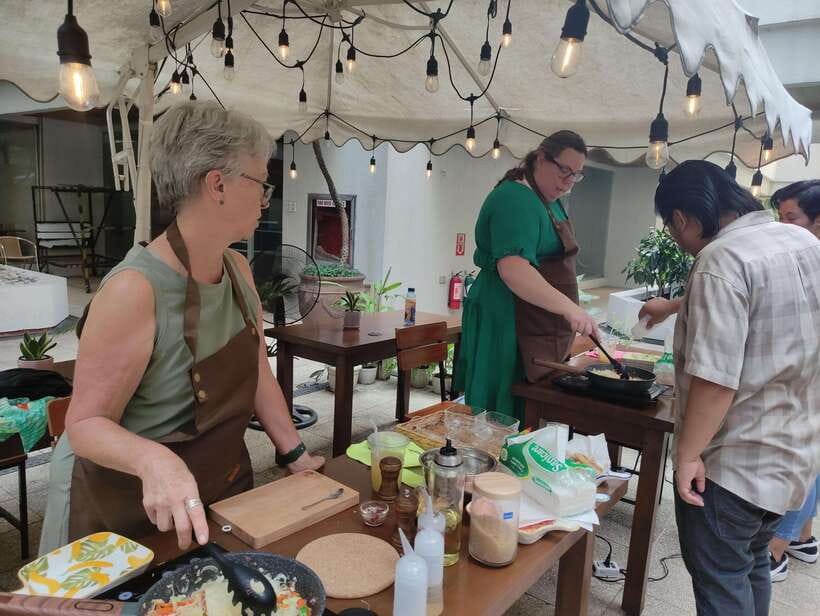
This is an outdoor setting, described as open air. That can be great because Makati afternoons can feel pleasant, and you get a casual, real-world atmosphere instead of a sealed room.
The trade-off is obvious: rain can cause inconvenience. One experience noted that during their session, rain required rearranging and drying items. If you are traveling in a rainy stretch, keep an eye on the weather and bring a light layer. Even if the cooking moves on, you will be happier if you dress for changes.
Price and value: does $60 make sense for a 2-hour class?
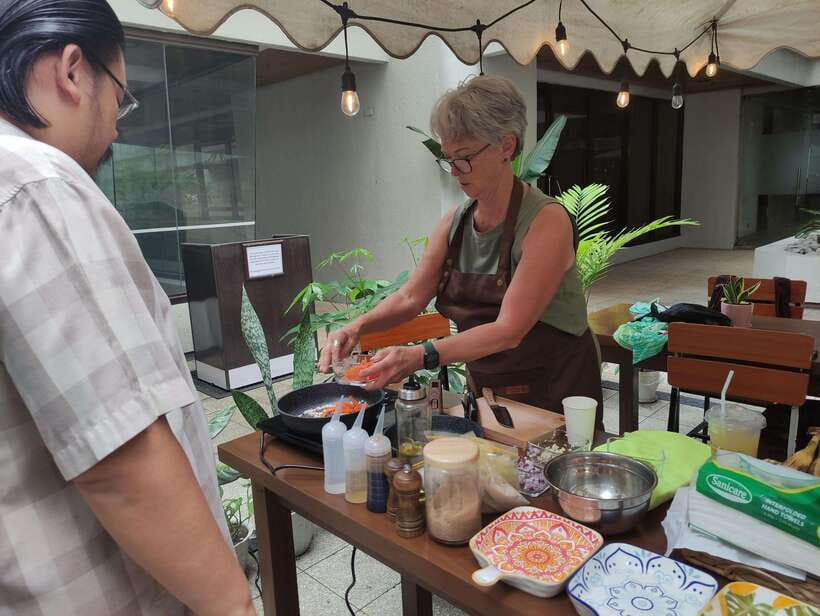
At $60 per person for a 2-hour, small-group cooking class, you are paying for three things that many cheaper activities do not include:
- Ingredients and equipment are covered. You are using tools and cooking materials that you would otherwise have to buy.
- You get direct instruction from Chyl. Small group help is where you get real cooking improvement, especially for tasks like rolling, frying, and timing.
- You leave with a full snack spread. The portions can be large enough to cover more than one meal, which stretches the value.
Is it a budget-friendly option? Not really. But it is good value for what you receive: fresh ingredients, a guided “from scratch” feel, and a cultural layer that helps the recipes stick.
If you are the type who loves learning one skill you can recreate later—like lumpia-style crunch or turon-style wrapping—this is the kind of class that pays you back on future weekends.
Who this Makati cooking class is best for
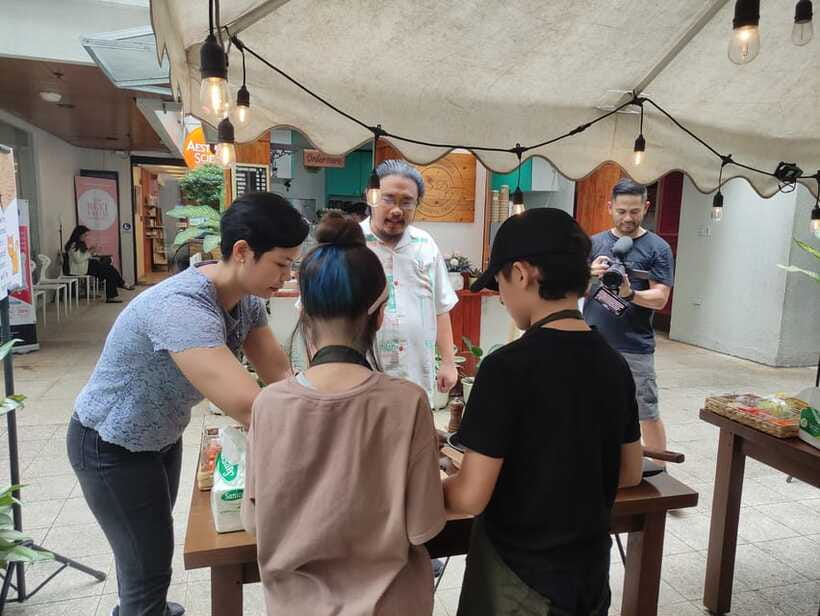
This fits best when you want hands-on learning and you like recipes with straightforward technique and strong flavor identity.
It is a good match for:
- couples and friends who want a shared activity in Makati
- solo travelers who want conversation and personalized help
- food-focused travelers who enjoy cooking but do not want to take a full day
- beginner cooks, since instruction is calm and step-by-step
A couple of cautions based on the posted details:
- it is not suitable for children under 9
- it is not suitable for visually impaired people
- it is wheelchair accessible, so if mobility access is a concern, you can consider it
Quick practical tips before you go
- Use Grab and plan a small buffer for traffic.
- Wear comfortable clothes, since you will work actively at your station.
- Eat something light before class, because the meryenda portions can be surprisingly filling.
- If rain is in the forecast, dress for weather since this is an outdoor courtyard experience.
Should you book this class?
If you want a fun way to learn Filipino snack cooking in Makati, I think this is an easy yes—especially if you like the idea of cooking pancit, spring rolls/lumpia, and a sweet treat like turon in one session. The small group size and Chyl’s teaching style make it feel personal, and the portion size makes it more satisfying than the word snacks suggests.
If you dislike outdoor settings or you are traveling with a child under 9, then this one may not fit your day. But for most adults and small groups looking for an authentic, hands-on Manila food experience, it is a strong use of time.
FAQ
How long is the cooking class?
The class runs for 2 hours.
What kinds of dishes will I learn to make?
You will prepare a meryenda-style snack set. Expect a noodle dish, savory spring rolls or lumpia-style snacks, and a sweet Filipino treat like turon.
What’s included in the price?
The price includes use of cooking equipment, food ingredients, and a non alcoholic drink.
Where do I meet the instructor in Makati?
Meet your instructor at the outdoor courtyard in front of the coffee kiosk.
Is hotel pickup included?
No. Hotel pickup and drop-off are not included.
Is it wheelchair accessible and is it suitable for kids?
The class is wheelchair accessible. It is not suitable for children under 9 years.