REVIEW · SAN GIMIGNANO
3-hour Tuscan Cooking Class with Wine & Oil Tasting
Book on Viator →Operated by Podere la Marronaia · Bookable on Viator
Dessert first, then pasta in the Tuscan countryside. This 3-hour class at Podere La Marronaia blends hands-on cooking with tastings, set on a biodynamic winery and farm near San Gimignano. You get a small-group vibe (up to 6 people), and that matters: you’re not shouting over a crowd, and questions actually get answered.
Two big things I’d put at the top: the personal attention from the guide, and the full farm-to-table meal you build yourself, finished with organic wines plus olive oil and balsamic vinegar pairings. If you’ve got time for just one food experience in the area, this is the one I’d shortlist.
One consideration: this is an active, guided cooking format, and it does not include hotel pickup. Also, the minimum drinking age is 18, so younger participants can learn and eat, but won’t be tasting wine.
In This Review
- Key Highlights You’ll Notice Fast
- Farm-Real Tuscany at Podere La Marronaia
- Dessert First: A Smart Way to Learn Tuscan Cooking
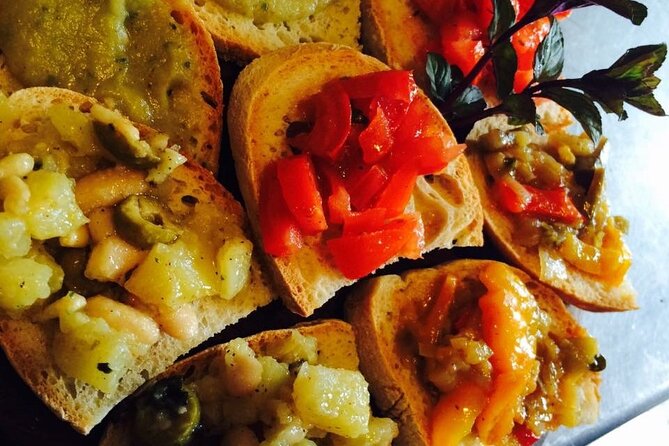
- Bruschetta With Seasonal Vegetables: Three Variations, No Mystery
- The Main Event: Pici and Ricotta Gnocchi (With Two Seasonal Sauces)
- Wine and Olive Oil Tasting: Organic, Practical, Pairing-First
- Dinner, Lunch, and the Meal You Actually Make
- Vegetarian Planning Without Feeling Like an Afterthought
- Price and Logistics: Is $227.67 Worth It?
- What You’ll Get From the Best Guides (And Why It Matters)
- Who Should Book This Tuscany Cooking Class?
- Should You Book It? My Practical Call
- FAQ
- How long is the Tuscan cooking class?
- How big is the group?
- Is dinner included?
- Is wine tasting included, and is there an age requirement?
- Is there a vegetarian option?
- Where do I meet, and where does it end?
Key Highlights You’ll Notice Fast
- Max 6 people means real conversation and quick help when your dough gets stubborn
- Dessert-first structure makes the class feel relaxed, then ramps into savory cooking
- Hands-on menu includes bruschetta (3 variations), plus Pici and ricotta gnocchi with seasonal sauces
- Wine and olive oil tasting uses organic products, then you sit down to eat your creations
- Vegetarian option is available—just flag it during booking
- Professional, friendly hosting has earned strong praise, including mention of chef Leonardo
Farm-Real Tuscany at Podere La Marronaia
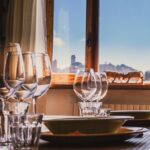
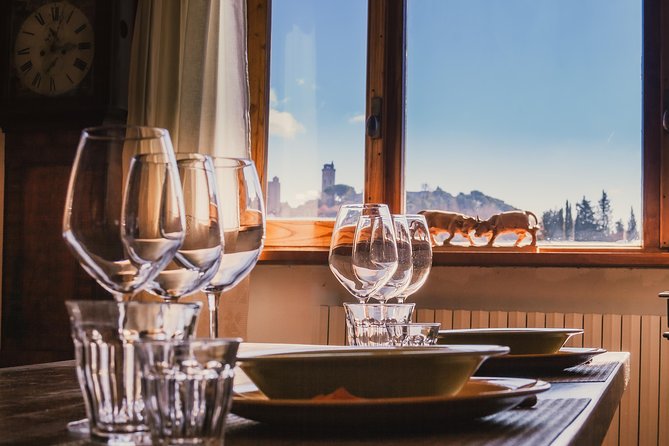
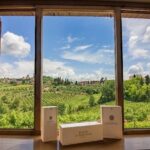
This class starts with the kind of setting you hope for in Tuscany: a working biodynamic winery and farm, not a rented kitchen. Before you put on your apron, you get an intro to the farm’s history and how their production works. That context turns the rest of the experience into something more useful than just following recipes.
The lesson is also timed well for what you’re trying to do in San Gimignano. A lot of the region’s food experiences stretch into half a day or more. Here, you’re looking at about 3 hours, so you can still enjoy the town afterward without feeling like you lost your whole day.
And because the group is capped at 6, you’re more likely to remember what you’re doing—stretching pasta, portioning sauces, balancing flavors—rather than just eating at the end. That’s also where the guide shines. Even in short reviews, people consistently point to the guide being friendly, professional, and good at explaining.
You can also read our reviews of more tours and experiences in San Gimignano.
Dessert First: A Smart Way to Learn Tuscan Cooking
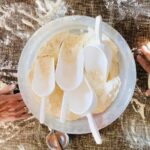
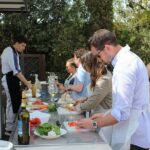
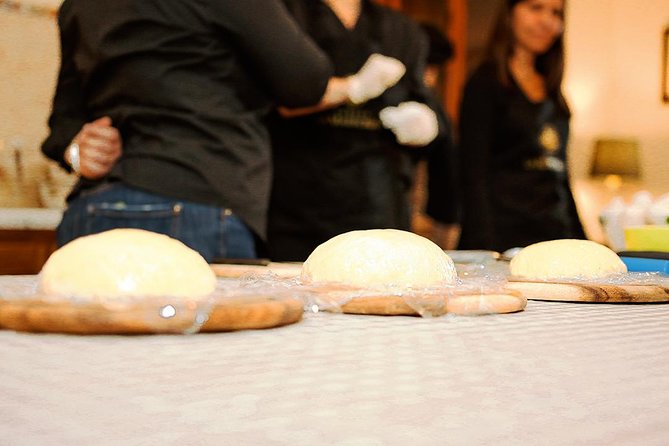
The class has a playful but practical rhythm: you begin with dessert, using a traditional Tuscan recipe. Starting sweet first sounds backwards, but it actually helps you get comfortable with the kitchen setup, the timing, and the way the instructor teaches.
From there, you bake what you make and then move into savory. If you like food classes where the learning feels light at the start, this format works. You’re not yet tired from pasta work, and you’re already building trust in the process.
One more subtle benefit: dessert often teaches “foundation” skills—heat control, texture cues, and how to follow directions without panic. Later, when you’re making pasta and shaping gnocchi, you’ll be glad you already got over the nerves.
Bruschetta With Seasonal Vegetables: Three Variations, No Mystery
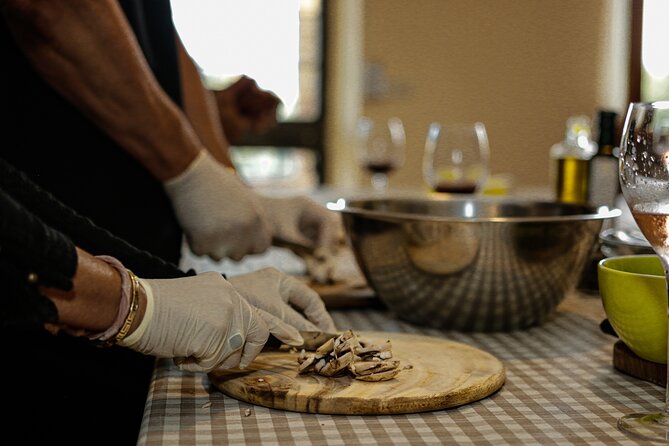
Next comes bruschetta—specifically, you make 4 kinds of bruschetta as a starter, with fresh seasonal vegetables driving the variations. For home cooks, this is a great section because bruschetta is simple in concept but easy to mess up in execution. You’re learning how to build flavor through ingredients rather than relying on heavy sauces or complicated techniques.
What I like here is that the class doesn’t try to impress you with rare ingredients. It leans into what’s available and in-season, which is exactly how Italian home cooking often works. If you want to recreate something later, seasonal bruschetta is far more repeatable than a dish built around hard-to-find items.
Also, one review notes that the practical parts feel already handled—aprons are prepared and the setup is organized—so you can focus on cooking rather than spending half the time figuring out what goes where. That kind of planning usually leads to better results for everyone, especially people who aren’t regular kitchen people.
The Main Event: Pici and Ricotta Gnocchi (With Two Seasonal Sauces)
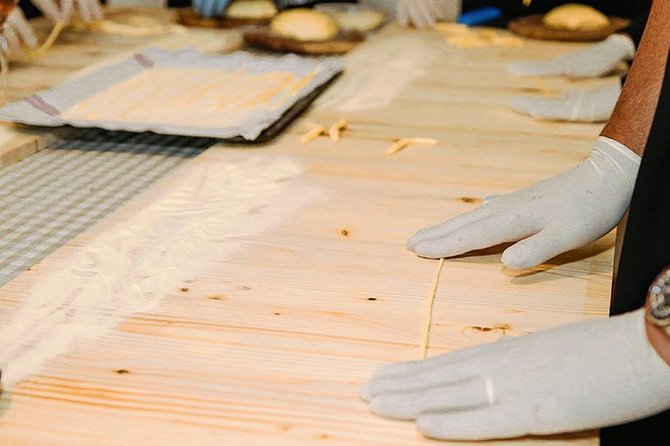
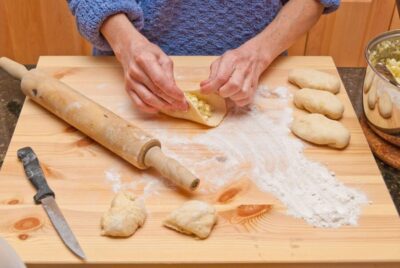
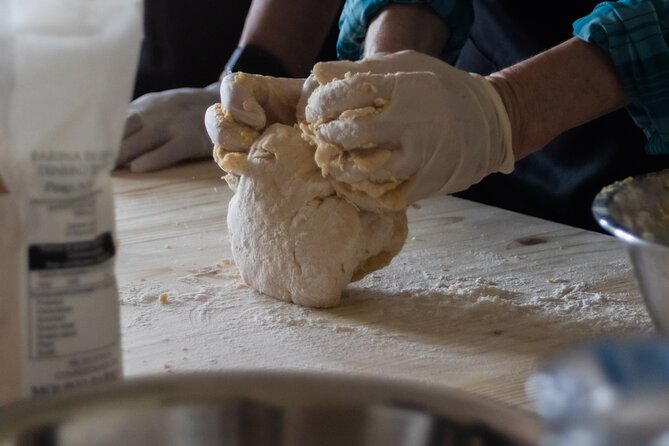
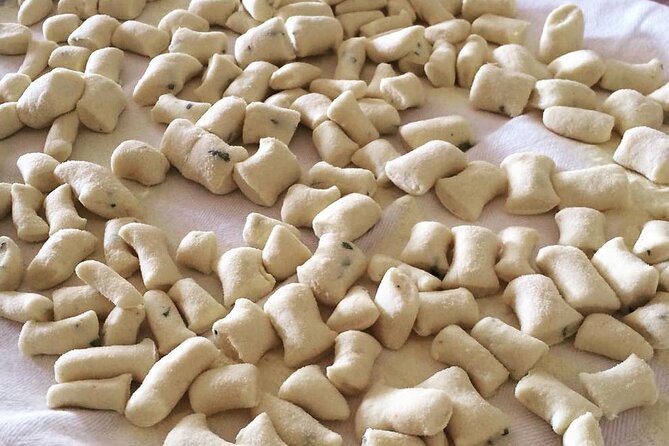
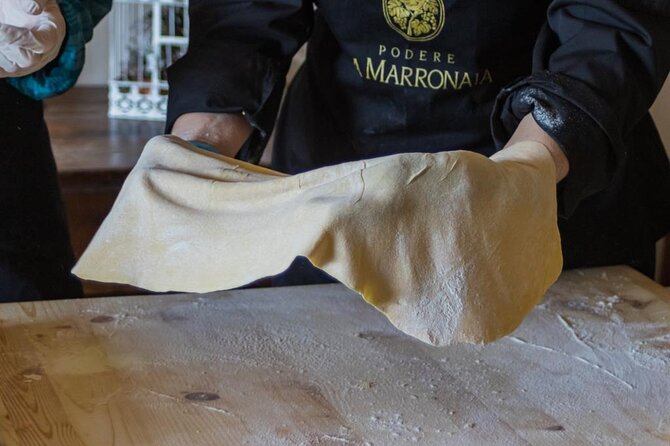
Then you shift into the parts most people come for: handmade Pici and ricotta gnocchi. You craft both, and each is served with seasonal sauces. This is where the class becomes more than a tasting. You’re learning the choreography of pasta making, plus how sauce choice changes the entire experience.
Pici is a thick, hand-shaped pasta, and gnocchi is all about texture. Even without getting too technical (because the guide leads you step by step), you’ll quickly see the difference between a pasta that’s just formed and one that’s ready to eat properly. When people say the recipes are simple but taste amazing, this is the reason why: the fundamentals come from the guide, but the final texture comes from your hands.
Two sauces also matter. You’re not stuck eating one flavor profile all night. Instead, you get to compare how different seasonal combinations work with each pasta type. For anyone who’s ever wondered what makes “Tuscan” taste different from just generic Italian cooking, this is one of the clearest answers you’ll get.
If you’re the kind of person who learns best by doing, this portion is worth it on its own. And because the group is small, you’re less likely to feel lost when you slow down or need a second look.
Wine and Olive Oil Tasting: Organic, Practical, Pairing-First
After (or during) the cooking flow, you get wine and olive oil tasting as part of the experience. The farm focuses on organic products, and the pairing approach is the point. It’s not just sip-and-stroll. You taste, learn what you’re tasting, then you eat your food with those flavors in mind.
The tasting includes organic wines and olive oils, plus balsamic vinegar used in the meal pairing. If you’ve had olive oil in a bottle at home, this is where you’ll start to understand why people obsess. Olive oil isn’t one flavor. It has fruitiness, bite, and aroma, and the right one can make bruschetta pop.
The wine pairing also helps you connect cooking choices to what you smell and taste in the glass. You’re not memorizing wine facts—you’re learning how pairing supports what you just made.
One important practical note: minimum drinking age is 18. The class includes tastings, but if you’re booking with a teenager, they can still participate in the cooking and meal. Just know they won’t be sampling wine.
Dinner, Lunch, and the Meal You Actually Make
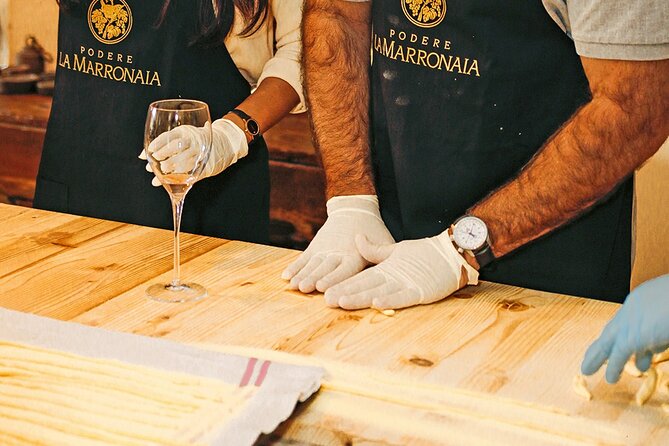
One of the best value drivers here is that you eat what you cook. The included details list dinner and lunch, and the experience ends at the same meeting point, returning you to the start area afterward.
In practice, think of this as a full meal experience built from the class process: you bake the dessert, you make the bruschetta starter, then you sit down with the pasta and sauces. That’s a big deal. Paying for a cooking class and then leaving hungry is a common complaint in the category. This one avoids that trap.
You’ll likely want to pace yourself. When you’re baking, shaping, and tasting oil and wine, it’s easy to feel “busy” without realizing you’re also eating. Plan to have a light day before class if you can.
Vegetarian Planning Without Feeling Like an Afterthought
There is a vegetarian meal option available, and the key is that you need to advise dietary restrictions at booking. That’s worth taking seriously. The class is built around seasonal vegetables in the bruschetta, and it’s designed to create a complete meal, not just swap out one ingredient and call it a day.
If you’re booking for a vegetarian or someone with specific dietary needs, message the operator early. The more clearly you communicate restrictions, the more likely your meal matches the intent of the menu.
Price and Logistics: Is $227.67 Worth It?
At $227.67 per person, this isn’t a budget cooking class. But it also isn’t a ticket to eat bread and watch someone else cook.
Here’s the value math I’d use:
- Small group (max 6): higher cost per person than mass classes, but better attention
- Multiple cooking stages: dessert, bruschetta variations, handmade pasta, then sitting down to eat
- Dinner included (and lunch listed as included)
- Wine and olive oil tasting: not just a sip, but part of the meal experience
- Guided, professional hosting with strong ratings (around a 4.7 average from 36 ratings)
If you’re comparing this to taking a simple cooking class plus paying separately for tastings and a meal, the package starts to make sense. It’s the combination that drives value: you learn, you taste, and you eat in a real farm setting.
The main logistics trade-off is straightforward: no hotel pickup. You’ll need to get yourself to the meeting point. The good news is it’s described as near public transportation, so you can usually plan a simple ride from central San Gimignano.
What You’ll Get From the Best Guides (And Why It Matters)
A lot of cooking classes fail not because of food, but because of explanation. Here, the hosting gets repeated praise for being informative, friendly, and professional. One review specifically calls out chef Leonardo as a standout, with guests appreciating that the recipes stay manageable even though the results feel special.
That’s the difference between a class you do once and a class you’ll actually repeat at home. If the guide explains not only what to do but why the flavors work together, you leave with transferable skills.
You’ll also notice the class format is structured. Ingredients and setups are prepared in a way that keeps the pace from turning chaotic—meaning you get hands-on time without constant interruptions to figure out tools or ingredients.
Who Should Book This Tuscany Cooking Class?
I’d point this toward:
- Couples or friends who want a small-group food experience in San Gimignano
- Food lovers who like learning through doing, especially pasta making
- People who want tastings with food rather than tastings as a separate activity
- Families with kids age 12+, as long as adults handle wine tasting and kids are comfortable with a guided cooking environment
- Vegetarians planning ahead, since a vegetarian option exists
If you’re looking for a quick, low-effort “tour” where you mostly watch and take photos, this probably won’t feel right. It’s hands-on, and that’s the point.
Should You Book It? My Practical Call
If you want one experience that combines cooking, tastings, and a full sit-down meal in a real Tuscany farm setting, this is a strong pick. The small group size, the step-by-step flow (including the dessert-first start), and the fact that you eat what you make add up to good value for the time.
I’d book it especially if you’re going during peak season or only have a day or two in the region, because the class is popular enough that it’s commonly booked ahead (often around two months in advance).
Pass, or at least double-check, if you can’t handle a cooking-focused schedule, or if you’re relying on hotel pickup. This experience expects you to meet there and enjoy the food without logistical crutches.
FAQ
How long is the Tuscan cooking class?
It runs for about 3 hours.
How big is the group?
The maximum group size is 6 people per booking.
Is dinner included?
Yes. Dinner is included, and lunch is also listed as included as part of the experience.
Is wine tasting included, and is there an age requirement?
Wine tasting is included. The minimum drinking age is 18.
Is there a vegetarian option?
Yes, a vegetarian meal option is available. You should advise dietary restrictions at booking.
Where do I meet, and where does it end?
Meet at Via Martiri di Citerna, 2, 53037 San Gimignano SI, Italy. The activity ends back at the meeting point.