REVIEW · SAN GIMIGNANO
Vegan Tuscan Cooking Class
Book on Viator →Operated by Podere la Marronaia · Bookable on Viator
A vegan cooking class in Tuscany sounds too good to be true. It’s not: in San Gimignano, you learn to make handmade vegan pasta in a family kitchen, then you eat what you make with wine and olive oil tastings. I love the hands-on pace (no watching from the sidelines), and I also love the way the class mixes cooking with tastings so you understand the flavors behind the food. One thing to consider: it’s an adult experience with a minimum age of 18 because wine is part of the program.
You’ll work in a small group, capped at 6 travelers, which keeps things calm and lets the instructor actually answer your questions. In the reviews, the teacher is named Leonardo, and the vibe checks out: patient, practical, and focused on getting you to the finish line. Bring your appetite and your patience for a little flour on your clothes.
In This Review
- Key things you’ll remember from this Vegan Tuscan Cooking Class
- Where this class happens: San Gimignano and Podere la Marronaia
- The format: cooking class plus tastings, not just a meal
- What you actually cook: three vegan pastas, bruschetta, and cake
- Your pasta lesson: three types plus traditional sauces
- Vegan bruschetta (crispy and hands-on)
- Vegan cake for dessert
- The tastings that make the meal click: wine, olive oil, balsamic vinegar
- A look at the cooking experience in the family kitchen
- Eating at the end: you sit down with what you made
- Timing and start times: morning or afternoon
- Price and value: is $228.78 per person fair?
- Who this vegan Tuscan class is best for
- Practical tips so you enjoy the class
- Quick check: should you book this vegan Tuscan cooking class?
- FAQ
- Is this class vegan-focused?
- What do I make during the class?
- Do I get to eat what I cook?
- Is there wine or other alcohol included?
- How long is the experience and where does it start?
- What if I need to cancel?
Key things you’ll remember from this Vegan Tuscan Cooking Class
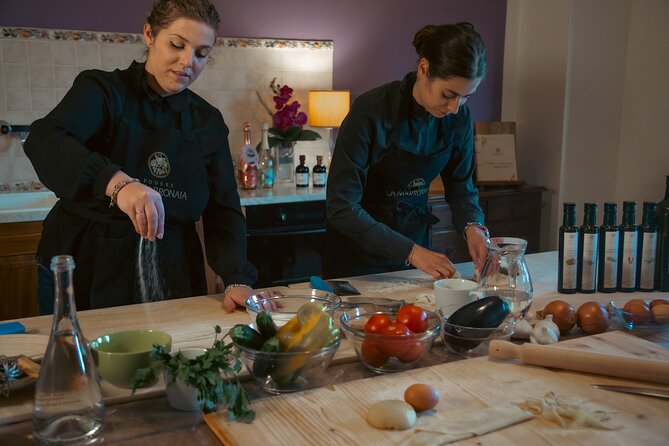
- Three kinds of homemade vegan pasta plus Tuscan-style vegetable sauces, all made by you
- Bruschetta and vegan dessert (you make them, not just admire them)
- Wine, olive oils, and balsamic vinegar tastings paired alongside your meal
- Small group size (max 6) for better hands-on time
- English-led instruction with a teaching style that stays hands-on and patient
- A full stop-to-finish meal at the end using your pastas
Where this class happens: San Gimignano and Podere la Marronaia
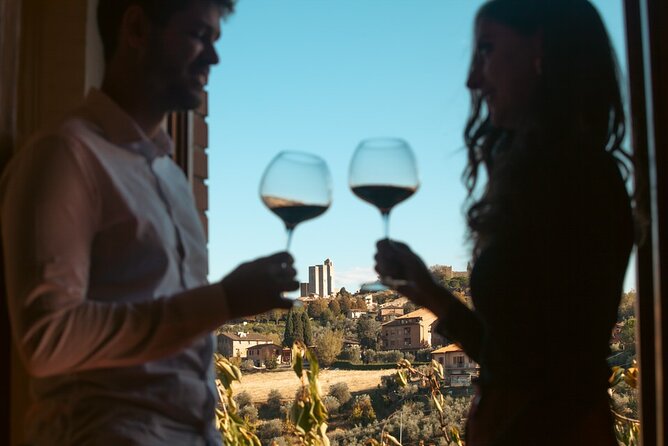
This experience takes place in San Gimignano, Italy, in a setting tied to Podere la Marronaia. The big idea is simple: you’re not just learning recipes. You’re cooking in a Tuscan family context, with agriculture and food habits explained before you start rolling dough.
San Gimignano is a great base for this because the town feels walkable and slow. After a 3-hour class, you’ll still have energy to explore. Also, the tasting component pairs nicely with the region’s food culture—wine and olive oil aren’t “extras” here. They’re part of the lesson.
Logistics-wise, you meet at Via Martiri di Citerna, 53037 San Gimignano SI and the experience ends back there. The tour lists that it’s near public transportation, and there’s no mention of hotel pickup or drop-off, so you’ll want to be ready to get yourself to that address.
You can also read our reviews of more tours and experiences in San Gimignano.
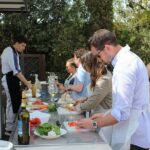
The format: cooking class plus tastings, not just a meal
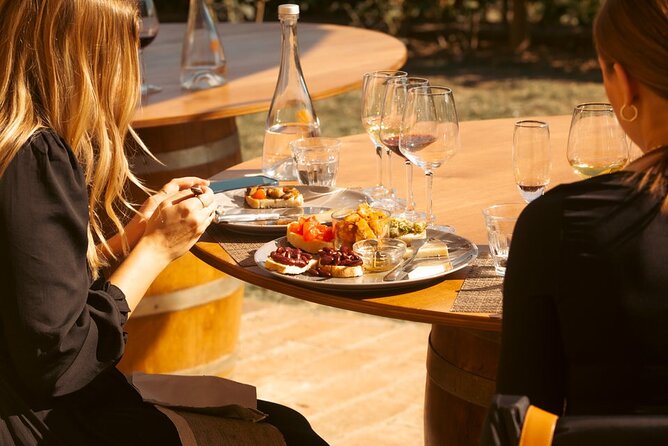
The standout feature is that this isn’t only a cooking class. You get a layered experience:
- an introduction to family history and farming methods,
- hands-on cooking for several dishes,
- and then wine plus olive oil and balsamic vinegar tasting.
That matters because it changes what you take home. If all you did was cook, you’d leave with a few techniques. If all you did was taste, you’d leave with impressions. Here, you get both. You’ll taste and then cook with the same flavors in mind—so the olive oil and wine pairing starts making sense instead of feeling random.
The class also includes structured time with food. You begin in the kitchen, you end with a sit-down meal featuring your pastas, and the “included” list covers bottled water and alcohol. In other words: you should expect to eat well during the session, not nibble.
What you actually cook: three vegan pastas, bruschetta, and cake
Let’s talk about the core output: by the end, you’ll have made several dishes. The menu described is straightforward and very Tuscan in style, but fully vegan.
Your pasta lesson: three types plus traditional sauces
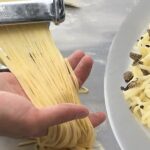
You’ll prepare three types of pasta and pair them with traditional Tuscan vegetable sauces. That “three” detail is important. Many cooking classes teach one pasta format and call it a day. Here, the variety gives you more technique practice—how to shape, how the dough behaves, and how sauce and pasta marry on the plate.
The sauces are vegetable-based and Tuscan-style, so you’ll see how the region leans into vegetables, olive oil, and simple flavor building blocks rather than heavy reliance on cheese or meat.
Vegan bruschetta (crispy and hands-on)
You also make crispy vegan bruschetta. This is one of those dishes that feels like an appetizer, but it teaches a lot: texture control, how to balance toppings, and how to think about what you want from crunch versus softness once everything hits the bread.
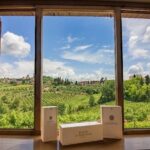
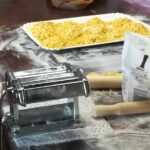
Vegan cake for dessert
For dessert, you’ll make vegan cake. That rounds out the class so you’re not stuck with a savory-only win. You’ll finish with sweetness you can point to as proof: yes, you can learn vegan cooking and still get a real dessert, not just fruit on the side.
The tastings that make the meal click: wine, olive oil, balsamic vinegar
This class includes a tasting of organic wines along with olive oils and balsamic vinegar. That’s a big deal for value and for understanding.
In practice, the tastings act like a flavor map. Olive oil is showing you how fat carries flavor. Balsamic vinegar is showing you acidity and sweetness balance. Wine adds another layer of pairing logic—how herbs, vegetables, and cooked sauces connect to what you drink.
The program pairs these selections with what you’re eating. So you’re not just tasting liquids. You’re building a pairing habit you can reuse later when you cook or shop for ingredients back home.
Also, the class is alcohol-included for those who are 18+. You don’t have to be a wine expert to enjoy this part, but plan to treat it as part of the meal, not a side activity.
A look at the cooking experience in the family kitchen
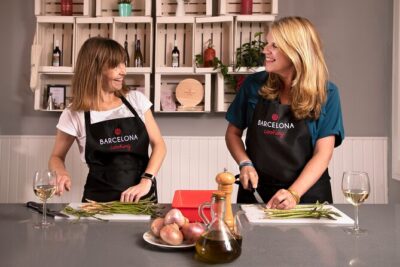
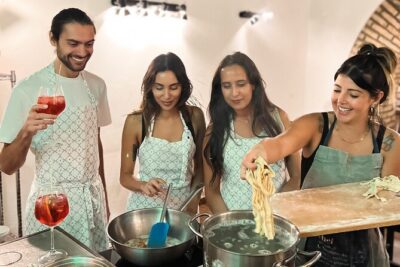
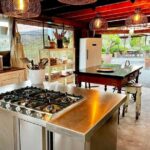
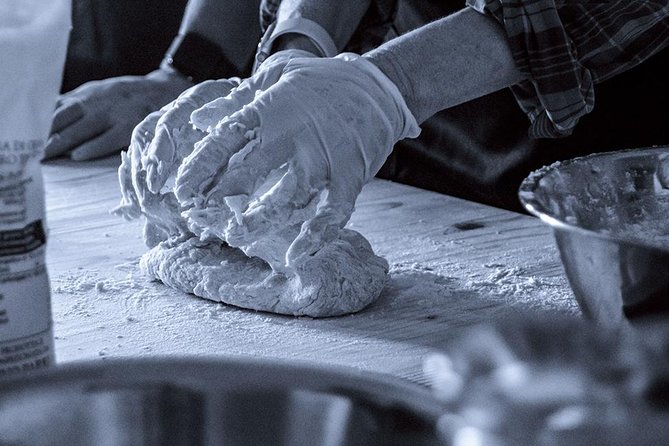
The flow is designed for learning by doing. You start with an introduction to family history and how agriculture is practiced. Then you move into the kitchen for hands-on cooking.
What I like about this setup is that it prevents the class from feeling like a checklist. You’re given context first, then you use that context while you cook. That can help you remember not only steps, but why those steps matter.
Then you get into the practical skills: making fresh handmade pasta and pairing it with Tuscan vegetable sauces. Expect your instructor to guide you through technique and timing. In the reviews, Leonardo is described as patient and thorough, and that’s exactly what you want in a pasta class—because pasta dough can be forgiving, but it’s also easy to mess up if you feel rushed.
The group size supports this teaching style. With a cap of 6 travelers, you’re more likely to get real attention when you ask questions or need help with shaping.
Eating at the end: you sit down with what you made
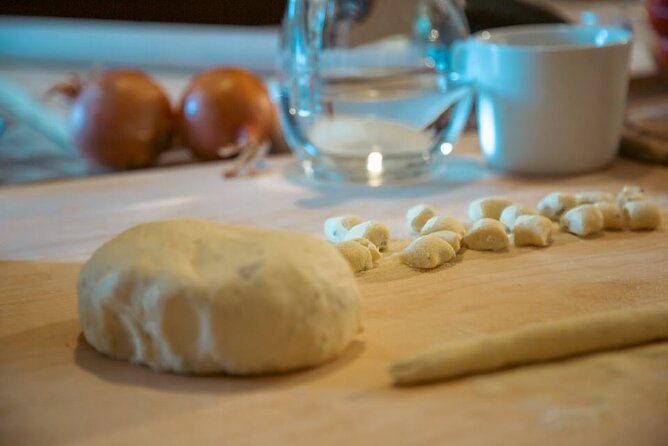
You finish the lesson with a meal built around your pasta creations. That’s one of the most satisfying parts of any cooking class, but it’s also where the “learning-by-doing” pays off.
Instead of leaving right after the cooking, you stay for the payoff: your food becomes the lunch/dinner experience. The included items list both lunch and dinner, which usually means you’re getting a full, satisfying meal experience during the session. Either way, plan on eating enough that you won’t need a big post-class meal.
And because wine plus olive oil and balsamic are part of the package, your meal won’t feel like plain reward food. It’s a structured tasting-and-eating arc that ties together the class themes.
Timing and start times: morning or afternoon
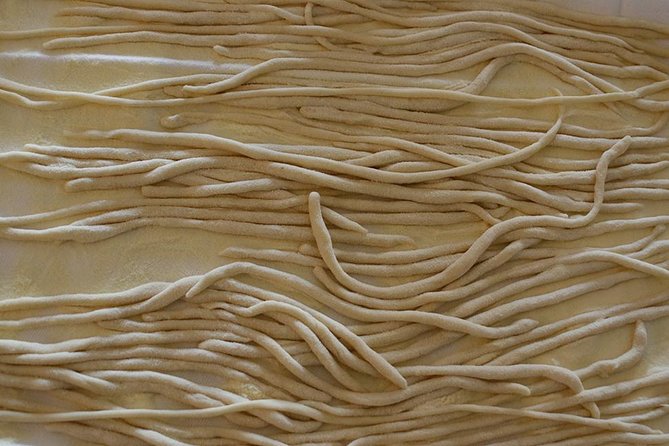
This experience offers morning or afternoon start times. That matters if you’re planning a day around San Gimignano sights or pairing it with other Tuscan activities.
If you take the morning option, you get the cooking lesson and then still have time to wander while the day is fresh. If you take the afternoon option, it can work as a relaxed anchor before dinner plans—especially since the class ends back at the meeting point.
Either way, the duration is listed as about 3 hours, so it’s long enough to learn and eat, but not so long that your whole itinerary gets swallowed.
Price and value: is $228.78 per person fair?
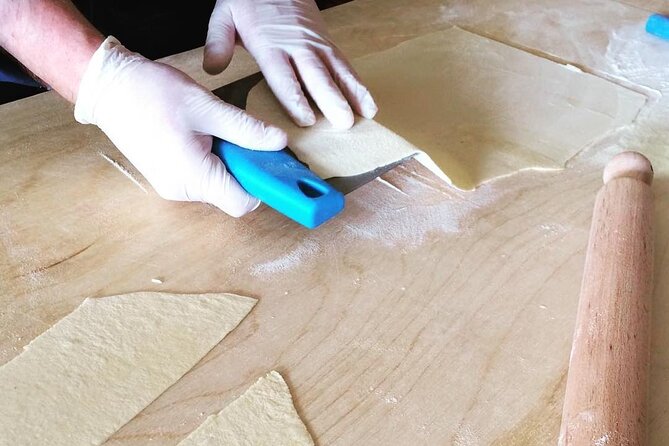
At $228.78 per person, this isn’t a bargain cooking class. But it doesn’t feel overpriced once you break down what you’re getting.
You’re paying for:
- multiple handmade dishes (three pastas, bruschetta, dessert),
- a guided, English-led teaching session in a family kitchen,
- and the tastings (wine plus olive oils and balsamic vinegar),
- plus bottled water and alcoholic beverages, listed as included.
So the value is less about “how many recipes” and more about the whole package: time with an instructor, ingredients and preparation space, and a meal with tastings you’d likely pay for separately.
The small group size also supports the price. When you’re in a group of up to 6, instruction time per person is usually better than in large classes.
My practical take: if you love cooking and also care about understanding Italian flavors through tasting, this price can make sense. If you only want a quick snack-style class, you’d probably find cheaper options. But if you want to leave with real technique and a full meal, the math starts to feel kinder.
Who this vegan Tuscan class is best for
This is a strong fit if you:
- want a vegan-focused version of a traditional Tuscan food experience,
- enjoy hands-on cooking and want to work with dough, not just taste,
- like wine/olive oil/balsamic tastings and want that pairing experience,
- appreciate small groups for better attention (max 6),
- and will be okay traveling to the meeting point on your own (no pickup listed).
It may be less ideal if:
- you’re hoping for a kid-friendly activity (minimum age is 18),
- you can’t eat at a set meal pace (this includes a sit-down end meal),
- or you want something without alcohol at all.
Good to know: there’s a vegetarian option available if you request it at booking, and you can also advise specific dietary requirements. If you have allergies or sensitivities beyond vegan needs, message the provider early so they can tell you what they can accommodate.
Practical tips so you enjoy the class
A few things help you have an easy, low-stress experience:
- Wear clothes you don’t mind getting messy. Pasta and sauces can be sticky work.
- Plan to arrive a few minutes early at Via Martiri di Citerna so you’re not rushed.
- If you’re not used to cooking with wine pairings, pace yourself. The tasting is part of the meal rhythm.
- Bring questions. In a class capped at 6, asking about dough consistency, sauce balance, or shaping technique can actually change how well you do.
Also, you’ll want to book early. The experience is commonly booked about 32 days in advance on average, which suggests it’s not the kind of thing you should leave to the last minute if your dates are fixed.
Quick check: should you book this vegan Tuscan cooking class?
Book it if you want a real vegan Tuscany cooking lesson with hands-on pasta skills, plus the extra satisfaction of eating what you made. The wine and olive oil/balsamic tasting adds understanding, not just entertainment, and the small group size makes it feel more personal.
Skip or reconsider if you need hotel pickup, can’t do alcohol-focused programming, or you’re looking for a short, beginner-only taste session. At 3 hours, you should treat it like a meal plus a workshop, not a quick add-on.
If that sounds like your style, this one is the kind of class that sticks with you—because you’ll leave with pasta technique and flavor logic you can use again later.
FAQ
Is this class vegan-focused?
Yes. This is a vegan Tuscan cooking class, and the dishes described are vegan (including vegan pasta, vegan bruschetta, and vegan cake). If you have other dietary needs, you should advise them at booking.
What do I make during the class?
You’ll make three types of homemade vegan pasta with Tuscan vegetable sauces, plus vegan bruschetta and vegan cake.
Do I get to eat what I cook?
Yes. The experience ends with a meal that features your pastas.
Is there wine or other alcohol included?
Wine tasting and alcoholic beverages are listed as included, and there is a minimum drinking age of 18.
How long is the experience and where does it start?
It runs for about 3 hours. You meet at Via Martiri di Citerna, 53037 San Gimignano SI, Italy and it ends back at the same meeting point.
What if I need to cancel?
Cancellation is free up to 24 hours before the start time for a full refund. If you cancel less than 24 hours before the start time, the amount paid is not refunded.