REVIEW · SAN GIMIGNANO
Authentic Tuscan Cooking Class & Winery Tour in San Gimignano
Book on Viator →Operated by Cesarine: Cooking Class · Bookable on Viator
Smell the tomatoes, then sip local wine. This hands-on class with host Lara is a real window into everyday Tuscan cooking, and I love that you learn by making bruschetta and fresh pasta step by step. The one catch: the meeting spot at Località Casale can be a little tricky to find if you arrive without a game plan.
You’ll also get the part that makes Tuscany feel like Tuscany fast: a winery-and-farm tour plus wine tasting while everything is still fresh on your mind. You’ll spend about 3 hours together in a small group (up to 14), in English, then eat the meal you helped create.
In This Review
- Key highlights worth circling
- Arriving at Località Casale: your 10:30 start and how to plan
- Winery tour, farm, and property views before you cook
- Cooking with Lara: what you’ll make and why the class style works
- Bruschetta to start
- Fresh pasta in the middle
- Ricotta cream dessert to finish
- Wine tasting and pairing: reds, whites, and timing that makes sense
- Lunch is not a snack: you eat everything you make
- What you can actually take home (beyond souvenirs)
- Value check: does $192.28 feel fair for 3 hours?
- Who this is best for in San Gimignano
- FAQ
- How long is the Tuscan cooking class and winery tour in San Gimignano?
- Where does the experience start?
- What time does it begin?
- Is the class offered in English?
- How many people can join?
- What is the cancellation policy?
- Should you book this San Gimignano cooking class and winery tour?
Key highlights worth circling
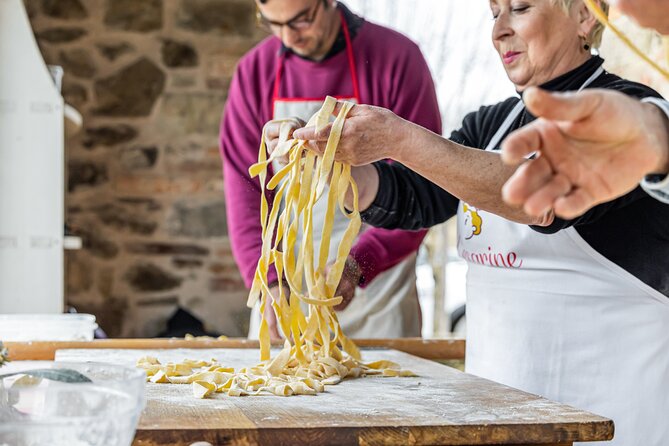
- Hands-on class led by Lara and her family with practical cooking tips you can use at home
- Winery, farm, and property tour first, so the wine context lands before you cook
- Three classic dishes: bruschetta, fresh pasta (like tagliolini/tagliatelle), and a ricotta cream dessert
- Wine tasting timed between steps, including local red or white with your meal
- Take home an official apron and shopping bag as a souvenir that feels useful
Arriving at Località Casale: your 10:30 start and how to plan
This experience starts at 10:30 am in Località Casale, 26, 53037 San Gimignano SI, Italy. It ends back at the same meeting point, so you won’t be wandering across town at the end while you’re still full.
One practical thing: the location can be hard to spot if you do not know the area well. I’d treat it like a place you should approach with extra time, not something you’ll find by vibes. If you’re using maps, double-check the exact street number and plan to arrive a bit early.
The good news is that it’s near public transportation, so you’re not forced into a long, complicated ride just to start the day. And because it’s a cooking class, you should show up ready to be hands-on: you’ll be in a kitchen setting where casual, comfortable clothes make life easier.
Finally, you’ll get a mobile ticket, so keep your phone charged and easy to access when you arrive.
You can also read our reviews of more tours and experiences in San Gimignano.

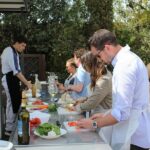
Winery tour, farm, and property views before you cook
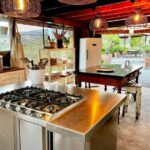
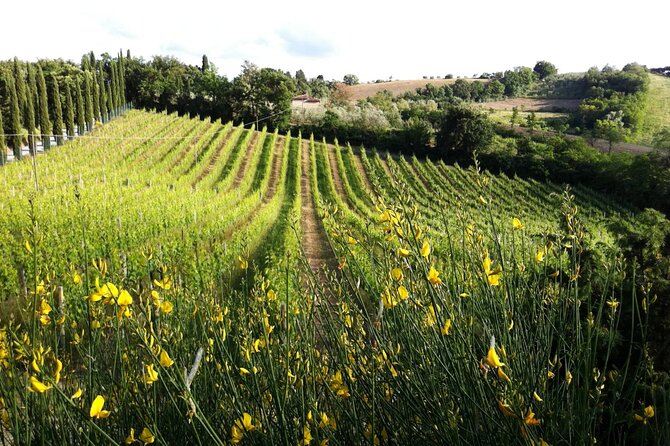
Before anyone hands you a bowl, you start with a tour of the winery, farm, and surrounding property. This ordering matters. You’re not just learning recipes in isolation—you’re seeing the place where the ingredients and wine culture come from.
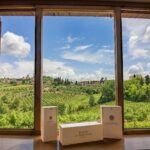
In the classes described, the setting is part of the magic, with spectacular views mentioned alongside the tour of the property. Even if you’ve visited vineyards before, the farm-and-property side adds a different feeling: it connects vines and the broader land to what ends up on your plate.
You’ll also taste wine during this stretch, not at the very end after you’ve already cooked and eaten. That pacing helps you notice what you’re drinking while you still have the cooking steps fresh in your mind. And since you’ll be learning dishes made with seasonal ingredients, this warm-up tour tends to make the later cooking feel more intentional.
Cooking with Lara: what you’ll make and why the class style works
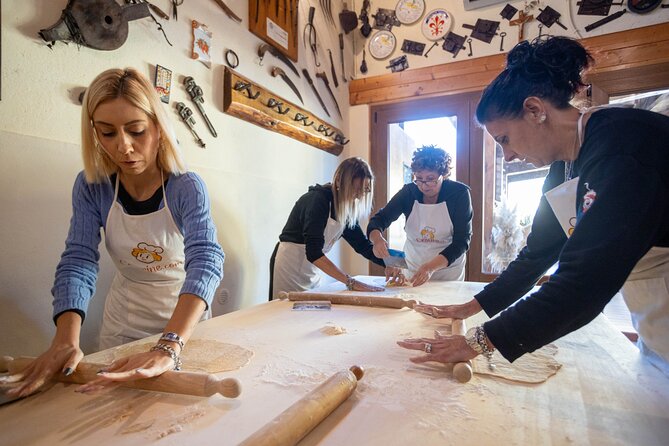
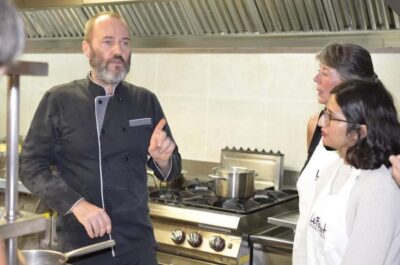
This is built as a small, host-led cooking session with a local resident. The focus is not on fancy techniques for their own sake. It’s on classic, home-style Tuscan cooking and on getting you comfortable repeating the steps later.
Bruschetta to start
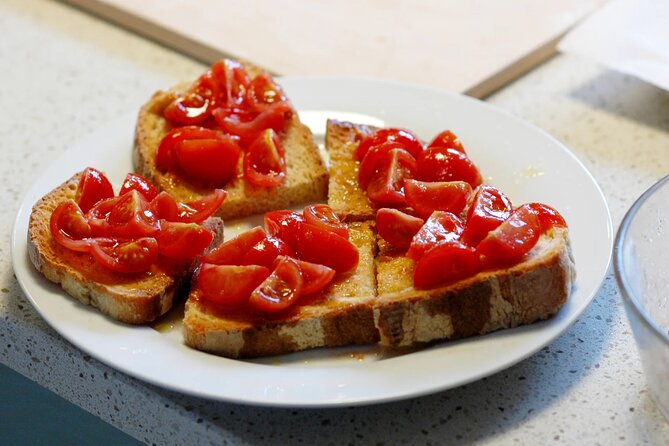
You begin with bruschetta. In one menu example, it included multiple bruschetta styles, not just one formula. Expect bread that’s treated like an ingredient, not a background actor, and toppings that taste fresh and straightforward rather than heavy or complicated.
If you want a takeaway you can use later, pay attention to the balance: bread texture, topping freshness, and how the flavors come together right before serving. Bruschetta is simple only on paper, so watching the timing and assembly is where the real value lives.
Fresh pasta in the middle
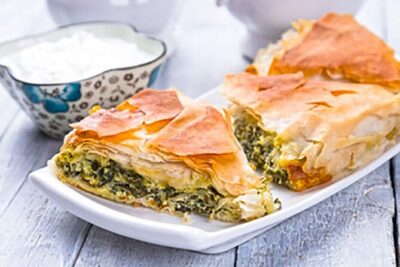
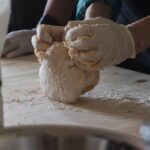
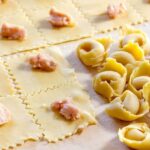
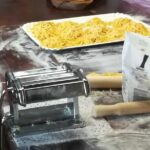
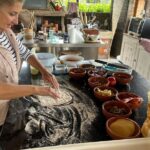
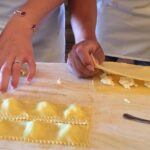
Next comes handmade pasta. The experience is described as making tagliolini pasta with homemade sauce. In another class example, the pasta appeared as tagliatelle with pumpkin sauce. That’s a clue that the class can shift with what’s seasonal and what’s easiest for the day’s workflow.
Either way, the heart of the lesson is the same: you’ll learn how the dough and sauce interplay, and you’ll see how locals handle texture and consistency. If you’ve ever struggled with pasta sticking, breaking, or sauce that feels flat, a hands-on run like this is exactly the moment when things start to click.
Ricotta cream dessert to finish
For dessert, you’ll make a traditional Tuscan-style option built around ricotta. The class format described includes a ricotta cream dessert. In the described experience, it was made during the cooking portion and then served as part of the meal.
Ricotta desserts are forgiving in one sense and tricky in another. They’re forgiving because they rely on comforting ingredients, but tricky because creaminess depends on technique and balance. This is the kind of course where you learn what to look for, not just what to do.
Wine tasting and pairing: reds, whites, and timing that makes sense
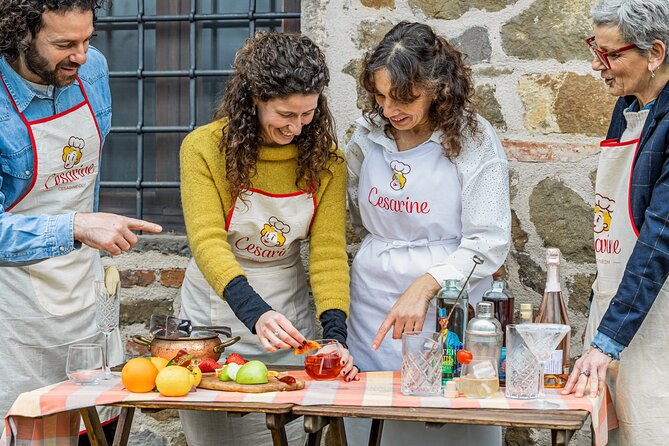
Wine is not bolted on here like a separate side quest. It’s threaded into the experience.
The description says you’ll taste three premium Tuscan wines as part of the winery and tasting experience. In one class example, the tastings were described as two whites and two reds, served during the cooking and meal flow. So treat this as: you’ll have multiple pours, and the staff will guide you through them as you go.
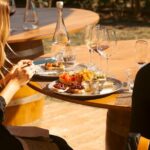
Also, when it’s time to eat, you’ll savor the meal you prepare with a glass of local red or white wine. That matters for value. A lot of food tours show you wine after you’re already done eating, when your attention is low and your palate is tired. Here, your drinking and your cooking are happening together, so you’re more likely to remember what you liked and why.
Practical tip: slow down between steps. If you try to drink every pour like it’s a competition, you’ll miss subtleties you could actually pick up. Let the food guide the wine choice.
Lunch is not a snack: you eat everything you make
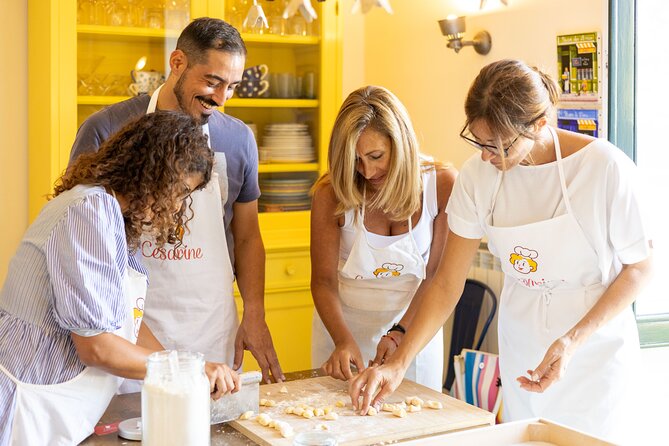
After cooking, you sit down for lunch and eat what you made with your hosts. In the described experience, lunch included everything prepared during the class, not a separate show meal.
That turns the class into more than a demo. It’s a feedback loop: you make the dish, you taste it in context, and you learn what works in real eating conditions. It’s also part of why this tour can feel like better value than buying a ticket for just the cooking portion and then paying extra for lunch.
The menu you can expect is centered on:
- Starter: bruschetta
- Main: tagliolini/tagliatelle pasta with homemade sauce (sometimes pumpkin sauce)
- Dessert: a traditional Tuscan ricotta cream-style dessert
And you’ll be eating it with the wine you’ve been tasting earlier.
What you can actually take home (beyond souvenirs)
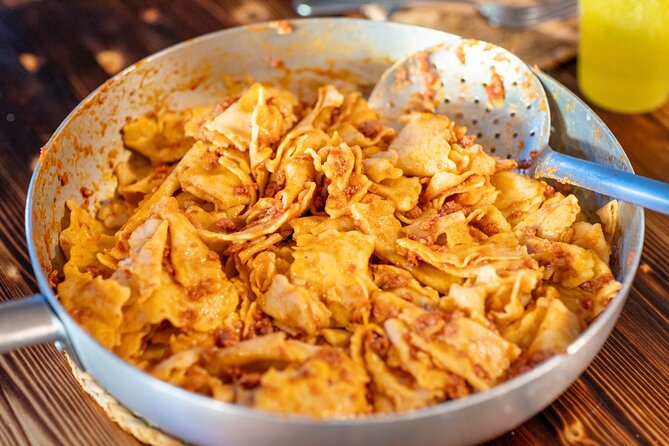
Yes, there’s an apron and an official shopping bag, and those are nice keepsakes. But the bigger takeaway is how the class helps you cook with less guesswork next time.
From the way this experience is described, hosts share traditional Italian cooking tips and tricks during the session. One of the best parts, according to the described experiences, is that the atmosphere feels personal and welcoming—like you’re learning from family rather than being pushed through a scripted routine.
In at least one described instance, Lara also shared recipes to make at home and offered recommendations for the rest of your stay. That combination is what makes cooking classes worth repeating: you leave with a plan, not just memories.
If you want to get the most out of the day, do this: ask one practical question about the step you’re working on, not about Tuscany in general. For example, ask about consistency, timing, or how to adjust if your kitchen is cooler or your ingredients are different. That’s where you’ll convert the lesson into your own results.
Value check: does $192.28 feel fair for 3 hours?
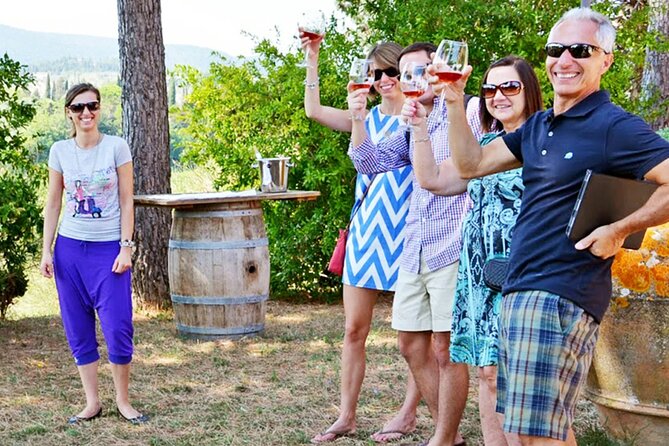
At $192.28 per person for about 3 hours, this class is priced like a full experience, not a quick workshop. And that’s what you’re getting.
You’re paying for:
- A hands-on cooking class led by a local resident
- Instruction on three regional dishes
- A winery/farm/property tour
- Wine tasting of multiple Tuscan wines
- Lunch that includes what you prepared
- An apron and shopping bag
- English-language hosting
When you break it down this way, the cost starts to look more reasonable. The wine and lunch alone often add up on their own, and the tour gives you context instead of treating the food as a stand-alone performance.
Timing matters too. The booking pattern shows it’s often reserved around 89 days in advance on average. If your trip dates are fixed, it’s smart to book early rather than assuming you’ll find openings later.
Who this is best for in San Gimignano
This works best for you if you want a Tuscany day that’s practical, social, and tasty.
It’s a strong match if:
- You like learning by doing, not just watching
- You want both food and wine in one tight time window
- You enjoy small-group settings (up to 14) where you can ask questions
- You’re traveling in English and want clear instruction throughout
It may be less ideal if you hate structured activities or want total freedom all day. This is a guided experience with a schedule, and the payoff comes from staying with it.
FAQ
How long is the Tuscan cooking class and winery tour in San Gimignano?
It runs for about 3 hours.
Where does the experience start?
It starts at Località Casale, 26, 53037 San Gimignano SI, Italy.
What time does it begin?
The start time is 10:30 am.
Is the class offered in English?
Yes, it is offered in English.
How many people can join?
The experience has a maximum of 14 travelers.
What is the cancellation policy?
You can cancel for a full refund up to 24 hours before the experience’s start time.
Should you book this San Gimignano cooking class and winery tour?
If you want one ticket that delivers cooking, wine, and a real meal without extra planning, I think this is an easy yes. The class format makes it feel like a lived-in local routine, and the host-led touch (with Lara specifically called out) is a big part of the appeal.
I’d book it if you’re excited to make classic dishes like bruschetta, learn a pasta step you can repeat later, and finish with a ricotta-based dessert. And if wine is part of your Tuscany experience, the winery tour plus tasting timing with lunch is a smart way to get the full picture in a short span of time.
The only real reason to pause is logistics: if you’re worried about finding the meeting point, give yourself extra time and arrive ready to start on schedule.