REVIEW · SAN GIMIGNANO
Hands-on Pasta Making Cooking Class and Wine Tasting
Book on GetYourGuide →Operated by Tenuta Torciano Winery · Bookable on GetYourGuide
Pasta dough in Tuscany is a pretty good plan. This hands-on class at Tenuta Torciano turns San Gimignano into your classroom, where you’ll learn how to shape pasta (not just watch it happen) and then eat what you make with local wine pairings.
I especially liked the step-by-step coaching from Dante, and the way the meal and tastings feel built around what you just learned, flour to fork. A possible drawback to know up front: timing is strict, and if you’re late, the experience can be cut short.
The setting matters, too. You’ll cook in the kitchen of a family-run estate, with Tuscany wine-country views nearby, and the whole rhythm is relaxed but focused. I also loved the practical wine moments—plus olive oil and balsamic tasting—because it makes the flavors easier to remember back home. Still, keep one caution in mind: if your group starts late, things can get confusing when everyone’s plates are coming out fast.
In This Review
- Key highlights at a glance
- Tenuta Torciano in San Gimignano: the setting that makes pasta feel real
- From flour choice to shaped pasta: what you’ll learn in 2 hours
- 1) Choosing ingredients for pasta dough
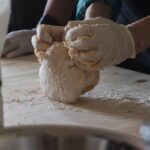
- 2) Knead, roll, and cut—with feedback as you go
- 3) Making three iconic shapes: tagliatelle, pici, ravioli
- Your meal: Tuscan starters, three pastas, and cantuccini with dessert wine
- Wine pairing, olive oil, and balsamic: what you’re actually tasting
- Who guides you—and why the teaching style matters
- Price and value: is $164.26 per person worth it?
- Timing and practical notes that can affect your day
- The bottom line: who should book this pasta + wine class
- Should you book this hands-on pasta making and wine tasting?
- FAQ
- How long is the hands-on pasta making class and wine tasting?
- Where does the class and meal take place?
- Who teaches the cooking class?
- What pasta shapes will I learn to make?
- What’s included in the lunch or dinner?
- Is there a wine tasting included?
- Can dietary needs be accommodated?
- Is there free cancellation?
Key highlights at a glance
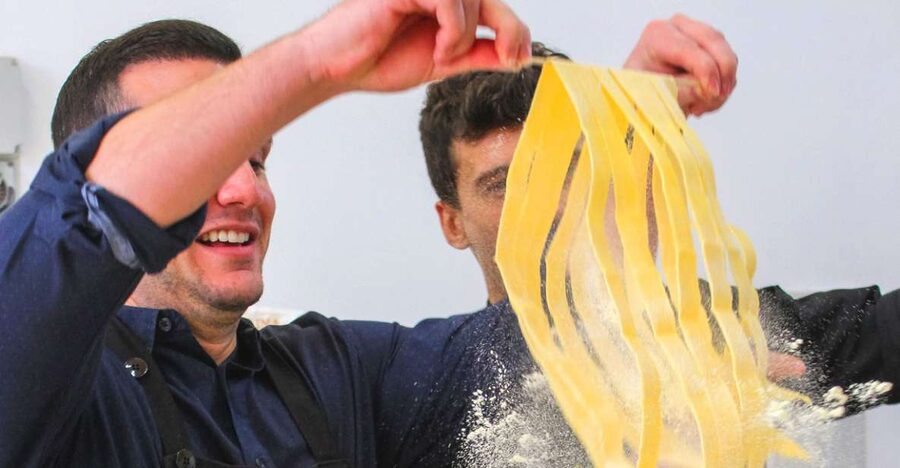
- Hands-on pasta-making in the Tenuta Torciano kitchen with an English-speaking instructor
- Three pasta shapes you’ll learn to make: tagliatelle, pici, and ravioli
- Tuscan lunch or dinner that includes what you prepared, plus dessert wine
- Wine, balsamic vinegar, and extra virgin olive oil tasting alongside the meal
- Scenic wine-country surroundings in San Gimignano’s orbit
Tenuta Torciano in San Gimignano: the setting that makes pasta feel real
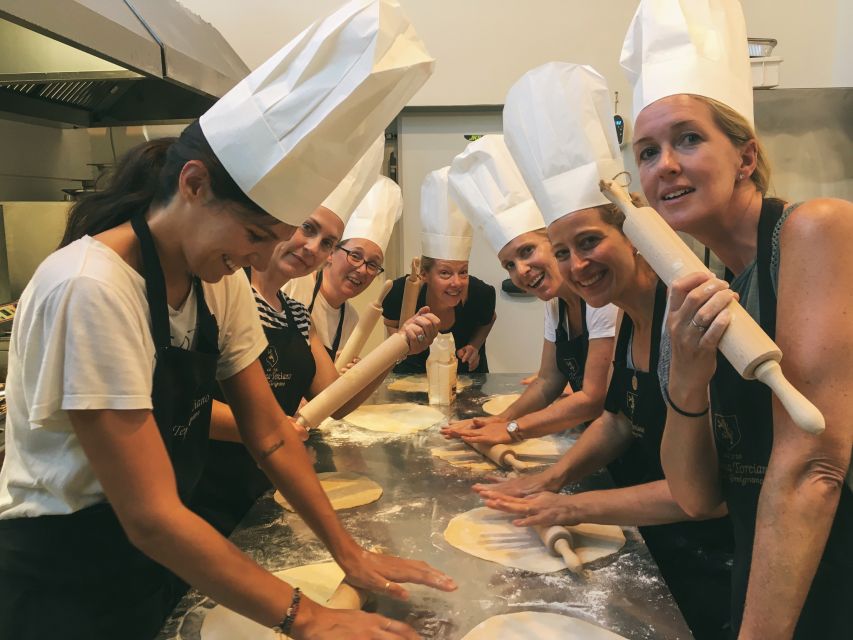
If you’re choosing a pasta class, you’re really choosing an atmosphere. This one takes place at the kitchen of Tenuta Torciano, a family-run estate in San Gimignano—so you’re not in a demo studio or a classroom-with-chairs. You’re working where the food culture belongs.
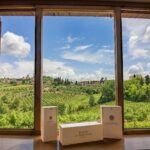
San Gimignano itself has that layered medieval feel, but the experience here keeps you close to the countryside side of Tuscany. You get the sense of place: this isn’t just about making pasta; it’s about how Tuscan people actually eat and drink. The views in the wine-country area don’t hurt, either. They make the break between tasks feel like part of the day, not a pause while you wait to be entertained.
One more detail I appreciate: this is described as skip-the-line access through a separate entrance. That’s small, but it helps you start on time and not lose energy wrestling with queues.
You can also read our reviews of more tours and experiences in San Gimignano.

From flour choice to shaped pasta: what you’ll learn in 2 hours
The class is about 120 minutes, and it’s designed so you’re not guessing. You start with the fundamentals—ingredient selection and dough success—then you move quickly into the motions you need to shape real Tuscan pasta.
Here’s how the process unfolds in a way that helps you remember it later:
1) Choosing ingredients for pasta dough
You begin with selecting the right ingredients, including the type of flour. That matters more than people think. Flour isn’t just a grocery item; it affects texture, elasticity, and how the dough handles when you roll and cut.
You also get practical tips and tricks for getting the dough right. This is where classes often go wrong—too much theory, not enough hands-on correction. This one is built around coaching you through the working parts: knead, roll, cut.
2) Knead, roll, and cut—with feedback as you go
The rhythm is hands-on: you knead, roll, and cut. The instructor’s job is to help you fix problems in real time rather than letting you finish with a dough you don’t trust.
In the reviews, Dante is singled out as engaging and helpful. That kind of teaching style matters in a cooking class because pasta is tactile. If you’re told once and you miss the cue, it can throw everything off. A good coach keeps you moving and correcting without shaming you for doing it for the first time.
3) Making three iconic shapes: tagliatelle, pici, ravioli
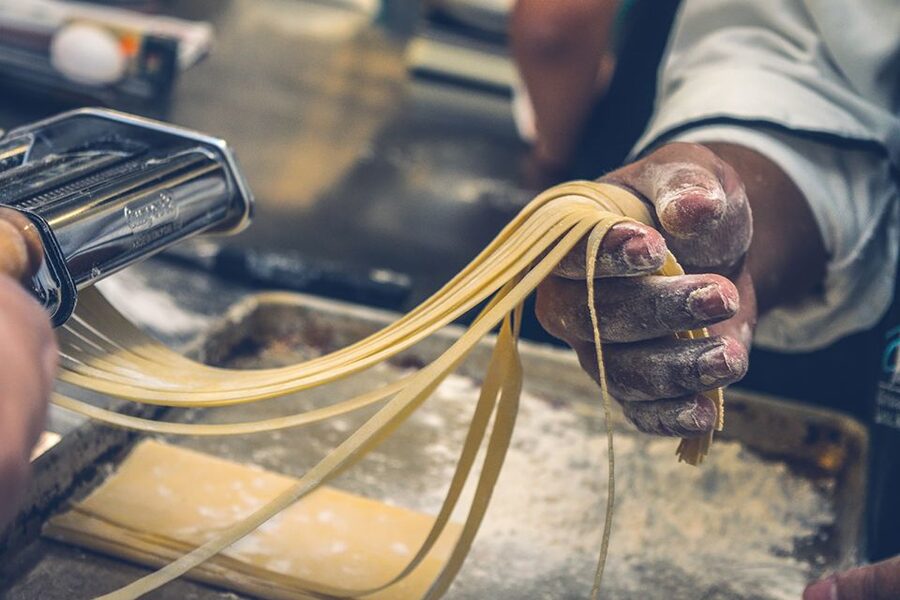
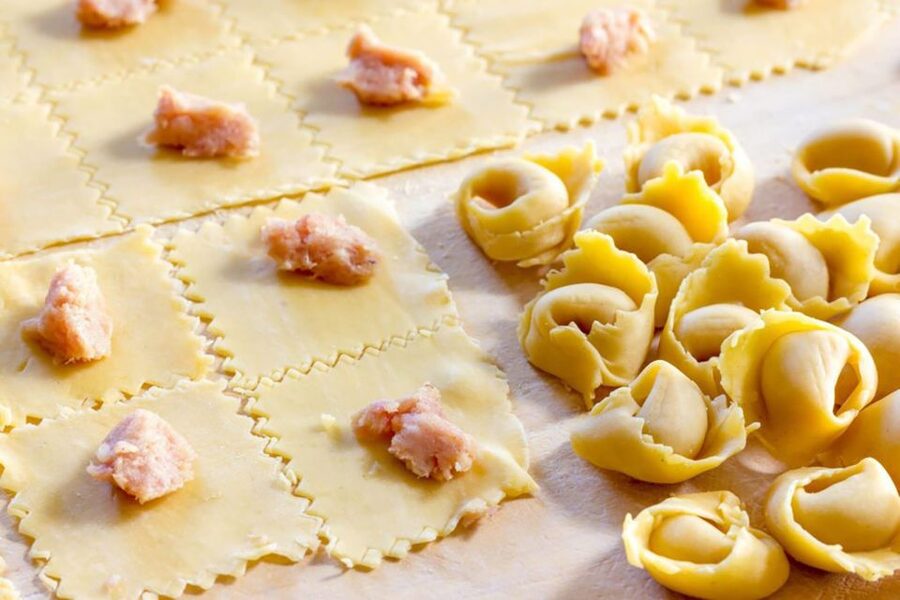
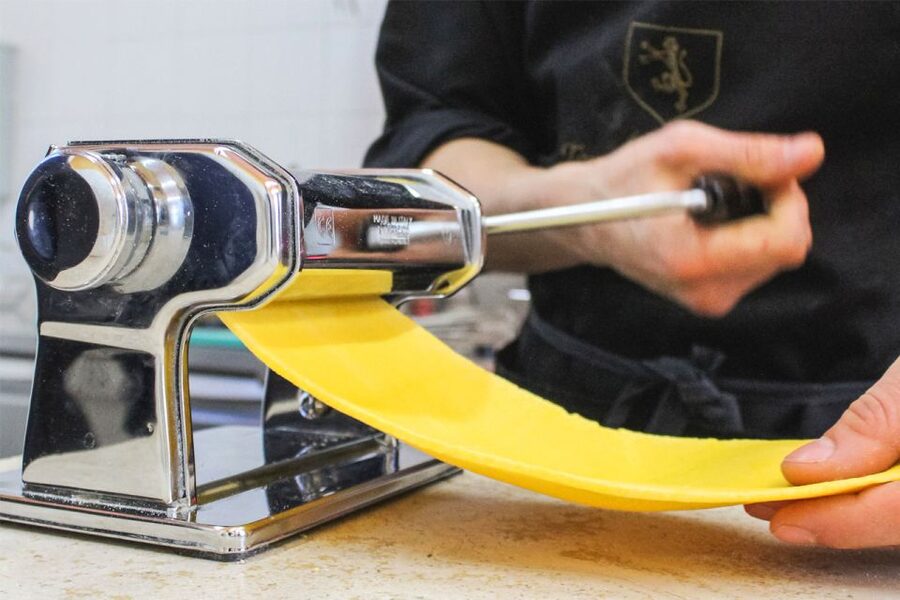
You don’t stop at one pasta. You learn to make three: tagliatelle, pici, and ravioli. Each one teaches a slightly different skill.
- Tagliatelle teaches rolling and cutting into even ribbons.
- Pici focuses on shaping—long, rustic pasta that looks simple but takes practice to get consistent.
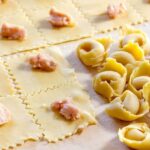
- Ravioli adds structure and attention to edges and filling (even if the class keeps it approachable).
By the end, you’ll have the confidence that comes from actually producing three different results—not just one “nice-looking attempt.”
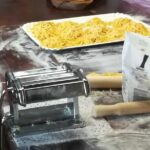
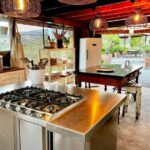
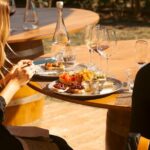
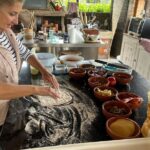
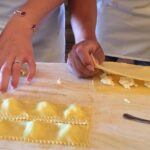
Your meal: Tuscan starters, three pastas, and cantuccini with dessert wine
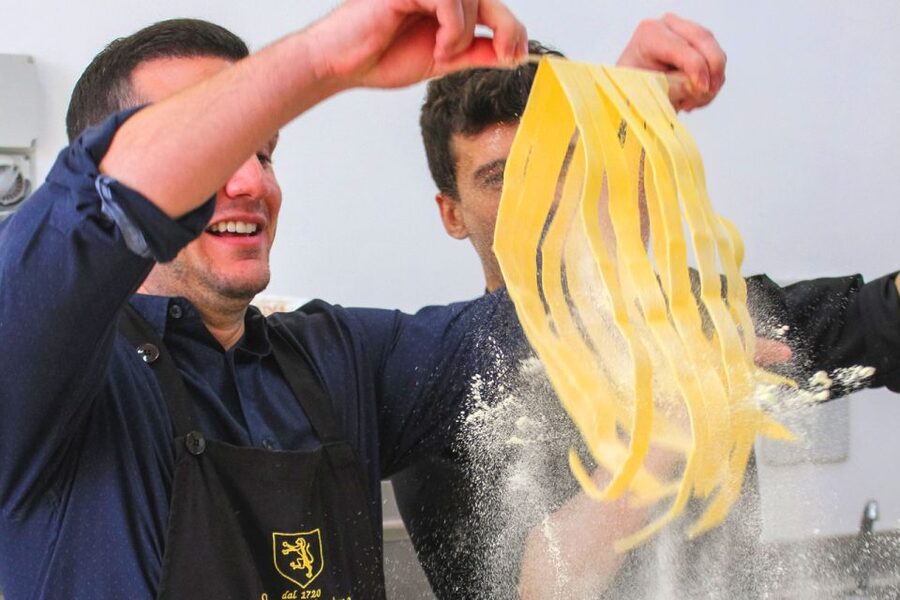
After the dough work, you sit down to eat. The meal portion is about 90 minutes, and it’s built around the pasta you made together.
You’ll start with a classic Tuscan appetizer plate: Tuscan cheeses and cold cuts, plus bruschetta. That’s a good warm-up because it sets the tone—simple ingredients, strong flavors, and no heavy fuss.
Then comes the main event: the first course is three types of pasta prepared together—tagliatelle, pici, and ravioli. This is exactly what you want from a hands-on class. You don’t just learn technique; you get to taste how that technique changes the outcome.
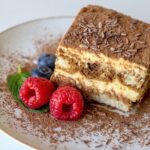
Dessert is cantuccini biscuits served with dessert wine. That pairing is very Tuscan in spirit: sweet, nutty, and made for slow sips rather than rushing to the next thing. If you’re enjoying wine with dinner, this dessert moment helps close the meal in a way that feels complete.
Wine pairing, olive oil, and balsamic: what you’re actually tasting
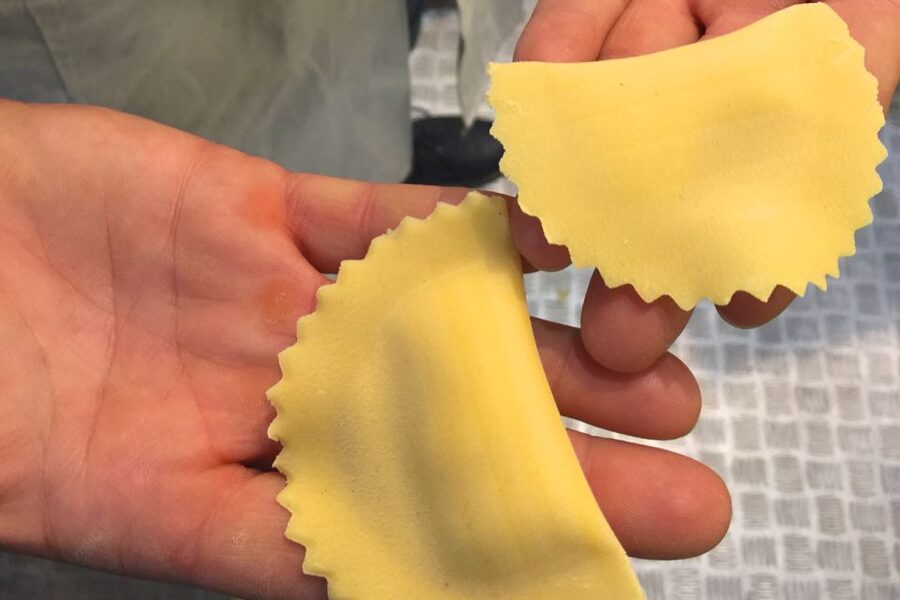
This is a cooking class and a wine tasting, but not in the “sip and smile” way. The plan includes tasting renowned Tuscan wines, plus extra virgin olive oil and balsamic vinegar. That combination matters because it helps you connect flavor to ingredients.
You’ll be tasting alongside the meal, which means you’re not wondering when to drink or how the wine fits. The timing is part of the learning: you eat, you taste, and suddenly the meal makes more sense.
In the stronger reviews, there’s praise for service that keeps wine in your glasses. That may sound like a small comfort, but in practice it changes the pacing of dinner. If your glass keeps getting refilled, you can actually focus on tasting notes and how food + wine work together.
If you’re food-minded, the olive oil and balsamic tasting is a bonus. Even without being a sommelier, you’ll notice how those flavors show up in everything from bread to pasta sauce to how the dessert wine lands.
Who guides you—and why the teaching style matters
The class is led by a professional Italian chef who speaks English, and at least one of the reviews calls out Dante specifically as engaging and friendly. That’s a big deal for a first-time pasta maker.
Good teaching here isn’t about speeches. Pasta needs small cues: how the dough feels, how thick you roll, how you handle edges, how you cut cleanly. An instructor who gives tips and keeps you involved helps you correct mistakes without losing momentum.
The experience is described as family-friendly and suitable for all skill levels. That checks out with the structure: you’re not expected to arrive with pasta-making confidence. You’re expected to learn it during the class.
Also, if you have dietary needs, the provider says you can let them know ahead of time, including options like gluten-free, vegan, vegetarian, or eggless pasta. That’s the kind of flexibility that makes the experience feel less like a standard set menu and more like a customized cooking lesson.
Price and value: is $164.26 per person worth it?
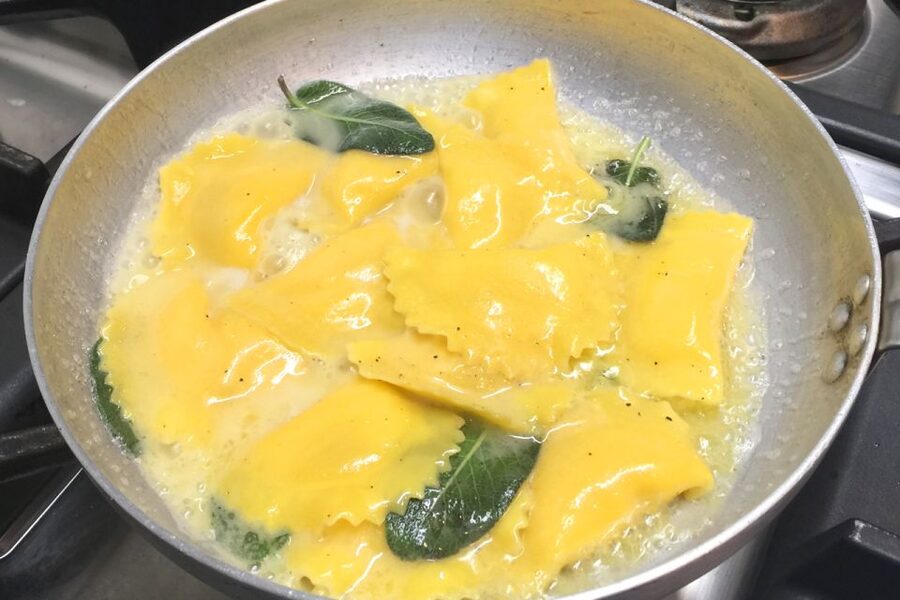
At $164.26 per person for about 3.5 hours, the value depends on what you want from Tuscany.
If you’re looking for a quick tasting tour, this won’t feel like a bargain. But if you want a hands-on skill plus a proper meal, it’s more reasonable. You’re paying for several things at once:
- a guided, chef-led pasta lesson where you make three pasta types
- step-by-step instruction (not just a demo)
- lunch or dinner that includes the pastas you created
- wine tasting with additional tastings (olive oil and balsamic)
- tips and taxes included
In the strongest feedback, people specifically mention that it felt worth the money because the class was fun, the pasta was delicious, and service kept the experience flowing. Based on what’s included, this price tends to make sense for couples and small groups who want a full Tuscan dinner with real participation.
If you’re traveling solo and want to meet people, it can still work, but you’ll likely get the most out of it with at least one partner (since you’ll be sharing a table during the meal).
Timing and practical notes that can affect your day
This experience runs on a tight schedule. The class portion is about 120 minutes, and the meal and tasting are about 90 minutes, so plan to stay fully available for the full block.
One important operational rule: no delay allowed. If you’re late, cancellation policy is applied immediately. That’s not a minor detail—you should treat arrival time like you would a flight connection. Show up early, relax later.
Weather can also matter. The provider notes that adverse weather or extreme temperatures may cause the location to change based on availability. If you don’t accept the variation, you won’t have recourse for what was originally planned. This is typical of working farms and estates where outdoor and indoor space shifts with conditions.
The bottom line: who should book this pasta + wine class
Book it if you want:
- hands-on pasta skills you can actually recreate
- a full Tuscan meal tied to what you cooked
- wine and olive oil tasting that’s part of dinner, not a separate detour
- an English-speaking guide in a family-run setting
Skip or think twice if:
- you’re habitually late (the no-delay rule is real)
- you want winery tours or estate walks as part of the main event (those are not included here)
- you prefer large-group, low-structure experiences over cooking with focused instruction
Should you book this hands-on pasta making and wine tasting?
Yes—if you’re excited to roll dough, cut shapes, and then eat the results with Tuscan wine pairings. The best version of this day is the one where you get an engaging chef (Dante is highlighted for a reason), steady service, and a meal that feels like a celebration of what you made. If timing is your weak spot, adjust your plan and arrive early. Otherwise, this is a smart, value-forward way to experience Tuscany through food you’ll remember.
FAQ
How long is the hands-on pasta making class and wine tasting?
The total experience is about 3.5 hours, with the class taking about 120 minutes and the meal plus tasting taking about 90 minutes.
Where does the class and meal take place?
The cooking classes take place in the kitchen of the family-run Tenuta Torciano in San Gimignano.
Who teaches the cooking class?
It’s led by a professional Italian chef who speaks English. The instructor is listed as Italian and English.
What pasta shapes will I learn to make?
You’ll prepare three pasta shapes: tagliatelle, pici, and ravioli.
What’s included in the lunch or dinner?
Appetizer: Tuscan cheeses and cold cuts, plus bruschetta.
First course: three types of pasta you prepared together (tagliatelle, pici, ravioli).
Dessert: cantuccini biscuits with dessert wine.
Is there a wine tasting included?
Yes. The experience includes a tasting of renowned Tuscan wines, along with balsamic vinegar and extra virgin olive oil tasting.
Can dietary needs be accommodated?
You can request accommodations for dietary needs such as gluten-free, vegan, vegetarian, or eggless pasta, as long as you inform the provider.
Is there free cancellation?
Yes. You can cancel up to 7 days in advance for a full refund.