REVIEW · KANAZAWA
Kanazawa: Authentic Japanese Cooking and Sushi-Making Lesson
Book on GetYourGuide →Operated by 中田料理学園 · Bookable on GetYourGuide
A real kitchen lesson beats another night out. I love how this class mixes pressed sushi technique with Kanazawa-only flavors, and it keeps things relaxed thanks to AI translation. You’re in a long-running family school just a few minutes from Kanazawa Station, and you’ll cook with the kind of ingredients you normally only see behind sushi counter glass.
My second favorite part is the way the chef, Seiji Nakata, makes it hands-on but not intimidating. You’ll also get a photo set and the option to dress in a sushi chef costume for fun, which turns the class into an experience you’ll actually want to remember. One consideration: it’s not a vegetarian class, because the traditional bonito dashi used in cooking can’t be swapped.
In This Review
- Key Points You’ll Care About
- Kanazawa Station to a Family Kitchen in Minutes
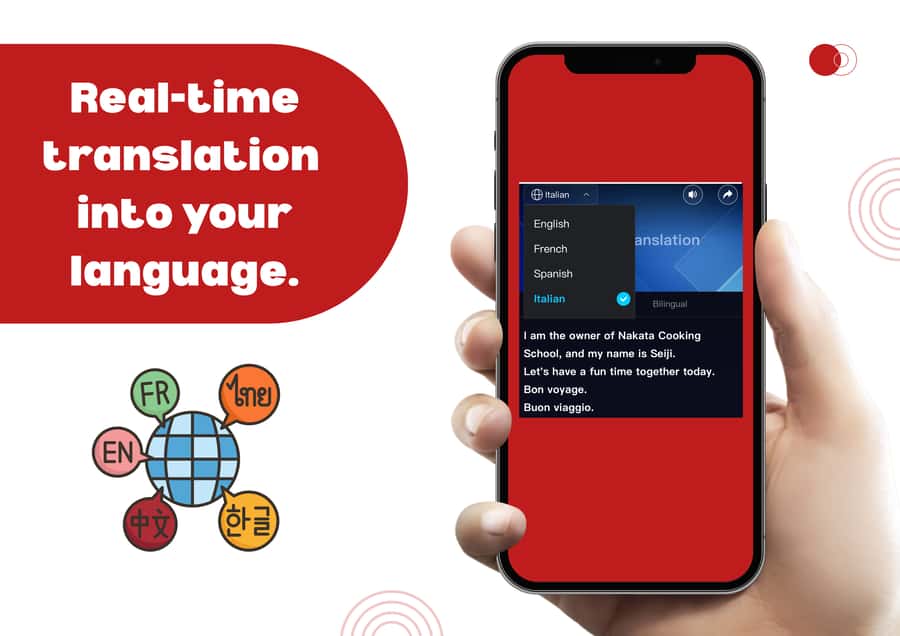
- AI Translation That Actually Lets You Cook, Not Just Listen
- Oshizushi Pressed Sushi with Omicho Market Premium Fish
- Jibuni Stew: Kanazawa’s Only-Here Comfort Dish
- The Dashi Omelet Lesson: Tamagoyaki Texture Without the Mystery
- Everything Else on Your Plate: Sides, Miso Soup, and Small Wins
- Knives, Costume Photos, and Why the “Extra” Stuff Is Smart Value
- Price and What $91 Really Buys You
- Who Should Book This Class, and Who Should Think Twice
- Final Call: Should You Book This Kanazawa Cooking and Sushi Lesson?
- FAQ
- How long is the cooking class?
- Where do we meet?
- Is the class offered in English?
- What will I cook during the class?
- Can you accommodate dietary restrictions?
- Is the classroom accessible for wheelchairs?
Key Points You’ll Care About
- AI translation on large monitors and smart translators so you can follow every step without guessing
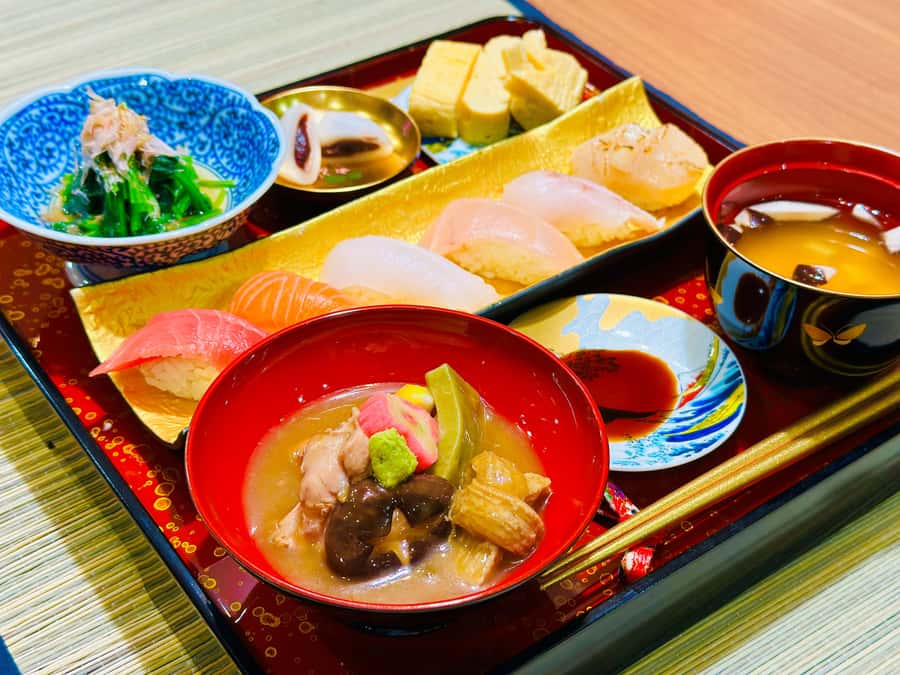
- Oshizushi (pressed sushi) using premium sashimi sourced from Omicho Market’s top fishmonger
- Jibuni stew, a Kanazawa-only dish, with duck or chicken plus fu (wheat gluten cake) and seasonal veg
- Michelin-level rolled egg style dashi omelet technique, aiming for delicate umami and texture
- Smaller group (max 6) for real participation, plus professional souvenir photos
Kanazawa Station to a Family Kitchen in Minutes
The best part about this class starts before you even touch food. You meet just a 3-minute walk from Kanazawa Station East Exit (Kozumon side), and you’ll head into the building and up to the second floor. It’s the kind of location that makes this easy to fit into a busy itinerary, even if your day is already packed.
Inside, the atmosphere feels like a proper cooking school, not a demo where you watch while someone else works. Seiji Nakata and the people running the room guide you step-by-step, and you’ll notice how tidy everything is the moment you arrive. For me, that matters, because if a class is clean and organized, you can focus on cooking instead of worrying.
If you’re worried about being too new to Japanese cooking, relax. The whole format is designed around simple, teachable moves. You also get Japanese tea and an email with detailed recipes for everything the day before, which helps you show up less like a tourist and more like a student.
One practical note: there’s no lift, so the second-floor classroom is a stair climb. Also, this isn’t aimed at kids under 12, and it’s not recommended for wheelchair users or visually impaired travelers based on the setup.
You can also read our reviews of more tours and experiences in Kanazawa.
AI Translation That Actually Lets You Cook, Not Just Listen
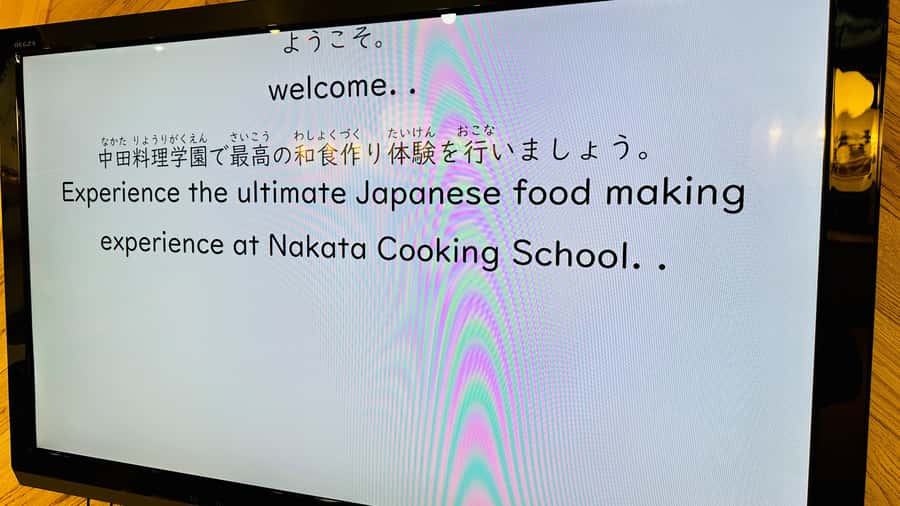
A lot of classes claim language help. This one provides it in a way that changes how you experience the lesson. You’ll get AI-based translation support displayed on large monitors, plus rental smart translators if you want them. During cooking, that matters. You can check what you’re doing, understand the why behind technique, and keep pace when everyone is moving at once.
Seiji’s English is good, but the translation system fills in the gaps with real-time clarity. In practice, it means you’re not stuck waiting for someone to repeat instructions slowly, or smiling politely while doing something you don’t fully understand.
This is also a class where the group size stays small. With a maximum of 6 participants, you’re not lost in a crowd. You’ll actually get your hands on the tools, ingredients, and cooking steps. That’s one reason the experience feels less like a show and more like a team effort.
Oshizushi Pressed Sushi with Omicho Market Premium Fish
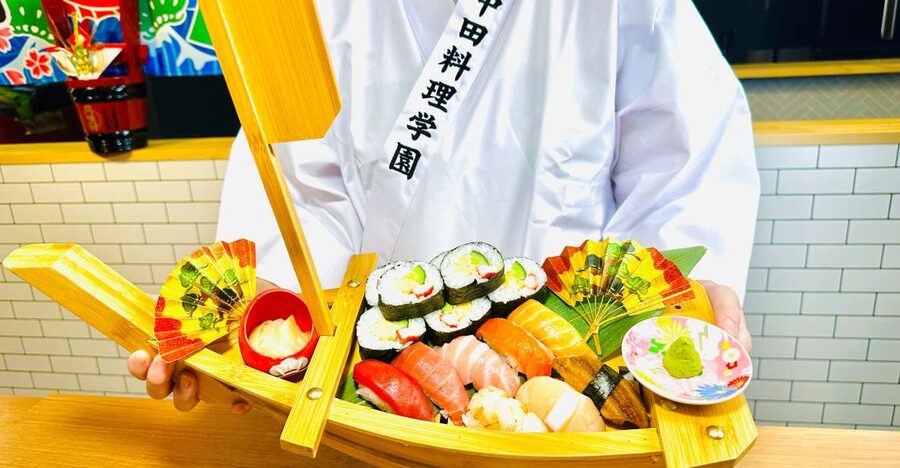
Let’s talk sushi, because the centerpiece here is oshizushi (pressed sushi). Instead of generic supermarket fish, you’re working with top-grade sashimi sourced from Omicho Market’s best fishmonger. Kanazawa’s seafood culture is a big deal, and being able to cook with high-quality fish is exactly why this class feels different from many sushi-making experiences.
Oshizushi has a satisfying logic to it: you build the sushi by layering and pressing rather than rolling. You learn technique you can repeat later, which is more useful than just knowing how to make a single roll. The goal is clean structure and good balance—rice and toppings that hold together nicely when sliced.
What you might love as a home cook is that you’re learning a method, not just copying a shape. Pressed sushi is more forgiving than raw-fish rolling for beginners, as long as you follow the steps carefully. And because it’s hands-on with fresh fish, the taste lands in that sweet spot between restaurant-level and something you can realistically recreate.
Dietary reality check: sashimi can be replaced with vegetables or egg for the sushi portion, if arranged ahead of time. But if your dietary needs require avoiding animal-based broth entirely, there’s a bigger issue (more on that in the jibuni section).
Jibuni Stew: Kanazawa’s Only-Here Comfort Dish
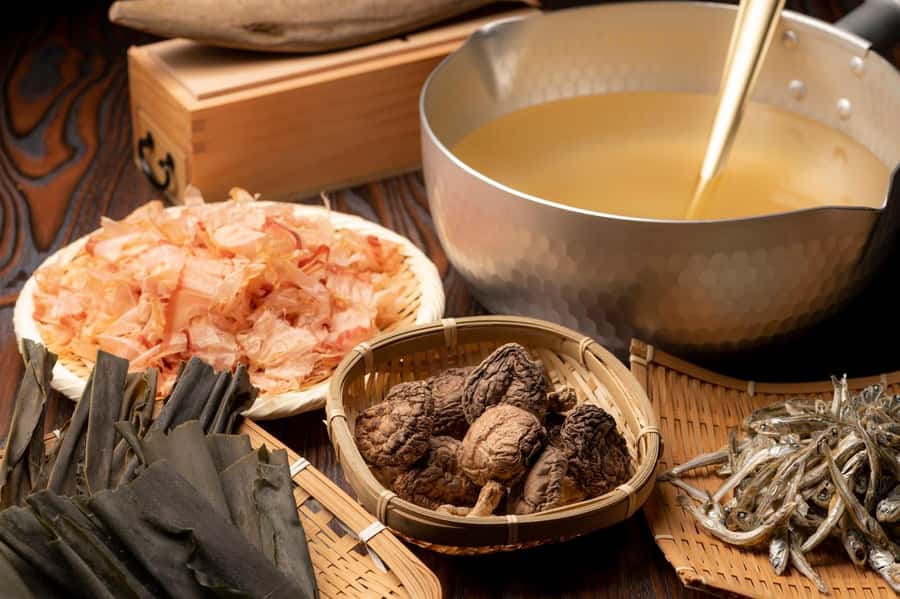
After sushi, the class pivots to jibuni, a dish you basically won’t find outside Kanazawa. Jibuni is a gentle, savory stew made with dashi-based sauce and typically includes duck or chicken, seasonal vegetables, and fu (wheat gluten cake). It’s samurai-era comfort food turned into something refined enough for today.
Here’s what’s actually educational: you learn why the flavors work. Dashi gives the stew its backbone, and the proteins and fu soak it up in a way that feels hearty without being heavy. Jibuni also has a rhythm to it—simmering and building flavor rather than rushing the pot.
If you can do dairy-free and non-vegetarian options, you’re set. The class can handle minor adjustments by prior request:
- Chicken can be substituted with tofu or vegetables
- Sushi fish can be swapped for vegetables or egg
But there’s one hard limitation. The stew uses traditional Japanese dashi made with bonito (fish flakes), and that cannot be replaced. So strict vegetarians or vegans who avoid animal-based broth won’t be able to participate as offered.
This is the kind of honest limitation that keeps the class realistic. You’re not being pushed into a fake substitute that ruins the dish. Instead, you’re told what’s possible ahead of time.
The Dashi Omelet Lesson: Tamagoyaki Texture Without the Mystery
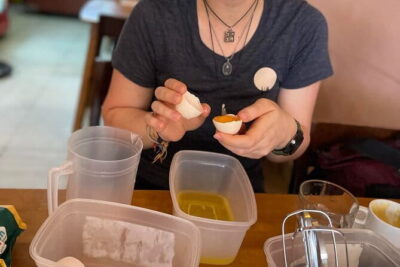
Next comes the part that surprised me in a good way: the dashi omelet, rolled in a style meant to hit that delicate, umami-rich balance you associate with higher-end Japanese cooking. The course frames it as Michelin-inspired rolled egg, and you’ll be working through technique rather than just tasting.
Tamago-style omelets can feel intimidating because timing and rolling matter. In this class, the structure helps. You’ll practice steps with guidance, and you’ll learn what “done” looks like—texture, thickness, and how the roll should feel when you cut it.
You’re also learning dashi flavor in a different form than soup or stew. That’s useful if you want to cook Japanese food at home, because you’ll start recognizing dashi as a tool, not just an ingredient.
Expect to end this portion feeling more confident with egg cooking than you did at the start. Even if you don’t plan to become a tamagoyaki machine, understanding the texture target helps every egg dish you make after.
Everything Else on Your Plate: Sides, Miso Soup, and Small Wins
Alongside the sushi, jibuni, and omelet, you’ll also get seasonal side dishes and miso soup. The included meal isn’t tiny. You’ll cook and then eat what you made, plus dessert as part of the total included courses.
One of the best value signals here is that the class doesn’t treat you like a visitor watching food happen. You’re part of the process, and you leave full with food that tastes like it came from a real kitchen.
You’ll also get detailed recipes emailed the day before, which makes this a practical souvenir. It’s one of those rare cooking experiences where you can keep learning after you leave, instead of relying on shaky memory.
Knives, Costume Photos, and Why the “Extra” Stuff Is Smart Value
This experience adds fun touches, but they’re not just for show.
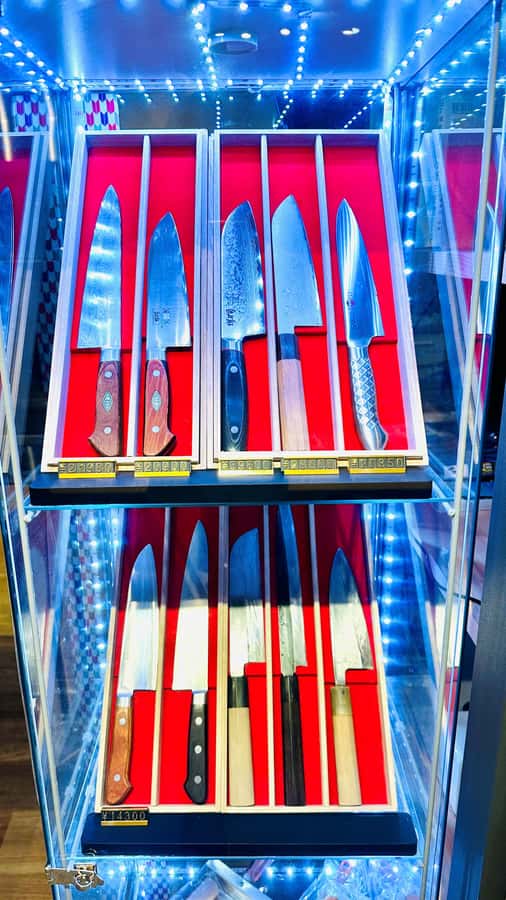
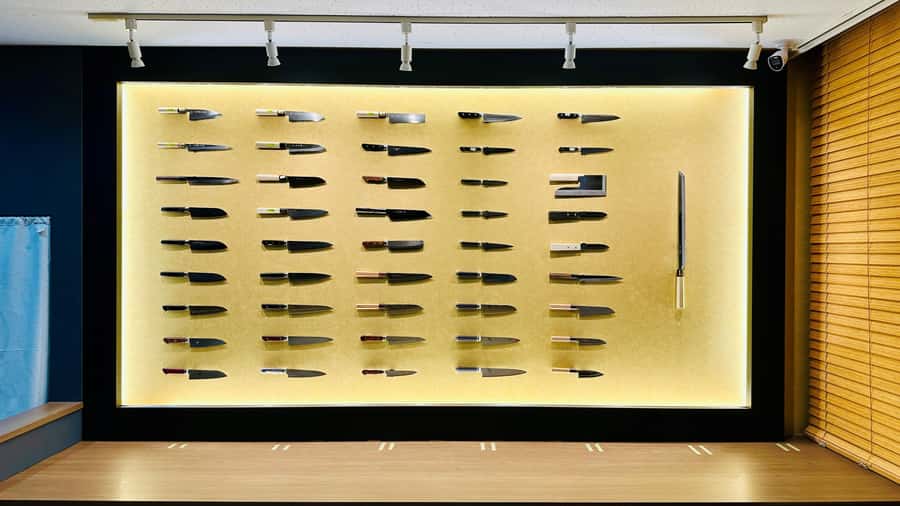
You’ll have access to Japanese kitchen knives—including mentions of the oldest Japanese brand kitchen knives—available at duty-free prices. Even if you don’t buy, it’s still interesting to see what professional tools feel like and how that relates to technique. If you do shop, it’s an easy way to bring home something useful instead of another fridge magnet.
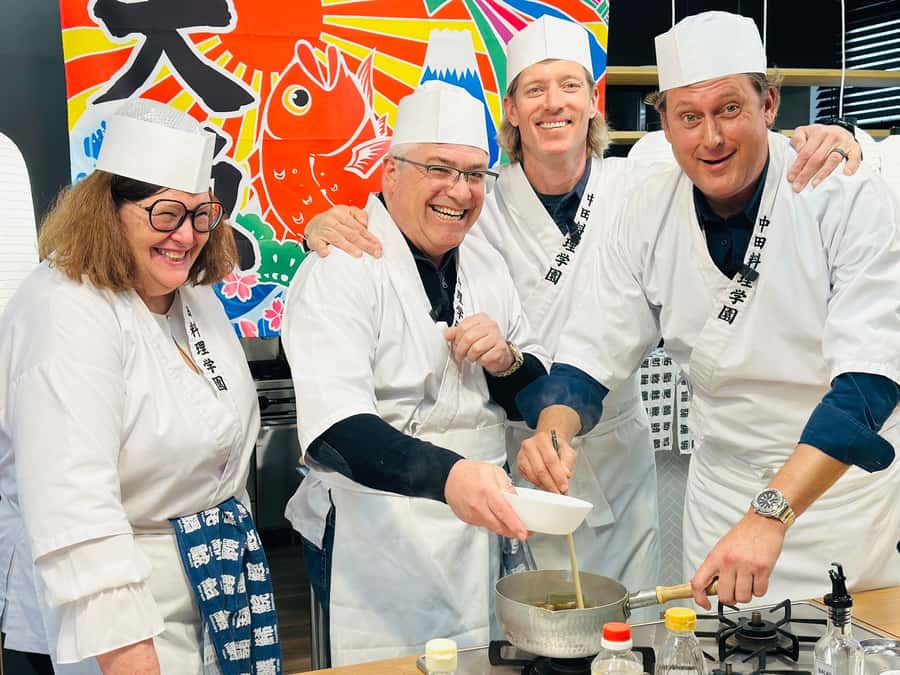
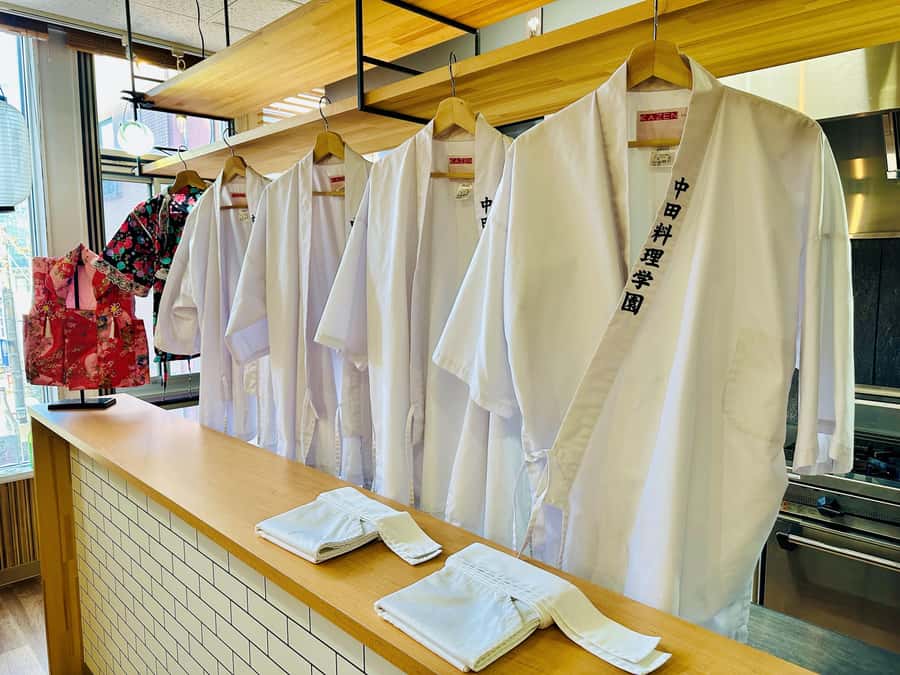
Then there’s the dressing up. You can wear a custom sushi chef costume, and yes, you’ll use it for photos. The staff also provides high-quality souvenir photos during your experience. It’s the kind of small thing that makes the class feel like a memory-making moment, especially if you’re traveling with family or friends.
Seiji and his wife run the place with warmth and humor. Reviews mention how welcoming they are, but you’ll feel it instantly in the room: it’s friendly, interactive, and designed to reduce that awkward first-minute hesitation.
Price and What $91 Really Buys You
At about $91 per person for roughly 2.5 hours, this can feel high if you compare it to casual group cooking demos. But compare it to what you’re actually making and the logistics that come with it.
You’re paying for:
- Premium Omicho Market fish used for sushi
- A full menu that includes sushi, jibuni, and a rolled dashi omelet plus sides and dessert
- AI translation gear that lets you understand each step
- Costume rental and professional photos
- Instruction in a small group (max 6) format
- Recipes emailed ahead of time
That mix is why the class reads as good value. You’re not just buying food; you’re buying technique, context, and tools for repeating it at home.
Who Should Book This Class, and Who Should Think Twice
I think this is a great fit if you:
- Want a hands-on cooking experience, not a watch-and-hope demo
- Like Kanazawa-specific food, especially jibuni
- Want sushi technique you can reproduce later
- Appreciate language support that doesn’t slow the class down
It may not be a fit if you:
- Need a strictly vegetarian or vegan option, because traditional dashi with bonito is used
- Have limited ability to climb stairs, since the classroom is on the second floor with no lift
- Are traveling with young kids (not suitable for children under 12)
- Need accommodations for visual impairment, because the format isn’t stated as suitable
If you’re unsure about dietary needs, tell the team at booking time. The class can handle small substitutions with prior request, but it can’t change same-day ingredients.
Final Call: Should You Book This Kanazawa Cooking and Sushi Lesson?
If you want one afternoon in Kanazawa that feels genuinely local, this is an easy yes. The location near Kanazawa Station makes it practical, and the cooking format makes it worthwhile. You’ll leave with sushi you made yourself, a stew that’s truly Kanazawa, and an egg technique you can use again.
I’d book it unless you’re strictly avoiding animal-based broths. If that applies, you’ll likely run into the bonito dashi limitation. But if your diet allows dashi and you’re okay with the seafood-based foundation, this class is one of the better ways to learn Japanese technique while eating well.
FAQ
How long is the cooking class?
The class runs for about 2.5 hours.
Where do we meet?
You meet at a location about 3 minutes from Kanazawa Station East Exit (Kozumon side). Enter through the building’s silver door and go to the second floor classroom.
Is the class offered in English?
Yes. Instruction is available in Japanese and English, and you’ll also have AI translation support with monitors and smart translators.
What will I cook during the class?
You’ll make pressed sushi (oshizushi), jibuni stew, and a dashi omelet, plus seasonal side dishes, miso soup, and additional included desserts/foods.
Can you accommodate dietary restrictions?
Minor adjustments are possible by prior request, such as replacing sashimi with vegetables or egg and substituting chicken in jibuni with tofu or vegetables. However, traditional dashi made with bonito cannot be replaced, so strict vegetarians or vegans can’t be accommodated.
Is the classroom accessible for wheelchairs?
No. The classroom is on the second floor and there is no lift, so it’s not suitable for wheelchair users.