REVIEW · KYOTO
Sushi – Authentic Japanese Cooking Class – the best souvenir from Kyoto!
Book on Viator →Operated by Japanese Cooking Class Roujiya · Bookable on Viator
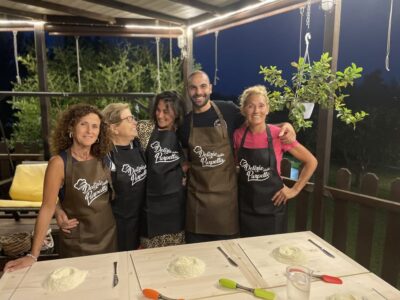
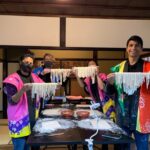
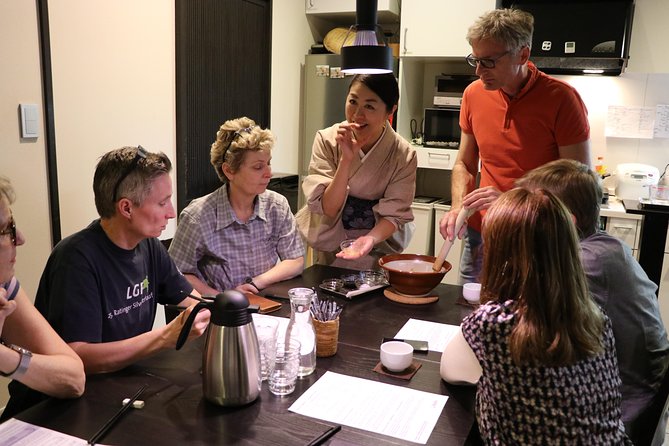
Sushi in Kyoto is a grown-up souvenir. In Japanese Cooking Class Roujiya, I love the hands-on sushi-making and the table-manners coaching that goes with it. You’re not just watching—small-group instruction helps you nail the steps, then sit down and eat what you made.
One thing to plan for: there’s no hotel pickup, and Kyoto addresses can be fiddly. If you come late or get confused on the pin location, you’ll feel it fast.
In This Review
- Key highlights worth carving into your Kyoto schedule
- More than sushi: why the etiquette lesson is the secret sauce
- Roujiya and Kaori: a small-group class that feels personal
- Your 2-hour lineup: sushi rice, dashi soup, and pickled ginger
- Learning the sushi-making challenge (and why it’s worth it)
- The sit-down meal: you eat your work, with tea and an aperitif
- English instruction and the take-home recipe pack
- Price and value: is $72.67 actually fair?
- Logistics in Kyoto: meeting point, getting there, and starting on time
- Who should book this class in Kyoto (and who might not love it)
- Should you book Japanese Cooking Class Roujiya?
- FAQ
- How long is the Kyoto sushi cooking class?
- What time does the class start?
- Is hotel pickup included?
- What’s included in the price?
- Is the class taught in English?
- How many people are in the group?
- Can I request dietary requirements?
- Do I need to print anything?
- Is there free cancellation?
Key highlights worth carving into your Kyoto schedule
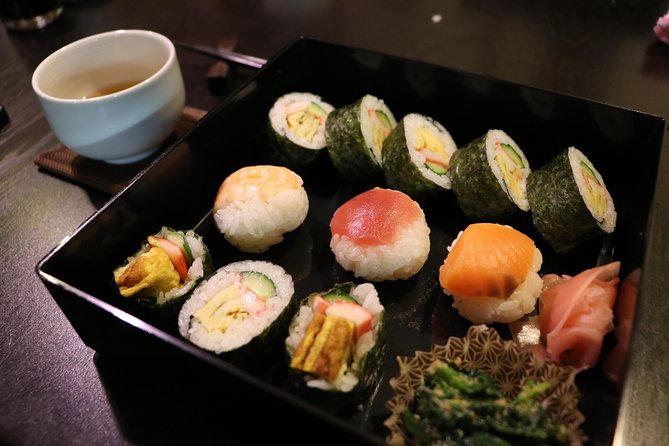
- Small-group energy: capped at a small number of people, so you get real attention while you cook
- Kaori’s kitchen, not a demo room: you’re taught in a home-style setting with a relaxed pace
- Sushi etiquette lesson included: how to handle, eat, and order sushi properly
- You cook more than sushi: sushi rice plus Japanese soup and pickled ginger
- Take-home recipes: you leave with written instructions to recreate the results at home
- Tea and an aperitif to start your meal: the class builds toward a proper sit-down dining experience
More than sushi: why the etiquette lesson is the secret sauce
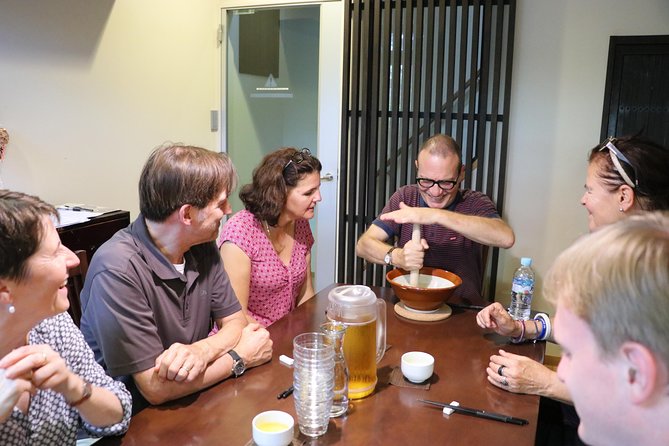
Most sushi classes focus on rolls. This one also focuses on the rules that make sushi feel natural in Japan. You get guidance on Japanese table manners—the kind of details that help you avoid the awkward start when you sit down at a sushi counter later.
In practice, etiquette here isn’t just hand-waving. You learn how Japanese dining is meant to flow, and you also learn how ingredients and techniques connect to taste. That means you’ll eat your own sushi with better instincts, not just with pride that you assembled it correctly.
And yes, it’s fun. When a class teaches you the why behind the how, the whole experience clicks.
You can also read our reviews of more tours and experiences in Kyoto.
Roujiya and Kaori: a small-group class that feels personal
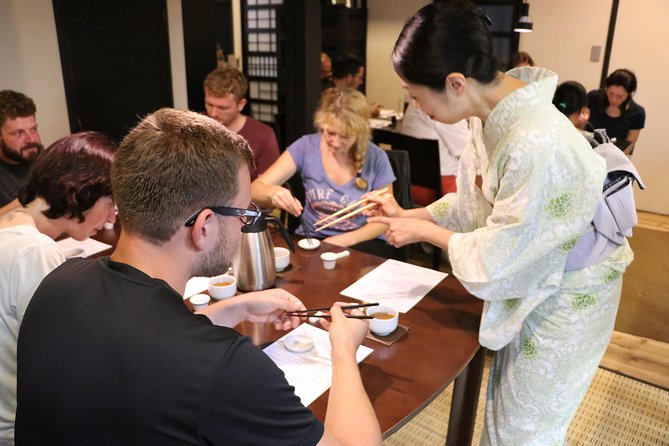
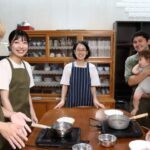
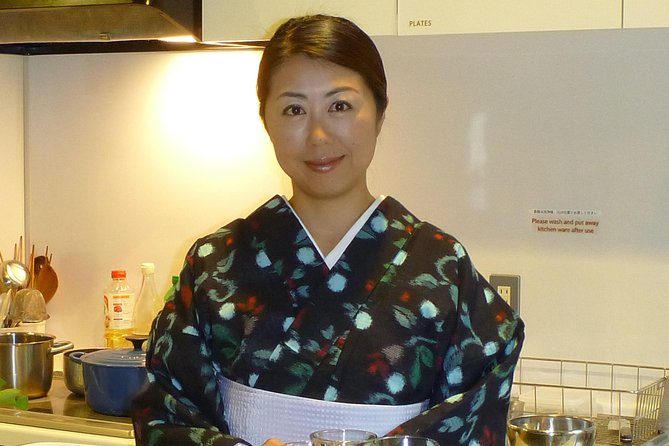
The setting is one of the big reasons this class earns such strong ratings. You’ll be welcomed into the kitchen of Kaori, who has extensive cooking experience and teaches in English. Reviews repeatedly describe her as friendly, patient, and thorough—someone who makes the steps feel doable even if sushi rice has always looked intimidating.
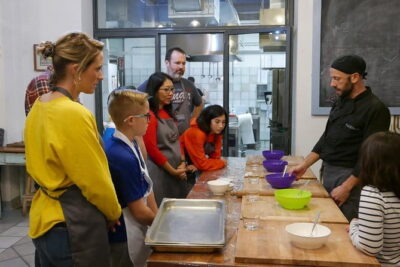
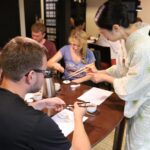
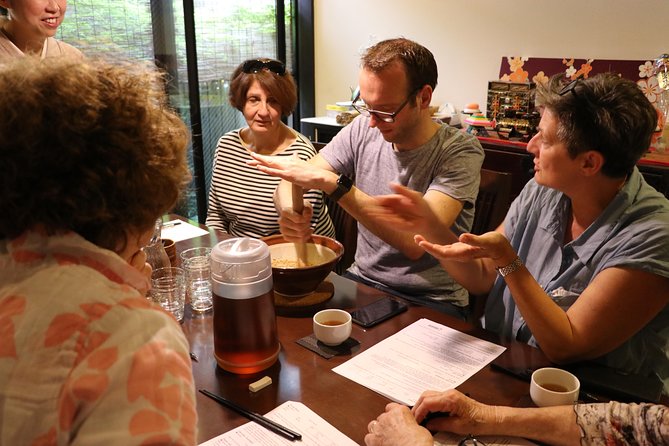
Small group matters more than people think. With fewer people at the table, you’re more likely to get corrections while your sushi rice is still warm and your hands are still learning. You’ll also spend more time asking questions, and less time waiting for the next demo step.
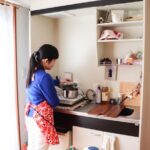
Another nice touch: the class is designed to feel like you’ve been invited somewhere, not dragged through a production line. That home-kitchen vibe helps you focus on learning without the performance pressure.
Your 2-hour lineup: sushi rice, dashi soup, and pickled ginger
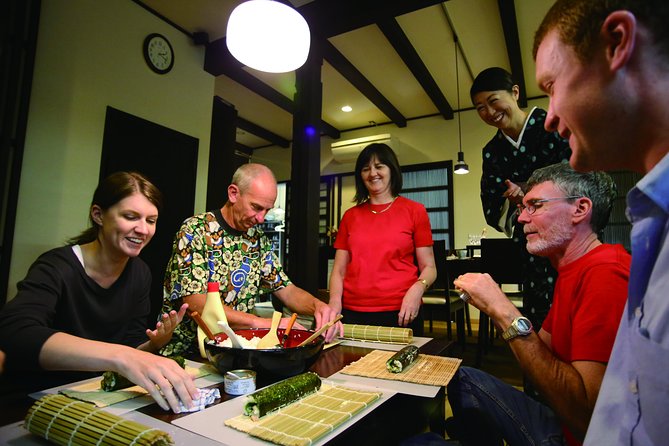
This is a compact class, but it covers a lot of ground. Plan for about two hours, and expect the day to include both cooking and eating at a comfortable pace.
Here’s what you should be ready to make:
- Sushi rice (you’ll learn how to prepare it so it has the right texture and seasoning balance)
- Japanese soup (including dashi as a key flavor foundation)
- Pickled ginger (the bright, cleansing side you’ll actually understand after making it)
You’ll also get a structured progression through the meal. It typically starts with Japanese soup, then moves into sushi rice techniques, then the assembly of multiple sushi types. Even if you’re new, the course is designed so you can build confidence step by step.
A couple of specific technique ideas show up in the class experience:
- You learn about umami, the savory depth that powers Japanese cooking.
- You make dashi using seaweed and bonito flakes (at least one review calls out that exact pairing).
- You’ll learn why the rice needs attention—one review highlights the habit of fanning the sushi rice during preparation, which makes sense once you’ve seen the goal.
What I like about this menu is that it teaches you building blocks, not just a finished plate. When you learn how dashi and rice seasoning work, you can meaningfully adjust at home later.
Learning the sushi-making challenge (and why it’s worth it)
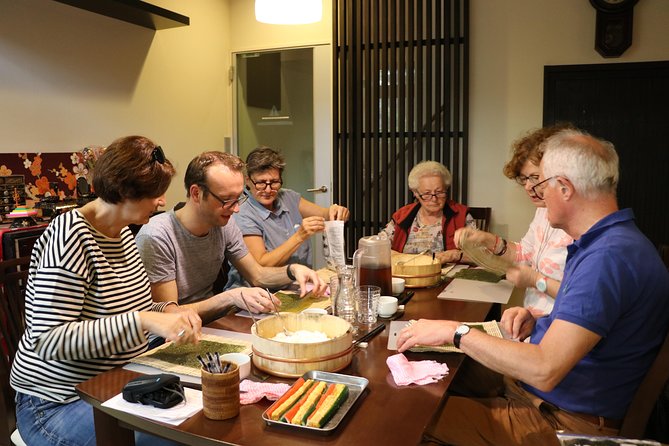
Sushi is one of those dishes people think is simple—until they try it. The rice is the main test. You need the right stickiness, the right temperature, and the right seasoning distribution. Getting it wrong is easy; getting it right takes a few repetitions, which is exactly what a hands-on class gives you.
During this workshop, you’ll practice the process instead of memorizing a recipe. That’s the difference between a good souvenir and a useful one. You’ll leave with the confidence to do it again without freezing the moment you’re alone with your cutting board.
You’ll also learn that sushi isn’t only about fish. The class approach makes the supporting cast feel important—soup and pickled ginger aren’t afterthoughts. They balance the meal and show how Japanese dining is built as a sequence of complementary flavors.
The sit-down meal: you eat your work, with tea and an aperitif
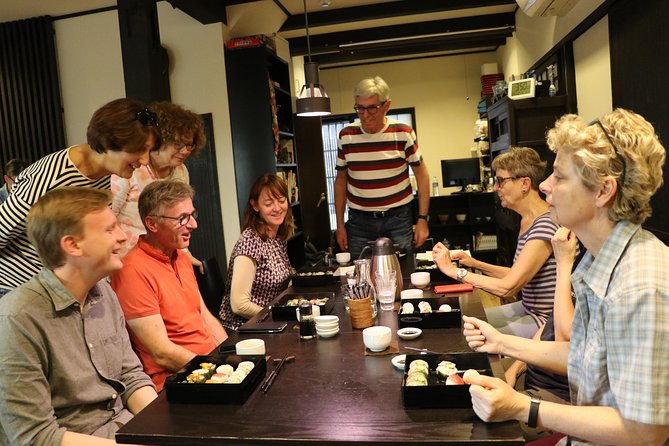
One of the best parts is that the class doesn’t end when the cooking ends. You’ll have an aperitif and Japanese green tea that complement your meal, and you’ll eat the sushi creations you made.
That matters because you get immediate feedback from taste and texture. Sushi rice is hard to judge while you’re focused on the hands-on steps. Once you’re eating, you can tell what worked and what you might refine next time.
Also, the class includes Japanese culinary history while you eat. That background helps you understand why certain choices exist—why techniques are repeated, why ingredients are treated with care, and why etiquette is part of the experience instead of a separate lecture.
In at least one review, the host mentioned tea plus additional drinks like sake or beer after class as an extra expense. That suggests the meal can feel like a proper end-of-class treat, even if you’re not counting on alcohol as part of the base package.


English instruction and the take-home recipe pack
If you’re worried about language barriers, this is a straightforward choice. The class is taught in English, and you’ll also receive recipes to take home.
In reviews, people mention detailed written guidance—one standout detail is a multi-page guide that covers Japanese manners plus recipes for sushi rice, soup, and pickled ginger. Even if your handwriting skills aren’t great, having a clear step-by-step reference makes it much easier to recreate results.
This is one of the highest-value parts of a cooking class: the portion you can repeat later. A lot of experiences are fun in the moment and then disappear. This one gives you something durable.
Price and value: is $72.67 actually fair?
At $72.67 per person, you’re paying for more than ingredients. You’re paying for:
- a small-group teaching format (less crowding, more help)
- instruction in English
- the full set of ingredients
- the meal you cook
- an aperitif and Japanese green tea
- and recipes you keep
Compare that to paying for a sushi lunch plus a market visit plus time spent trying to translate techniques from videos. The class collapses all that into two hours, with a real person guiding the critical steps.
Also, sushi skills have a “high fun per dollar” ratio. If you’re even mildly interested in Japanese food, learning sushi etiquette and rice technique is a souvenir you’ll use—then show off—at home.
The only time the price feels steep is if you’re mainly looking for a quick food stop with no interest in skills. If you want cooking, this is priced like a serious workshop, not a casual tasting.
Logistics in Kyoto: meeting point, getting there, and starting on time
This class starts at 11:30 am and ends back at the meeting point. There’s a mobile ticket, and the meeting address is:
Roujiya, 22-58 Nishinokyo Ikenouchichō, Nakagyo Ward, Kyoto 604-8375
It’s described as being near public transportation, which helps. Still, Kyoto addresses can be confusing for taxis and some delivery-style navigation apps.
My advice: plan a buffer. Bring up the exact pin or directions you’re given when you book. If you’re arriving from sightseeing, give yourself time to get oriented before class starts. There’s no hotel pickup to save you if you get turned around.
Who should book this class in Kyoto (and who might not love it)
This one is ideal if:
- you want an authentic Kyoto experience that feels like a real home-style lesson
- you care about sushi etiquette, not just rolling techniques
- you’d enjoy learning dashi and umami principles, which make Japanese cooking easier to understand later
- you like small groups and hands-on instruction
It’s also great for people who have tried sushi once or twice but never learned how to make rice properly. Reviews include plenty of first-timers who left able to repeat the process at home.
You might skip it if:
- you’re only looking for a simple meal and don’t want to cook
- you hate navigating without pickup (since hotel pickup isn’t included)
- you have dietary restrictions and want the class to guarantee a specific substitution plan (the booking info asks you to advise dietary requirements, but the details of accommodations aren’t spelled out)
Should you book Japanese Cooking Class Roujiya?
Yes, if you want a Kyoto souvenir you’ll actually use. A small-group sushi lesson with Kaori’s guidance gives you two things that travel memories rarely provide: skills and context. You’ll learn rice technique, Japanese soup foundations like dashi, pickled ginger, and the etiquette that makes sushi dining easier back home too.
Book it if you’re comfortable meeting at a specific address and you’re willing to show up a little early. If you want a low-effort food stop with no cooking, look for a tasting-only option instead.
If you’re on the fence, the clearest deciding factor is this: do you want to come away with the ability to make sushi, not just the feeling that you ate great sushi in Kyoto?
FAQ
How long is the Kyoto sushi cooking class?
The class lasts about 2 hours.
What time does the class start?
The start time listed is 11:30 am.
Is hotel pickup included?
No. Hotel pickup and drop-off are not included.
What’s included in the price?
The meal, all ingredients for cooking, an English-speaking instructor, recipes, an aperitif, and Japanese green tea are included.
Is the class taught in English?
Yes, the cooking instructor is English-speaking, and the cooking is done in English.
How many people are in the group?
The class is capped at a small group size, with information indicating a maximum of 13 per booking and a maximum of 12 travelers for the experience.
Can I request dietary requirements?
Yes. You should advise any specific dietary requirements at the time of booking.
Do I need to print anything?
No. You’ll receive a mobile ticket.
Is there free cancellation?
Yes. Free cancellation is available up to 24 hours before the experience starts for a full refund.