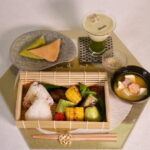
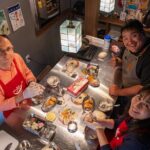
REVIEW · KYOTO
Arashiyama’s Best Vegan Ramen & Gyoza Class
Book on Viator →Operated by Kyoto green cuisine · Bookable on Viator
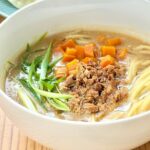
Kyoto vegan ramen that tastes like the real thing. In Arashiyama, this class focuses on real umami and hands-on cooking, not sad substitute food. I like that it’s built to satisfy serious noodle cravings, even if you normally eat meat. One thing to consider: there is a dog on-site, so animal allergies need extra caution.
The two biggest wins for you are the secret umami broth (100% plant-based, dashi-free) and learning how to make it from scratch with kombu, shiitake, and Kyoto vegetables. I also like the “cook and eat with us” setup in a clean home kitchen, which keeps things relaxed and practical.
A possible drawback is timing and expectations. It runs about 2 hours, so you get a focused class, not a long food tour around Kyoto, and the broth work takes attention and patience.
In This Review
- Key Highlights You Should Know
- From Arashiyama Station to a Real Kyoto Kitchen
- What You Actually Learn: Broth Depth and Crispy Gyoza
- The Secret Umami Broth Method (and Why It Works)
- Gyoza From Scratch: The Crisp Part Is the Lesson
- The Home-Kitchen Experience: Friendly, Organized, Clear
- Lunch or Dinner Reservations: How the Timing Feels
- Price and Value: What $65.15 Buys You
- Food Allergies and Animal Allergies: Read This Before Booking
- Quick Practical Tips Before You Go
- Should You Book This Vegan Ramen and Gyoza Class?
- FAQ
- How long is the Arashiyama vegan ramen and gyoza class?
- Where do I meet for the class?
- Is it a group class or private?
- What will I cook during the class?
- Is the ramen broth vegan?
- Are there gluten-free options?
- What is included in the price?
- What drinks are not included?
- What if I have allergies or I’m allergic to animals?
- Can I cancel for a full refund?
Key Highlights You Should Know

- 100% plant-based and dashi-free ramen broth that aims to rival tonkotsu-style richness
- Two types of ramen broth plus crispy gyoza made from scratch
- English-speaking instructor with clear guidance and a friendly, organized flow
- Cook and eat in the home kitchen (lunch or dinner reservation)
- Gluten-free options available, if you need them in advance
From Arashiyama Station to a Real Kyoto Kitchen
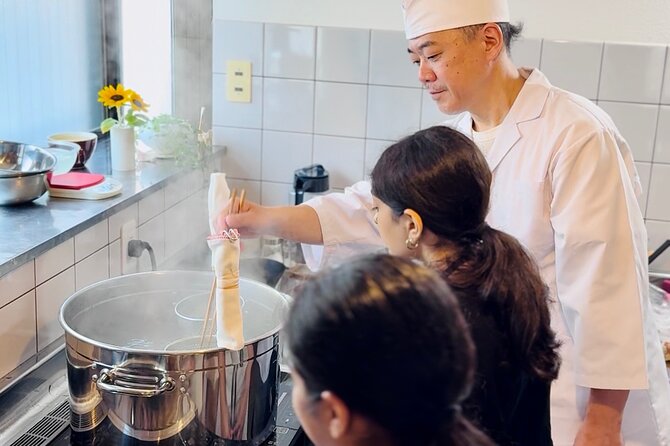
Arashiyama is busy for good reason, but this experience gives you something different: a seat at a home table where you cook your own meal. You meet at Arashiyama Station, then head out with your group and return there at the end. The whole thing is a private tour/activity, so it’s just your party, not a big mixed crowd.
The price is $65.15 per person for about 2 hours, and that matters. You’re not just tasting ramen. You’re learning how to build broth, cook components, and shape gyoza in a guided setting, with recipes to take home. For many people, that’s the value win—less souvenir shopping, more skills you can actually use later.
The setup also feels intentionally practical. You get aprons and towels, bottled water, and tea is freely available. Alcohol and soda/pop are not included, so if you want drinks, you’ll need to plan accordingly.
You can also read our reviews of more tours and experiences in Kyoto.
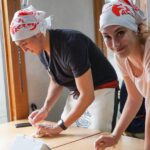
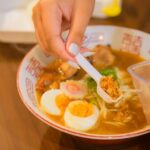
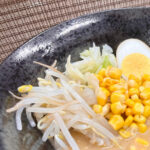
What You Actually Learn: Broth Depth and Crispy Gyoza
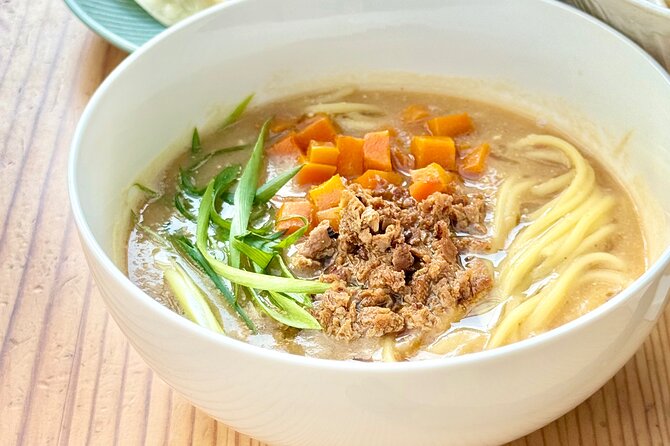
This class is built around one goal: stop thinking of vegan ramen as light or plain. The instructors start from a simple frustration—most vegan versions, in their view, don’t deliver enough umami depth. So they went back to the kitchen in Arashiyama and developed a plant-based broth that targets richness you’d normally associate with meat-based styles.
You’ll make:
- Two types of rich ramen broth (both plant-based)
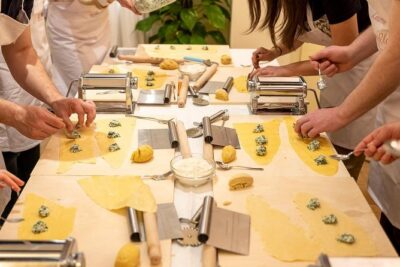
- Crispy gyoza from scratch
That might sound like a lot for a 2-hour session, but the format is designed for momentum. Expect step-by-step instruction, active prep, then eating what you helped create.
A useful detail is that the broth is described as dashi-free. In Japanese cooking, dashi often uses dried fish. Here, you’re building flavor using kombu (kelp), shiitake, and fresh Kyoto vegetables instead. For you, that’s the key takeaway: you’re learning a framework for savory base flavors that doesn’t rely on animal broth.
The Secret Umami Broth Method (and Why It Works)
The class leans hard on layering flavor rather than chasing shortcuts. The instructors’ approach uses:
- kombu for deep savory notes
- shiitake for mushroom umami
- Kyoto vegetables to add sweetness and body
For ramen, those steps matter because broth is the whole experience. If your base is thin, the noodles can’t save it. If it’s flat, toppings feel like decoration instead of support.
What I like for your benefit is the mindset: the instructors say they aren’t trying to convince people it’s good for vegan food. They want you to think it’s simply good ramen. That goal changes how they teach—less “substitute” talk, more real technique.
You also learn that the goal isn’t one flavor. It’s balance: richness plus clarity, savory plus warmth. Even if you never cook ramen at home, you’ll walk away with a better sense of what makes Japanese broths satisfying.
Gyoza From Scratch: The Crisp Part Is the Lesson
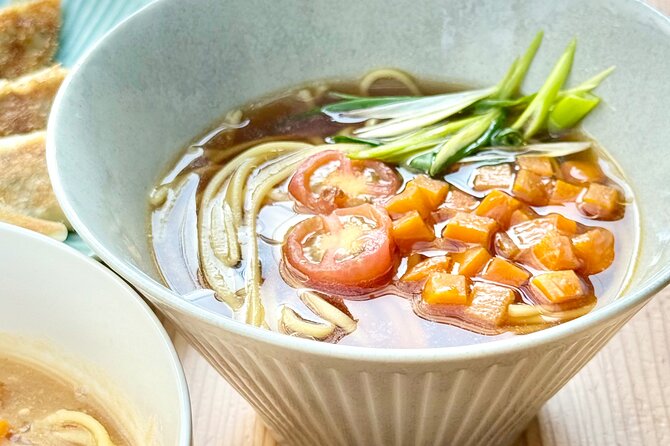
Gyoza is where technique shows fast. You’re making crispy gyoza, and that usually means two things you’ll need to get right: the dough/wrapper handling and the pan method that turns the bottoms crisp without drying everything out.
In a short class window, you’ll likely move through a system rather than an open-ended cooking experiment. That’s good for most travelers. You don’t want vague instructions—you want something repeatable. The class includes recipes, so you can copy the process later instead of guessing what happened.
One more reason I think gyoza fits this class: it’s a texture lesson. Ramen is comfort, but gyoza gives you crunch. That contrast helps you feel like you got a full meal, not just soup.
The Home-Kitchen Experience: Friendly, Organized, Clear
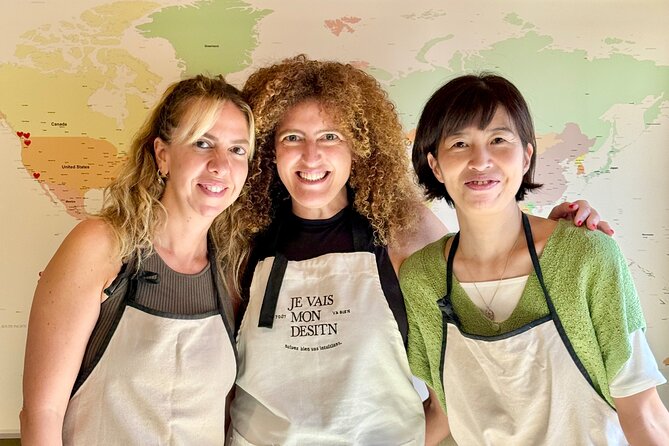
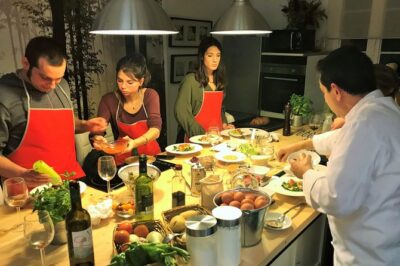
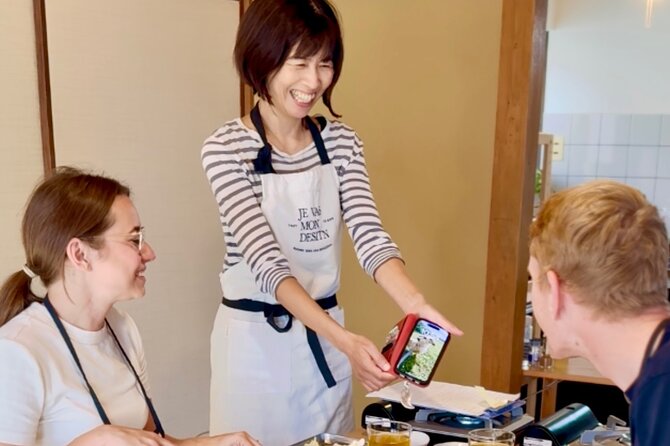
A big part of the class value is the tone. Reviews describe being welcomed into a beautiful and clean home, with clear instruction and a relaxed, friendly environment. That lines up with what you want for a cooking class in Japan: warm hospitality paired with structure so you don’t feel lost.
The instructor names that come up are Satoru and Akiko. Knowing who you’re working with can make the whole thing feel more personal. And when the instructions are organized, you can focus on the cooking instead of translating every step in your head.
You’re also not left to fend for yourself. Bottled water is provided, and tea is available. Everything is set up so you can concentrate on timing—broth doesn’t wait, gyoza doesn’t either.




Lunch or Dinner Reservations: How the Timing Feels
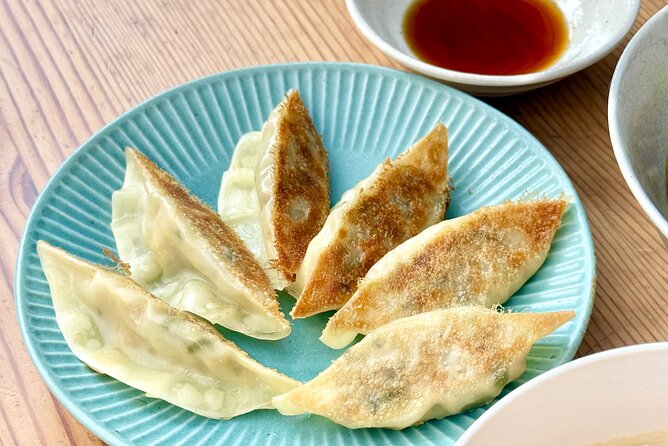
This experience offers either lunch or dinner reservations, and in both cases you cook and eat with the hosts. That’s a meaningful difference from “watch-and-taste” cooking classes. You stay engaged from start to finish.
The duration is about 2 hours. For you, that means:
- you’ll get a complete meal outcome
- the class pace stays tight
- you’ll want to arrive hungry and ready to work
If you plan other Arashiyama sights, keep the rest of your day flexible. After the class, you’ll likely feel satisfied enough that you won’t need a big second meal immediately—but you may still want snacks as you walk the area.
Price and Value: What $65.15 Buys You
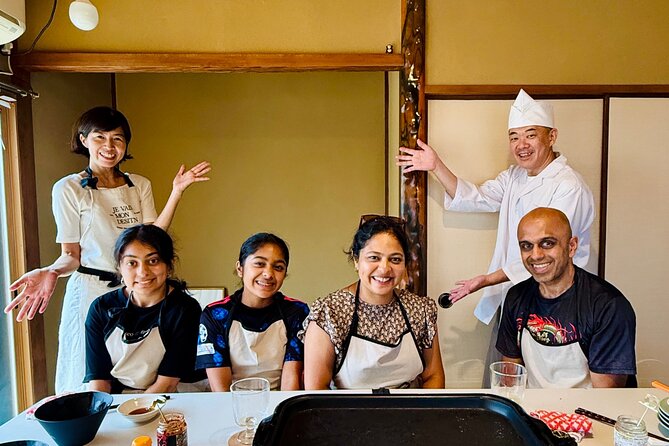
In Kyoto, you’ll find cooking classes that cost less. But many of those are lighter on technique or offer less tangible take-home value. Here, the price buys you:
- hands-on ramen broth building using specific ingredients
- two broth types (more than a single flavor test)
- crispy gyoza made from scratch
- recipes to use later
- an English-speaking instructor
- aprons and towels
- water and tea
Is it a bargain? It’s not the cheapest option. But it’s also not just a tasting. You’re paying for a guided skill session in a home kitchen, with a meal that’s the point of the event. If you like cooking, this price starts to make sense fast.
Food Allergies and Animal Allergies: Read This Before Booking

Two important notes are included:
- There is a dog at the property, so the class is not recommended for people with animal allergies.
- If you have food allergies, you should tell the provider in advance.
That’s not small print. Ramen involves multiple ingredients (kombu, shiitake, vegetables), and gyoza can include additional components. If you have any restrictions, contact them early so they can advise you properly.
If you’re gluten-free, good news: gluten-free options are available. Still, tell them ahead of time rather than assuming. Cooking classes work best when the instructor can plan the workflow around your needs.
Quick Practical Tips Before You Go
Arashiyama is easy to reach, and the meeting point is right by public transportation at Arashiyama Station. That helps you avoid Kyoto’s common “where do I actually start” stress.
Before the class, keep your schedule simple. Bring your appetite, but also bring your patience. Building broth from scratch takes attention, and the class is tight enough that distractions can slow you down.
Also consider your comfort level with cooking stations in a home setup. You’ll be working, tasting, and moving through a sequence. Comfortable shoes help, even if you’re not walking far.
Should You Book This Vegan Ramen and Gyoza Class?
If you want something more meaningful than a standard meal, I think you should book it. This is a cooking class with real broth construction, and the instructors aim for flavor that works for everyone, not just for people avoiding animal products. If you like learning technique, having recipes afterward, and sitting down to eat what you made, you’ll likely love the format.
Skip it (or at least think twice) if you have dog allergies or strict food allergies you haven’t already planned for. Also, if you’re looking for a wide sightseeing day, this is short and focused. It’s designed for cooking and eating, not for covering every Arashiyama landmark in one trip.
FAQ
How long is the Arashiyama vegan ramen and gyoza class?
It lasts about 2 hours.
Where do I meet for the class?
You start at Arashiyama Station (Arashiyama Higashiichikawacho, Nishikyo Ward, Kyoto, 616-0002, Japan) and the activity ends back at the meeting point.
Is it a group class or private?
It is a private tour/activity. Only your group will participate.
What will I cook during the class?
You’ll make two types of ramen broth and crispy gyoza from scratch.
Is the ramen broth vegan?
Yes. The class is described as 100% plant-based and dashi-free.
Are there gluten-free options?
Gluten-free options are available.
What is included in the price?
Included items are water and tea, dinner or lunch (depending on your reservation), aprons and towels, an English-speaking instructor, and cooking recipes.
What drinks are not included?
Alcoholic beverages and soda/pop are not included.
What if I have allergies or I’m allergic to animals?
If you have food allergies, you should inform the provider in advance. The property has a dog, so it’s not recommended for people with animal allergies.
Can I cancel for a full refund?
Yes. Free cancellation is available up to 24 hours before the experience’s start time for a full refund.