REVIEW · MIRISSA
Sri Lanka: Cooking Class
Book on GetYourGuide →Operated by Tourlankaholidays · Bookable on GetYourGuide
Spices and technique are the real stars here. This Sri Lanka cooking class in Kotapola is a hands-on way to learn traditional dishes, with the local focus on rice and coconut. You also get the story behind the flavors, including how outside influences helped shape what Sri Lankans cook today.
What I like most is the practical teaching style, where you’re not just watching—you’re making food, with clear guidance from your English-speaking host. I also love that the experience isn’t only about recipes; you sit down with your hosts afterward, and you get to know their daily life in Sri Lanka. The main consideration: spice levels can be intense, and even when someone asks for less heat, you may still find dishes very spicy, so speak up clearly.
In This Review
- Key highlights you’ll remember
- Kotapola cooking class: where the food story starts
- What you learn: spices, rice, coconut, fish, and fruit
- The hands-on cooking flow (and why timing matters)
- How your host keeps you on track
- A real consideration: spice tolerance
- Eating with your hosts: taste, chat, and daily life
- Price and value: is $50 worth it?
- Getting there: tuk-tuk pickup from your hotel
- Practical tips: what to wear and how to show up
- Who should book (and who should skip)
- Should you book this Sri Lanka cooking class?
- FAQ
- How long is the Sri Lanka cooking class?
- Where does the cooking class take place?
- What is the price per person?
- What’s included in the $50?
- Is hotel pickup and drop-off included?
- Is this class wheelchair accessible?
- What’s the cancellation policy?
- FAQ
- What should I wear to the cooking class?
- Are meals and beverages included?
Key highlights you’ll remember
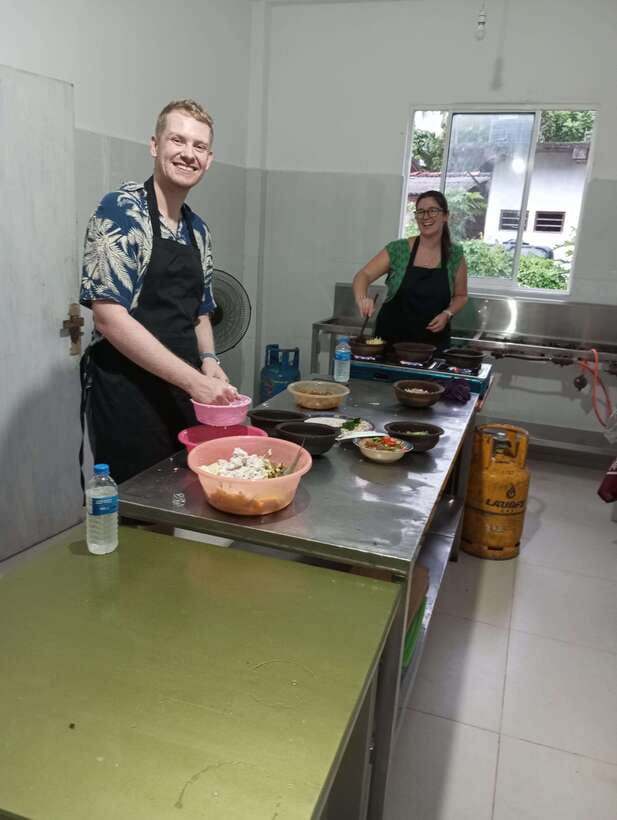
- Hands-on cooking of 7–8 dishes in about 3 hours, so you leave with real confidence, not just photos
- Spice-focused lessons that explain how herbs, spices, and coconut work together in Sri Lankan food
- English-speaking guidance and simple, usable instructions while you cook
- Dine with your hosts and taste what you helped create at the end of the class
- Host Q&A about your diet and preferences, so the kitchen can be adjusted for you
- Tuk-tuk hotel pickup and drop-off that keeps the logistics easy in Kotapola
Kotapola cooking class: where the food story starts
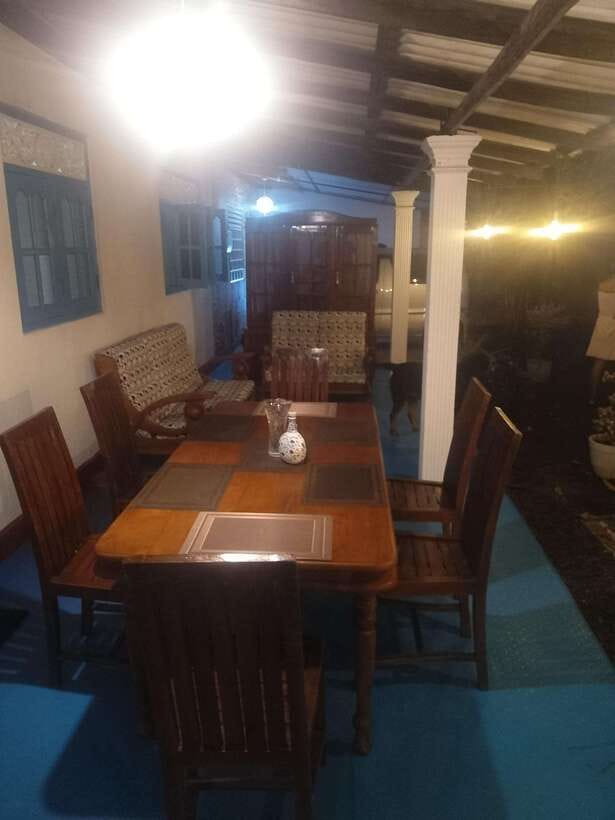
Kotapola is the kind of Sri Lankan place where your meal feels personal. Instead of learning cuisine in a demo-only setup, you cook alongside your hosts as part of their everyday rhythm. That matters because Sri Lankan cooking is built on technique: getting the balance right between spices, coconut, vegetables, fish (fresh or preserved), and the ever-present role of rice.
You’ll also learn that Sri Lankan food didn’t develop in isolation. Since the island was a hub in the historic oceanic silk road, foreign traders brought new ingredients and influences that mixed with local traditions from different ethnic groups. That background helps everything click when you’re standing at the cooking space and trying to understand why certain combinations show up again and again.
What you learn: spices, rice, coconut, fish, and fruit
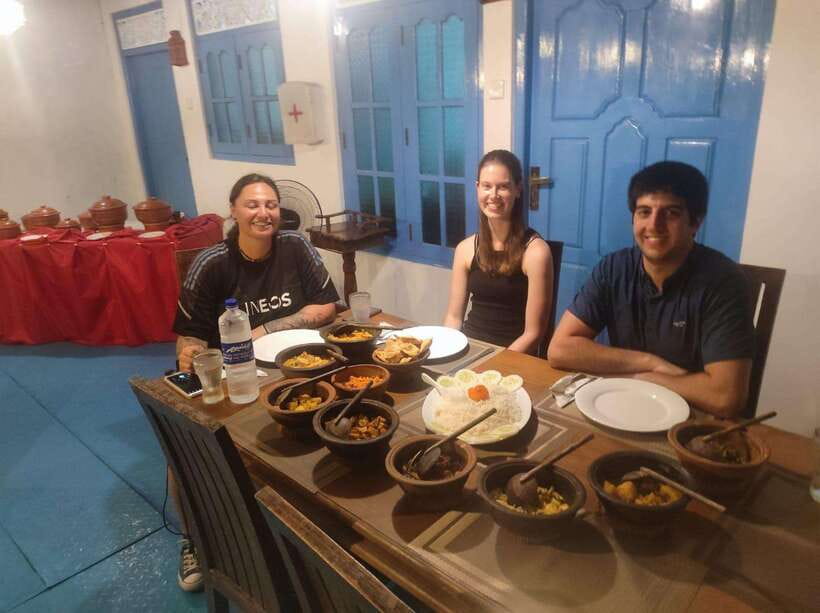
The class centers on the fundamentals of Sri Lankan cuisine: herbs and spices, rice (in many varieties), coconut (everywhere in Sri Lanka), and seafood. You should expect the instructor to connect ingredients to purpose—what each flavor is doing, and how the overall dish is meant to taste.
Here’s the helpful part for you: learning the logic of Sri Lankan flavor means you can recreate it later, not just repeat a single meal. If you’re the type who loves cooking at home, this is the real value. You’ll leave with an understanding of the balance between heat, aroma, sour notes, and richness from coconut, plus how vegetables and fish fit into the same flavor system.
Also, the class includes food history in a way that supports what you’re cooking. Sri Lankan cuisine is shaped by both local traditions and outside contact through trade routes. That’s not trivia—it’s a map for understanding why certain ingredients and methods show up in different forms.
The hands-on cooking flow (and why timing matters)
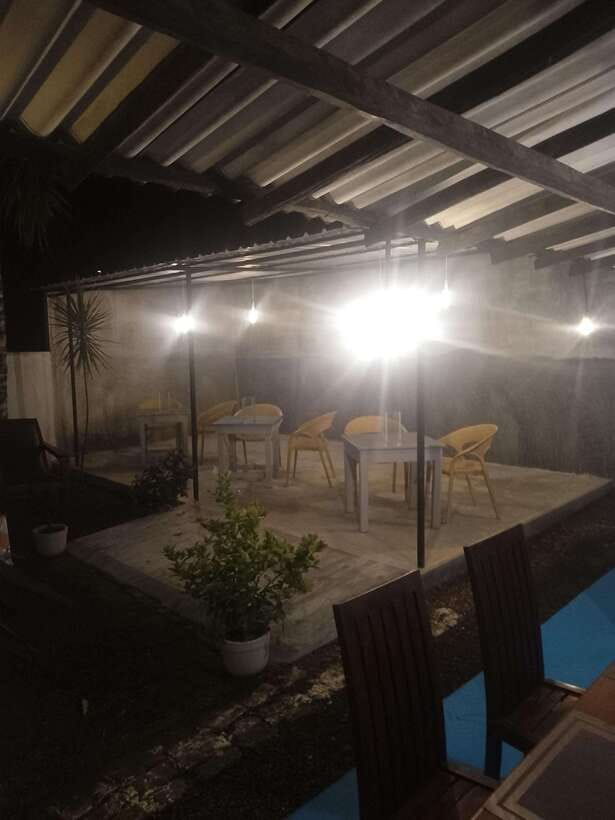
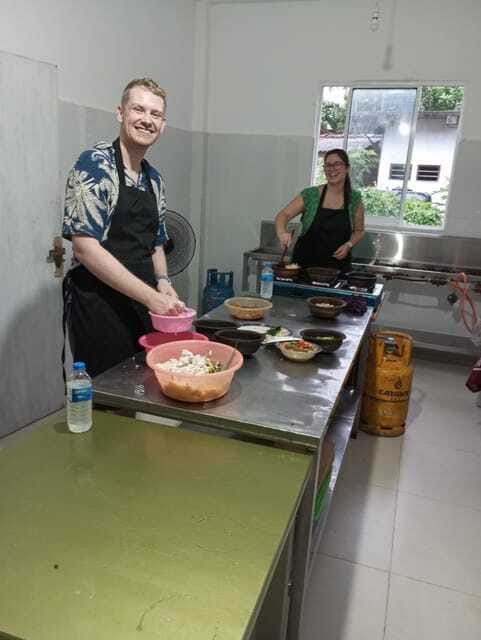
This is a 3-hour experience built around active cooking, not a long lecture. In practice, that means you’re likely rotating through steps and making multiple dishes. Some classes move very fast—one example course had 8 different dishes—and another had 7 dishes completed in around 1.5 hours. Your exact pace depends on the menu and group, but the pattern stays the same: you’ll cook more than one thing, and you’ll get guidance as you go.
That “multiple dishes” format is a smart choice if you want variety without spending a full day in the kitchen. Most people come thinking they’ll learn one curry-type dish. Instead, you start seeing the broader picture: how rice dishes, spice blends, vegetable components, and seafood approaches can belong to the same culinary world.
How your host keeps you on track
Your instructor is an English-speaking guide, and the teaching style is practical—clear enough that you can follow while your hands are busy. In at least one case, the host asked about dietary needs and preferences beforehand so the kitchen could be prepared accordingly. That’s a big deal for you because it reduces guesswork. It also makes the lesson feel less like a scripted program and more like a kitchen conversation.
A real consideration: spice tolerance
One thing to plan for: Sri Lankan food can be very spicy, and not every participant experiences the same level of heat control. If you’re sensitive, don’t just assume “less spicy” will mean mild. Tell your host clearly and early, and ask what that will change in practice. It’s better to be direct than to try to fix it halfway through a dish.
Eating with your hosts: taste, chat, and daily life
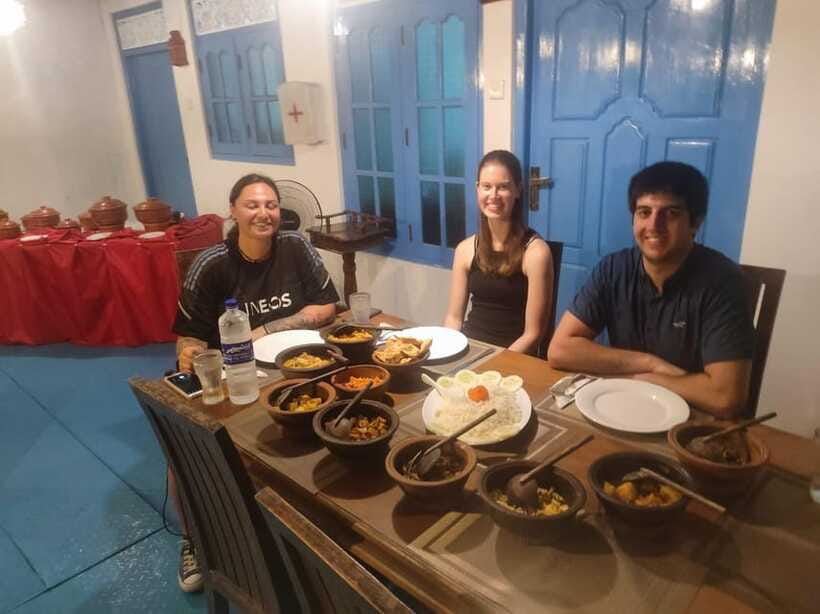
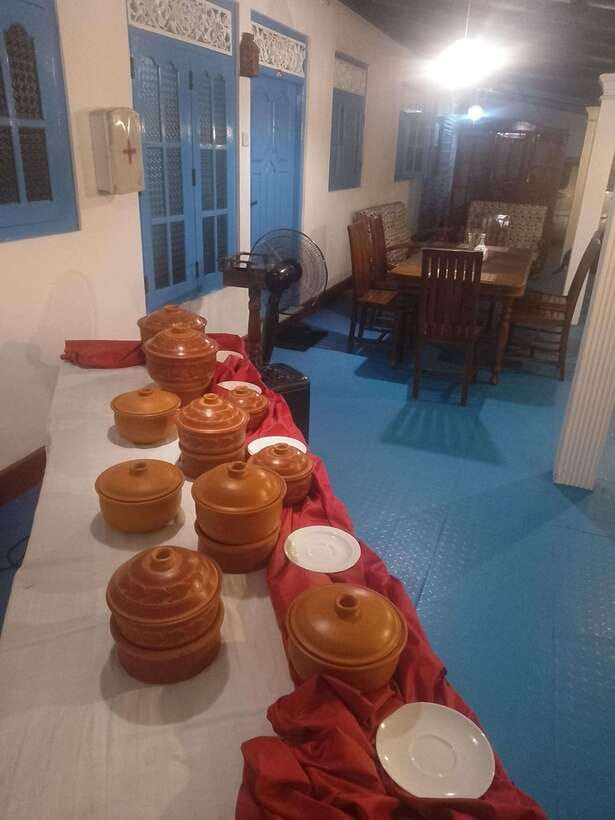
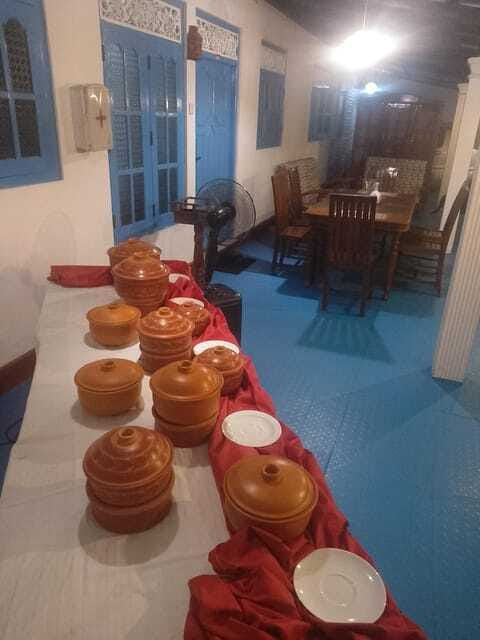
After cooking, you dine with your hosts and savor the flavors of your creations. This is one of the best parts of the experience because it turns the lesson into a lived moment. You’re not eating a separate restaurant meal—you’re eating something you made while learning how the spices and ingredients work together.
You’ll also get to know your hosts and learn about their daily lives in Sri Lanka. That can be surprisingly valuable if you’re tired of tours that feel like transaction-only sightseeing. A cooking class is inherently personal: everyone has to talk about ingredients, tools, timing, and preferences. That creates natural conversation.
Price and value: is $50 worth it?
At $50 per person for a 3-hour class, the value comes from what’s included and what you avoid having to organize yourself.
What’s included:
- Professional English-speaking guide
- Entrance fees to all sites (if the day’s plan includes any stop with entry)
- Bottled water
- Hotel pickup and drop-off, including tuk-tuk transport in the Kotapola area
What’s not included:
- Meals and beverages (the listing says this directly), though you do dine with your hosts based on what you cook
- Personal expenses
So is it worth $50? For many people, yes—especially if you’d otherwise pay for a driver, worry about transport timing, and still want the hands-on cooking part. The included pickup is a real cost saver in Sri Lanka, where last-mile logistics can be the difference between a relaxed day and a stressful one.
The one thing to budget mentally: if you’re expecting unlimited drinks or a fully separate meal course, the listing says meals and beverages aren’t included. Bring your own plan for anything beyond what’s served during the class. Bottled water is included, so you won’t start dehydrated.
Getting there: tuk-tuk pickup from your hotel
The experience includes pickup from your hotel or villa around the area. The transfer happens by tuk tuk, and the pickup timing is described as happening around this area, with a note about tuk-tuk pickup before 30 minutes. In plain terms: you’re not meant to figure out local transport on your own.
This matters because Kotapola plans can vary by day, and cooking classes work best when you arrive ready to work. Arriving on time keeps the kitchen flow smooth and helps you get the full instruction time.
Practical tips: what to wear and how to show up
The operator gives clear “know before you go” guidance:
- Wear simple clothing that helps you work comfortably while cooking
- The class involves cooking meat and vegetables, so choose clothes you can move in
- Don’t come if you’ve been drinking, because of safety for the people running the offer during cooking
For you, that means dress for real kitchen work, not a photo shoot. If you’re prone to wearing delicate shoes or anything you’d hate to stain, swap it out. Also, if you’re bringing a friend with a low spice tolerance, agree before you arrive and talk to the host early.
Who should book (and who should skip)
This cooking class is a great match if you want:
- A hands-on introduction to Sri Lankan home-style cooking
- A spice-first understanding of how rice, coconut, and seafood/vegetables fit together
- An experience that includes conversation and a sit-down meal with your hosts
- English instruction and a guide who can explain while you cook
It may not be a match if:
- You use a wheelchair or have mobility impairments. The information provided says it’s not suitable for wheelchair users and people with mobility impairments.
- You’re looking for a super-controlled low-spice experience. You can and should communicate your preferences, but Sri Lankan spice levels can be intense.
Should you book this Sri Lanka cooking class?
Book it if you want a real kitchen experience in Kotapola, with English instruction, tuk-tuk pickup, and the chance to cook multiple traditional dishes and eat them afterward. At $50 for a 3-hour session, it’s especially good value when you compare it to the cost of transport plus a standalone cooking or food workshop.
Skip or reconsider if you need wheelchair access or if you’re very sensitive to heat and don’t feel comfortable communicating spice preferences early. If that’s you, ask direct questions when confirming your menu or preferences.
If you’re flexible, curious, and happy to work with spices, this is the kind of Sri Lankan activity that sticks with you long after you’ve left the island.
FAQ
How long is the Sri Lanka cooking class?
The duration is 3 hours.
Where does the cooking class take place?
It’s located in Kotapola, Sri Lanka.
What is the price per person?
The price is $50 per person.
What’s included in the $50?
It includes a professional English-speaking guide, entrance fees to all sites, bottled water, and hotel pickup and drop-off.
Is hotel pickup and drop-off included?
Yes. Pickup is included from your hotel or villa around the area, and you’re picked up by tuk tuk.
Is this class wheelchair accessible?
It is not suitable for wheelchair users, and it’s also not suitable for people with mobility impairments based on the provided information.
What’s the cancellation policy?
You can cancel up to 24 hours in advance for a full refund.
FAQ
What should I wear to the cooking class?
They suggest wearing simple clothes that help you work well, since you’ll be cooking different kinds of vegetables and meat.
Are meals and beverages included?
The listing says meals and beverages are not included, though you do dine with your hosts after cooking your dishes. Bottled water is included.