REVIEW · ESSAOUIRA
Essaouira : Moroccan Cooking Workshop
Book on GetYourGuide →Operated by l'Atelier Essaouira · Bookable on GetYourGuide
Tagine lessons in Essaouira start with spices. I love the hands-on pace as you make the meal step by step, and I love the soukside spice walkthrough that explains what goes into each dish. One catch: there’s no hotel pick-up, so you’ll need to get there under your own steam.
From morning to lunch, this feels like a real food day, not a rushed demo. From 10h30, you cook, then you eat in the café’s private dining room, with the meal you just made. The best part for me is that the menu is built daily using local & seasonal ingredients, so the food feels current rather than staged.
The format is also practical: it runs about 2.5 to 3 hours of class, then lunch, finishing around 15h00. It’s limited to a small group of up to 8 people, and instructions are offered in English, French, and Arabic, which makes the whole thing easier to follow.
In This Review
- Key Things I’d Plan Around Before You Go
- What This Moroccan Cooking Workshop Gets Right Fast
- The 10h30-to-15h00 Schedule: How the Day Flows
- From Souk to Stove: Why the Spice Walk Changes Everything
- The “Daily Menu” Approach: Seasonal Means Better Lessons
- What You Can Learn: Starters and Mains You’ll Actually Make
- Starter options (examples)
- Main dish options (examples)
- Getting recipes for home cooking
- Inside the Kitchen: How the Workshop Keeps It Practical
- Lunch in the Private Dining Room: Eating with Context
- Language Options: English, French, and Arabic
- Price and Value: Is $68 Worth It?
- Who Should Book This Workshop (and Who Might Not)
- Should You Book This Moroccan Cooking Workshop in Essaouira?
- FAQ
- What time does the workshop start?
- How long is the cooking workshop?
- How much does the Moroccan cooking workshop cost?
- What is included in the price?
- Is hotel pick-up included?
- Is there a small group size limit?
- What languages are offered for the class?
- What kind of dishes can I learn?
- Are there any seasonal dish limitations?
- Is this workshop suitable for children?
Key Things I’d Plan Around Before You Go
- A full meal, not just one dish: you learn starter and main prep, then eat what you cook
- Daily menus tied to seasonal produce: your choices may shift based on what’s best that day
- A guided souk walk for spices and aromatics: you connect flavors to ingredients you can recognize later
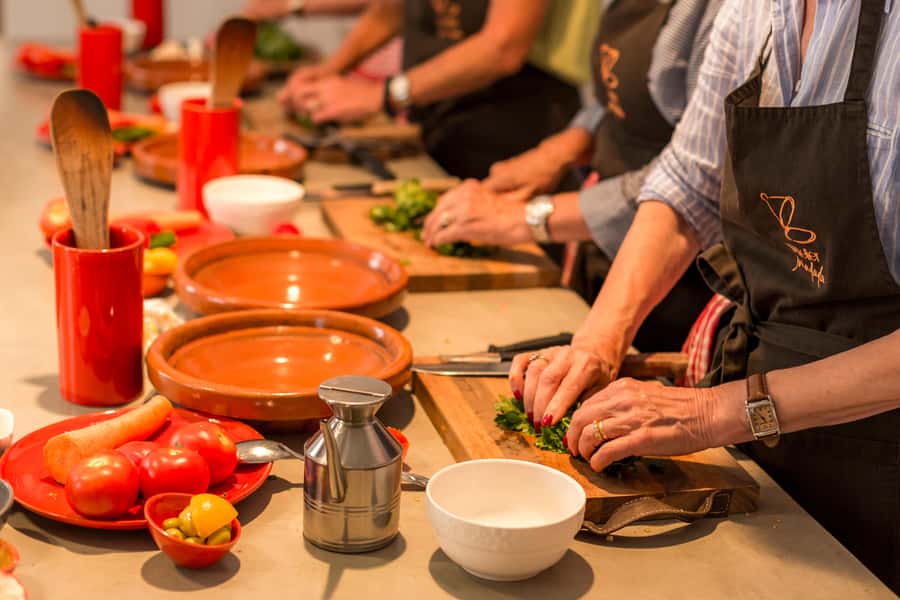
- Small-group attention in the kitchen: the setup supports hands-on coaching, not standing around
- One practical start time at 10h30: it’s designed as a morning class that lands you back out by early afternoon
What This Moroccan Cooking Workshop Gets Right Fast
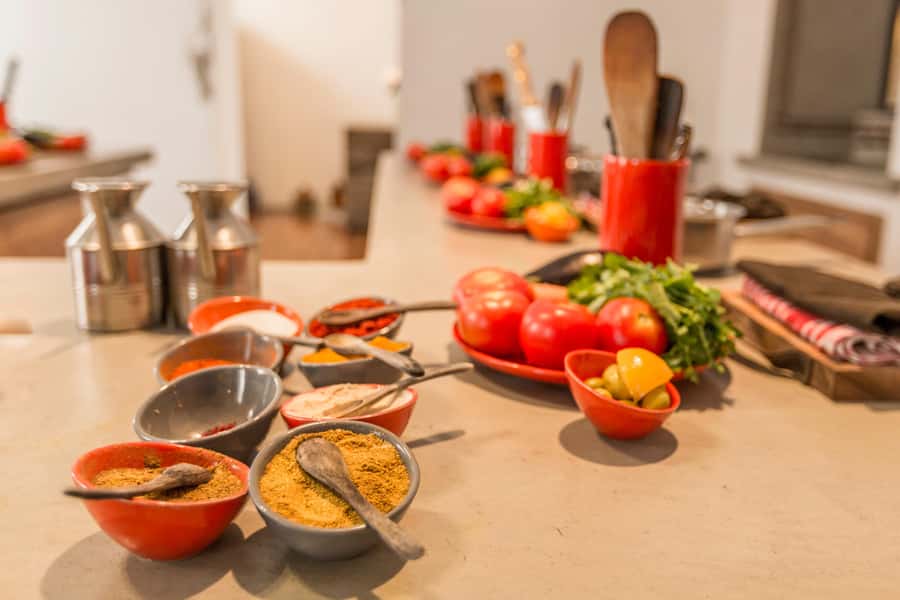
This is the kind of class that makes Moroccan cooking feel doable. You’re not just tasting or watching. You’re building a meal from ingredients you saw first in the market, then applying technique in a kitchen that’s set up for training.
I also like that the workshop sets expectations clearly: you choose from a list of traditional dishes, but the team can adjust the starter sometimes so the class flows smoothly. That matters more than it sounds. When the plan matches what the kitchen can handle, you learn better and you waste less time.
There’s also an emphasis on the flavors people talk about when they describe Moroccan food: herbs, citrusy preserved lemon notes, spice blends, and sauces like chermoula. Even if you don’t remember every ingredient name, you’ll come away with a sense of what the dish is supposed to taste like.
You can also read our reviews of more tours and experiences in Essaouira.
The 10h30-to-15h00 Schedule: How the Day Flows
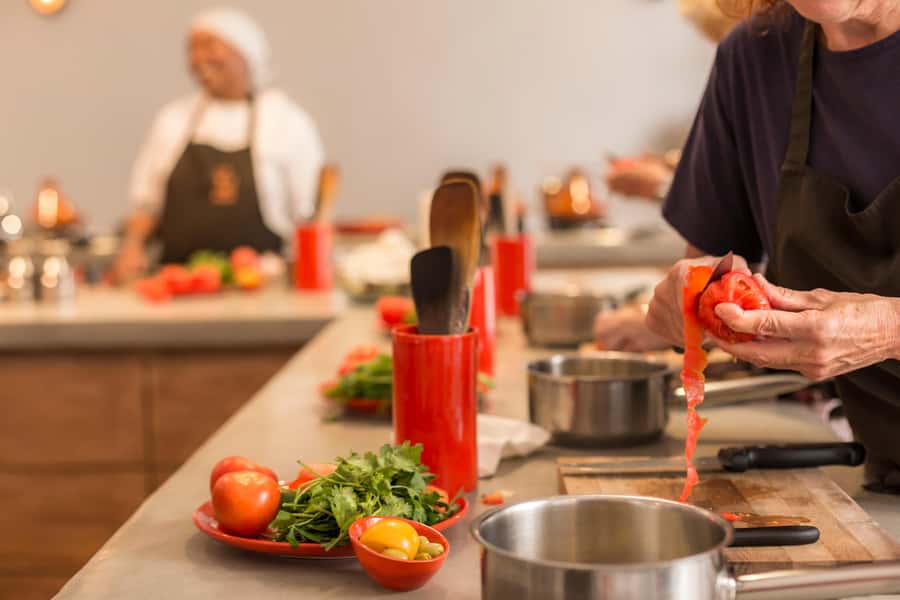
The workshop starts at 10h30. The cooking class portion takes around 2.5 to 3 hours, and then you have lunch. In practice, the day wraps up at about 15h00, which is ideal if you’re trying to keep your afternoon free.
Here’s the rhythm you should expect:
- You begin with a cooking lesson focused on Moroccan staples and the specific dishes chosen for your group.
- While you cook, the schedule keeps moving so you’re not waiting around for one long step.
- Once your dishes are ready, you eat together in a private dining room connected to the café side of the operation.
This timeline is a big part of the value. Four hours sounds short until you realize you’re doing market walking, technique practice, and a sit-down lunch all in one block.
From Souk to Stove: Why the Spice Walk Changes Everything
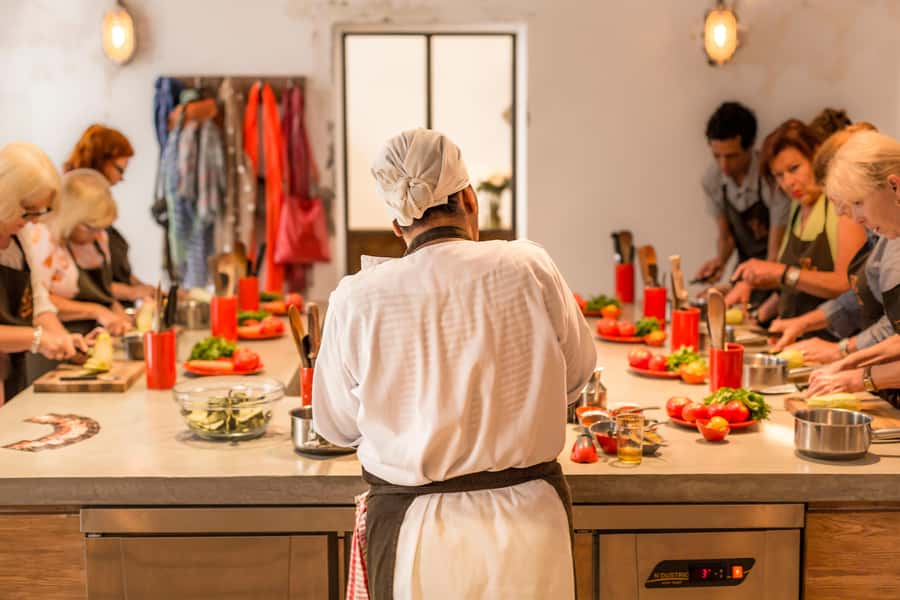
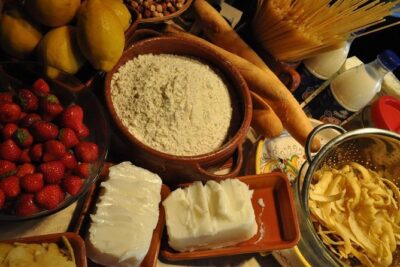
One of the smartest parts of the experience is that it doesn’t treat spices like a background detail. You get a guided stroll through the food and spice market to discover the aromatics behind the recipes.
You’re looking at the ingredients the dishes are built around—things you might not recognize if you only shop in a big grocery aisle. The point isn’t to become a spice merchant. The point is to connect flavor to ingredient so you can shop smarter later.
The market walk also helps you slow down and see how Moroccan cooking reflects what’s available. When you understand seasonal produce and local choices, your future cooking stops feeling like an exact copy-and-paste job and starts feeling like adapting a style.
The “Daily Menu” Approach: Seasonal Means Better Lessons
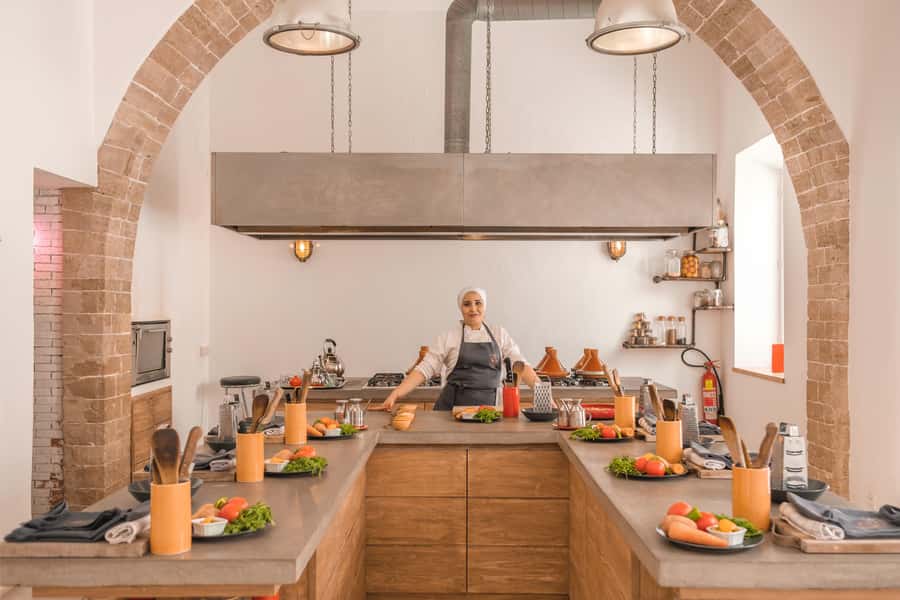
The workshop menu is created daily using local & seasonal products. That’s a phrase that can sound generic, but it has a real teaching benefit.
When the food matches the season, the flavors are more consistent. And the ingredients are easier for the instructors to explain and demonstrate. Also, some dishes are explicitly seasonal or dependent on the fishermen catch, especially seafood options.
So if you have your heart set on a specific fish or seafood tajine, keep your expectations flexible. The menu list is your starting point, not a guarantee that every dish will be available that day.
What You Can Learn: Starters and Mains You’ll Actually Make
You can tell the team what you’d like to learn from a list of traditional dishes. In some cases, the starter might change to make sure the class works, but you’re still cooking within the Moroccan menu framework they teach.
Starter options (examples)
These are the kinds of dishes you’ll get hands-on with:
- Zaalouk: cooked salad with eggplant
- Tchakchouka: cooked salad with peppers
- Harira soup
- Courgettes with chermoula
- Briouates
- Grated carrots with chermoula
- Lentils salad
- Bissara: broad bean purée
- Marinated beans salad (winter dish)
- Bakkoula: mallow salad (winter dish)
If you’re the type who loves sauce and bite-sized flavor, chermoula-based starters and zaalouk-style dishes are great targets. They’re also useful for cooking back home because they teach the logic of herbs, acid, and seasoning.
Main dish options (examples)
You’ll also choose among mains like:
- Beef or lamb tajine with almonds and dates, or with caramelized carrots and tomatoes, or with apples & quinces (autumn dish)
- Kefta (meatballs) tajine with eggs
- Chicken tajine with olives and preserved lemons, or with caramelised carrots and tomatoes, or with raisins and sweet onion
- 7 vegetables and tfaya couscous
- Chicken pastilla
- Chicken seffa with vermicelli
- Sea bream and vegetables tajine (seasonal)
- Souiri tajine (with sardine balls, seasonal)
- Squid tajine (seasonal)
- Seafood pastilla
Two notes for your planning:
- Seafood choices can depend on catch. If you see a fish tajine option on the list, it’s worth choosing early in your planning mindset, because availability can shift.
- Pastilla and seffa style dishes are a bit different from the typical tajine route. If you want variety in technique, pick something with pastry or vermicelli.
Getting recipes for home cooking
You’re not left with just a meal. You can find the recipes on the workshop website when you’re back home. That means you can repeat what you learned, not just remember the taste.
Inside the Kitchen: How the Workshop Keeps It Practical
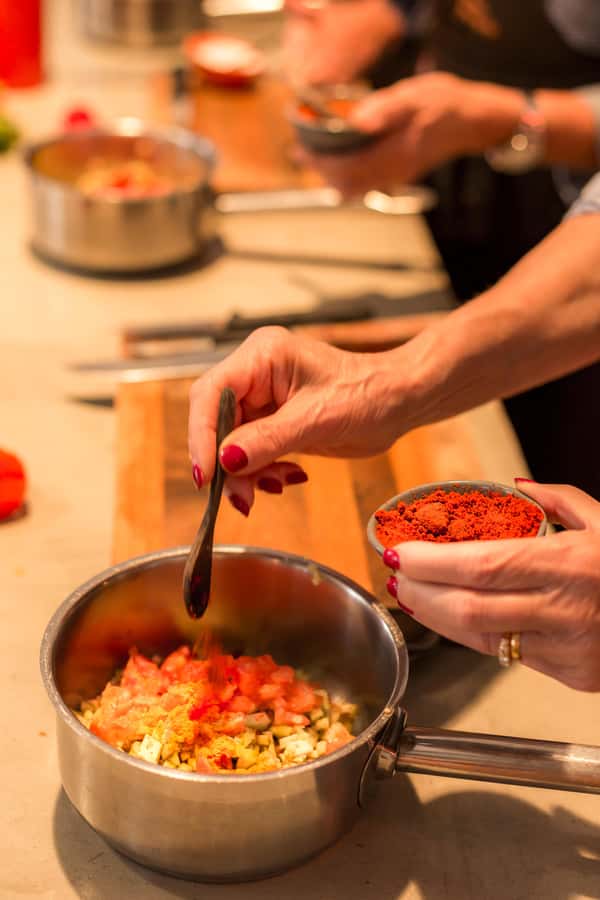
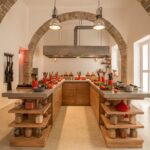
The cooking setup is designed for instruction, not just spectacle. One of the strongest signals from the experience is how organized the kitchen area is, with a professional feel and equipment that supports learning.
In the class, you’ll be given what you need to make your own tagines, and you’ll follow clear steps as you go. This is especially helpful if you’re new to Moroccan cooking and unsure about basic timing—like when spices should bloom, or how long vegetables need to soften before you finish the dish.
Also, because the group is limited to 8 participants, you’re more likely to get quick corrections. That matters in real cooking, where one small adjustment can change the result.
Lunch in the Private Dining Room: Eating with Context
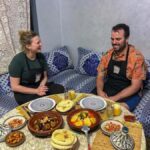
After cooking, you sit down in the café’s private dining room and eat the meal you prepared. That’s more than a nice perk.
You get to taste your work with context while the steps are fresh in your head. It also helps you notice the final balance the instructors aimed for—salt, spice level, sweetness in certain tagines, and the way herbs and preserved lemon shape the aroma.
If you pick a seafood option, you’ll likely notice how the dish tastes lighter and brighter once it’s cooked down into a sauce. One particular fish preparation is often described as a delicious introduction to Moroccan cuisine, which makes sense: it lets you experience the spice approach without heavy gamey flavors.
Language Options: English, French, and Arabic
Instruction is available in English, French, and Arabic. This is a real plus in a cooking class, because precision matters.
You don’t want to guess what the instructor means when they’re talking about texture or seasoning. With multiple languages supported, you’re more likely to understand what you’re doing and why, which speeds up learning and makes the whole session less stressful.
Price and Value: Is $68 Worth It?
The price listed is $68 per person (also shown as 600 dhs). For four hours on a set start time, that includes:
- the cooking class
- lunch
- all drinks except alcohol
- a guided market and spice tour
- a small-group format limited to 8 participants
Here’s how I’d evaluate the value:
You’re paying for more than instruction. You’re paying for the full package: market time, hands-on coaching, ingredients and prep support, and then the sit-down meal afterward. If you’ve ever tried to replicate Moroccan cooking at home without the right spices or technique order, you know the cost of trial and error adds up fast.
So for most people, this lands in the “worth it” category—especially if you want to leave with an actual recipe you’ll use again, not just a souvenir photo.
Who Should Book This Workshop (and Who Might Not)
This workshop is a good match if you:
- want a hands-on introduction to Moroccan cooking, especially tagines and Moroccan salads
- enjoy markets and want to connect what you buy to what you cook
- prefer small-group teaching where you can ask questions
- like the idea of learning a full meal and then eating it immediately
It may not be ideal if:
- you’re traveling with kids under 12, since it isn’t suitable for that age group
- you strongly need hotel pick-up (there isn’t one)
- you dislike seafood and are choosing menus that could shift based on catch, meaning you’d need to be flexible on the exact dish availability
Should You Book This Moroccan Cooking Workshop in Essaouira?
I’d book it if you want a morning plan that’s practical, culturally grounded, and genuinely instructional. The combination of a guided spice market walk, hands-on cooking, and lunch in a private dining room creates a full learning loop: see ingredients, learn technique, then taste outcomes.
One last decision tip: pick your “must-learn” dishes from the starter and main list, but stay flexible on what’s seasonal. That flexibility usually improves the day because the menu is built around what the kitchen can execute well and what the market can supply that morning.
If you’re on the fence, this class is also ideal as a first cooking workshop in Morocco. It covers key Moroccan flavors in a way you can reproduce back home, which is the real win.
FAQ
What time does the workshop start?
It starts at 10h30 in the morning.
How long is the cooking workshop?
The class portion lasts around 2.5 to 3 hours, followed by lunch, with the day finishing at about 15h00.
How much does the Moroccan cooking workshop cost?
The price is 600 dhs per person, which is listed as $68 per person.
What is included in the price?
It includes the course, lunch, all drinks except alcohol, and a guided market tour.
Is hotel pick-up included?
No, hotel pick-up is not included.
Is there a small group size limit?
Yes. The group is limited to 8 participants.
What languages are offered for the class?
The class is given in English, French, and/or Arabic.
What kind of dishes can I learn?
You can choose from a list of traditional Moroccan starters and main dishes such as zaalouk, harira soup, tagines, couscous, pastilla, and seasonal seafood tajines.
Are there any seasonal dish limitations?
Some dishes are marked as seasonal or depend on fishermen catch, so availability can vary.
Is this workshop suitable for children?
It is not suitable for children under 12 years.
If you tell me your dietary preferences (seafood yes/no, meat yes/no) and which dish(s) you’re most curious about, I can help you pick a realistic starter and main combo from the list.