REVIEW · DUBROVNIK
Traditional Cooking Class in Dubrovnik Countryside
Book on Viator →Operated by FABULA RAGUSEA · Bookable on Viator
A countryside meal with real roots.
This Dubrovnik cooking experience takes you out of the city and into a working family farm where you learn traditional Dalmatian recipes and eat what you help prepare, with garden-picked ingredients and plenty of homemade drinks. I like how hotel pickup and drop-off make the whole plan simple, even if you hate figuring out transport. One thing to keep in mind: it is as much a family visit and meal as it is a technical cooking workshop, so if you want lots of step-by-step method and printed recipes, you may need to temper expectations.
What I really loved is the flow of the day: you taste, pick, cook, and sit down for a proper multi-course lunch or dinner. You start with a charcuterie-style starter, move into a homemade veggie soup, then get a meat-or-fish main with seasonal garden vegetables, and finish with a local cake made for special occasions. It is a lot of food, served with homemade liquers and table white and red wine.
In This Review
- Key highlights worth planning for
- From Dubrovnik to the farm: pickup, timing, and what the day feels like
- The countryside kickoff: Dubrovnik Food Story and first tastes
- Walking the garden: herbs, vegetables, and the pace of harvest
- Hands-on cooking in a working home kitchen
- What you can expect to cook (by course)
- A caution for food expectations
- The Dalmatian menu: charcuterie, garden soup, meat or fish, and local cake
- Starter: charcuterie board and veggie soup
- Main: local meat or fish with seasonal vegetables
- Dessert: local authentic cake
- Vegetarian option
- Homemade liquers and wine: why the drinks are part of the lesson
- Price and value: what you actually get for $290.36
- Who this Dubrovnik cooking class fits best
- Should you book this Dubrovnik countryside cooking class?
- FAQ
- How long is the traditional cooking class in the Dubrovnik countryside?
- Is hotel pickup and drop-off included?
- What language is the experience offered in?
- What meal is included?
- Is vegetarian food available?
- What drinks are included?
- What is the group size?
- Can I cancel for a full refund?
Key highlights worth planning for
- Garden-to-table prep first: you pick fresh produce and herbs right where it grows before cooking.
- A real family farm setting: multi-generational life, stone farm buildings, animals, and active daily work.
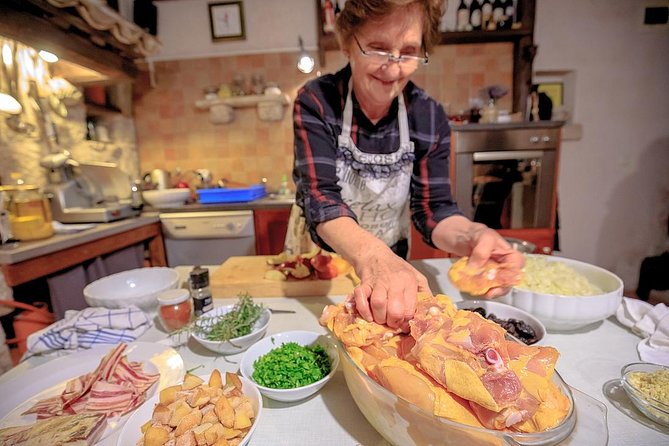
- A guided Dalmatian menu: charcuterie and cheeses, homemade veggie soup, meat or fish with seasonal veg, and dessert.
- Homemade drinks at the table: homemade liquers plus homemade table wine (white and red).
- Small-group feel: capped at a small number of people for more interaction and less waiting around.
- Easy logistics from Dubrovnik: private car or minivan transfer tied to your hotel area.
From Dubrovnik to the farm: pickup, timing, and what the day feels like
You’re spending about 5 hours total, and the big win is that it starts with pickup from the closest point to your Dubrovnik accommodation. You do not need to figure out buses, taxis, or where the countryside road turns into a blur. It’s handled by a private car or minivan, which keeps the day moving and lowers stress.
Once you’re there, the pace shifts from city mode to farm mode. This kind of experience runs on real-life rhythms: walking the property, meeting the family, tasting first, then cooking as a group. In practice, it means you’ll spend a meaningful chunk of time not just in a kitchen, but also gathering ingredients and learning context for what you’re making.
The group size matters here. With a maximum of 8 people per booking (and an overall cap that keeps things under 10), you get more attention than in big coach tours. The vibe is personal, and you’re more likely to chop, knead, and stir rather than just stand back and watch.
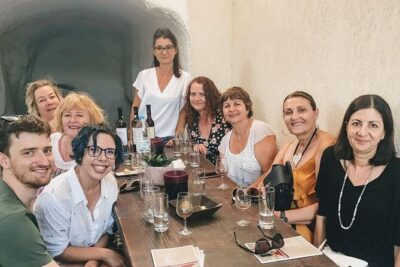
If you’re traveling solo, this setup can also feel welcoming—since you’re added into a family-style table rather than a faceless lineup.
You can also read our reviews of more tours and experiences in Dubrovnik.
The countryside kickoff: Dubrovnik Food Story and first tastes
The day begins with a local-style welcome and a quick introduction to what’s coming next. Many guests report a first round of tastings when they arrive—things like homemade liqueur and sweet treats tied to local flavors (carob is a common theme in this region). Even if you don’t get the exact same welcome every time, the idea is consistent: you start eating before you cook.
This is also where the farm story starts to make sense. The family doesn’t treat food like a lesson plan. They treat it like a continuation of their daily life—what’s grown, what’s cured, what’s bottled, what’s ready when the season is right. That changes how you experience the cooking. It stops being about memorizing steps and becomes about understanding why these recipes exist.
I like this approach because it gives you a framework for the menu. When you later taste charcuterie-style cured meats with cheeses and garden pickles, you’re not just eating a starter. You’re seeing how the farm’s inputs turn into flavor.
One practical note: this experience runs in English, so you can ask questions and follow along without doing mental translation. And because it’s a small group activity, the talk does not feel rushed.
Walking the garden: herbs, vegetables, and the pace of harvest
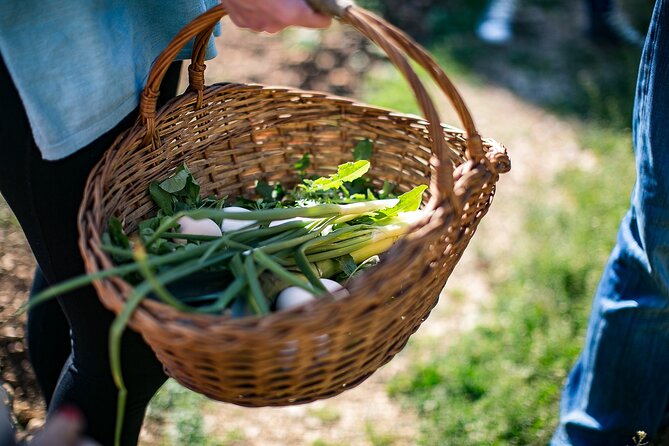
If you like food, you’ll probably love this part the most: walking the garden and choosing ingredients. In this countryside setup, “fresh” is not a marketing word. You’re picking vegetables and herbs that show up in the recipes later, plus collecting eggs from the farm.
In some sessions, weather can change what you do hands-on. There’s at least one account of getting limited fresh-picking time when conditions were wet, so you might find yourself prepping some vegetables instead of harvesting everything yourself. Either way, you should expect the spirit of the experience—participation in real farm inputs.
You’ll also get a sense of the farm beyond plants. Many hosts incorporate animal time into the visit—chickens and other farm animals show up in the experience. It is not a zoo stop. It’s more like a check-in with the working farm ecosystem: where eggs come from, why fresh produce matters, and how the family’s day connects to the table.
This matters for the cooking because it changes your attention. When you’ve just picked the ingredients, you notice taste and texture more. Soup seems richer. Herbs smell stronger. And vegetables feel less like a side dish and more like the main character.
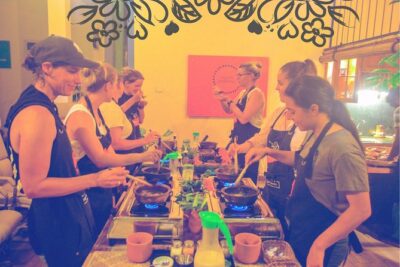
Hands-on cooking in a working home kitchen
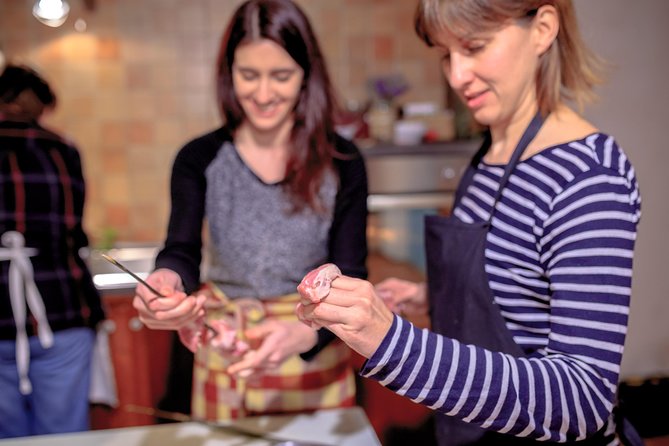
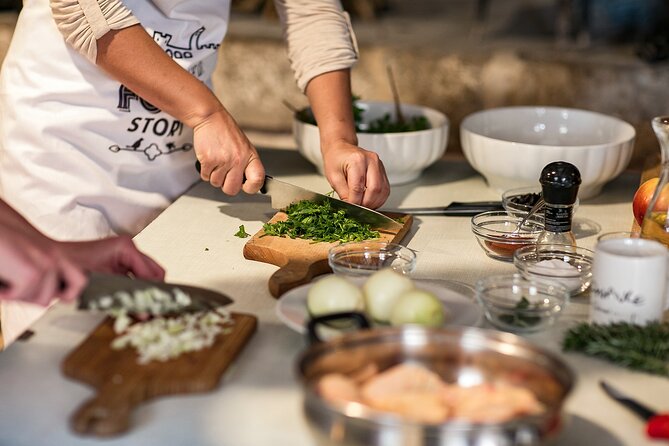
Now for the reason you booked: the cooking class itself. The biggest difference between a farm cooking visit and a city cooking school is the level of instruction and how visible the process is. Some guests love that you’re actively doing tasks—chopping, kneading dough, assembling components, and moving through courses together. Others feel the class is less technical than they expected.
So here’s the honest way to plan: think of this as a hands-on home-cooking experience, not a precision training course. You’re likely to do meaningful work, but it may not come with detailed technique breakdowns or a takeaway recipe format that you can recreate exactly.
What you can expect to cook (by course)
- Starter moments: you’ll sample and work with cured meats like prosciutto and sausages, cheeses, and garden pickles. You may also prepare a vegetable-based starter or help with simple bread components depending on the flow that day.
- Homemade veggie soup: the soup is part of the official menu, made with fresh ingredients picked from the garden. Expect hands-on prep like chopping and assembling.
- Main course: the main dish is local and changes based on whether meat or fish is served. You’ll get seasonal vegetables from the garden as part of the plate.
- Dessert: you’ll make or assemble a local authentic cake tied to occasions back in Dubrovnik and surrounding areas.
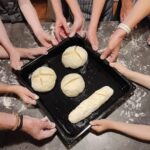
Depending on the family’s rhythm, you might also see or join extra bread-and-dough activities like kneading and shaping, and in some cases even baking-style tasks. Those add-ons can be a highlight because they make the day feel more than just eating and listening.
A caution for food expectations
If you’re the type who needs exact measurements, step-by-step recipe sheets, and visible cooking of every dish from start to finish, you should message the operator before booking. There is at least one account of getting incomplete recipe details after the experience, and another about dietary inclusion not matching what the guest hoped for (gluten-free). The farm family is doing their best to host, but accommodations can vary in practice.
The Dalmatian menu: charcuterie, garden soup, meat or fish, and local cake
This part is straightforward and very worth knowing in advance, because it’s the meal you’re paying for.
Starter: charcuterie board and veggie soup
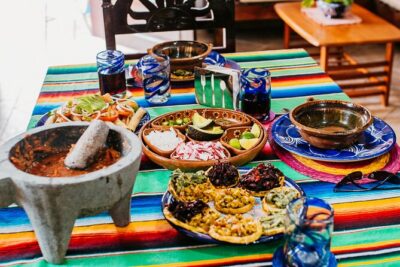
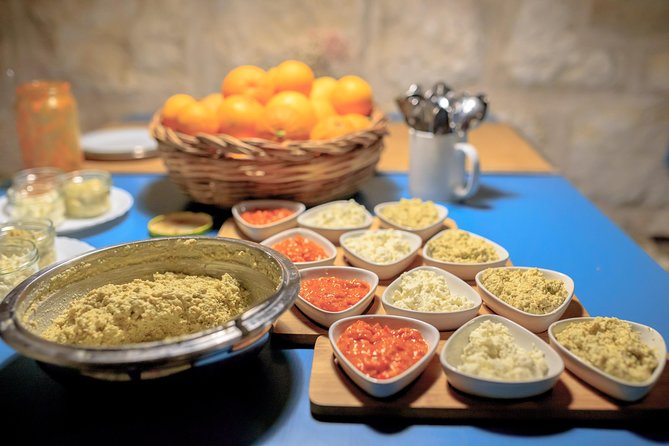
The starter setup includes a charcuterie board featuring prosciutto, sausages, cheeses, and pickles from the garden. It’s meant to taste like the farm’s pantry—salty, tangy, and paired with cheeses that taste like they come from local production rather than an industrial supply chain.
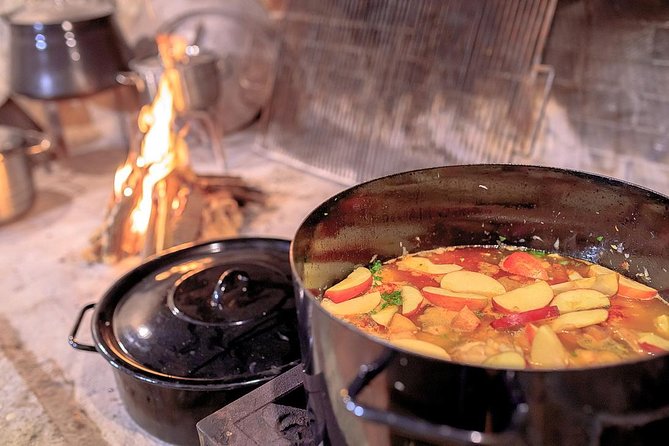
Then you’ll also enjoy homemade veggie soup. The key detail is that it’s made with fresh ingredients pulled from the garden, not just “fresh-tasting” soup from a supermarket.
Main: local meat or fish with seasonal vegetables
Your main is local and can be meat- or fish-based. Either way, it’s served with fresh seasonal vegetables picked in the garden. This is where you’ll feel the farm-to-table connection the most: vegetables taste like something, not like filler.
Dessert: local authentic cake
Dessert is a local authentic cake, prepared for special occasions in Dubrovnik and nearby areas. It’s a satisfying finish that feels celebratory rather than an afterthought.
Vegetarian option
Vegetarian options are available if you request them at the time of booking. If you’re vegetarian (or partly vegetarian), don’t wait until the last day. Ask early so the family can plan what goes into the courses.
Homemade liquers and wine: why the drinks are part of the lesson
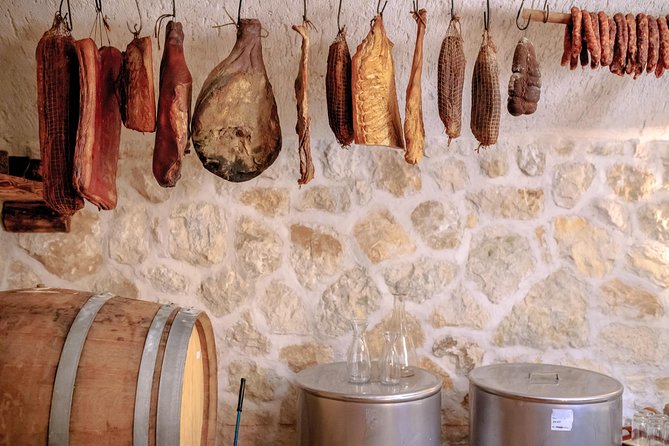
Food on this farm is inseparable from what the family makes and tastes. The package includes homemade liquers plus homemade table white and red wine with the meal. Coffee and/or tea are also included.
Even if you’re not a hardcore wine person, the drinks help the whole day connect. They make the meal feel like a celebration rather than a formal class. And you’ll often hear about how the family approaches production—how they treat ingredients from their land and how that turns into what you drink.
One practical note: this is not a quick tasting and then back into the car. You’ll eat a full meal, drink, and settle in at the table. If you’re the driver type or you’re sensitive to alcohol, plan accordingly. For most people, the slower pace is the point.
Price and value: what you actually get for $290.36
At about $290.36 per person, this is not a cheap activity. But it also isn’t only a cooking class.
What you get bundled in:
- a 5-hour guided experience with a local chef and family hosting
- a four-course lunch/dinner
- all ingredients and kitchen pots/equipment
- private round-trip transfer from your Dubrovnik hotel area
- small-group setting
- coffee/tea
- homemade liquers and homemade table wine
The transfer alone can save real time and money in Dubrovnik, where getting out to the countryside can eat half a day if you do it yourself.
The food is also a big value piece. You’re not sampling two bites and calling it dinner. You’re eating starters, soup, a main course, and dessert, plus enjoying included drinks.
That said, the value depends on what you want most:
- If you want a farm visit that turns into a full meal and cultural sharing, this price can feel totally fair.
- If you want a highly structured cooking bootcamp with detailed take-home recipes and guaranteed hands-on time for every course (and every dietary need), then it may feel overpriced.
That’s the tradeoff. This experience sells the home-farm connection as much as it sells cooking techniques.
Who this Dubrovnik cooking class fits best
I’d point you to this experience if you:
- love Dalmatian cuisine and want to understand it through farm ingredients
- want a countryside break from Dubrovnik’s crowds and stone streets
- enjoy interactive food days—picking, prepping, and then eating what you helped make
- like meeting locals and hearing family stories along the way
I’d be a little cautious if you:
- want a strict, technical cooking curriculum with lots of written recipes you can recreate later
- need very specific dietary accommodations (especially gluten-free). In that case, confirm details up front so you know what you can and cannot eat.
If you’re in the “I want a warm, authentic meal and the story behind it” group, you’ll likely leave full and happy.
Should you book this Dubrovnik countryside cooking class?
Yes—if your main goal is a real Dalmatian farm-to-table day. The combination of garden picking, hands-on kitchen time, and a multi-course meal with homemade wine is exactly the kind of experience that makes Dubrovnik feel more like Croatia and less like a postcard.
Book it particularly if:
- you want hotel pickup and a smooth plan with no transport headache
- you’re comfortable with a class that feels more like family hosting than a test kitchen
- you like being part of the process, not just watching
Before you go, do one smart thing: if you have dietary needs (vegetarian, allergies, gluten-free), tell the operator at booking and ask what that means for each course. That one message can prevent disappointment.
If that checks out, you’re in for a memorable day—quiet countryside, good food, and a table that feels genuinely local.
FAQ
How long is the traditional cooking class in the Dubrovnik countryside?
It runs for about 5 hours.
Is hotel pickup and drop-off included?
Yes. You get round-trip transfer from your Dubrovnik hotel area by private car or minivan.
What language is the experience offered in?
The experience is offered in English.
What meal is included?
You’ll enjoy a four-course lunch/dinner, with a starter, homemade veggie soup, a local meat- or fish-based main with seasonal vegetables, and dessert.
Is vegetarian food available?
A vegetarian option is available. You should request it at the time of booking.
What drinks are included?
Coffee and/or tea are included, along with alcoholic beverages such as homemade liquers and homemade table white and red wine.
What is the group size?
It’s a small-group activity with a maximum of 8 people per booking, and the overall activity has a maximum of 10 travelers.
Can I cancel for a full refund?
Yes, free cancellation is available. You can cancel up to 24 hours in advance for a full refund.