REVIEW · PERUGIA
Colorful Tagliatelle & Walnut Ravioli – Home Cooking in Spoleto
Book on Viator →Operated by Curioseety SRLS · Bookable on Viator
Fresh pasta tastes better when you make it yourself. In the Spoleto countryside, you mix flour and eggs, roll and cut tagliatelle, and fill ravioli, then sit down to eat your results with wine. It is practical cooking you can take home as a memory (and maybe a new skill).
I like that the class stays hands-on from start to finish, with a clear rhythm from dough to pasta shapes. I also like the payoff: you do not just cook and leave. You eat a three-course meal right after, paired with regional wine and bottled water.
The one thing to consider is logistics: transportation is not included, so you will want to plan how you get to the Colleulivo meeting point in the Spoleto area.
In This Review
- Key Points You Should Know
- Colorful Tagliatelle and Walnut Ravioli: The Real Hook
- Setting Up the Day at Colleulivo Home Cooking Classes in Umbria
- From Dough to Tagliatelle: The Step-by-Step Cooking Flow
- Coloring and Cutting: How Tagliatelle Gets Its Look
- Walnut Ravioli: Filling, Sealing, and Avoiding Common Mistakes
- The Meal You Cook for: Bruschetta, Fresh Pasta, Spoon Dessert
- Why the Wine and Toast Matter More Than You Think
- Price and Value: Is $129.86 a Good Deal?
- Who Should Book This Spoleto Pasta Class
- What to Expect on the Timeline (Without Guessing)
- Practical Tips That Will Actually Help You
- Quick FAQ
- FAQ
- How long is the cooking class?
- What is included in the price?
- Does the tour include transportation?
- What language is the class offered in?
- How many people are in the group?
- Can I cancel for a refund?
- Should You Book This Spoleto Pasta Experience?
Key Points You Should Know

- A small group (max 6) keeps attention on you while you learn the dough and shaping steps
- Colorful tagliatelle + walnut ravioli means you get two pasta formats, not just one
- 3-course meal included: bruschetta, pasta fresca, and dessert, plus wine
- English-led experience helps you follow each step without guessing
- Mobile ticket and quick confirmation make it easier to lock in your spot
- Ends back at the meeting point, so you are not scrambling after lunch/dinner
Colorful Tagliatelle and Walnut Ravioli: The Real Hook
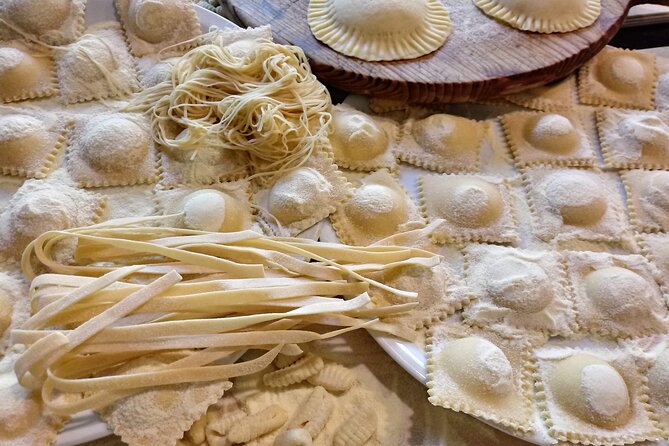
This is the kind of cooking class that feels like a day with locals, not a factory tour with a demo and a clipboard. You will be working with flour and eggs and turning that simple starting point into shaped pasta you can recognize on sight. Then you get the best part: you sit at the table and eat what you made.
What makes it especially appealing for many people is the structure. You do not just watch. You knead, cut, roll, and fill, so by the time you are eating, the food feels personal. The class also leans into Umbria-style comfort: straightforward ingredients treated with care.
One more practical point: the class runs about 3 hours, so it is long enough to learn and enjoy, but not so long you lose the day to logistics. And with a maximum of 6 travelers, you are less likely to feel like you are waiting your turn.
You can also read our reviews of more tours and experiences in Perugia.
Setting Up the Day at Colleulivo Home Cooking Classes in Umbria
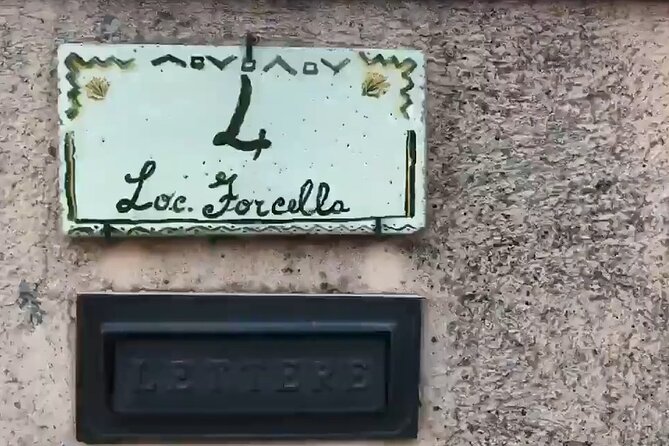
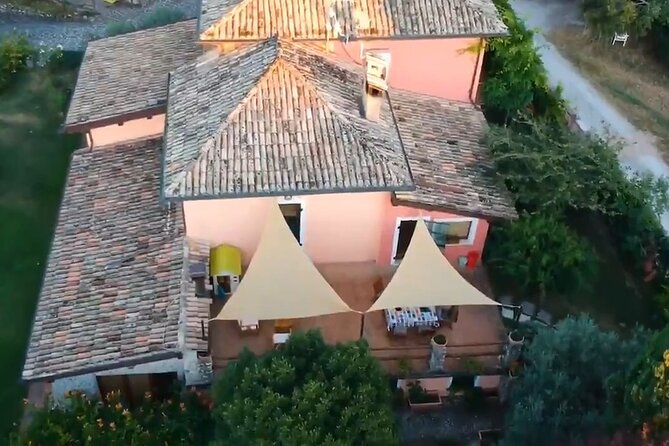
The meeting point is Colleulivo Home Cooking Classes in Umbria, Località Forcella, 4, 06049 Spoleto PG, Italy. The experience ends back at the same meeting point, which helps your planning after the meal.
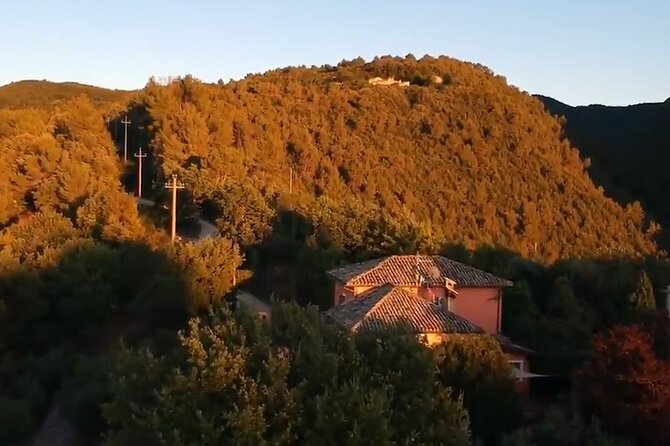
Transportation is not included, so your day depends on how you are getting around Umbria. If you are not driving, you will want to line up a reliable way to reach the countryside location. Once you arrive, the pace is relaxed and you can focus on cooking.
You can also count on clear logistics. You will receive confirmation at booking time, and you get a mobile ticket. The class is offered in English, and it is a group size capped at 6, which often means fewer distractions and more hands-on coaching.
From Dough to Tagliatelle: The Step-by-Step Cooking Flow
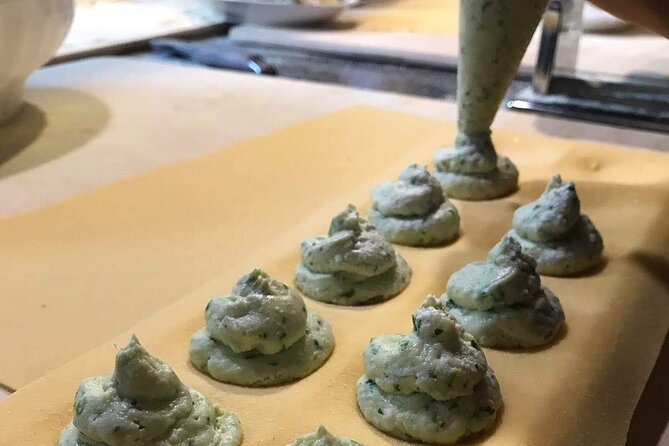
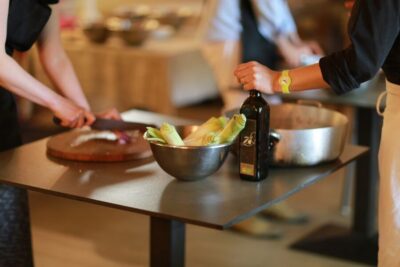
The class starts with the basics: pasta fresca made from flour and eggs. You mix the dough ingredients and work on it with your hands, learning the feel that tells you if it is coming together. The guiding idea is simple: create dough you can roll thin and shape cleanly.
From there, you knead and work the dough until it is ready. Then comes the fun part you can actually picture back home: you roll and cut tagliatelle. This is where “home cooking” stops being a label and becomes a skill. You learn how the thickness matters and why cutting shape is not random.
A small detail from the experience that stands out is the ingredient simplicity. The session emphasizes using straightforward components and letting technique do the heavy lifting. In other words, the point is not expensive shopping lists; it is learning how basic ingredients turn into something satisfying and different.
Coloring and Cutting: How Tagliatelle Gets Its Look
The title calls out colorful tagliatelle, and that is part of the appeal. Even without over-promising what colors come from, you should expect a visual step that makes your finished pasta feel special. This is the kind of detail that helps you remember the class beyond the taste.
Cutting tagliatelle also teaches you something practical: you are not just making a dish; you are learning how to create pasta portions that cook evenly. When you later try to make pasta at home, this part usually matters more than people expect.
You will likely work closely with the instructor and follow step-by-step guidance. One name that shows up clearly from the experience is Paola (sometimes spelled Paula). That matters because a good teacher does not just show you the move. They help you fix small problems early, like dough that is too dry or pieces that do not line up.
Walnut Ravioli: Filling, Sealing, and Avoiding Common Mistakes
Ravioli are where many cooking classes either get vague or get too crowded. Here, you get to actually make them: you fill ravioli as part of the hands-on flow. The ravioli in the class include walnuts, which gives the dish a distinctive flavor profile compared with plain cheese or meat options.
The real value of learning ravioli in a guided setting is control. Ravioli seem simple until you try them: overfill and they burst, underfill and they do not taste balanced, and sealing is where the texture gets won or lost. This experience builds those skills with small-group attention, so you are less likely to feel lost.
Even if you are not chasing perfection, the class teaches you the confidence to make ravioli that hold together. That is a useful souvenir: not a photo, but a technique you can reproduce.

The Meal You Cook for: Bruschetta, Fresh Pasta, Spoon Dessert
After the cooking, you sit down together to eat. The included menu looks like this:
- Starter: bruschetta
- Main: pasta fresca (your pasta experience tied to the meal)
- Dessert: spoon dessert
This is not a separate restaurant stop where you eat something unrelated. The meal is part of the same experience, so you taste the results immediately. That makes a difference. Fresh pasta can change quickly, and eating soon after making it is one of those simple advantages that you really notice.
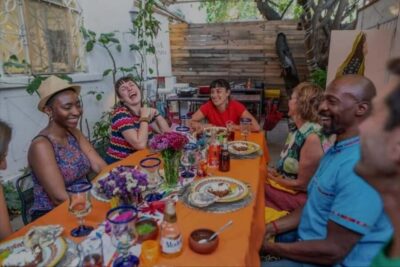
You also get bottled water and a glass of regional wine. That pairing matters because it turns the meal into the kind of convivial, family-style lunch or dinner Italians actually enjoy. One of the strongest signals from the experience is that the meal does not feel like compensation. It feels like the goal.
Why the Wine and Toast Matter More Than You Think
Many cooking classes include wine. What matters here is how it fits into the day. You cook, then you toast, then you eat a full course flow. That sequence turns your work into a shared moment instead of a task you rush through.
Regional wine can also be a great “taste map.” You are in Umbria, so the flavors tend to align with the cooking style. If you are the type who likes connecting what you eat to where you are, this is one of the easiest wins of the day.
And if you are thinking about pacing: you are not stuck with a long guided lecture before the food arrives. The meal follows naturally after the pasta work, which keeps energy up and makes the experience feel balanced.
Price and Value: Is $129.86 a Good Deal?
At $129.86 per person for about 3 hours, you are paying for instruction, hands-on guidance, and a full three-course meal with wine. That is the heart of the value. You are not only buying pasta. You are buying a small-group class where you physically learn technique, then get to eat it.
The small cap of 6 travelers also changes the equation. In a larger group, the instructor’s attention gets split. Here, the class structure is built for you to actually shape dough and complete steps, not just watch and hope.
Also consider timing. The experience is typically booked about 9 days in advance on average. If you are traveling around popular dates, booking earlier can keep you from having to compromise on class times.
Finally, transportation is not included, which can affect your true cost. If you are relying on taxis or rideshare, price comparisons should include that extra step. If you already have a car, this becomes a simpler “cost per experience” decision.
Who Should Book This Spoleto Pasta Class
This class is a great fit if you:
- want real skill-building, not a passive food tour
- like the idea of making two pasta types in one session (tagliatelle and ravioli)
- enjoy eating what you made, while it is fresh
- prefer a small group format with English guidance
If you are traveling with someone and you like doing one activity together that ends with a shared meal, this kind of class often lands well. One of the standout themes is how enjoyable the day can be when the instructor is warm and attentive, with Paola named for kindness and clear support.
If you have a strict schedule and need to fit in a lot of sights, the 3-hour window is manageable. You do not need to dedicate half a day beyond the class and your food time.
What to Expect on the Timeline (Without Guessing)
You can think of the day as three linked blocks:
1) Hands-on pasta work: dough mixing, kneading, rolling, cutting tagliatelle, then filling ravioli
2) Sit-down meal: bruschetta, pasta fresca, spoon dessert
3) Pairings: bottled water and wine during the meal
The experience ends back at the meeting point, which makes it easier to plan the rest of your evening. Since the class lasts about 3 hours, I recommend treating it as a main anchor activity: plan fewer moving parts before or after.
Practical Tips That Will Actually Help You
Because this is flour-and-dough work, you will feel most comfortable if you dress for mess. Wear clothing you do not mind if it picks up a little flour. Also, be ready to stay engaged: the best results come when you follow the instructor’s cues on dough texture and shaping.
If you care about the meal portion, plan your day so you can enjoy it. You will be eating after you cook, and the courses are part of the included experience. Go hungry, or at least not stuffed from an earlier big meal.
Finally, since transportation is not included, confirm your route in advance. The meeting point is in the Spoleto area at Colleulivo Home Cooking Classes in Umbria, Località Forcella, 4. Having your plan ready reduces stress and helps you arrive on time.
Quick FAQ
FAQ
How long is the cooking class?
The experience is about 3 hours.
What is included in the price?
The class includes hands-on cooking, a 3-course meal (bruschetta, pasta fresca, and dessert), bottled water, and wine.
Does the tour include transportation?
No. Transportation services are not included.
What language is the class offered in?
It is offered in English.
How many people are in the group?
The class has a maximum of 6 travelers.
Can I cancel for a refund?
Yes. You can cancel for a full refund up to 24 hours before the experience’s start time.
Should You Book This Spoleto Pasta Experience?
Book it if you want a small, hands-on cooking class that ends with a real meal you helped create. The combination of making colorful tagliatelle and walnut ravioli, eating a full three-course spread, and sharing it with regional wine is strong value for the time.
Skip it (or at least rethink it) if you do not want to handle transportation to a countryside meeting point, since the experience does not include transport. Also, if you are only interested in eating and not learning technique, you might prefer a food-focused tour instead.
If you love practical skills, good instruction, and an easy day that ends with dinner, this is a very smart way to spend a few hours in Umbria.