REVIEW · VOLTERRA
Volterra: Fresh Pasta Cooking Class at a Tuscan Farmhouse
Book on GetYourGuide →Operated by Agriturismo Biologico Diacceroni · Bookable on GetYourGuide
Fresh pasta class in the hills? Yes, please. I love how this cooking class turns the usual Tuscany sightseeing routine into hands-on cooking at a working farmhouse near Volterra. You’ll learn three traditional pasta shapes, using ingredients from the farm and then sit down to eat what you made with sauces and Diacceroni wine. The only real drawback to plan for is that it runs for a set 2-hour block in rain or shine, so you’ll need to dress for the weather and commit to the timing.
What makes it especially appealing is the atmosphere: you’re not touring a museum kitchen. You’re at an agriturismo where the meal feels like a Tuscan family lunch rhythm—apron on, station set, flour flying, and stories mixed in as the dough comes together. The group setup is friendly and personal, and instructors like Lucia (and Ilanea, if you’re lucky) are known for keeping you moving and smiling so your pasta actually turns out. One consideration: pickup and drop-off aren’t included, so you’ll want to be sure you can reach the agriturismo meeting point on your own.
In This Review
- Key Things That Make This Class Worth Your Time
- Fresh Pasta at a Working Farmhouse Near Volterra
- Arriving at Peccioli: Your Station, Your Apron, Your Pace
- Learning Three Pasta Shapes the Hands-On Way
- The workflow you can expect
- If you get Lucia or Ilanea, here’s the teaching vibe
- From Dough to Lunch (or Dinner): Sauces, Wine, and Eating Results
- The wine pairing
- When you can’t finish
- What $118.95 Really Buys You in Tuscany
- Practical Logistics That Affect Your Day
- Who Should Book This Pasta Class (and Who Might Hesitate)
- Should You Book the Volterra Fresh Pasta Class?
- FAQ
- What is included in the Volterra fresh pasta cooking class?
- How long does the cooking class last?
- What will I learn to make during the course?
- Where does the class meet and start?
- Does the price include wine?
- Is hotel pickup or drop-off included?
- Is the class held in bad weather?
- What if I have allergies or intolerances?
- Is the activity wheelchair accessible?
- FAQ
- Can I cancel and get a full refund?
- Is extra food or drinks included?
Key Things That Make This Class Worth Your Time
- A working farmhouse in the Volterra countryside: you cook where the day-to-day happens, not in a studio.
- Three pasta shapes in just 2 hours: a filled pasta plus two egg-pasta styles, so you get real technique, not just one gimmick.
- Your own station with apron and ingredients ready: less waiting, more doing.
- Chefs share recipe stories and Tuscan curiosities: you learn the why behind the steps.
- You eat what you make, with traditional sauces: the meal is part of the learning curve.
- Diacceroni wine included: it pairs naturally with the food you worked for.
Fresh Pasta at a Working Farmhouse Near Volterra
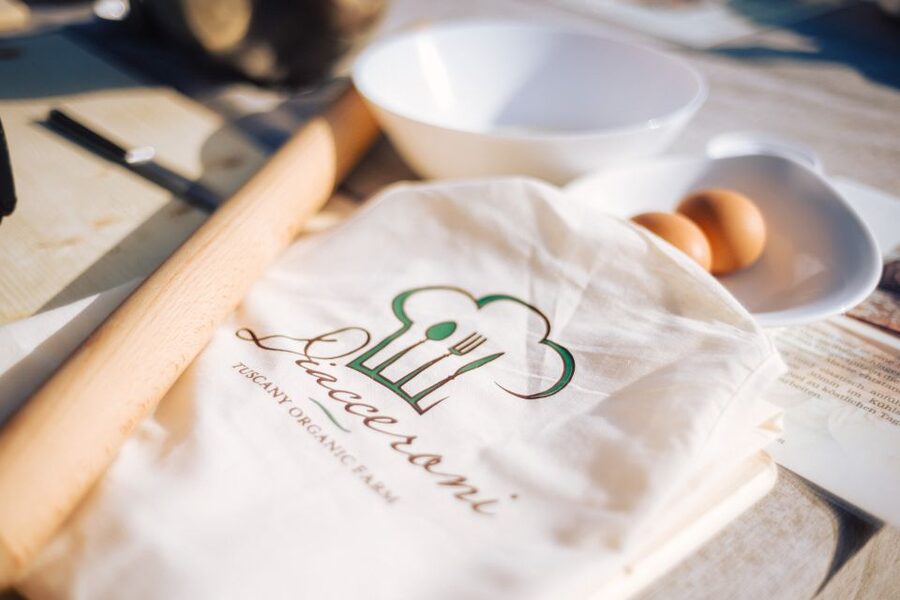
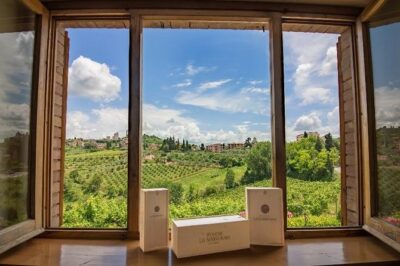
If you’ve ever watched a pasta video and thought, I could never do that, this is the kind of class that makes the skills feel doable. The setting matters. You’re in the rolling countryside around Volterra at a working farmhouse, and that instantly changes the tone from commercial activity to lived-in food culture.
The class centers on a very practical goal: you’ll make three traditional pasta shapes—one filled pasta and two types of egg pasta—then you’ll have those same creations served and enjoyed with classic sauces. It’s not just cooking for cooking’s sake. The instructors guide you through the steps, then you sit down and eat your results like a proper meal, not a snack.
I also like that the experience doesn’t pretend Tuscan cuisine is complicated just because it has tradition behind it. The focus stays on technique and comfort—how dough should feel, how to shape without overthinking, and how sauces tie everything together.
Arriving at Peccioli: Your Station, Your Apron, Your Pace
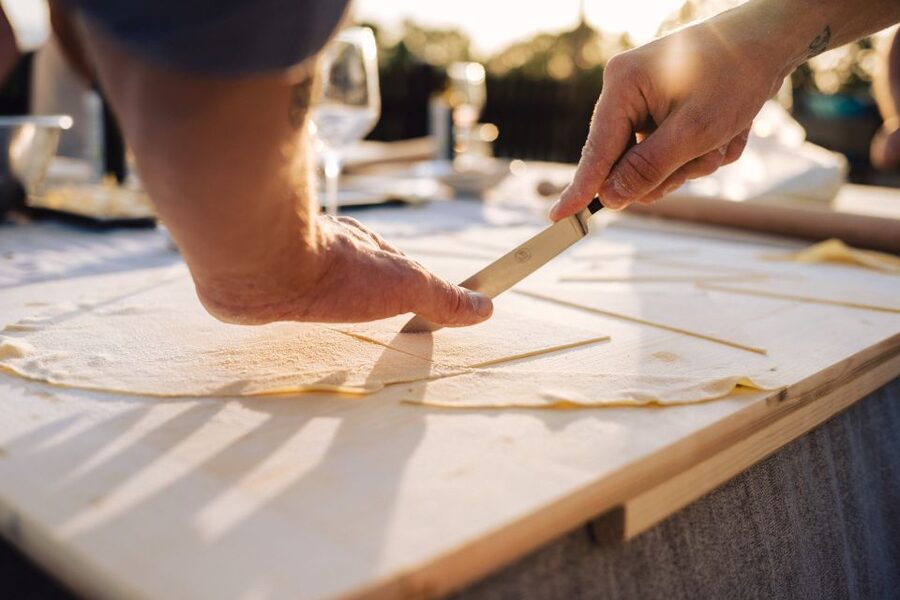
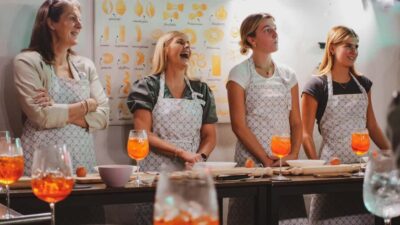
The meeting point is the reception of the agriturismo in Peccioli (Via della Bonifica, 156). From there, you’re welcomed at your station. That’s a small thing that makes a big difference. You don’t spend the first chunk of your time waiting around. You get set up with an apron and the ingredients laid out for your pasta.
The class runs in a cheerful, festive atmosphere that mirrors a typical Tuscan family lunch. That matters because pasta-making can get a little stressful in a group setting, especially when you’re learning by doing. Here, the vibe is tuned for momentum and learning without pressure.
And yes, it takes place rain or shine. So even if the Tuscan sky looks moody, the cooking continues. Dress in layers and expect to move around at your station. If you’re used to city pacing, this kind of slower, station-based work will feel like a reset.
Language support is also clear: instructors are listed as Italian and English, so you’ll be able to follow along without guessing at the steps.
Learning Three Pasta Shapes the Hands-On Way
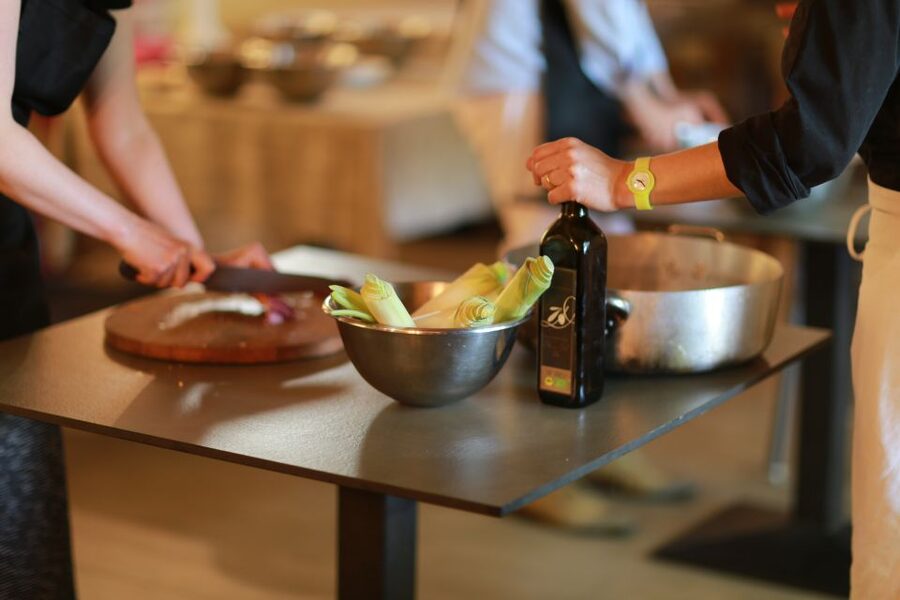
This is the heart of the experience, and it’s where the value really shows. You’ll work through preparation of three traditional pasta shapes: a filled pasta and two egg-pasta varieties.
Why three? Because one pasta shape can teach you a technique, but three shapes teach you a range—rolling and handling dough, portioning and shaping, and then understanding how different forms relate to sauce and serving. You’re not walking away with just a recipe card. You’re leaving with a sense of how pasta behaves.
The workflow you can expect
You’ll start at your station with ingredients and utensils ready. The instructor will explain the process, and then you participate in the preparation. As you work, you can interact and ask questions. The class format also includes anecdotes and curiosities about traditional Tuscan cuisine, so the cooking doesn’t feel like a timed factory line.
One thing I appreciate is that the class is designed so you’re not just watching someone else do the hard parts. You get your hands in it. That’s what makes the final meal feel earned, not arranged.
If you get Lucia or Ilanea, here’s the teaching vibe
Some classes are strict. Others are fun. From what I’ve seen in the instructor style described, Lucia and Ilanea are both known for being personable and patient—keeping people on track and helping the group succeed at the same time. If you’re someone who gets nervous about dough, that kind of guidance matters.
You’ll also get a practical safety note baked into the instructions: if you have food allergies or intolerances, you need to inform the team when you make the reservation. That’s the responsible move, and it helps them handle your needs appropriately.
From Dough to Lunch (or Dinner): Sauces, Wine, and Eating Results
Once you finish shaping your pasta, the story continues at the table. Your pasta will be cooked and served, and the meal comes with traditional sauces that match what you made.
Here’s why this part is such a big deal: many cooking classes focus on the lesson, but then you eat something separate. This one is built around your specific pasta output. You cook it, it’s finished, then you eat it with the group as a proper meal.
The wine pairing
Diacceroni wine is included with the lunch or dinner. That’s not an afterthought. It’s integrated into the experience, and it makes the sitting-down phase feel like the next chapter, not the end of the activity.
When you can’t finish
If you end up with leftovers (it happens—especially when the meal is hearty), you can get help packing things up. In other words, you don’t have to rush to finish just because it’s served once and then gone.
What $118.95 Really Buys You in Tuscany
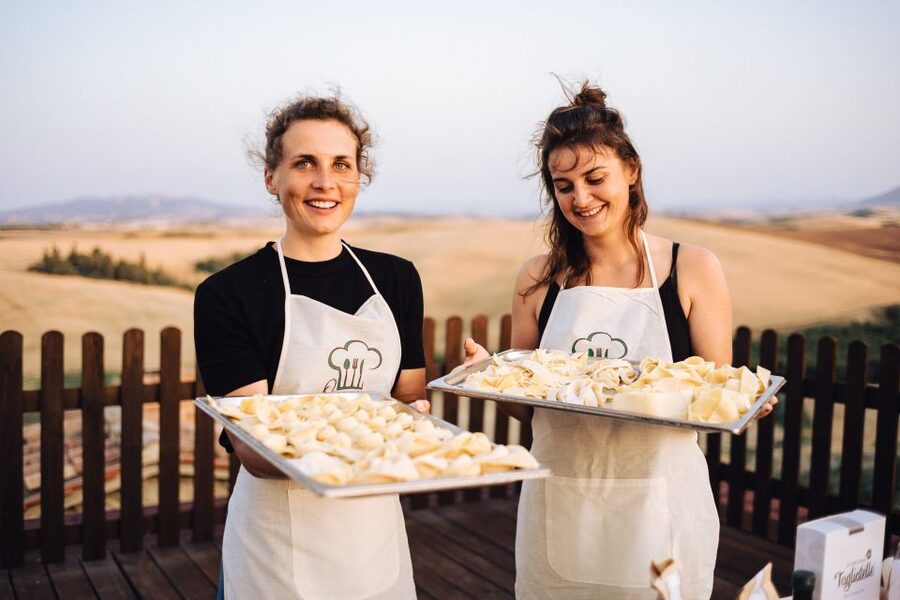
At $118.95 per person for about 2 hours, you’re paying for more than cooking tips. You’re paying for a full experience: an instructor, utensils, ingredients, and wine are included. That’s a key part of the value equation.
Let’s break it down the way I’d think about it:
- Instructor time and guidance: You’re not learning solo from a cookbook. You have teaching and feedback.
- Ingredients provided: Dough, fillings, and other components aren’t something you’ll need to source yourself.
- Utensils and setup: Your station is ready with what you need, so you’re not hunting gear or translating steps.
- Wine included: That’s part of the meal experience, not an add-on surprise.
- You eat what you make: That’s the payoff. The meal is built into the activity.
The main costs you won’t see included are extra menù (extra courses) and extra drinks. Also note that hotel pickup and drop-off aren’t included, so your plan depends on how you’re getting there.
In plain terms: if you want a hands-on Tuscany memory that isn’t just photos, this price starts to make sense fast.
Practical Logistics That Affect Your Day
This class is 2 hours, with starting times you’ll need to check for the day you want. You should plan to arrive a bit early so you’re not rushing at the station.
The meeting point is at the agriturismo reception in Peccioli, and the activity ends back at the same meeting point. That means your transportation plan matters. If you’re without a car, you’ll want to confirm how you’ll get there and back in advance.
Also remember: it runs rain or shine. If you’re visiting in shoulder season or during unsettled weather, this is still reliable. Just pack sensible clothing for outdoor farm conditions.
And if you’re traveling with accessibility needs, it’s listed as wheelchair accessible.
Who Should Book This Pasta Class (and Who Might Hesitate)
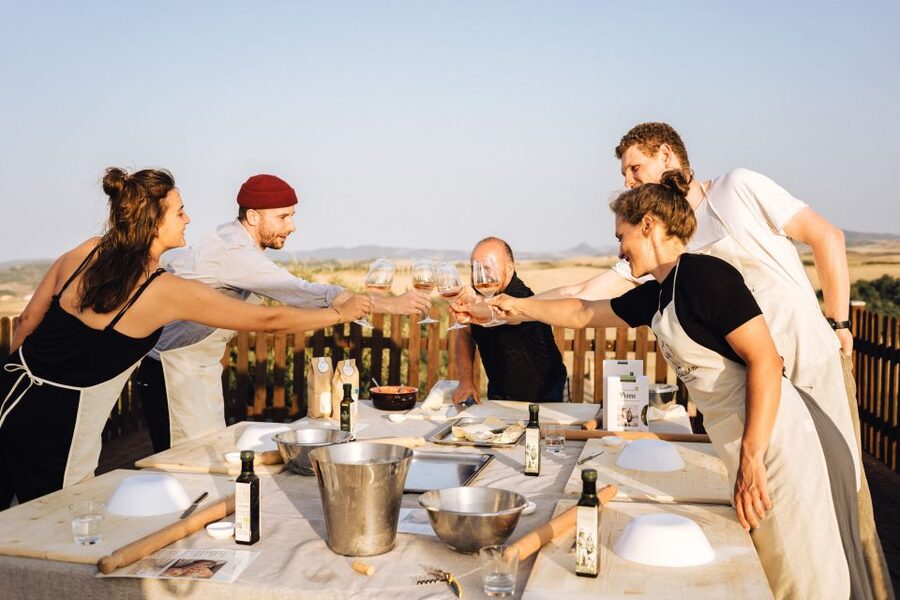
I think this works best for you if:
- you want hands-on food rather than another walking tour
- you like Italian cooking that’s tied to tradition and real technique
- you’re happy to spend a couple hours focused on one rewarding task
- you want a group activity that still feels personal at the station
It might be less ideal if:
- you’re expecting a quick tasting only (this is an actual cooking session)
- you don’t have an easy way to reach Peccioli on your own (since pickup isn’t included)
- you’re looking for a long, wandering countryside experience more than cooking
One more plus: some groups can be small enough to feel more like a guided workshop. The class format includes interaction time and chef anecdotes, and the instructor style described suggests you’re not lost in a crowd.
Should You Book the Volterra Fresh Pasta Class?
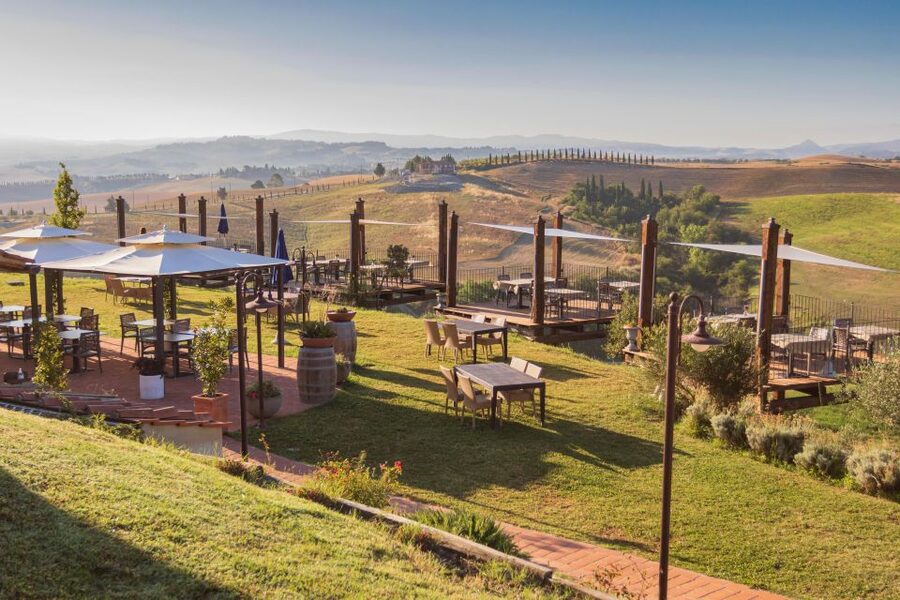
If your goal is to take home a tangible skill—and a meal you genuinely helped create—I’d book this. The combination of three pasta shapes, a working farmhouse setting, and a sit-down meal with traditional sauces and Diacceroni wine is exactly the kind of experience that turns Tuscany into more than scenery.
Book it if:
- you want a reliable 2-hour plan with clear structure
- you care about learning technique, not just eating
- you’re traveling with someone who enjoys doing, not just observing
Skip it only if logistics are a headache for you, or if you’re not interested in getting your hands involved. Otherwise, this is a smart value move for Tuscany. You’ll leave fed, with a story you can retell, and with enough pasta know-how to make dinner at home feel like a mini homecoming to Italy.
FAQ
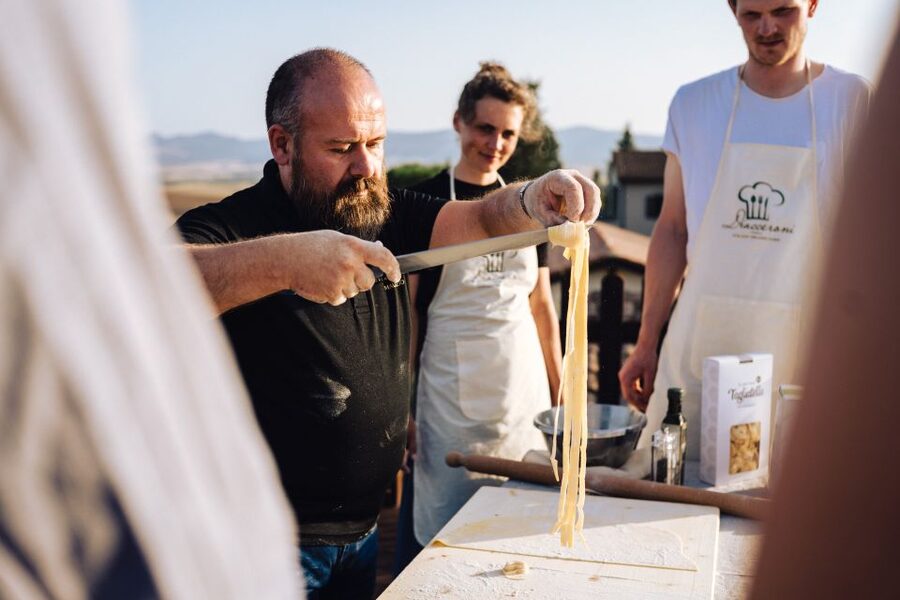
What is included in the Volterra fresh pasta cooking class?
The class includes the instructor, cooking utensils, ingredients, and wine.
How long does the cooking class last?
It lasts about 2 hours.
What will I learn to make during the course?
You will prepare three traditional pasta shapes: a filled pasta and two types of egg pasta.
Where does the class meet and start?
You meet at the reception of the Agriturismo in Peccioli, Via della Bonifica, 156.
Does the price include wine?
Yes. Diacceroni wine is included with the lunch or dinner.
Is hotel pickup or drop-off included?
No, hotel pickup and drop-off are not included.
Is the class held in bad weather?
Yes. It takes place rain or shine.
What if I have allergies or intolerances?
You should inform the provider when making your reservation so they can accommodate your needs.
Is the activity wheelchair accessible?
Yes, it is listed as wheelchair accessible.
FAQ
Can I cancel and get a full refund?
Yes. You can cancel up to 24 hours in advance for a full refund.
Is extra food or drinks included?
Extra menù and extra drinks are not included.