REVIEW · VOLTERRA
Volterra: Pizza Cooking Class in a tuscan farmhouse
Book on GetYourGuide →Operated by Agriturismo Biologico Diacceroni · Bookable on GetYourGuide
Pizza lessons in the middle of Tuscany hills.
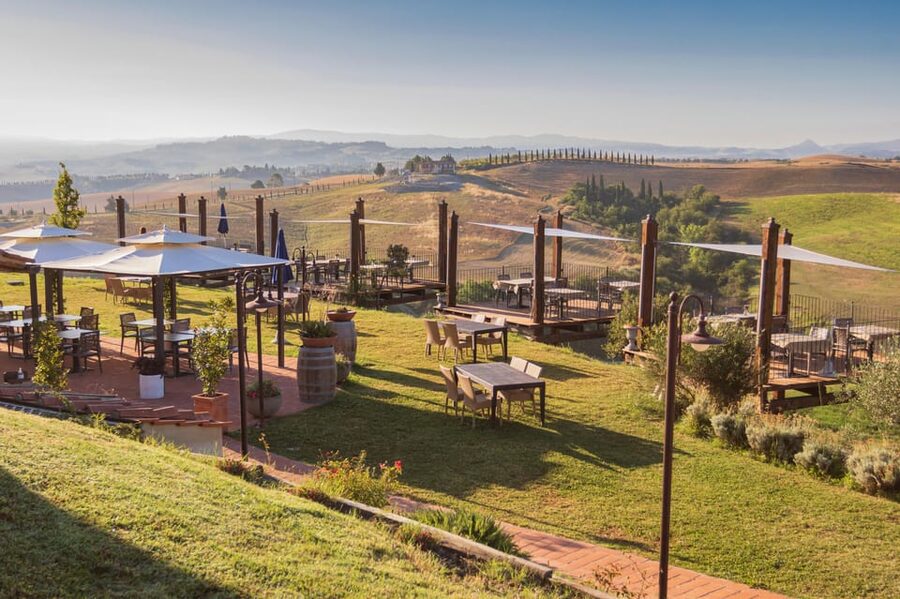
What makes this class special is the setting: a working farmhouse in rolling countryside where you learn pizza with a real chef-led flow. I love hands-on dough work and the fact you can take your pizza dough home to finish later, so the class keeps paying off after you get back to your room.
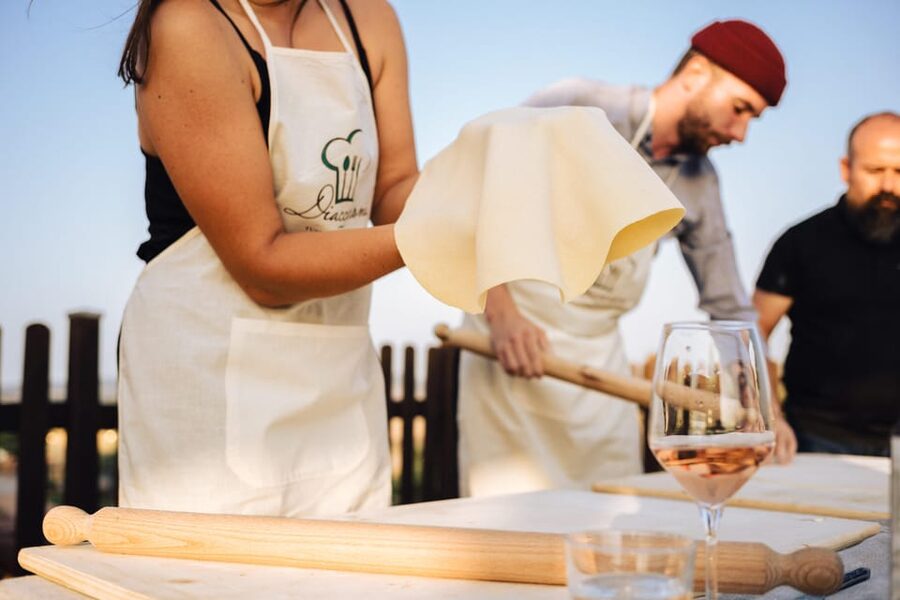
One thing to think about: the prep and cooking area is outside on a covered patio, and the experience runs rain or shine. If you get cold easily, bring layers and plan for a bit of weather, not just a cute outdoor photo moment.
In This Review
- Key Things That Make This Volterra Pizza Class Worth Your Time
- A Working Agriturismo Outside Volterra, With Real Tuscan Lunch Energy
- Getting Set Up at Your Station: Apron, Ingredients, and a Clear Start
- The Pizza Portion: Dough-Making Skills You’ll Actually Use
- Wood-Burning Oven Magic and the Toppings Moment
- The Sweet Part: Shortcrust Pastry, Filling, and Biscuits to Take Home
- What’s Included (and What’s Not) So You Don’t Get Surprised
- Price Reality Check: Is $118.95 Fair for a 2-Hour Class?
- Logistics That Actually Matter for Your Day
- Who This Pizza Class Is Best For
- Should You Book This Volterra Pizza Cooking Class?
- FAQ
- How long is the Volterra pizza cooking class?
- Where do you meet, and where does it end?
- Is the class offered in English?
- Does the class run in bad weather?
- What is included in the price?
- What should you do if you have food allergies or intolerances?
Key Things That Make This Volterra Pizza Class Worth Your Time
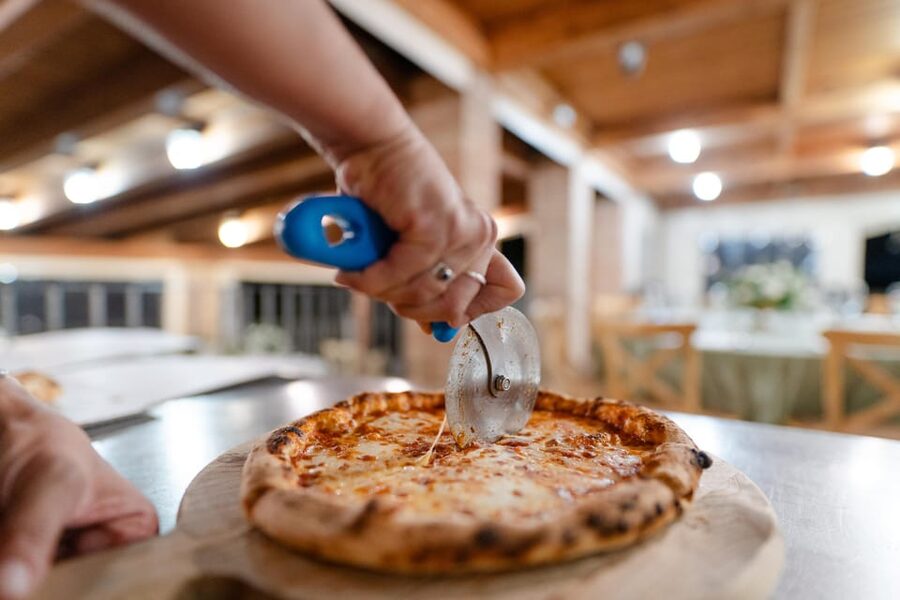
- Working farmhouse setting in the hills near Volterra, not a city kitchen
- Chef-led pizza workshop with Italian and English during the cooking
- You make dough and learn the process, plus take dough home to use later
- Wood-burning oven cooking right in front of you, with your finished pizza served
- Diacceroni wine paired with your meal, and extra drinks not included
- Sweet finish you can take home: shortcrust pastry, fillings, and decorated biscuits
A Working Agriturismo Outside Volterra, With Real Tuscan Lunch Energy
This experience is based at Agriturismo Biologico Diacceroni, a working farmhouse setting up the whole mood. You arrive to a reception area, then head to your station where everything is ready for you: an apron, tools, and ingredients. The vibe is closer to a cheerful family-lunch scene than a stiff cooking school.
Even if your Italian is limited, the class runs in Italian and English, so you are not stuck watching for cues. The best part is that the chefs don’t treat it like a script; you get anecdotes and curiosities connected to traditional Tuscan cuisine as you cook. That context matters because it turns pizza from just food into food with a point of view.
The farm location also affects your day in a good way. It slows you down. You get that countryside rhythm while everyone is busy with flour, dough, and conversation, and you’re not just hopping from one sight to the next.
You can also read our reviews of more tours and experiences in Volterra.
Getting Set Up at Your Station: Apron, Ingredients, and a Clear Start
When you show up at the reception, you’re assigned a station. You’ll find your apron there, along with the tools and ingredients you need to cook. That little detail sounds basic, but it helps the class move smoothly in just two hours.
Here’s how that translates into a better experience for you:
- You can jump in fast without a long orientation.
- Your hands stay busy, so you learn by doing instead of only watching.
- You don’t waste time figuring out what goes where.
The class is designed for interaction, not passive attendance. You’re expected to participate, and you get room to ask questions while the chef explains techniques.
And if you have dietary needs, say so before you arrive. You’ll want to inform them of any food allergies or intolerances when making the reservation so they can handle it safely.
The Pizza Portion: Dough-Making Skills You’ll Actually Use
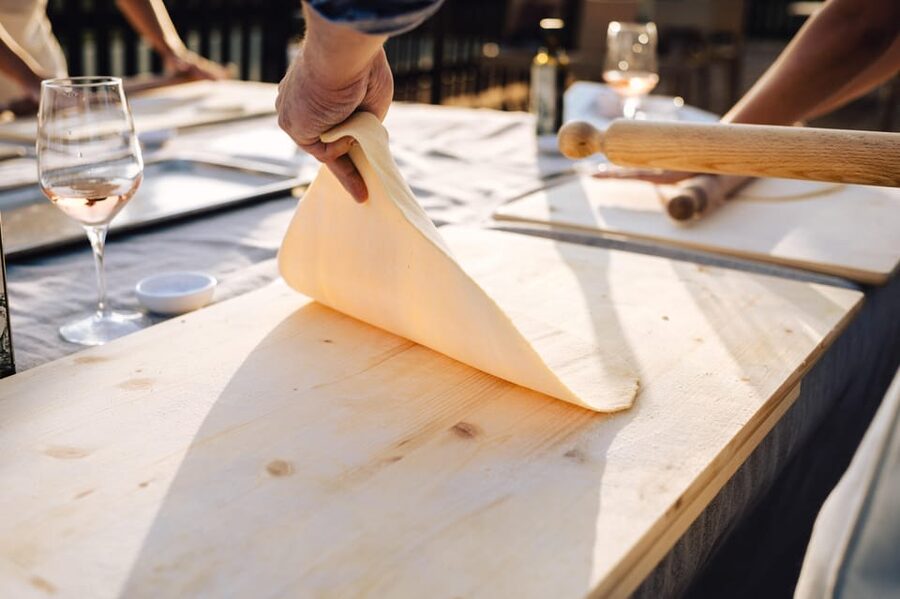
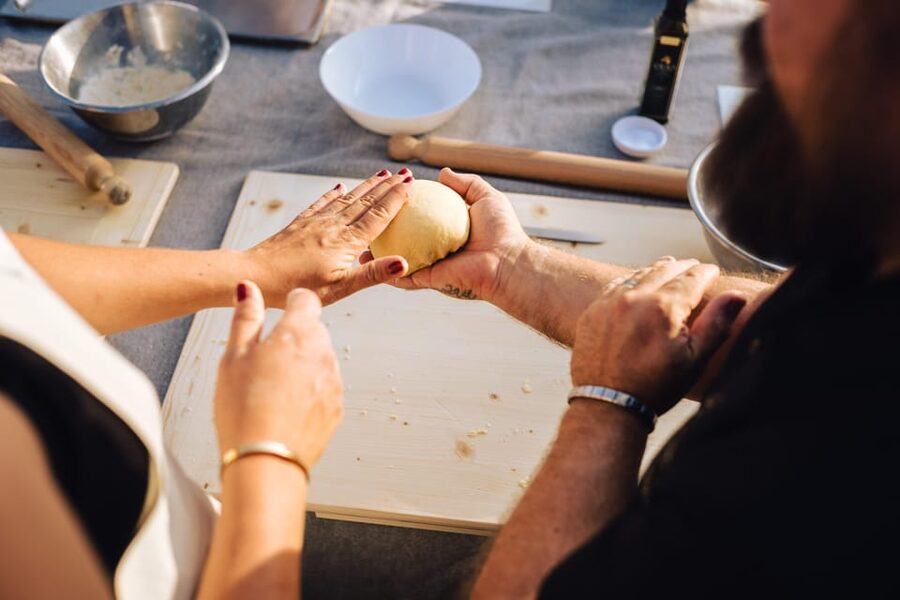
The workshop takes you through preparing traditional pizza dough. After that, the pizza gets cooked and served later with the ingredients that were prepared for your session.
Timing is the trick in a two-hour class, and they handle it smartly. One guest experience described how the chef taught the dough process and then used dough that was ready for cooking that day, while still letting participants take dough home. That approach makes sense: dough often needs rest time, but you still want to eat pizza during the class, not two days later.
So what you should expect from your learning, in practical terms:
- You learn how the dough starts, how it’s handled, and the logic behind the steps.
- You end up with instructions for how to finish or enjoy what you took home.
- Your dough knowledge sticks, because you touched it, shaped it, and watched how the process connects to the finished pizza.
The chefs teach with personality. In different sessions, you might meet instructors like Amir, Ilenia, or Maurizio. In the experiences I’ve read, each of them was described as energetic and focused on teaching tricks, not just cranking out food. That matters because the best pizza lesson is not only the recipe; it’s the technique you can repeat at home.
Wood-Burning Oven Magic and the Toppings Moment
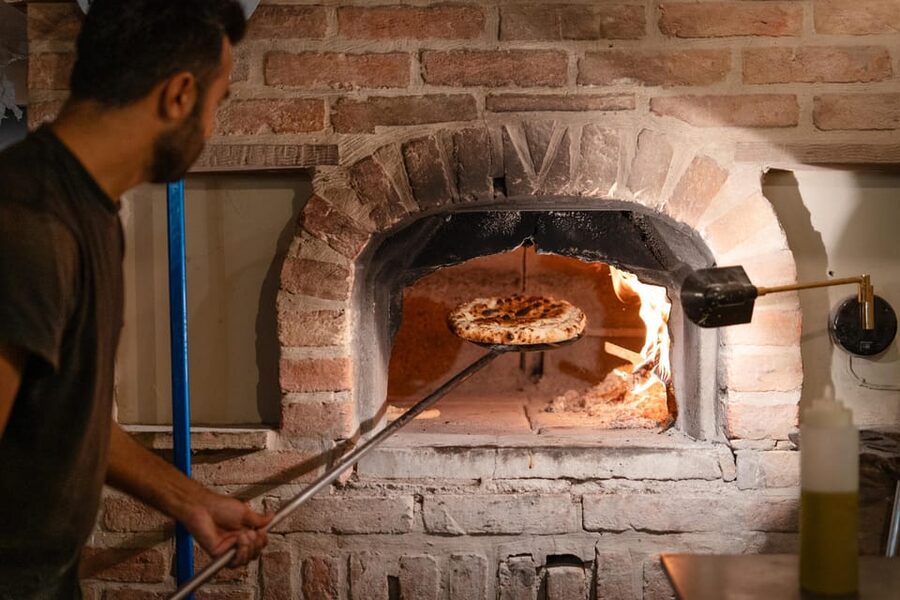
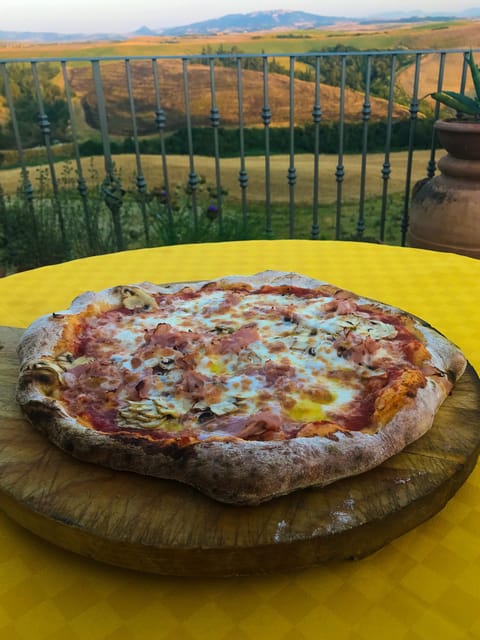
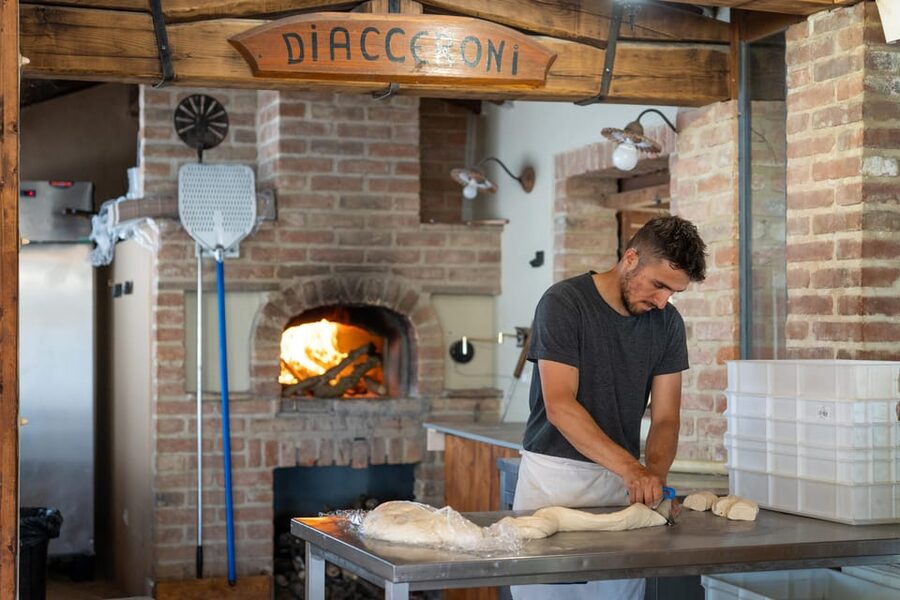
The cooking part is the highlight for a lot of people because it’s not abstract. The wood-burning oven happens right in front of you, and you see your pizza go from dough to something that smells like Italy.
In one class experience, the group was able to choose toppings they liked while waiting for the pizzas to finish. Even if your session’s exact flow differs, the takeaway is consistent: you’re part of the process up to the moment you eat.
Then the meal lands: you’ll be served the pizza you prepared. It’s cooked, garnished, and presented as a real sit-down experience, not snack-time. Pair that with excellent Diacceroni wine included with your lunch or dinner, and you’ve got a full Tuscany meal arc rather than a quick cooking demo.
A small practical note: because the pizza is already risen when it’s cooked, you’re not spending the full two hours waiting for dough fermentation. The class design keeps you learning and tasting without dragging the timeline.
The Sweet Part: Shortcrust Pastry, Filling, and Biscuits to Take Home
This isn’t only pizza, and that’s a big reason the value feels strong. After the savory work, you move into sweet baking.
You can expect to:
- Prepare shortcrust pastry
- Make your favorite cake filling
- Decorate biscuits
- Taste your sweet inventions
- Take the biscuits you made home
That “take home” detail is more than cute. It turns your class into an edible souvenir you can share. It also helps the course feel complete: you’re not just doing one cooking skill and leaving.
If your session includes an extra dessert step like tiramisu, that can happen alongside the pizza timing. I’ve seen descriptions where Ilenia started with tiramisu from scratch and it chilled while the pizza dough work was ongoing. Another instructor, Maurizio, also helped with a more designed tiramisu approach. If your day includes it, it usually fits the same idea: something Italian, something you make, and timing that keeps the oven moment on schedule.
What’s Included (and What’s Not) So You Don’t Get Surprised
At a glance, you’re not paying for just instruction. You’re paying for a whole setup that supports real participation.
Included:
- Everything at your station: tools, ingredients, and an apron
- Chef-led pizza prep and cooking
- Meal with pizza you prepared and Diacceroni wine
- Sweet-making components, including biscuits you decorate and take home
Not included:
- Extra menu items
- Extra drinks beyond what’s part of the meal setup
This matters for planning because the class price is already doing most of the heavy lifting. If you’re the type who likes to keep drinks minimal, you’ll likely feel like the price is fair. If you want lots of extra drinks or additional courses, you should expect to spend more on top.
Price Reality Check: Is $118.95 Fair for a 2-Hour Class?
At $118.95 per person for a roughly two-hour experience, you’re in the middle of the cooking-class pricing world. What makes it feel reasonable is what’s built in:
- You cook at a real agriturismo, not a rented studio.
- You get tools, ingredients, and an apron at your station.
- You eat what you make.
- Wine is included with your meal.
- You leave with take-home food: pizza dough and biscuits.
The value is strongest if you want an experience that feels like you’re eating dinner in the countryside while learning a technique you can repeat. It’s less ideal if you only want a quick taste of pizza without doing hands-on work or you already know how to make dough and only want toppings.
Also, the class runs in Italian and English. That’s practical value. It saves you from the frustration of feeling lost mid-recipe.
Logistics That Actually Matter for Your Day
This is not a door-to-door tour. There’s no hotel pickup or drop-off, so plan to reach the agriturismo on your own.
The farm is about 20 minutes north of Volterra based on one described experience. If you’re staying in Volterra itself, that’s doable, but it’s still worth factoring in driving time, parking, and the chance you’ll move slower on countryside roads.
Start and end are both at the reception area, so you don’t need to plan a second transport step afterward. Just remember the prep/cooking area is outdoors on a covered patio and the activity runs rain or shine. That affects what you should wear more than you might expect.
Who This Pizza Class Is Best For
This is the right fit if you:
- Want hands-on cooking in a real Tuscan farmhouse setting
- Like learning dough and baking techniques, not only eating prepared food
- Enjoy paired meals with wine
- Want a meaningful take-home souvenir (pizza dough instructions and your decorated biscuits)
It’s also a good choice for groups. In experiences described, classes sometimes become very small, even private-feeling. If you’re traveling with 2–5 people, you’re likely to get more interaction.
If you dislike outdoor activities or you want something fully indoors, you may want to skip this one or pack for weather. The covered patio helps, but it’s still not a sealed kitchen.
Should You Book This Volterra Pizza Cooking Class?
I’d book it if you want a Tuscany day that combines cooking skills, a proper meal, and edible souvenirs, all set on a working farm. The two big reasons are you learn dough hands-on and you take something home you actually made.
Skip it if your main goal is a short, indoor tasting experience with no weather factor, or if you’re trying to keep spending extremely tight. The price makes sense when you compare what’s included: station setup, wine, the meal you cook, and take-home dough and biscuits.
If you’re excited by pizza and sweets, and you don’t mind an outdoor patio kitchen, this is one of those experiences that feels worth the trip beyond the food itself.
FAQ
How long is the Volterra pizza cooking class?
It lasts about 2 hours.
Where do you meet, and where does it end?
You start at the Agriturismo reception and the activity ends back at the same meeting point.
Is the class offered in English?
Yes. The instruction is available in Italian and English.
Does the class run in bad weather?
Yes, it takes place rain or shine.
What is included in the price?
You’ll get the tools, ingredients, and an apron at your station, plus the pizza course and the included wine with your meal. You also make biscuits that you take home.
What should you do if you have food allergies or intolerances?
Inform them when making your reservation so they can handle it appropriately.