REVIEW · TOKYO
Ramen Making from Scratch – Tokyo Ultimate Cooking Class
Book on Viator →Operated by Patia's Japanese Cooking Class · Bookable on Viator
Ramen-making can turn lunch into a hands-on project, and this class teaches you Jiro-style ramen from the first mix of flour. You’ll learn to make the noodles, prepare the rich garlic-infused soup, and cook the chashu pork so you can replicate the whole bowl at home. The trade-off to note: vegan and vegetarian options aren’t available, so this is very much a pork-based experience.
I also like that the class finishes with tasting time right after cooking, so you get to eat what you made while it’s fresh. Another strong point is the small group feel (up to 12 travelers), plus lunch is included. If you want to pair this with more sightseeing, keep in mind this option does not include an Akihabara walking tour.
In This Review
- Key Points at a Glance
- Jiro-Style Ramen Class: What Makes This Experience Worth Your Time
- The Schedule: 12:20 Meet, 12:30 Cook, 13:30 Taste
- What You Actually Make: Noodles, Garlic Soup, and Chashu Pork
- Fresh noodles from flour
- Garlic-infused rich soup
- Chashu pork as the topping
- One flexibility: pork to chicken with notice
- Tasting Time: Your Lunch After Your Work
- Later-Downloadable Photos: A Small Perk With Big Appeal
- Take-Home Recipe: How This Helps You Cook Again Later
- Price and Value: Why $91.45 Can Make Sense in Tokyo
- Who This Is Best For (And Who Might Want to Skip It)
- Things to Know Before You Go (So the Day Stays Easy)
- Should You Book This Ramen Making Class?
- FAQ
- What is the duration of the ramen making class?
- What time should I arrive?
- What’s included in the price?
- Is hotel pickup or drop-off included?
- Can the chashu be changed from pork to chicken?
- Are vegan or vegetarian options available?
- Is this class combined with an Akihabara walking tour?
Key Points at a Glance
- Full bowl training: noodles, garlic broth, and chashu pork from scratch
- Real timing: cooking runs about 1 hour, then you taste and eat your lunch
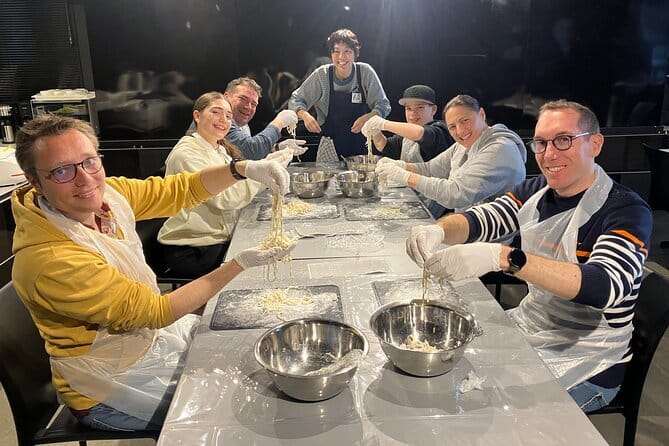
- Small class size: maximum 12 travelers for a more hands-on pace
- Photos included: later-downloadable pictures during the experience
- Take-home result: you’ll learn a process you can repeat back home
Jiro-Style Ramen Class: What Makes This Experience Worth Your Time
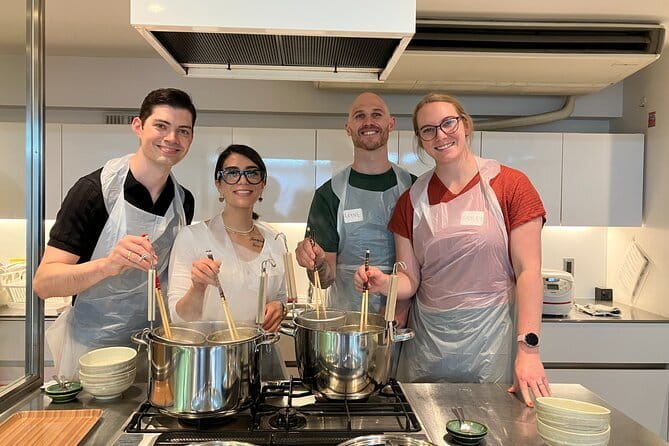
If you like the idea of learning ramen by doing, not just watching, this class is built for that. You’re not pulling a simple trick or assembling a pre-made kit. Instead, you’re making the core elements: fresh noodles, a rich soup built around garlic flavor, and chashu pork as the topping.
What I find especially practical is that the class is designed to get you from ingredients to finished bowls within a tight timeframe (about two hours total). That matters in Tokyo, where time can vanish fast. By the end, you should walk away with a clearer understanding of how the pieces fit together, not just a meal you bought somewhere.
There’s also something grounded in how the experience is described: thick noodles, a soup that leans into garlic, generous chashu slices, and vegetables. That combination makes a specific style of ramen, not a vague “ramen experience.” It’s a good match if you want a recognizable dish you can recreate.
You can also read our reviews of more tours and experiences in Tokyo.

The Schedule: 12:20 Meet, 12:30 Cook, 13:30 Taste
Plan around a straightforward flow. You’ll meet around 12:20, then the hands-on cooking class runs from 12:30 to about 13:30. After that comes tasting time at around 13:30, which is when you get to eat your ramen lunch.
This pacing is smart. One hour of cooking keeps things moving while the process is still fresh in your head. Then tasting time acts like feedback: you see, feel, and taste what you made, which makes it easier to remember the techniques later.
A practical note: the tour ends back at the meeting point. So you’re not dealing with hotel pickup and drop-off, which can save time but also means you should plan your own route in advance.
What You Actually Make: Noodles, Garlic Soup, and Chashu Pork
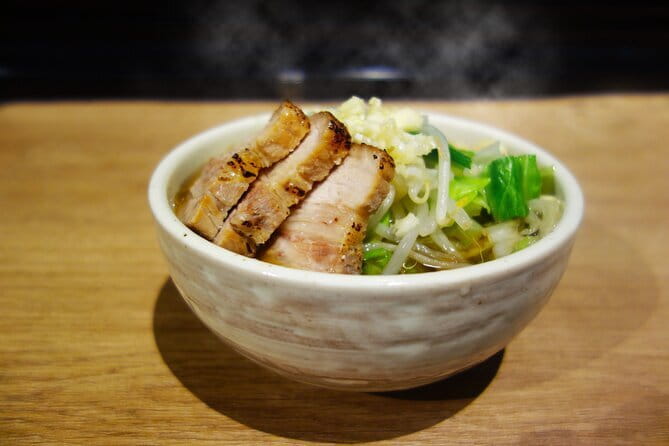
This is the core of the experience, and it’s where the value comes from. The class is explicitly about making Jiro-style ramen elements from scratch, so you’re working on multiple parts of the dish rather than focusing on one component.
Fresh noodles from flour
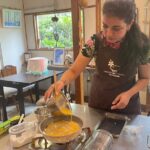
You’ll make the noodles starting from flour. That’s a big difference from ramen classes where the noodles are already done for you. Working the dough and shaping noodles trains your eye and hands to understand texture and thickness, which is key for a Jiro-style outcome. The class description highlights thick noodles, so you’ll know what “the look” is supposed to be as you go.
Garlic-infused rich soup
Next up is the soup. You’ll prepare a rich garlic-infused soup, which is the flavor backbone of this style. Even if you’ve eaten Jiro-style ramen before, cooking the broth process helps you understand how “garlic-rich” becomes more than just adding a strong ingredient. It becomes a direction for the entire bowl.



Chashu pork as the topping
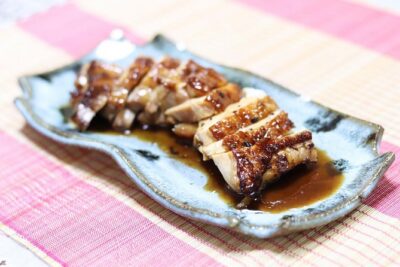
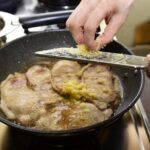
Then comes the chashu. You’ll cook chashu pork as part of the class. The description notes generous slices of chashu topped on the ramen, plus vegetables. That means you’re learning not only a topping, but also how to finish the bowl the way this style expects it.
One flexibility: pork to chicken with notice
If you want to swap the chashu from pork to chicken, you can ask for that if you let the team know more than 48 hours in advance. That’s a useful option if your group has dietary preferences that don’t align perfectly with pork, but you still want the core ramen style.
Tasting Time: Your Lunch After Your Work
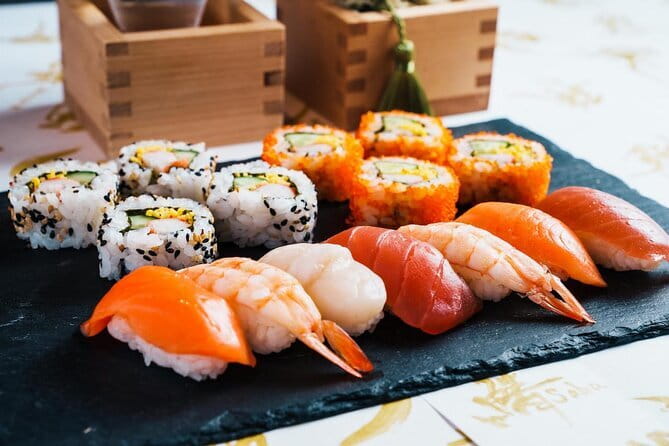
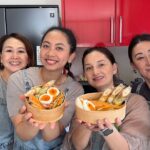
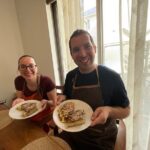
After an hour of cooking, tasting time is where the experience turns into a full meal. Lunch is included, and the class wraps with you eating what you prepared.
Why this matters: cooking and then eating right away makes the learning stick. If something tastes off, you can connect that to what you did in the kitchen. If it tastes right, you’ll remember what that felt like, which helps when you try it again later.
Also, the ramen style is described in a very specific way: thick noodles, rich garlic soup, generously sliced chashu, and vegetables. So the tasting isn’t just a generic food reward. It’s a chance to check whether your bowl matches the style you came for.
A couple of real-world signals from the feedback you’re relying on here: people talked about staff being great and flexible, the lunch being delicious, and the overall experience being fun for families. That lines up with what you want from a cooking class in a city like Tokyo: friendly guidance, a smooth pace, and food that lands as more than a demo.
Later-Downloadable Photos: A Small Perk With Big Appeal
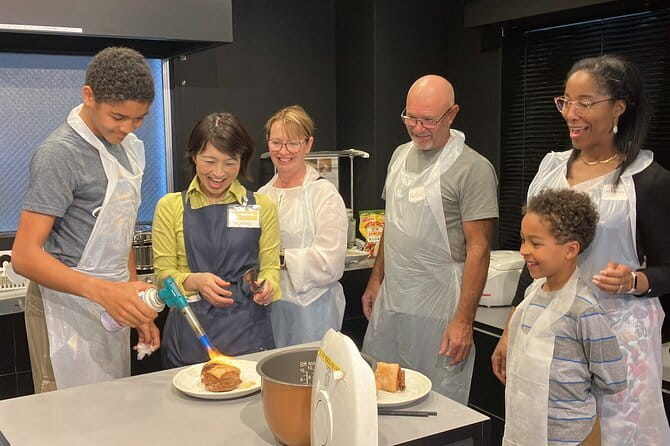
This class includes later-downloadable photographs taken during the experience. That’s not the same as cooking for Instagram, but it does remove the pressure of having to document everything yourself while you’re cooking.
In practical terms, it can help you remember the steps and how the finished dish looked in real time. It’s also a nice keepsake if you’re traveling with family or friends and want something to share after you’ve left the kitchen behind.
Take-Home Recipe: How This Helps You Cook Again Later
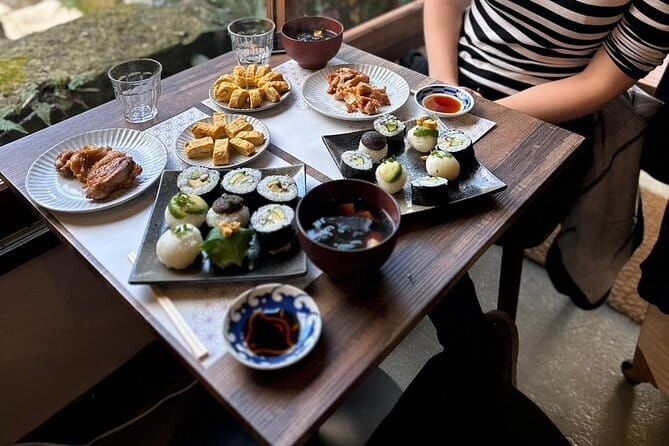
One of the best promises in the class description is that you’ll be able to replicate the dish at home. That’s the difference between a cooking show and a cooking lesson.
You’ll get the overall process for:
- making the noodles from flour
- preparing the rich garlic-infused soup
- cooking the chashu pork
- finishing the bowl with vegetables and the right style of toppings
Even if your first attempt at recreating it at home isn’t perfect, learning the structure of the dish helps a lot. You’ll understand what the ramen is supposed to be: thick noodles, a garlic-forward rich broth, and generous chashu slices.
If you like cooking, you’ll likely enjoy the idea of treating this like a skill you can repeat, not just a one-time meal. And if you don’t cook much, the structured lesson still gives you a realistic path to try again.
Price and Value: Why $91.45 Can Make Sense in Tokyo

At $91.45 per person, this isn’t a budget activity, but it also isn’t priced like a fancy private chef setup. The value comes from what’s included:
- the cooking experience
- lunch
- later-downloadable photos
In Tokyo, paying for a short, guided, hands-on class can be a smarter deal than spending time and money figuring out ingredients and steps on your own. You’re paying for the instruction and the fact that the class runs as a complete ramen workflow within about two hours.
The small group limit (maximum 12 travelers) is another value driver. A larger class can turn “hands-on” into “watch and snack.” Here, the format is set up to keep it interactive.
Also consider timing: the experience starts at noon and ends back near the meeting point. That means it fits into a day without eating up your whole afternoon, which helps you get more out of Tokyo travel.
Who This Is Best For (And Who Might Want to Skip It)
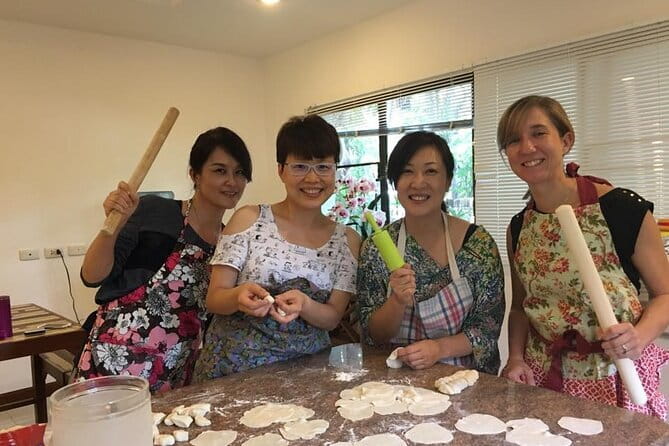
This class fits best if you:
- want to learn how to make a specific style of ramen, not just learn “ramen basics”
- like hands-on cooking and want to leave with a process you can repeat
- are traveling with family and want a shared activity that ends in a meal you make together
The feedback you have available also points strongly toward families and group enjoyment. People described it as fun, staff as flexible, and lunch as delicious. That’s what you want from a class: a calm pace with support, so you’re not stressed trying to keep up.
Skip it if you:
- need vegan or vegetarian options (none are available)
- are looking for a sightseeing-focused experience like a city walk (this option does not include an Akihabara walking tour)
Things to Know Before You Go (So the Day Stays Easy)
A few logistics and expectations will help you avoid last-minute surprises:
- Meeting and finish: you’ll meet around 12:20, cook from 12:30 to about 13:30, and taste around 13:30. The activity ends back at the meeting point.
- No hotel pickup/drop-off: you’ll need to get yourself there via public transportation (the location is near it).
- Group size: maximum 12 travelers keeps it more interactive.
- Minimum group size: it requires at least 2 people per booking.
- Mobile ticket: you’ll use a mobile ticket.
- Weather matters: the experience requires good weather. If it’s canceled due to poor weather, you’ll be offered a different date or a full refund.
Also, this class is described as not including an Akihabara walking tour. If your plan is to combine ramen with an Akihabara stroll, you’d need a separate booking for that add-on option.
Should You Book This Ramen Making Class?
I’d book this if you want a Tokyo meal that teaches you something real. The combination of from-scratch noodles, garlic-infused soup, and chashu pork is the kind of focused skill-building that makes a cooking class feel worth the money.
It’s also a great choice for groups who want an experience with a payoff: you cook, you taste, and you eat lunch you made. With a small maximum group size and included lunch, it tends to feel like a complete event rather than a brief stop.
One clear reason not to book: if you need vegan or vegetarian options, this isn’t the right match. And if your top priority is sightseeing, remember this is a kitchen-first experience, not a walk-around tour.
If your schedule fits and pork-based ramen works for your group, this is one of the more satisfying ways to spend a couple hours in Tokyo. You’ll leave with both a full stomach and a better idea of how to recreate Jiro-style ramen later.
FAQ
What is the duration of the ramen making class?
The class runs for about 2 hours total, with cooking from around 12:30 to 13:30 and then tasting time at about 13:30.
What time should I arrive?
You’ll meet at approximately 12:20, with the cooking class starting at 12:30.
What’s included in the price?
The price includes the cooking experience, later-downloadable photographs during the experience, and lunch.
Is hotel pickup or drop-off included?
No. Hotel pickup and drop-off are not included.
Can the chashu be changed from pork to chicken?
Yes, if you let the provider know more than 48 hours in advance, they can change the chashu from pork to chicken.
Are vegan or vegetarian options available?
No. Vegan and vegetarian options are not available for this class.
Is this class combined with an Akihabara walking tour?
No. This experience does not include an Akihabara walking tour. If you want both, you’d need to book the separate combined option.