REVIEW · BIG ISLAND OF HAWAII
Farm to Table Cooking Class at Kulaniapia Falls
Book on Viator →Operated by Kulaniapia Falls · Bookable on Viator
Fresh veggies, then lunch.
This farm-to-table class at Kulaniapia Falls turns Hilo’s morning into a working garden visit plus a hands-on plant-based meal. I like that you harvest a big chunk of what you’ll eat (often 90%+ of your lunch), and I also love the payoff: you eat what you helped grow, with Hilo Bay and Mauna Kea views while you cook.
The one thing to plan for: the hands-on balance can vary. You’ll do a lot of prep (and it can get messy), but on some days the final cooking may be shared with the chef or volunteers, so you might not touch every step yourself.
In This Review
- Key highlights worth clocking
- Kulaniapia Falls: what this cooking class is really like
- Your morning flow: from garden walk to a shared lunch
- 1) Meet up at Kulaniapia Falls and get oriented
- 2) Walk the farm with your guide, then harvest produce
- 3) Back to the cooking space: views plus real kitchen time
- 4) Cooking and prep: you’ll do a lot, but not necessarily every step
- 5) Eat your farm-to-table lunch, then take recipes home
- What’s on the menu: seasonal produce, plant-based comfort
- Pricing and value: is $169 worth your morning?
- Who should book this class (and who should skip it)
- Small group size: why it matters here
- Practical tips that make your day smoother
- A quick note on planning ahead
- Should you book Kulaniapia Falls farm-to-table?
- FAQ
- What time does the class start?
- How long is the farm-to-table cooking class?
- Where do I meet for the experience?
- Is the lunch included?
- Is it plant-based?
- How many people are in a group?
- Is gratuity included in the price?
- Can I cancel and get a refund?
- What language is the class offered in?
Key highlights worth clocking
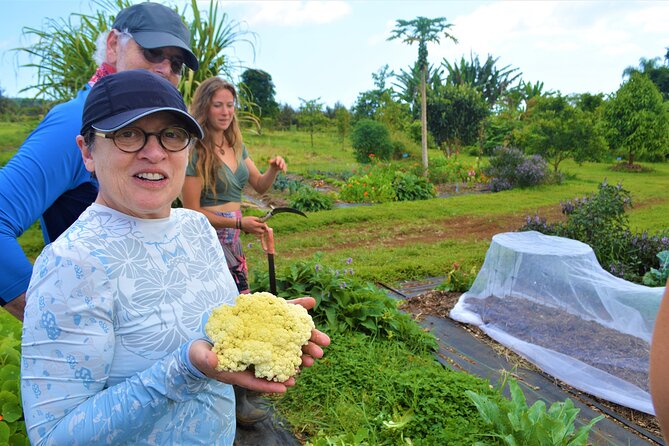
- Harvest 90%+ of your lunch from seasonal, farm-grown produce you pick yourself
- Max 8 people, which keeps the experience relaxed and practical
- Plant-based focus with take-home recipes so you can repeat the lunch at home
- Farm-to-table taught in real life, by people who grow and cook on-site
- Views during the cooking stage, including Hilo Bay and Mauna Kea
- Hands-on garden work means closed-toe shoes are smart (you’ll be on uneven ground)
Kulaniapia Falls: what this cooking class is really like
This isn’t one of those “sit and watch” cooking demos. The heart of the experience is the loop: you walk the farm, you pick the food, then you turn it into lunch. And it’s plant-based, grown from rich volcanic soil—so the lesson feels practical, not preachy.
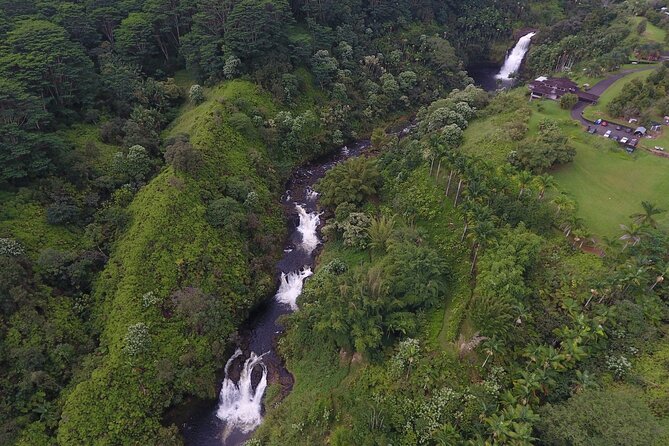
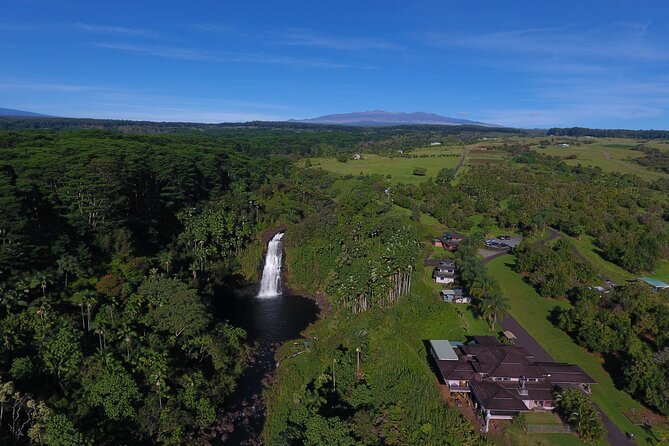
The location helps too. The class meets at 100 Kulaniapia Dr, Hilo, and it’s set on the grounds of Kulaniapia Falls. That means the food lesson comes with a proper break from the usual Big Island routine—bamboo garden vibes, waterfall views, and plenty to notice as you move around.
Your morning flow: from garden walk to a shared lunch
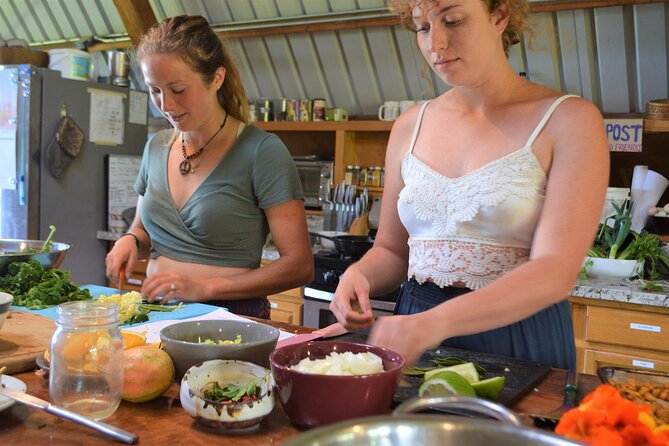
The class runs about 4 hours and starts at 9:30 am. The rhythm stays simple: arrive, explore and harvest, cook/prepare, then eat what you made. You end right back where you started.
Here’s how the timing usually feels, and what to pay attention to:
1) Meet up at Kulaniapia Falls and get oriented
You’ll start at the activity’s meeting point at 100 Kulaniapia Dr in Hilo. Expect a quick greeting and then you’ll head into the farm area with the group.
Because the group size is capped at 8, you’re not fighting for attention. You can ask questions while things are still fresh—why certain crops are ready, how harvesting works, and what they aim for when they grow food for a kitchen.
2) Walk the farm with your guide, then harvest produce
This is the main event: guided stroll through the gardens, then harvest. The emphasis is on fruit-and-veg maturity—picking food that’s actually ripe, not just picked because it exists.
In past sessions, guides have included people like Natalie (who’s led farm touring and vegetable picking) and Ayden (described as enthusiastic and helpful). The names may change, but the role is consistent: you’re learning from someone who works the property and cares about how the food gets from soil to plate.
Two practical notes here:
- Wear tennis shoes or other closed-toe flat shoes. Grounds can be uneven with weedy patches.
- Bring your best patience for dirt. Hands-on farming work can be… enthusiastic.
3) Back to the cooking space: views plus real kitchen time
After harvesting, you shift into the cooking stage. One of the big perks is where this happens. The kitchen setup can be in a refurbished barn space with strong views—some people specifically mention ocean-facing scenery from a higher kitchen level.
Also, the class description promises Hilo Bay and Mauna Kea views while you prepare your food. Even if you’re not a “views person,” this matters. It makes the cooking feel less like an indoor workshop and more like a full morning out.
4) Cooking and prep: you’ll do a lot, but not necessarily every step
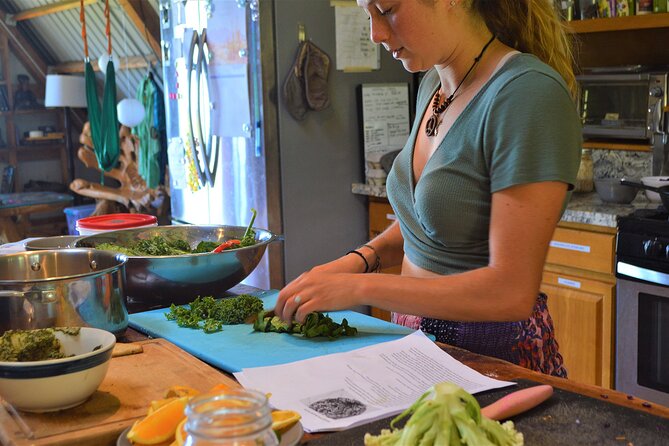
The experience is designed so you leave with confidence, and most of the work you do will be meaningful—harvesting, prepping ingredients, and learning how the meal comes together.
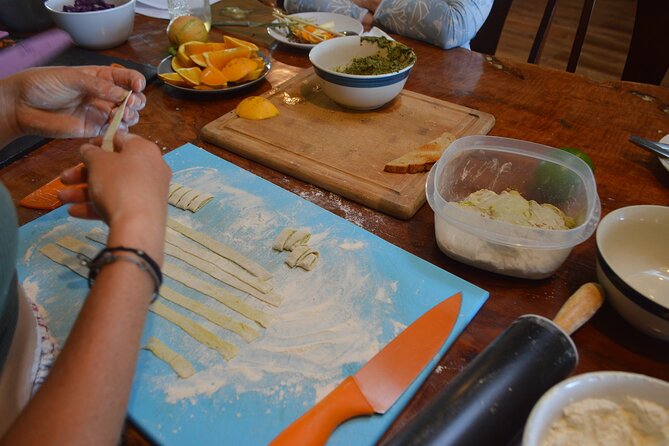
That said, the exact division of labor can vary. Some sessions have described a chef/volunteer handling more of the actual cooking while the class focuses on prep and coordination. Other sessions have described a bigger hands-on cooking portion. Either way, you’re going to smell, chop, and assemble something real.
If you’re the type who wants to run the entire show at the stove, go in with flexible expectations and focus on mastering the parts you can control: seasoning, timing, and how they build a lunch around what’s in season.
5) Eat your farm-to-table lunch, then take recipes home
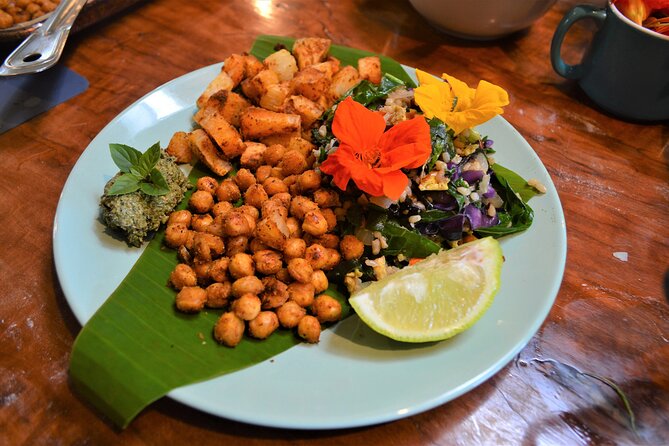
Lunch is included, made with farm fresh produce you harvest yourself. The class also provides plant-based recipes to take home, so you can recreate flavors later without needing the farm.
This is where the value becomes clear. You’re not paying only for the lunch you eat today. You’re paying for the “what do I do next time?” part.
What’s on the menu: seasonal produce, plant-based comfort
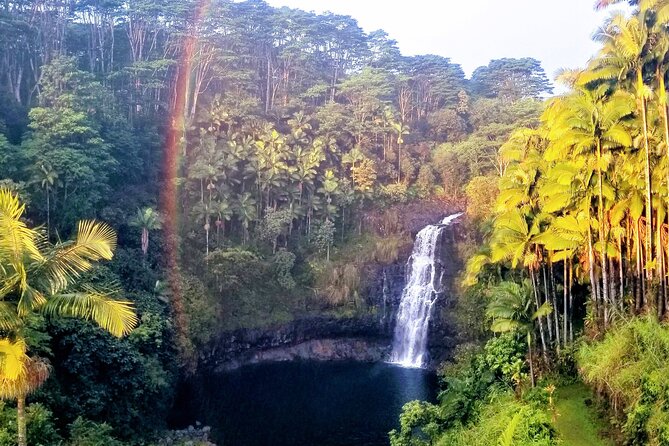
You won’t get a rigid menu. The lunch is built around seasonal produce grown on the farm, and you help harvest it. The promise is that 90%+ of your meal comes from what you pick.
Because it’s plant-based, meals tend to highlight vegetables and herbs rather than hiding them under heavy sauces. The benefit for you: you learn how to make produce taste like the main character.
Depending on the day, you might also notice extra farm-style touches mentioned in prior experiences, like feeding goats or sampling items like bananas right off the tree. Those aren’t listed as guaranteed menu items, but they fit the general “farm visit + kitchen lesson” vibe.
Pricing and value: is $169 worth your morning?
At $169 per person for about 4 hours, this class sits in the “you’re paying for a real experience” category. Here’s how I’d judge value before you book:
You get:
- Lunch included, made from produce you harvest (not packaged ingredients)
- A plant-based cooking class format, designed around seasonal crops
- Take-home recipes you can use again
- Small group size (max 8), which usually means more interaction and less waiting around
- A setting with views—Hilo Bay, Mauna Kea, and waterfall/farm scenery depending on how the day flows
You might pay extra for:
- Gratuity is not included. The typical suggestion shared for this activity is about $20 per person.
So the question isn’t just cost. It’s whether you want a farm connection plus a lunch you helped make. If you like practical food skills and you’re excited by ingredients picked at the right time, this price usually makes sense. If you mainly want a quick meal with minimal walking and prep, you may decide it’s more than you need.
Who should book this class (and who should skip it)
This is a strong fit for:
- Food lovers who learn best by doing, not watching
- People who want a plant-based cooking experience tied to real growing
- Anyone visiting Hilo who wants an “off the standard route” morning
You may want to skip or at least adjust expectations if:
- You prefer a very hands-on cooking role at the stove end-to-end
- You want a long, showy sit-down tasting menu instead of a work-and-cook format
- You’re sensitive to dirt and uneven ground (closed-toe shoes fix this for most people, but the garden element is real)
Small group size: why it matters here
Max 8 travelers changes the feel. In a class this short, it helps you:
- Ask questions when you actually have them
- Get individual help with cutting/prep steps
- Learn the “why” behind farm choices without feeling rushed
- Leave with recipes and clear takeaways (instead of a blur of steps you missed)
Even when a class runs in English only, small-group energy is what turns it from entertainment into learning you can use.
Practical tips that make your day smoother
These are the small choices that reduce friction:
- Wear closed-toe flat shoes. Uneven ground and weedy patches are part of the farm visit.
- Expect to get a little dirty. Soil and harvest gear happen.
- If you care about doing more cooking yourself, ask the team what the typical balance looks like for your session when you arrive. (Based on past experiences, it can vary.)
- Bring curiosity. The farm-to-table angle works best when you’re willing to learn how growing decisions affect flavor and texture later.
A quick note on planning ahead
This activity tends to book ahead (on average 46 days). If Hilo is your trip hub and you’re trying to fit this into a specific day, prebooking is your friend. The class also includes a mobile ticket, and confirmation happens at booking.
Should you book Kulaniapia Falls farm-to-table?
I’d book it if you want a morning that connects soil to plate, with a real lunch as the endpoint and recipes you can reuse at home. The combination of harvesting produce, plant-based cooking, small group size, and Hilo Bay / Mauna Kea views is the kind of practical value that sticks after your trip.
I’d think twice if you’re expecting a full, uninterrupted stove-control cooking class where you do every cooking step. Plan to share the process with a chef/volunteer depending on how the day runs—and be happy focusing on harvest and prep skills that translate to your own kitchen.
If you’re on the Big Island doing the usual must-dos and you want one morning that feels tied to place (not just sightseeing), this fits.
FAQ
What time does the class start?
The class starts at 9:30 am.
How long is the farm-to-table cooking class?
It runs about 4 hours (approx.).
Where do I meet for the experience?
Meet at 100 Kulaniapia Dr, Hilo, HI 96720, USA. The experience ends back at the same meeting point.
Is the lunch included?
Yes. Lunch is included, and you make it together using farm-fresh produce you harvest.
Is it plant-based?
Yes. The experience is described as a plant-based farm-to-table cooking class.
How many people are in a group?
The group is capped at a maximum of 8 travelers.
Is gratuity included in the price?
No. Gratuity is not included. The typical gratuity suggested for this activity is $20 per person.
Can I cancel and get a refund?
Yes. There is free cancellation. You can cancel up to 24 hours in advance for a full refund.
What language is the class offered in?
The class is offered in English.