REVIEW · ARCHANES
Special Cretan Cooking Class at Archanes (Transfer Optional)
Book on GetYourGuide →Operated by Localtrips4U.com · Bookable on GetYourGuide
One town, one stove, and you learn Cretan cooking fast. This small-group class in Archanes turns local ingredients into lunch you actually make, with hands-on instruction from an English-speaking cook. I love the 100% interactive format because you do the work, not just watch. I also like that the meal comes with local wine and raki, so the learning happens at the table. The only real catch is that this is mostly about the cooking and food, not a full day of sightseeing.
You’ll work with classic Cretan building blocks like olive oil, herbs, honey, vegetables, and meat, with historical tips along the way. The group is limited to 8, so you get attention when your tzatziki (or anything else) needs a second look. The main consideration: if you have dietary restrictions, tell them in advance so they can adjust for your needs.
In This Review
- Key things to know before you cook
- Why Archanes is a smart place to learn Cretan flavor
- How the 3.5 hours usually flows in the kitchen
- The dishes you’ll make, and what they teach you
- Lunch at the table: where the tasting becomes real learning
- Maria and the art of good prep (so you can actually participate)
- Vegetarian-friendly without the sad substitutions
- Small-group size: why max 8 matters
- What transfer adds (and how to think about it)
- Why the $78 price can make sense
- Who should book this class (and who might not love it)
- Should you book this Cretan Cooking Class in Archanes?
- FAQ
- How long is the cooking class?
- Is it a small group?
- What language is the instruction in?
- Do I eat what I cook?
- Are vegetarians welcome?
- What’s included in the price?
- Is free cancellation available?
Key things to know before you cook

- Small group (max 8) means you’re not squeezed in at the sidelines
- Interactive coaching keeps you moving from prep to plate with real technique
- Lunch is included and it’s made from the dishes you prepare
- Local wine and raki are part of the experience, not an afterthought
- Vegetarians are welcome, if you share needs ahead of time
- Archanes setting gives you a genuine Cretan town feel between courses
Why Archanes is a smart place to learn Cretan flavor
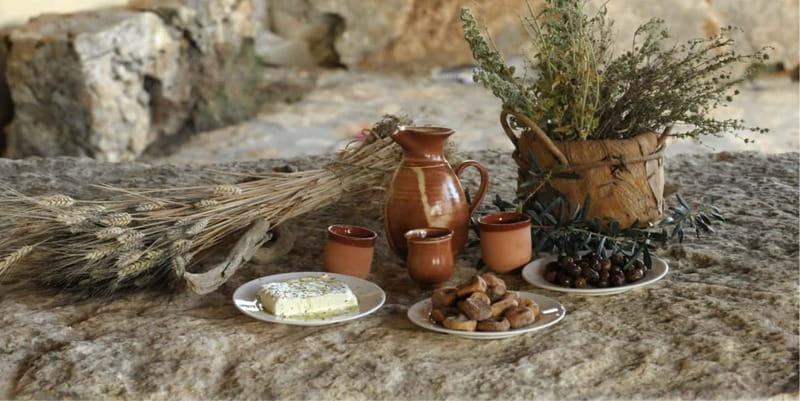
If you cross Crete, coast to coast, the food stops you in your tracks. Every region seems to have its own way of using the same basic ingredients: olive oil, herbs, vegetables, honey, and (often) meat. What I like about this class is that it focuses on that logic. You learn how flavors get built, not just how dishes get assembled.
Archanes is a good match for this kind of lesson. It’s not built around showy tourism. It’s the kind of place where you can feel how food is part of everyday rhythm. One review mentioned the cats and dogs that roam the streets, which is exactly the sort of normal, lived-in detail that makes the day feel real rather than staged.
How the 3.5 hours usually flows in the kitchen
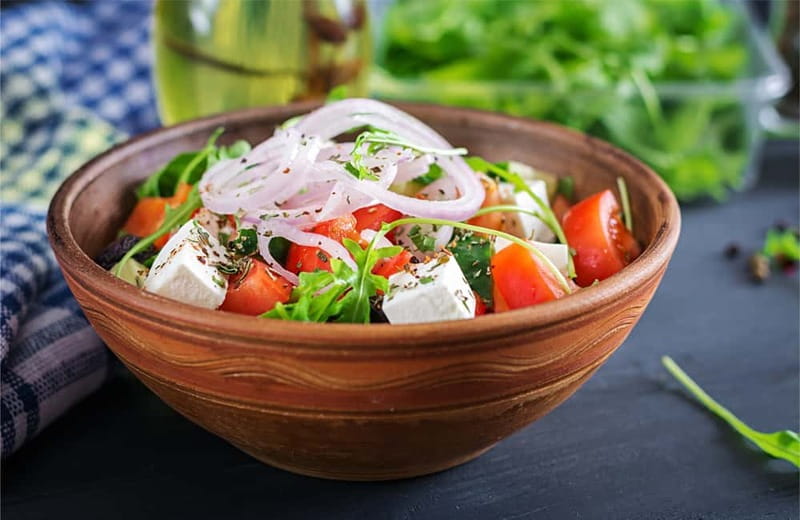
This experience runs about 3.5 hours, and it stays concentrated. You won’t spend half the day traveling or waiting around. You’ll start with a straightforward setup: you get an apron, cooking tools, and all the ingredients needed for the lunch. Then the cook guides you through prep steps and technique.
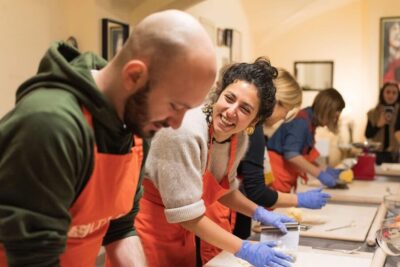
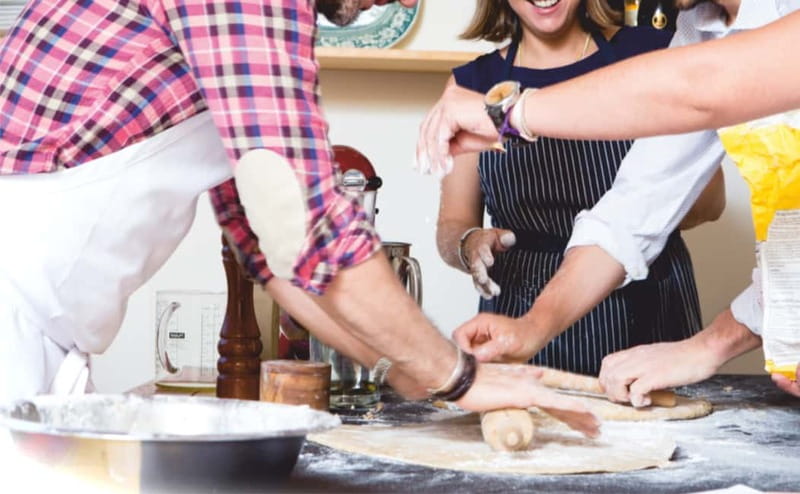
In many hands-on cooking classes, you end up doing one small task and watching the rest happen. Here, the point is participation. You work at your own station, and the instructor (English) supports you as you go. The learning is practical: chopping styles, mixing, seasoning, and timing are the skills you can repeat at home without needing a Cretan kitchen.
A nice detail from reviews is that workspaces and ingredients are prepped for you to jump in quickly. When everything is ready, you lose less time to logistics and more time to getting your hands on the food.
The dishes you’ll make, and what they teach you
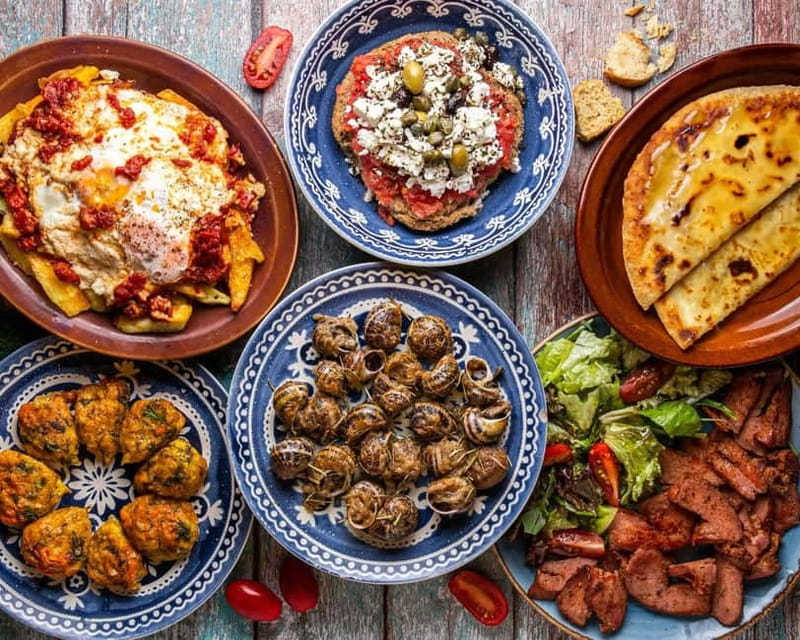
You’ll make classic Cretan favorites. In one reported session, the group cooked tzatziki, stuffed tomatoes, and cheese puffs. Even if your exact menu varies by session, you can expect the same overall approach: fresh ingredients, simple methods, and flavors that come from good basics.
Here’s why these types of dishes are such effective lessons:
Tzatziki teaches balance. You’re working with dairy (or a yogurt-style base), then adding cucumber and herbs, and seasoning until it tastes right. That’s a transferable skill: understanding how salt, acidity, and freshness work together.
Stuffed tomatoes teach structure. You’re combining filling and then managing texture so it cooks well without turning watery or bland. It’s the kind of technique that shows up in many Mediterranean recipes, not just one dish.
Cheese puffs teach heat and texture. Baking or frying-style cooking is usually where beginners struggle. Learning what the dough or batter should look and feel like helps you reproduce results later, not just mimic a recipe.
The class also covers the why behind Cretan cuisine, including historical tips tied to ingredients and traditions. That matters because it helps you remember the dish. You start to think like a cook: what’s the role of olive oil, what do herbs contribute, and how does honey change the way you perceive sweetness.
Lunch at the table: where the tasting becomes real learning
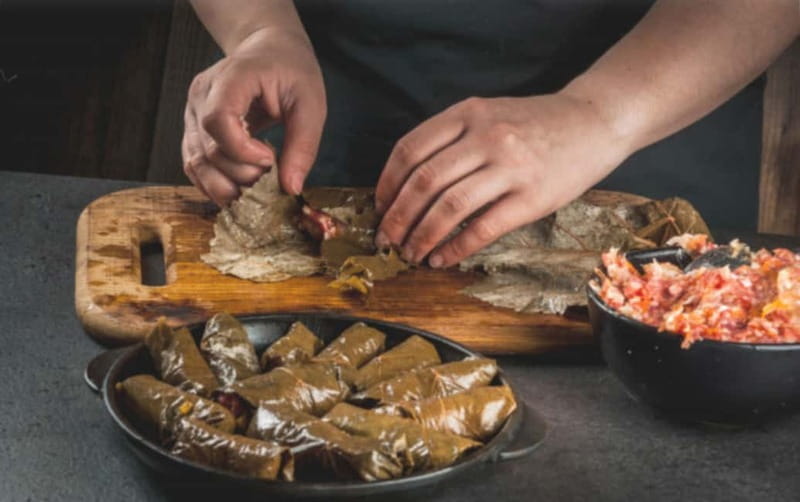
The best cooking classes don’t treat lunch as a separate activity. This one bakes the meal right into the experience. You’ll have the lunch you prepare and cook, so you get instant feedback on your work.
And yes, the day includes drinks. You’ll have plenty of local wine and raki with the meal, plus coffee and/or tea. Alcohol isn’t just there for celebration. It’s part of how locals share food and slow down long enough to notice flavors. If you’re tempted to rush through tasting, the pacing here nudges you to pay attention.
One practical advantage: you’re not responsible for sourcing anything. Ingredients are provided, and you’re using the same tools and setup the instructor expects. That lowers the stress level, which means you can focus on learning technique instead of thinking about what you forgot to bring.
Maria and the art of good prep (so you can actually participate)
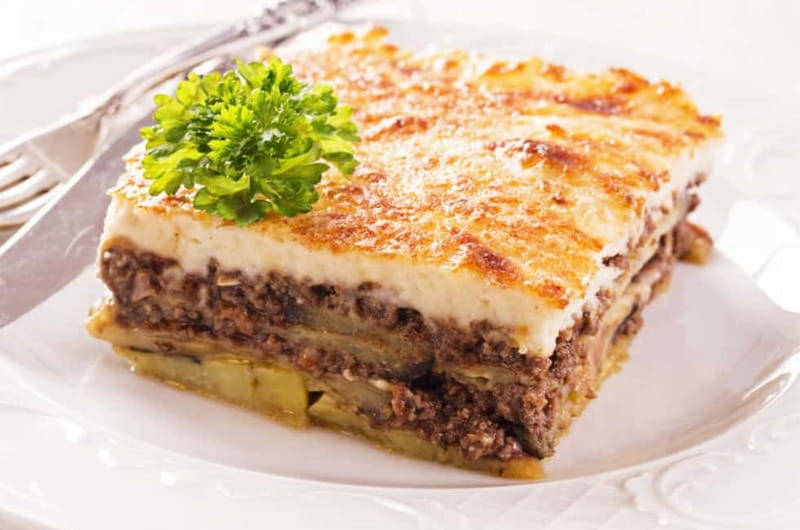
One review singled out the host-chef Maria for making the experience run smoothly. The key detail wasn’t just that she was friendly. It was how she set things up: ingredients and work areas were prepared so the group could start cooking right away.
That pre-work is what turns an okay class into a great one. If stations aren’t laid out, hands-on cooking becomes waiting and confusion. With good prep, you get into rhythm. You chop, mix, taste, adjust, and move forward. You also learn better because you see the results of small changes quickly.
If you care about learning, this is the kind of coaching style you want: clear guidance plus time to practice.
Vegetarian-friendly without the sad substitutions
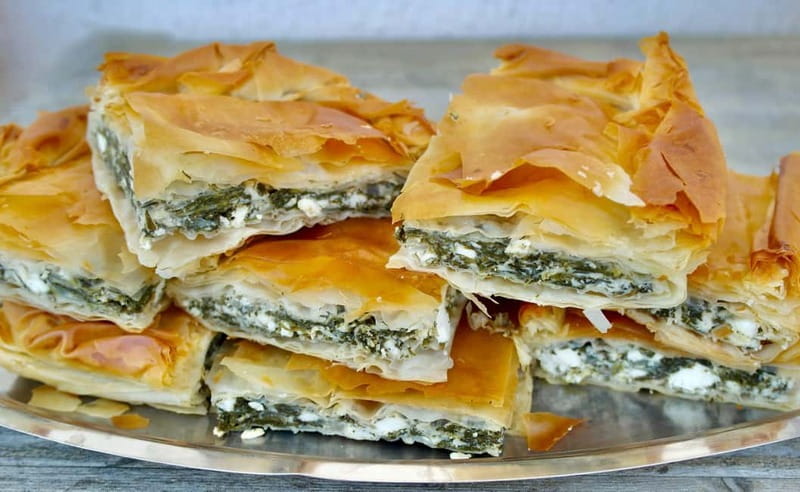
You don’t have to choose between learning and eating. The class welcomes vegetarians, and they ask you to let them know ahead of time about dietary restrictions or allergies.
That’s more than a checkbox. In one rainy-day scenario, the host handled dietary restrictions well while still keeping the group’s experience intact. So the expectation is that adjustments can be made—just don’t wait until you arrive to mention needs.
If you’re vegetarian, go in with questions ready. Ask how flavors are built without meat. Ask what herbs or vegetables are doing the heavy lifting. The more you engage, the more you’ll be able to recreate the dishes later.
Small-group size: why max 8 matters
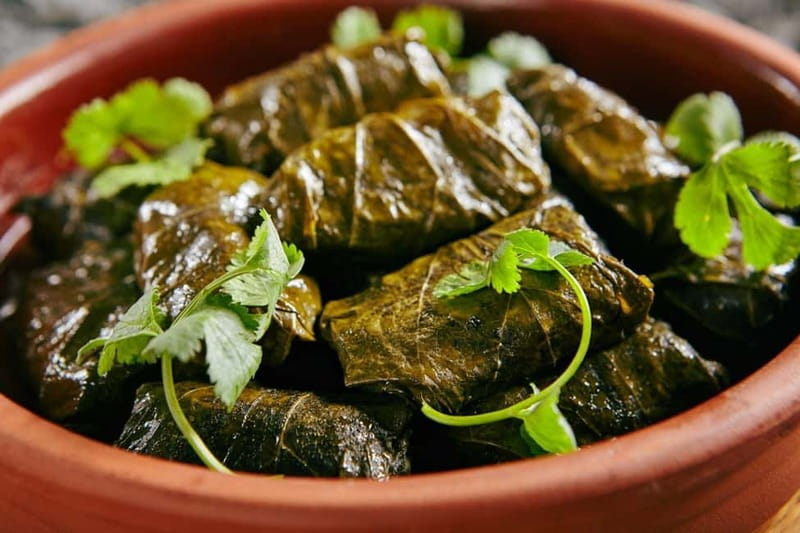
At up to 8 participants, this class is comfortable. You can ask questions without shouting. The instructor can check your mixture and help you correct issues before you plate something that tastes off.
It also changes the energy of the room. The pace is more personal. You feel like you’re part of the kitchen action, not a student standing in the hallway.
If you’re traveling with family, this setup can work especially well. One review mentioned kids being thrilled by the cats and dogs in Archanes, which suggests a more relaxed environment than rigid, adult-only tours. Still, remember the core activity is cooking. If someone in your group hates getting hands-on, plan accordingly.
What transfer adds (and how to think about it)
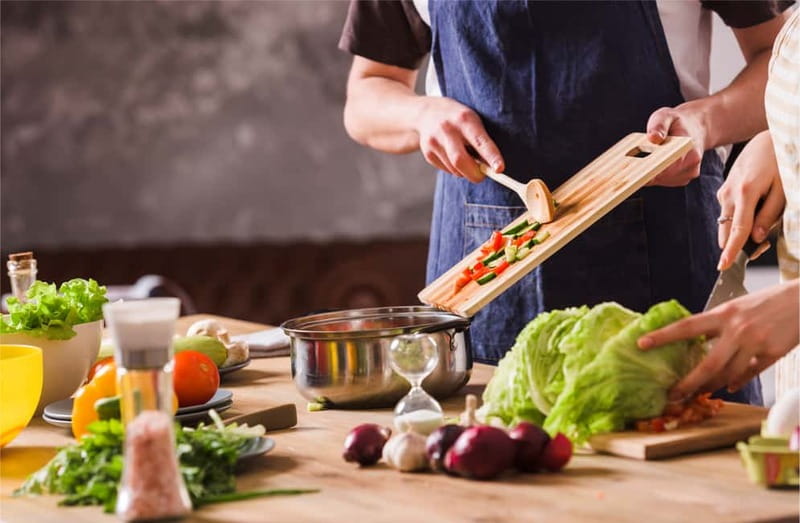
The included package lists an air-conditioned vehicle and also offers private transportation if you select that option. In real terms, that means the day is easier on your schedule.
A cooking class works best when you’re not stressed. If getting there requires juggling buses, timing, or taxis, you arrive frazzled and start cooking with less patience. Transfer options help you skip that friction. You focus on learning and eating.
One note for planning: the class lasts about 3.5 hours. If you add transfer time, you should think of this as a half-day commitment.
Why the $78 price can make sense
At $78 per person, the first reaction is sticker shock—until you look at what’s included. This price covers:
- your lunch (the dishes you prepare and cook)
- coffee and/or tea
- alcoholic beverages (local wine and raki), plus soda and bottled water
- cooking tools and aprons
- all ingredients
- air-conditioned vehicle (and private transportation if chosen)
- all fees and taxes
So you’re not paying just for a recipe card. You’re paying for a professional local cook, instruction you can practice, and a full meal experience with drinks. You’d normally spend real money for a lunch in a good place plus drinks, and that’s before you count the cost of a class environment and guided technique.
Also, the small group size is part of the value. If you’ve ever paid for a cooking class where you barely get touched by the instructor, you know how frustrating that is. Here, the max 8 setup is designed to prevent that.
Who should book this class (and who might not love it)
This is a great pick if you want hands-on food learning rather than passive sightseeing. It’s ideal for:
- couples, friends, or solo travelers who like practical experiences
- people who want to take Cretan cooking skills home
- vegetarians who want a real class that can accommodate needs (with notice)
- anyone who values local ingredients and technique
It may be less ideal if you’re only interested in major attractions or long walking tours. This day is centered on the kitchen and the meal. You’ll likely get a town atmosphere from being in Archanes, but the main event is cooking.
Should you book this Cretan Cooking Class in Archanes?
I’d book it if you’re excited by learning how Mediterranean flavors get built from everyday ingredients. The interactive format, the fact that lunch is included, and the inclusion of local wine and raki make this feel like a full experience rather than a quick demo. With a group capped at 8 and an English-speaking instructor, you’re set up to actually practice, not just observe.
Skip it if you want a classic sightseeing itinerary or you hate hands-on cooking. Also, if you have dietary restrictions, message ahead and be specific. That’s the one thing that can make or break your day.
If you want a memorable Crete moment you can recreate at home, this one is hard to beat.
FAQ
How long is the cooking class?
The class runs for about 3.5 hours.
Is it a small group?
Yes. The group is limited to 8 participants.
What language is the instruction in?
The instructor teaches in English.
Do I eat what I cook?
Yes. Lunch is included and it’s made from the dishes you prepare and cook.
Are vegetarians welcome?
Yes. Vegetarians are welcome, and you should let them know in advance about dietary restrictions or allergies.
What’s included in the price?
Coffee and/or tea, alcoholic beverages, soda/pop, bottled water, lunch, use of apron and cooking utensils, all ingredients for your lunch, and air-conditioned vehicle. Private transportation is included if you choose that option.
Is free cancellation available?
Yes. You can cancel up to 24 hours in advance for a full refund.