REVIEW · ROME
Rome: Combo Pizza and Pasta Cooking Class with Wine
Book on GetYourGuide →Operated by Once in Rome Authentic Experiences · Bookable on GetYourGuide
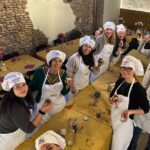
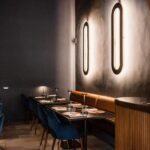
Pizza and pasta lessons beat restaurant dinners in Rome. I love the way this class gets you working at the wood-fired oven and kneading dough with real guidance, not just watching. I also love that the meal comes with unlimited local white and red wine while you sit down to what you made in a Roman garden-style venue. One thing to consider: it’s outside the center, and the day ends back at the Laurentina metro stop, so plan for a bit of transfer time on both ends.
The hosts help make it feel relaxed and hands-on, and you may meet instructors like Giuseppe or Eduardo during the session. The “Wood Houses” kitchen setup matters, too: it’s an open-air countryside setting that keeps the class from feeling like a touristy cooking demo. Bring a light layer if you’re sensitive to cool wind, since some transfer conditions and outdoor moments can be chilly.
In This Review
- Key takeaways before you go
- Why This Rome Pizza and Pasta Class Works Better Than a Tour
- Getting There: Laurentina Metro to the Wood Houses Venue
- Pizza Class: Neapolitan Dough to Wood-Fired Baking
- Pasta Workshop: Three Dough Types and Real Shapes
- The Wine, Limoncello, and Tiramisù Finale
- What You Learn You Can Actually Reuse at Home
- Value Check: Is $64.06 Worth It?
- Timing, Comfort, and the Main Drawback to Plan For
- Who Should Book This (And Who Might Skip)
- Should You Book This Rome Cooking Class?
- FAQ
- FAQ
- How long is the Rome pizza and pasta cooking class?
- Where do I meet the guide?
- Where does the class end?
- Is wine included in the class?
- Do you include tiramisù and limoncello?
- Is transportation included?
- What languages are the instructors?
- What is the minimum age to join?
- Can infants join for free?
- What is the cancellation policy?
Key takeaways before you go
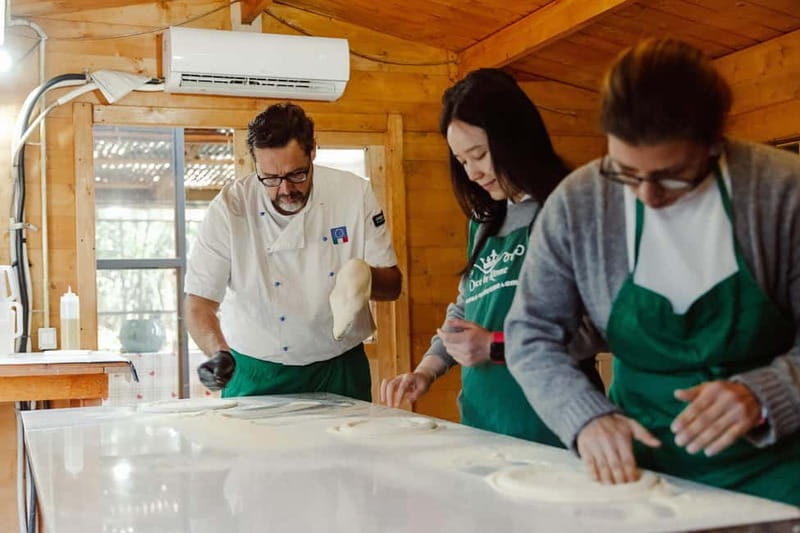
- A countryside “Wood Houses” kitchen outside the center keeps the vibe calm and scenic.
- Neapolitan pizza skills go dough-to-oven, including wood-fired baking.
- Three pasta dough styles plus multiple shapes like tagliatelle, fusilli, and farfalle.
- Unlimited red and white wine during the meal, plus a Limoncello finish.
- Homemade tiramisù and a recap document so you can repeat the techniques at home.
Why This Rome Pizza and Pasta Class Works Better Than a Tour
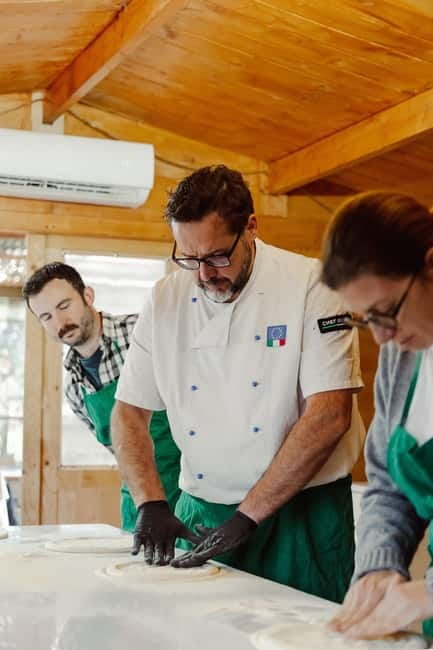
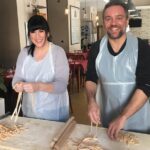
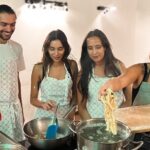
This is one of those Rome food experiences that actually changes what you can do in your own kitchen. Instead of standing around for photos, you spend real time making pizza dough, shaping pasta, and cooking sauces. That hands-on rhythm is the big difference, and it’s why the whole thing feels fun even if you’re not a “food person” on paper.
I especially like how the class starts with pizza, because it gives you momentum fast. You learn the feel of the dough—how it should look and resist your hands—then you see it baked in a real wood-fired oven. After that, the pasta segment clicks in nicely: you move from dough making to shaping, then into pairing with seasonal sauces. If you’ve ever eaten pasta in Rome and wondered what makes it taste the way it does, this is the closest you can get to that answer without a kitchen full of tools.
The wine and final tastings add to the atmosphere. You’re not sipping in a separate tasting room; you’re drinking while eating what you made, finishing with tiramisù and a chilled Limoncello shot. That’s the kind of simple Italian pacing I wish more food tours followed.
You can also read our reviews of more tours and experiences in Rome.
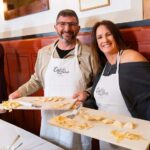
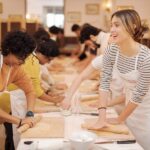
Getting There: Laurentina Metro to the Wood Houses Venue
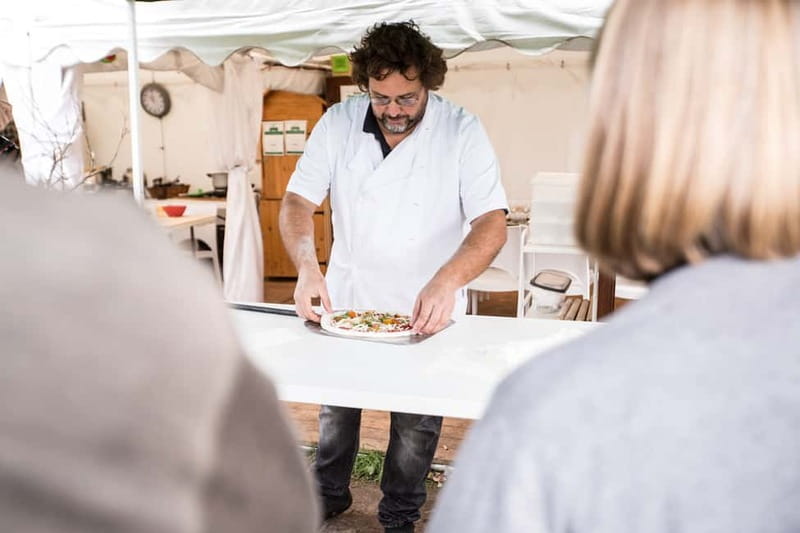
Your day starts at the metro stop Laurentina. You’ll meet your guide there at the exit, where a partner staff member will have a cooking class sign. From there, you’ll ride to the venue—an open-air countryside kitchen setting called Wood Houses—just outside the city center.
In practice, this “out of town” move is a tradeoff. You give up being right in the historic core, but you gain something more useful: a calmer cooking environment with space to work. One review noted the transfer involves a short minibus ride (about 15 minutes), and that feels about right for a venue outside the center.
Two small tips that help:
- Dress for outdoors. Even if it’s warm in Rome, wind and shade can make the transfer and patio time feel cooler.
- Assume the metro stop is your anchor point both directions. If you’re the kind of person who hates figuring out how to return, this helps; you always know where you end up.
Pizza Class: Neapolitan Dough to Wood-Fired Baking
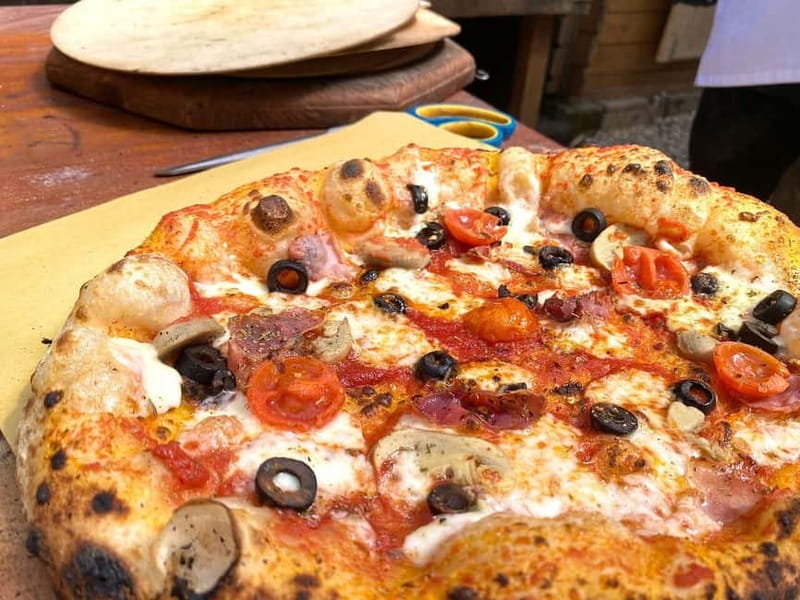
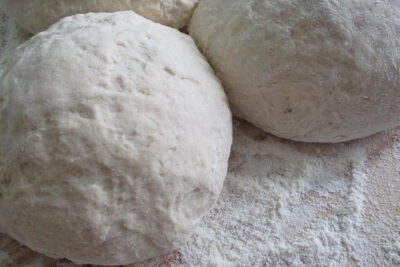
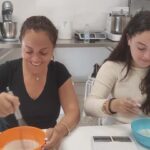
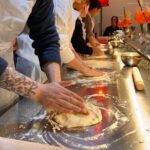
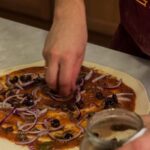
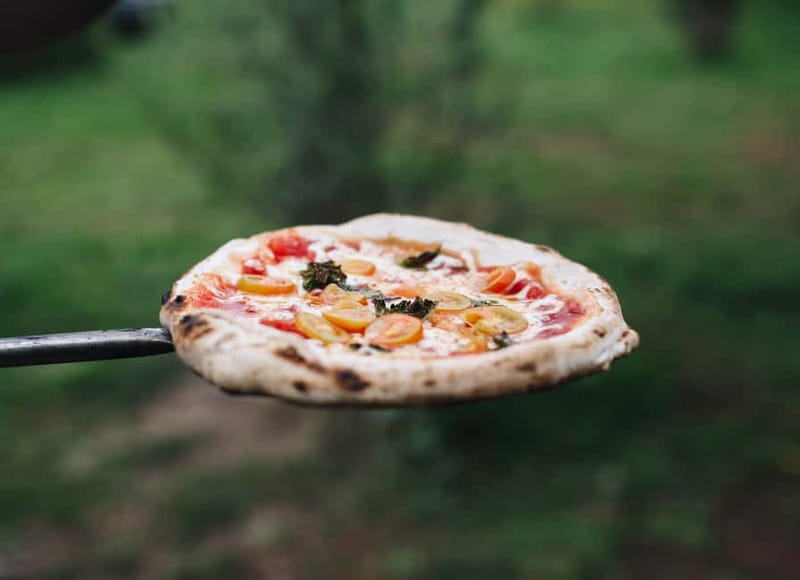
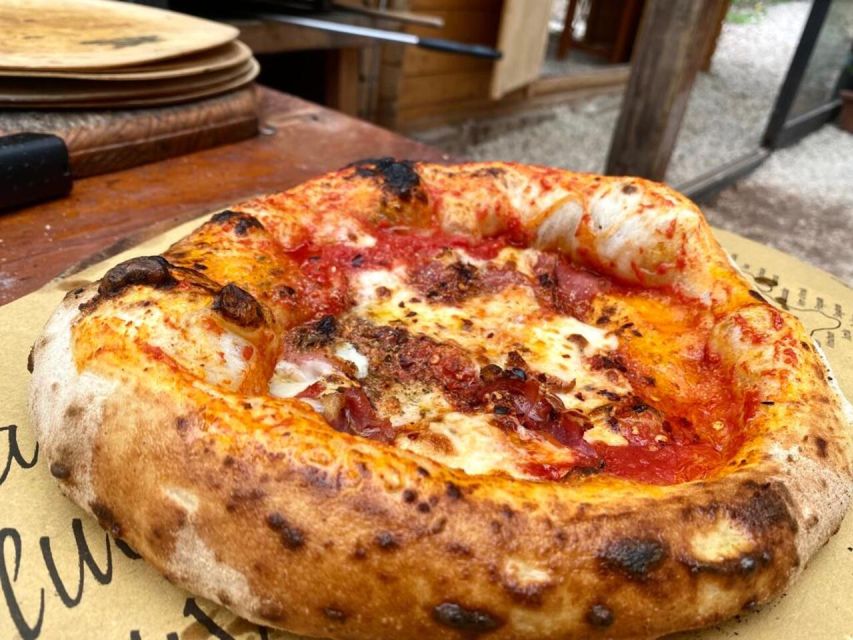
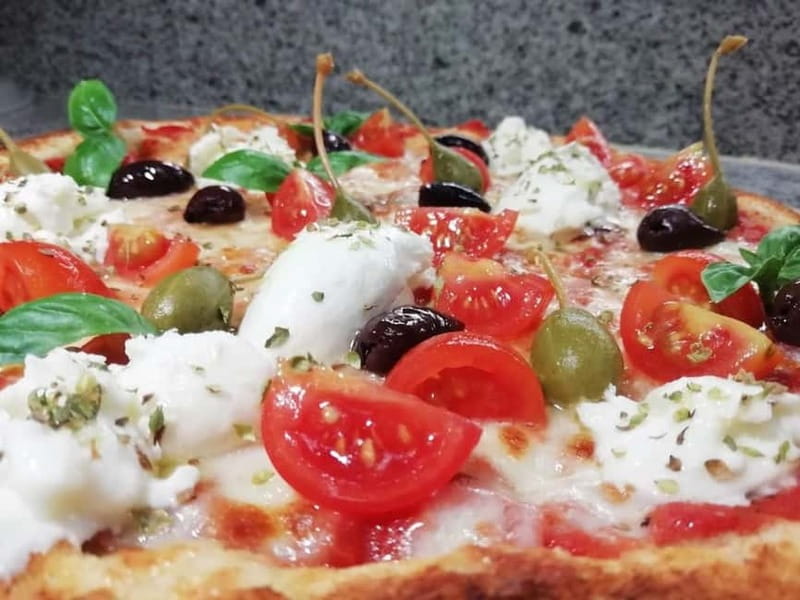
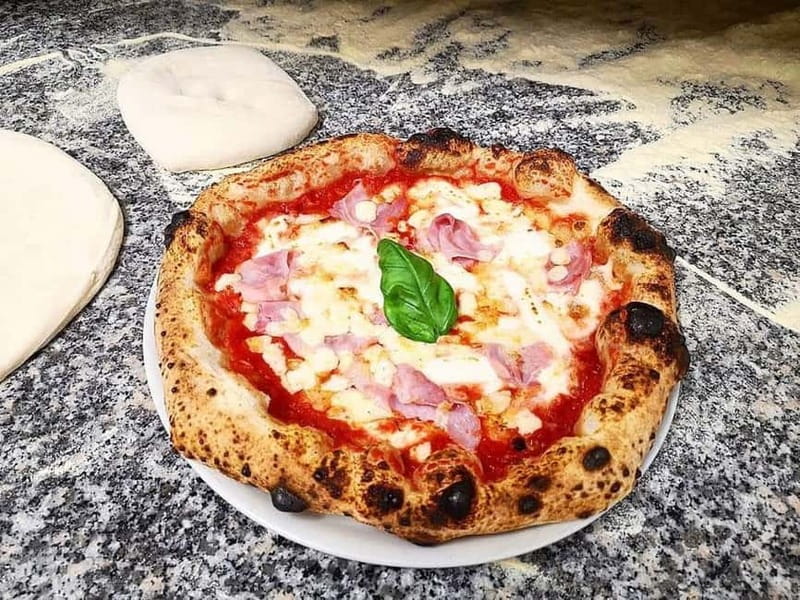
The pizza portion is structured like you’re learning a craft, not following a script. You start by preparing pizza dough from scratch—kneading it by hand and learning how it should behave as you work it. Then you get to personalize your pizza with toppings, so your final bake isn’t just a sample you didn’t choose.
Here’s what makes the wood-fired oven part worth it: you’re baking at the temperature and style that Neapolitan pizza is built for. You don’t just “cook something in an oven.” You get to watch how quickly it moves from raw to blistered crust and bubbling cheese (or whatever toppings you chose), and that visual feedback is how real dough training happens.
One extra detail to keep in mind: some participants reported that the dough portion for pizza may be partly prepared before class starts, but you still learn how it’s done and you personally handle key steps. Either way, your hands-on time is the point. By the end, you’re eating your own baked pizza on-site.
If you’re hoping to take home the techniques, focus less on recreating the exact taste of a restaurant oven and more on learning the dough handling: kneading feel, portioning, and how toppings affect baking.
Pasta Workshop: Three Dough Types and Real Shapes
Next comes pasta, and this is where the class earns its name “combo” instead of just being pizza with dessert on the side. You learn to make three different types of dough:
- Traditional egg pasta
- A water-based pasta dough
- A dough approach also linked to pizza-making
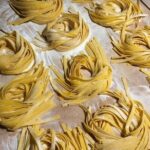
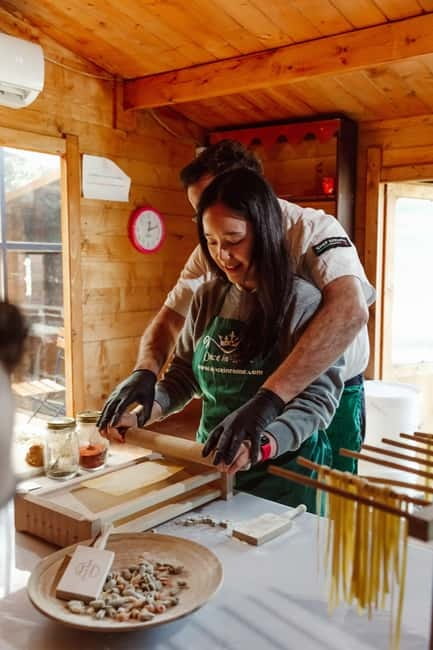
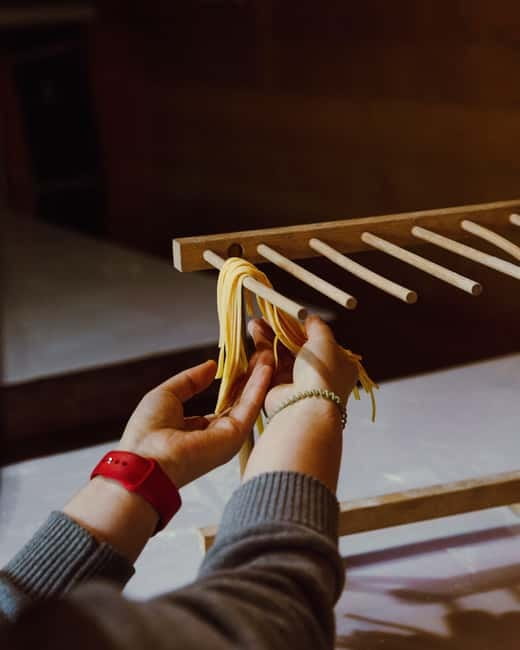
Then you shape the pasta into multiple formats, with options including tagliatelle, fusilli, and farfalle. That matters because different shapes pair naturally with different sauce textures, and making them yourself is the fastest way to feel why.
You’ll also cook sauces made for the day—two seasonal sauces to pair with what you made. This is a quiet but important value point: in many cooking classes, you only shape pasta and then eat it. Here, you also learn the sauce pairing side, which is often the difference between “homemade but bland” and “oh, I get it now.”
The pacing is relaxed and guided. You’re not expected to be fast. You’re expected to learn. And because it’s hands-on, you get the repetition that sticks: mix dough, shape, cook, taste, adjust.
The Wine, Limoncello, and Tiramisù Finale
This class is not dry. During the session, you’ll enjoy free-flowing red and white Italian wine. It’s unlimited in the sense that it’s served throughout with the meal, and it keeps the whole experience social. The minimum drinking age is 18, so make sure everyone in your group is eligible before booking.
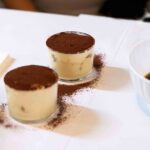
Then you finish like you’re closing down a proper Italian meal. You taste a homemade tiramisù on-site, followed by a chilled shot of Limoncello. The limoncello part is especially fun because it’s that classic digestivo moment that makes everything feel complete. It also gives you a strong memory cue for your last bite, which helps if you plan to repeat something at home later.
One practical note: tiramisù here is served as a tasting rather than a huge plated dessert. If you’re expecting a formal pastry-course presentation, adjust your expectations. You’re really booking for the cooking skills and the overall flow of pizza → pasta → meal → digestivo.


What You Learn You Can Actually Reuse at Home
At the end, you get a recap document summarizing techniques. That’s a small line in the description, but it’s a big deal in real life. After a few hours of hands-on dough work, you’ll remember the feeling of what you did—but having a written reminder helps you repeat it without second-guessing.
When you look back, the best skills aren’t just the recipes. It’s the process:
- How dough changes as you knead and portion it
- How shaping affects cooking and sauce cling
- How pairing pasta shapes with the right sauce makes everything taste more intentional
One thing I’d do if you’re serious about cooking: take a few notes during the class on dough feel and timing, not just ingredient lists. That way, the recap document plus your memories becomes a real system you can use.
Value Check: Is $64.06 Worth It?
For Rome, $64.06 can be a fair deal if you think beyond the kitchen part. You’re paying for:
- A hands-on pizza and pasta workshop with professional chefs
- Wood-fired pizza baking experience
- Multiple pasta shapes and sauce pairings
- Unlimited red and white wine during the meal
- Homemade tiramisù and a Limoncello tasting
- Round-trip transportation from central Rome, with stated exceptions
The honest math depends on your usual Rome spending. If you’d otherwise spend around that amount on one meal plus drinks, you’re getting the same food-for-the-people payoff, but with a skill-building component. And the skill part matters because it keeps paying you back when you cook later.
If you’re the kind of person who hates structured activities, you might feel the price more strongly because you’re not just eating. But if you’re game to work with your hands and learn a technique, this price fits the value you’re getting.
Timing, Comfort, and the Main Drawback to Plan For
This experience lasts about 3 hours. Starting times vary by availability, so you’ll want to pick a slot that still leaves you energy for your evening plan after.
The main drawback is logistical, not food-related: you’re traveling to and from Laurentina and then back again. Some people also found the return ride a bit awkward, especially if they were expecting it to feel seamless inside the historic center. It’s manageable, just not an “everything near your hotel” style tour.
Comfort tips based on what’s realistic for this setup:
- Bring a layer for patio and outdoor moments.
- Wear shoes you can stand in for a while. Cooking classes aren’t a long sit-down-only event.
- If you’re returning via metro, give yourself a few minutes buffer so you don’t feel rushed.
Who Should Book This (And Who Might Skip)
You’ll love this class if you fit one of these profiles:
- You want a hands-on Rome food experience with real technique, not just sightseeing.
- You like cooking but also like eating what you make right away.
- You’re traveling with family or mixed-age groups, since it’s described as family friendly and includes an age minimum.
- You want a social meal atmosphere with unlimited wine and a proper finish.
You might skip or choose a different option if:
- You want Rome center-only walking all day.
- You don’t drink wine and aren’t interested in the tiramisù and limoncello cadence.
- You prefer ultra-precise, big-portion restaurant-style meals rather than tastings and workshop portions.
If your group includes kids, note the minimum age to take part is 3 years old. Infants up to 2 years can go for free, but they must be booked for the transportation count and sit on a parent’s legs.
Should You Book This Rome Cooking Class?
I think you should book it if you want one of your Rome days to turn into an actual skill. The combination of Neapolitan pizza, multiple pasta dough types, and shaping practice is exactly what makes this class feel worth the money. Add the wood-fired oven, the unlimited wine, and the tiramisù and Limoncello finish, and you get a complete meal arc rather than a half-hour gimmick.
If you dislike transfers or you’re short on patience for getting to an out-of-center venue, factor that in. Pick a time that works for you, wear layers for outdoor moments, and treat the ride as part of the countryside reset.
FAQ
FAQ
How long is the Rome pizza and pasta cooking class?
It runs for about 3 hours. Starting times vary, so you’ll need to check availability.
Where do I meet the guide?
You meet your guide at the metro stop Laurentina. Look for a partner staff member with a cooking class sign at the exit.
Where does the class end?
The activity ends back at the meeting point.
Is wine included in the class?
Yes. Free-flowing red and white Italian wine is included during the class. The minimum drinking age is 18.
Do you include tiramisù and limoncello?
Yes. You’ll have an on-site homemade tiramisù tasting and a chilled Limoncello tasting to finish.
Is transportation included?
Round-trip transportation from central Rome is included, with some stated exceptions.
What languages are the instructors?
The class is taught in English and Italian.
What is the minimum age to join?
The minimum age to take part is 3 years old. The minimum drinking age is 18.
Can infants join for free?
Infants up to 2 years can go for free, but they still need to be booked for the transportation count and must sit on the parent’s legs.
What is the cancellation policy?
You can cancel up to 24 hours in advance for a full refund.