REVIEW · LIVORNO
Livorno: Private Cooking Class at a Local’s Home
Book on GetYourGuide →Operated by Cesarine · Bookable on GetYourGuide
You can smell the sauce before you ever start cooking. This private Livorno cooking class brings you into a local home to make classic Italian dishes and eat them at the table with local wine.
I especially like the private setup (it feels personal, not rushed) and the hands-on cooking focused on real recipes from the host’s family cookbooks. One thing to consider: since it’s in a home, you’ll get the full address only after booking, so you’ll want to plan for a little extra time finding it.
Over three hours, you’ll cook a starter with seasonal ingredients, make fresh pasta from scratch, and finish with a traditional dessert—then taste everything you made. The drawback is mostly logistical: it’s not listed as wheelchair-friendly, and the home setting can mean a more typical residential layout.
In This Review
- Key Points You’ll Care About
- Cooking in Livorno’s Real Kitchen: What This Private Class Feels Like
- What You’ll Cook: Starter, Fresh Pasta, and a Traditional Dessert
- The starter: seasonal ingredients, simple but not boring
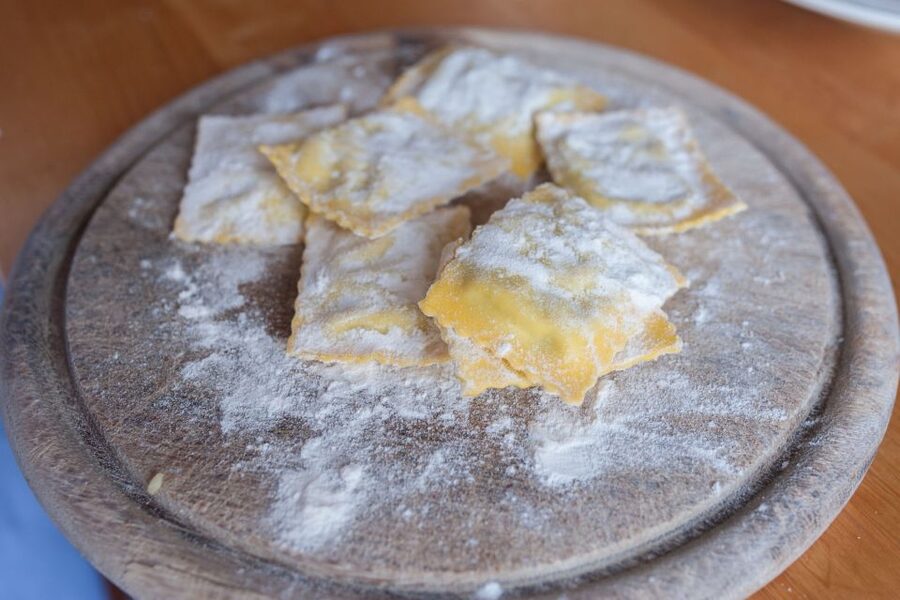
- Fresh pasta: the technique you’ll remember
- The dessert: a typical Italian finish
- The Classroom Is a Home: Your Meal, Your Pace, Your Group
- The Tasting Experience: Eating What You Made (Paired the Italian Way)
- Instructor Style and Recipe Sources: Family Cookbooks Matter
- Price and Value: Why $164.26 Can Make Sense
- Where You Meet and How Addressing Works: Don’t Rush This Part
- Who This Class Is Best For (and Who Might Prefer Something Else)
- Tips to Make Your Experience Smoother
- Should You Book This Livorno Private Cooking Class?
- FAQ
- How long is the private cooking class?
- Is this class private or shared?
- What recipes will I cook?
- Will I taste the food I make?
- Are drinks included?
- What languages does the instructor speak?
- Where does the class take place?
- Do I need to tell the host about allergies or intolerances?
- Is it wheelchair accessible?
- What is the cancellation policy?
Key Points You’ll Care About
- Three recipes in one sitting: starter, fresh pasta, and a traditional dessert
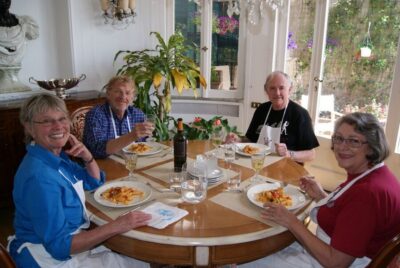
- A private class in a local Cesarina’s home: you’re not in a big crowd
- Tasting is part of the deal: you eat what you cook, paired with local wines
- Instructor speaks Italian and English for clear instruction throughout
- Designed for “after class” success: you’ll get tips so you can recreate the dishes at home
- Plan your arrival timing: the exact address is shared after booking for privacy
Cooking in Livorno’s Real Kitchen: What This Private Class Feels Like
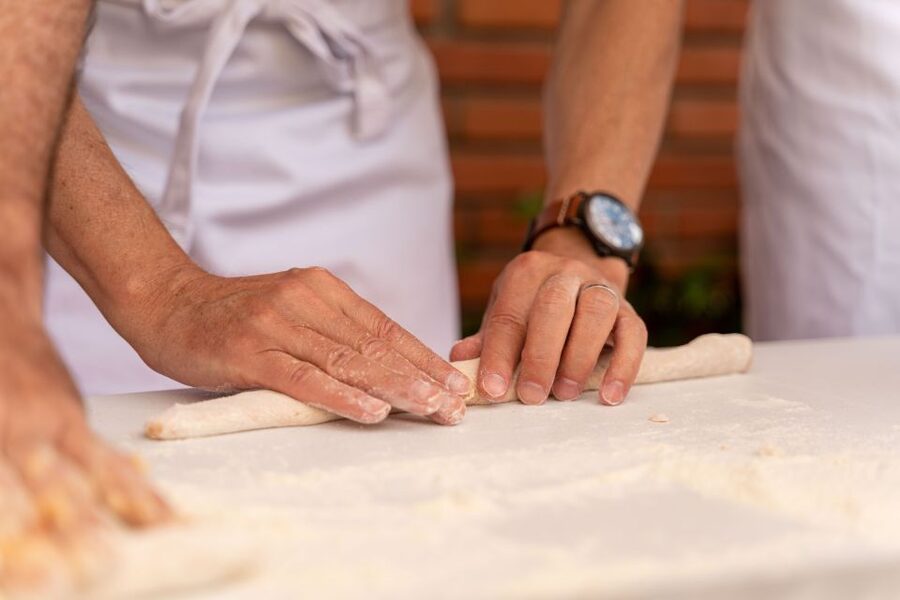
This isn’t a show where you watch someone else cook. You step into a local home kitchen, work at a proper workstation with utensils and ingredients ready for you, and learn how these dishes are built—step by step. That difference matters. When you cook, you understand what changes the flavor: texture, timing, seasoning, and how you know when something is done without guessing.
You also get that very Italian bonus: you don’t just taste a bite here and there. The class is set up so you prepare three courses and then sit down to enjoy them as a meal, paired with water, local wines, and coffee. It’s a small thing that changes the whole vibe. You finish feeling like you took something real home with you.
What You’ll Cook: Starter, Fresh Pasta, and a Traditional Dessert
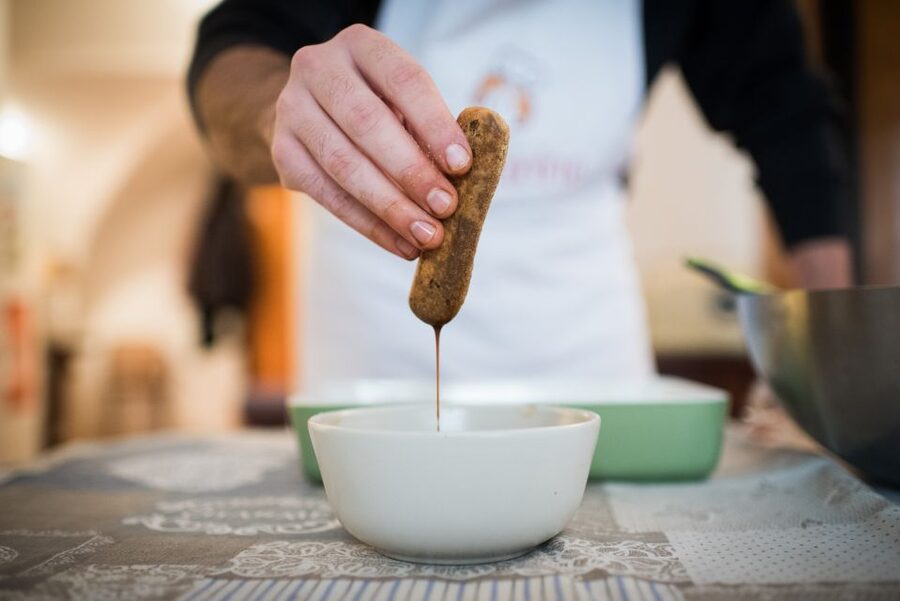
You’ll be guided through 3 authentic recipes, using the host’s family cookbook knowledge as the foundation. The three-course structure is a smart way to learn because each part teaches a different skill.
The starter: seasonal ingredients, simple but not boring
Expect a starter that leans on what’s in season. Even without exact recipe names here, this matters because Italian home cooking often celebrates ingredients at their best moment. You’ll learn how to treat the ingredients so they taste fresh, not flattened.
Practical upside for you: a good starter recipe is usually easier to repeat at home, and it’s the one you’ll feel confident serving even if you’re not a full-time chef.
Fresh pasta: the technique you’ll remember
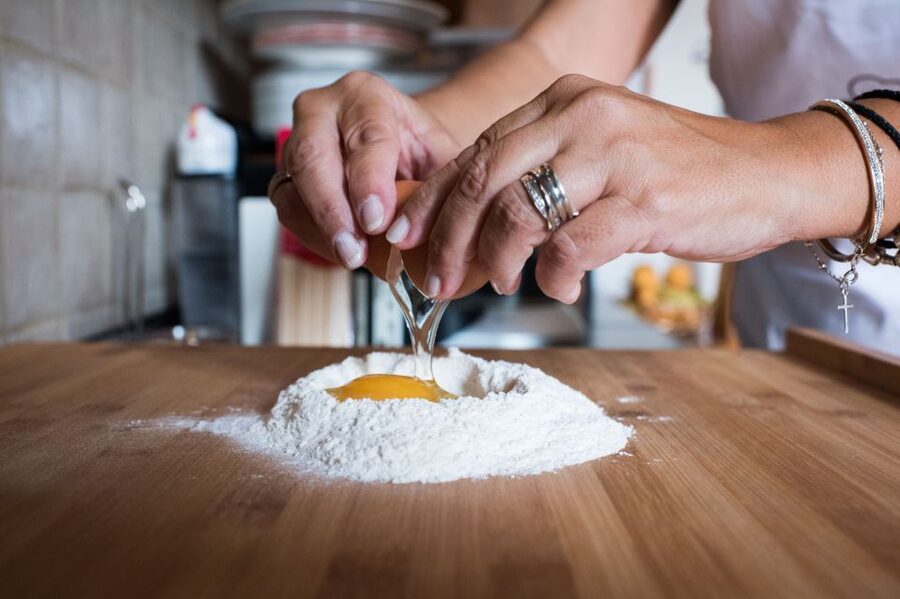
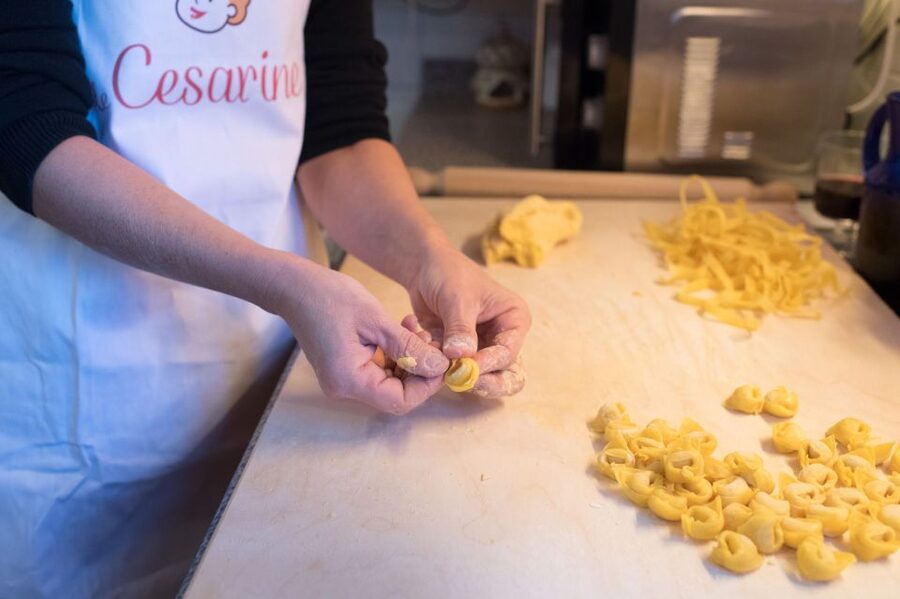
Fresh pasta is where the learning really clicks. You’ll make it with the instructor, using ingredients and tools provided. You’re not just mixing dough and hoping—it’s a guided process, aimed at helping you recreate it later.
If you want a takeaway you can use immediately, focus on how the dough feels as it comes together. With fresh pasta, texture is information. You learn what to look for and what to adjust before it becomes a problem.
The dessert: a typical Italian finish
You’ll also make a traditional dessert. One past class experience described making tiramisu as part of the dessert lesson, with differences in how it’s prepared compared to what they expected at home. That’s a useful reminder: family methods vary. What you learn with your host is often closer to how Italians actually cook in real homes than what you find in generic recipes.
The Classroom Is a Home: Your Meal, Your Pace, Your Group
This is a private group class, which changes everything about how the time works. Instead of following a set plan for a room full of people, your instructor can adjust the pace for your group and your comfort level.
It also means you’re working with the reality of a residential kitchen. That’s not a weakness—it’s part of why this is valuable. You get better at cooking when you’re not fighting strange equipment or translation gaps. The host is Italian and English-speaking, so you’re not stuck between gestures and guesswork.
One more practical note: since it’s in a local home, you’ll share details about your neighborhood and how you plan to travel to the host. That’s not small admin. It helps the host match you with the right kitchen experience and makes arrival easier on you.
The Tasting Experience: Eating What You Made (Paired the Italian Way)
After you cook, you taste everything you prepared, paired with a selection of red and white local wines. This part isn’t just included—it’s part of the learning loop.
Here’s why: when you taste your own food, you quickly understand what “done” means. You also see how flavors work together—starter setting the tone, pasta carrying structure and comfort, dessert closing with sweetness and balance.
You also get coffee with the meal, which fits how many Italians end a dining experience. The goal is to leave not just with recipes, but with a sense of harmony: what should taste bold, what should feel lighter, and what should linger.
Instructor Style and Recipe Sources: Family Cookbooks Matter
Your instructor isn’t just explaining cooking in the abstract. You’ll learn based on the host’s family cookbook approach—meaning the recipes are tied to the way food is actually cooked and served at home.
In real terms, that usually shows up in a few ways:
- You get practical decisions, like how to season without overdoing it.
- You’re shown how to adjust if something is going faster or slower than expected.
- You learn the logic behind the technique, not just the steps.
And you can feel the difference when the class includes time for conversation. One described class experience included plenty of time talking about Italy and the US while cooking a full three-course meal—so you leave with stories, not just instructions.
Price and Value: Why $164.26 Can Make Sense
At $164.26 per person for about 3 hours, this is not a budget activity. But value in cooking classes doesn’t come from minutes—it comes from what you get for those minutes.
Here’s the value equation:
- You get a private class in a local home kitchen (not a shared group cooking studio).
- You cook three courses and then eat them, paired with local wines.
- Ingredients, utensils, and the core class guidance are included.
- You get tips meant for recreating the dishes at home, which is where cooking classes can either pay off—or fade into a memory.
If you love food and you want a hands-on experience that feels more authentic than a restaurant meal, this price can actually be fair. It’s paying for access (a home kitchen) and for instruction that you can’t really replicate on your own while traveling.
Where You Meet and How Addressing Works: Don’t Rush This Part
The class happens in a local’s home, and for privacy reasons you receive the full address only after booking. The meeting point is given, but the specific location comes later once you’re matched with the right host.
That means your best move is to treat arrival like a small mission:
- Confirm how you’re traveling to the host home.
- Share the neighborhood where you’re staying so the host can plan for your route.
- Give yourself extra time, especially if you’re coming from a cruise ship area.
One practical tip that came up from an experienced guest: if you’re in Livorno and your day is driven by cruise timing, taxis may be limited near the main square area behind the church. Build in slack. It saves stress and helps you arrive ready to cook, not sprinting.
Who This Class Is Best For (and Who Might Prefer Something Else)
You’ll love this if you want:
- A hands-on meal with real technique practice (especially pasta)
- A more personal, local experience than a public cooking venue
- A way to get recipes you can actually repeat at home
- Wine included with your meal, in a low-pressure setting
You might choose something different if:
- You need wheelchair access (this one is not suitable for wheelchair users)
- You’re not comfortable navigating to a private home location
- You’re only interested in a quick tasting and not in learning the cooking process
Tips to Make Your Experience Smoother
These are small things that make a big difference in home-based classes.
- Share your food intolerances and allergies ahead of time. The class asks you to provide details so the host can match you with the right cooking setup.
- Arrive hungry, but don’t arrive late. A full three-course build means time matters.
- Watch for instruction patterns during pasta-making. Fresh pasta is technique-heavy; the “feel” of dough is part of the lesson.
- Ask about how you should recreate the recipes later. The best classes explicitly teach you how to repeat them, and your instructor is there for that.
Should You Book This Livorno Private Cooking Class?
If you’re choosing between a generic food tour and a cooking experience where you actually make the food, I’d lean toward this one. The combination of private instruction, three-course cooking, and wine-paired tasting is exactly what makes a cooking class more than a souvenir.
Book it if you want a true home-style meal experience in Livorno, with a focus on recipes you can recreate. Skip it only if you strongly dislike logistics tied to private-home locations or if accessibility is a must.
If you do book, your biggest win will come from one habit: treat it like a learning session, not a performance. When you cook and taste thoughtfully, you’ll leave with both better skills and better meals back home.
FAQ
How long is the private cooking class?
It lasts about 3 hours.
Is this class private or shared?
It’s a private group experience.
What recipes will I cook?
You’ll cook 3 dishes: a starter with seasonal ingredients, fresh pasta, and a typical Italian dessert.
Will I taste the food I make?
Yes. The class includes a tasting of the 3 recipes.
Are drinks included?
Yes. It includes water, wines, and coffee.
What languages does the instructor speak?
The instructor speaks Italian and English.
Where does the class take place?
It’s held in a local’s home in Livorno. For privacy, you only receive the full address after you book.
Do I need to tell the host about allergies or intolerances?
Yes. You’re asked to provide details about food intolerances and allergies so the host can match you with your perfect home cook.
Is it wheelchair accessible?
No, it is not suitable for wheelchair users.
What is the cancellation policy?
Free cancellation is available up to 24 hours in advance for a full refund.