REVIEW · MADRID
Authentic Tapas Cooking Class at a Private Eatery in Madrid
Book on GetYourGuide →Operated by Timonfaya Travel Lanzarote · Bookable on GetYourGuide
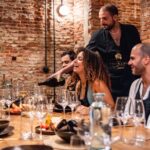
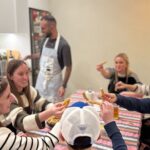
Madrid tapas get way more interesting when you cook them. This private, chef-led experience in Madrid has you making classic bites and a couple of creative twists, then eating them right away with wine and good conversation. It’s not a drop-in tasting. It’s a 3.5-hour working session at a real local place.
What I like most is the hands-on tapas instruction from an English-speaking chef, where you learn the why behind the flavors, not just the menu. I also love that the meal comes with local wine plus coffee and water, so you can relax and actually enjoy what you made. You leave full, not just informed.
One thing to consider: the exact dishes can shift based on seasonal ingredients and the chef’s inspiration. If you’re chasing one specific version of a tapas plate, keep that in mind and treat the menu as part of the fun.
In This Review
- Key things to know before you go
- Why this Madrid tapas class beats eating from menus
- Finding the kitchen at C. de Valderribas 30 (and what to expect on arrival)
- The 3.5-hour flow: cook together, then sit down and eat
- Ham croquettes: the comfort-food lesson you’ll actually remember
- Black ink squid paella: the dramatic part of the menu
- Russian salad: a tapas-style classic with a Spanish twist
- Cod in the ajoarriero style: how Mediterranean simplicity wins
- Wine, coffee, and conversation: how the best part happens after you cook
- Small group, English instruction, and no cooking experience needed
- Price and value: what $112 actually includes
- Who should book this class (and who might want a different plan)
- Dietary needs: the easiest way to make it work
- Should you book this private tapas cooking class in Madrid?
- FAQ
- How long is the tapas cooking class?
- How many people are in the group?
- What language is the instructor?
- What dishes will we cook and eat?
- Is the meal included, and what drinks are provided?
- Where do we meet for the class?
- Do I need cooking experience?
Key things to know before you go
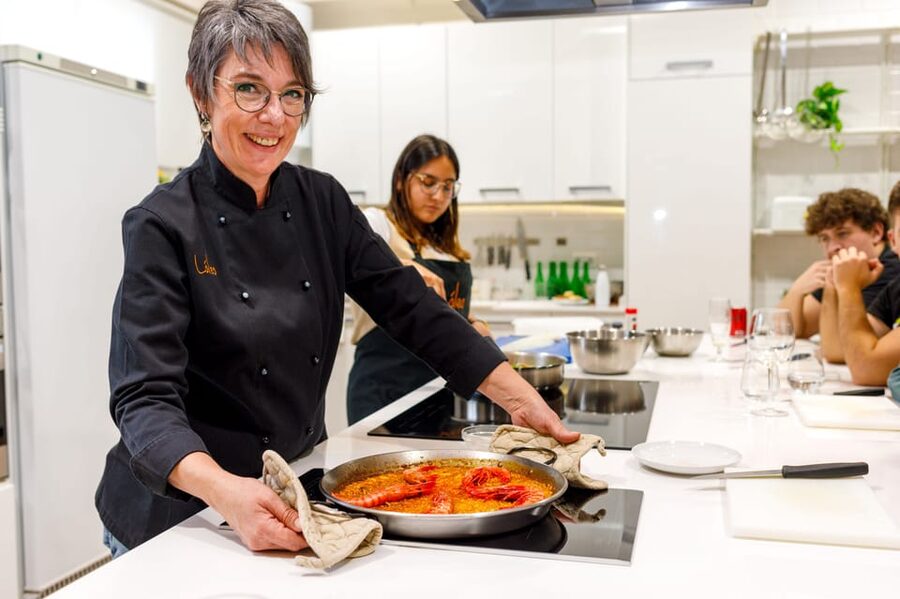
- Private eatery setting in Retiro: you’ll cook in a dedicated space, not a crowded public kitchen vibe.
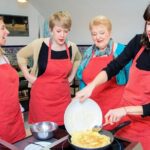
- Small group (10 max): more time for questions and a calmer pace.
- Chef-led cooking, English instruction: you’ll be able to follow steps and ask why things work.
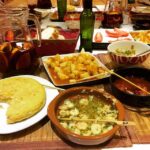
- A complete tapas-style meal: you cook and then eat a multi-dish spread.
- Wine included with your meal: red and white pairings are part of the experience.
- Menu may vary by season: you’ll likely make the core set, but details can change.
Why this Madrid tapas class beats eating from menus
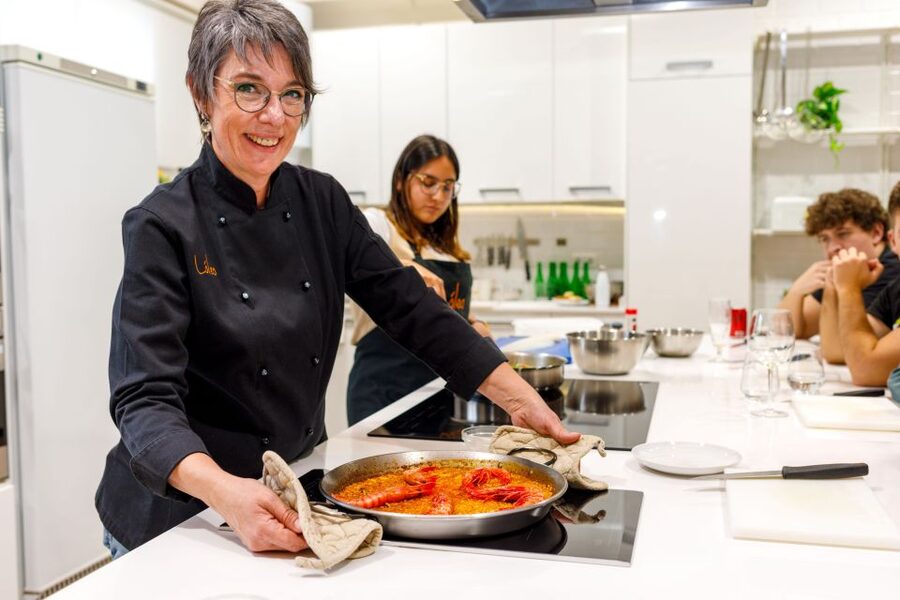
If you’ve ever tried to figure out tapas from a restaurant menu, you already know the problem: words on a page don’t teach technique. This class fixes that fast. You work through several dishes side by side, so you learn how Spanish flavors build in layers—salt, fat, acid, and timing—rather than memorizing a list of ingredients.
I especially like the way the chef frames the food as culture, not just recipes. You’re not only cooking. You’re hearing how and why dishes are made, and you’re getting practical tips you won’t pick up by ordering croquetas and calling it a day.
The other big value is group size. With a small class, you’re not stuck watching from the sidelines. You get hands-on time, and you can ask real questions while things are still easy to correct.
You can also read our reviews of more tours and experiences in Madrid.

Finding the kitchen at C. de Valderribas 30 (and what to expect on arrival)
The meeting point is in Retiro: C. de Valderribas 30, 2º floor. Access is from the street, not from a market entrance. At the doorbell, it’s labeled Lóleo—so if you’re looking for the wrong kind of sign, you’ll waste time.
Getting there is straightforward. The Pacifico Metro Station (Line 1) is about a two-minute walk. That matters because you’re meeting for a 3.5-hour block and you don’t want transit stress eating your appetite.
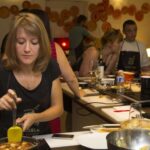
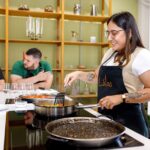
Once you arrive, expect a casual, straightforward setup: you’ll check in, get oriented, and then get moving. No special skills are required. Bring your energy and plan to cook with your whole body—because this is truly hands-on, not just a food demo.
The 3.5-hour flow: cook together, then sit down and eat
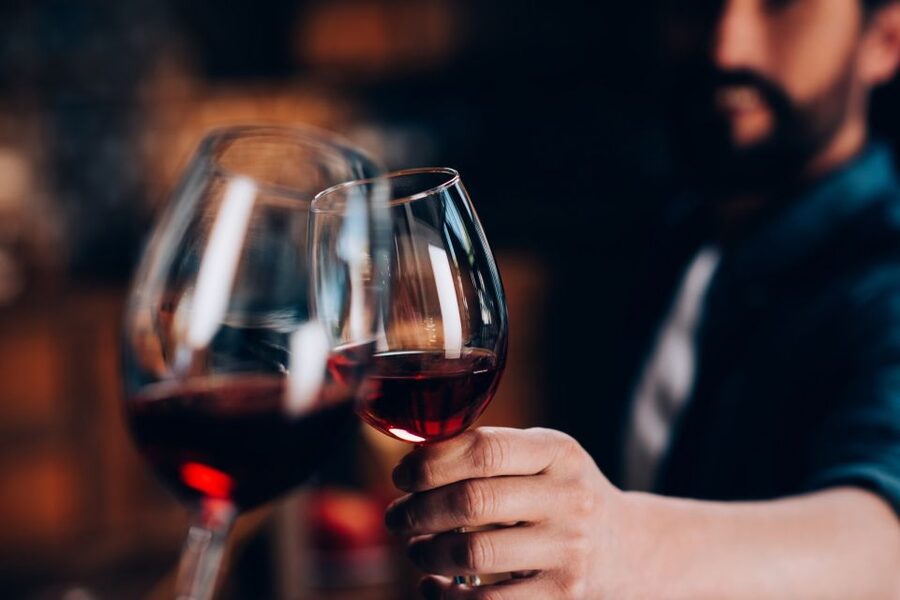
This experience is built like a mini evening in a local home kitchen, just with a professional chef steering the ship. You’ll learn, chop, mix, assemble, and cook in stages—then the class becomes the meal.
The pacing is part of the appeal. It’s not rushed. You learn the dishes while you’re actively making them, then you get to enjoy the finished plates without being herded out the door.
Also, the class includes a full meal with local wine plus water and coffee. That means you’re tasting what you cooked as part of the experience, not paying extra for drinks or dessert. It’s one of those details that quietly makes the whole thing feel like value.
Ham croquettes: the comfort-food lesson you’ll actually remember
Spanish croquetas look simple until you make them. In this class, ham croquettes are one of your first hands-on focuses. You’ll learn how the filling comes together and how texture matters.
What I like about teaching croquetas in a class like this is that they’re a gateway to Spanish technique. You’re working with a creamy base, then shaping and handling it so it stays tender inside and becomes crisp on the outside. That’s the sort of skill you can’t properly guess from a restaurant description.
Even better: croquetas set you up for the rest of the meal. They’re rich, comforting, and they balance the dishes that follow—especially the seafood rice and the more citrusy, fresh-feeling options.
Black ink squid paella: the dramatic part of the menu
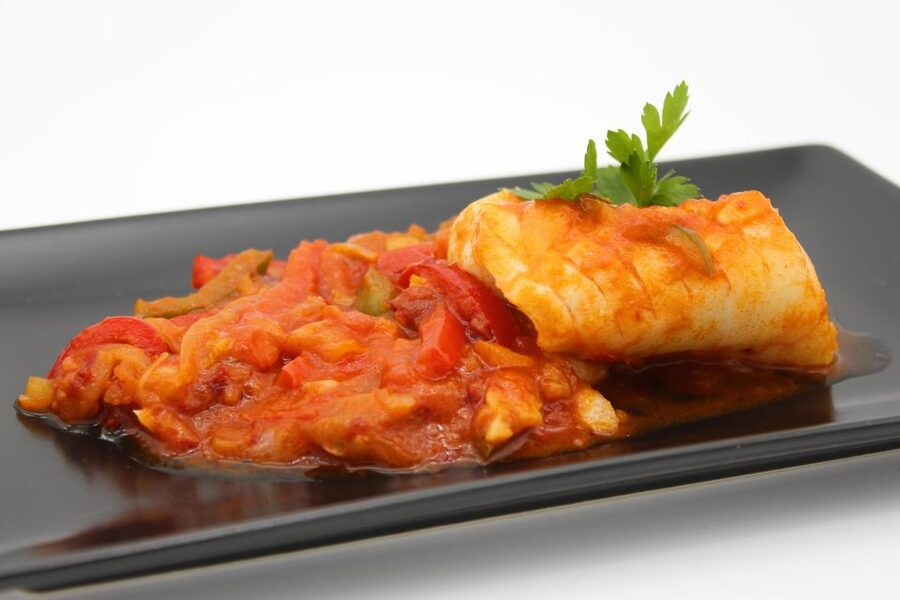
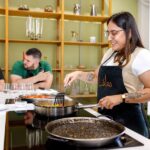
Next up is paella made with black ink squid. This is where the class feels special. Black ink paella isn’t just a novelty; it teaches you how flavor can be deep and complex without needing complicated steps.
Paella depends on timing. You can’t treat it like a pot of soup. In class, you’ll see how the process works and why attention to the rice and cooking stage matters. The chef’s guidance is the key: you’ll understand what you’re watching for, not just follow a vague timeline.
And yes, you’ll eat what you make. That’s a big deal. Cooking seafood paella at home is one thing. Eating your own black ink paella right after is when it clicks. It becomes a real memory, not a recipe you saved and never tried.
Russian salad: a tapas-style classic with a Spanish twist
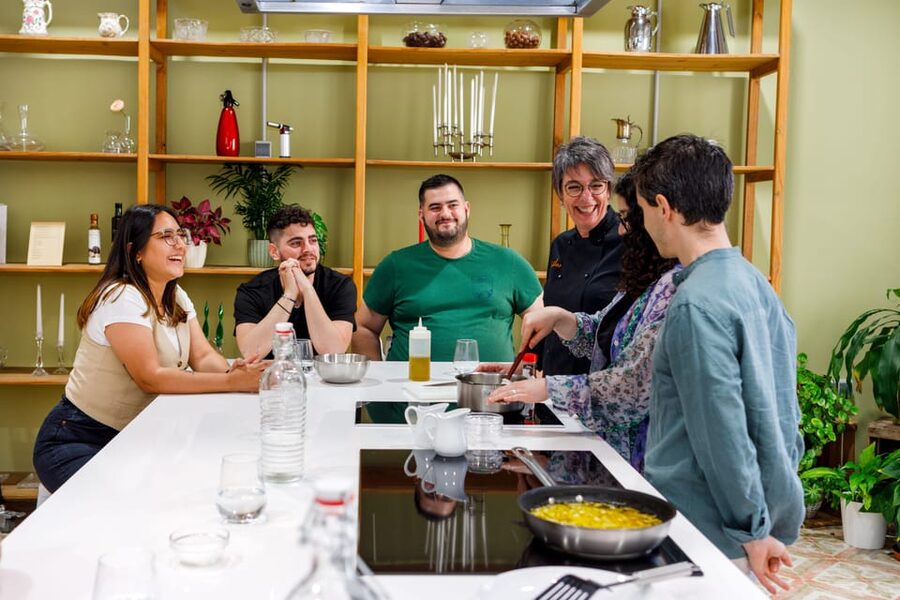
You’ll also make Russian salad. It’s a familiar style—often tuna-adjacent and creamy, with a mix of chopped ingredients—but in tapas form it feels like it belongs at the table with the other plates.
The lesson here is balance. Russian salad works because it’s not all heavy flavor. It needs freshness, salt, and the right kind of creaminess to pull everything together. In a chef-led class, you get help getting the proportions right, which is where most home attempts go sideways.
This dish also helps the meal feel varied. After croquettes and paella, it’s the kind of plate that resets your palate while still staying filling—perfect with wine.
Cod in the ajoarriero style: how Mediterranean simplicity wins
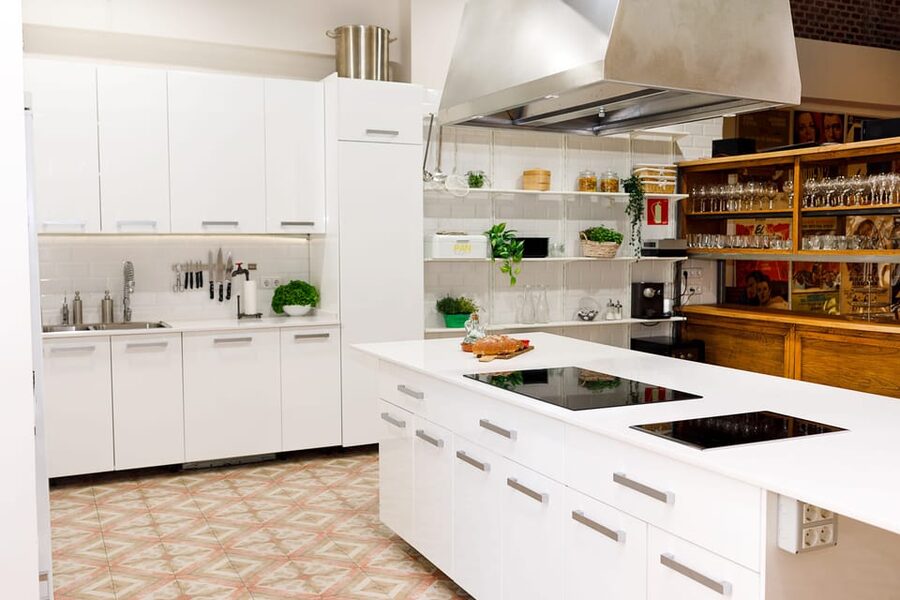
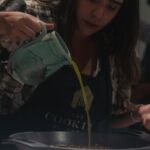
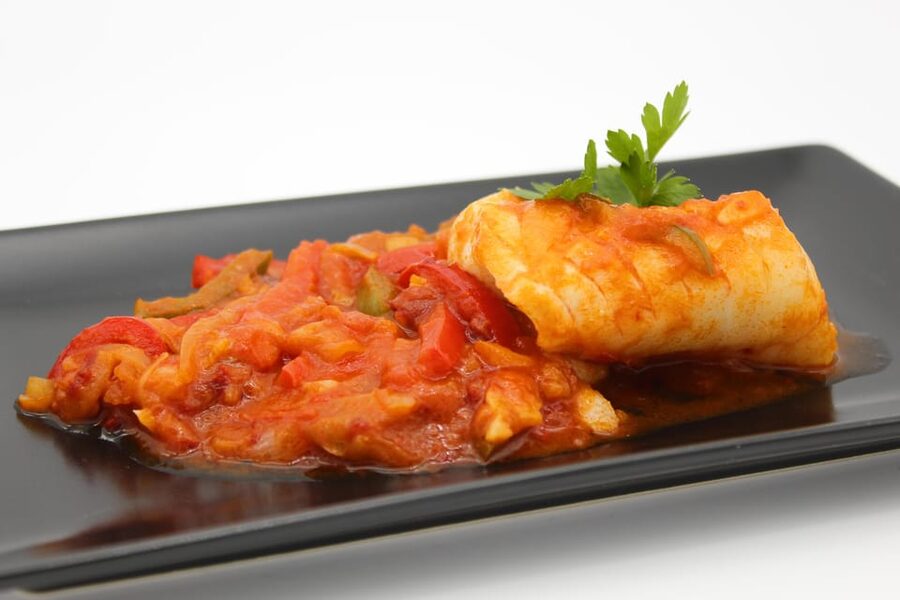
The last major dish on the menu is cod cooked in the ajoarriero style, typically with tomatoes, onions, and peppers. The cod itself takes center stage, but the sauce is where the work is.
Ajoarriero-style cod is a great lesson in Spanish home cooking logic. You build flavor from the ground up: a base of ingredients cooked together until the sauce tastes cohesive. Then you let the fish take its place—tender, not overpowered.
In at least one class experience connected to this program, the chef handled a cod preparation where one version included peppers and another avoided them for someone who didn’t want bell peppers. That’s a good sign if you’re thinking, I can probably make this work with my preferences, as long as I communicate clearly.
Wine, coffee, and conversation: how the best part happens after you cook
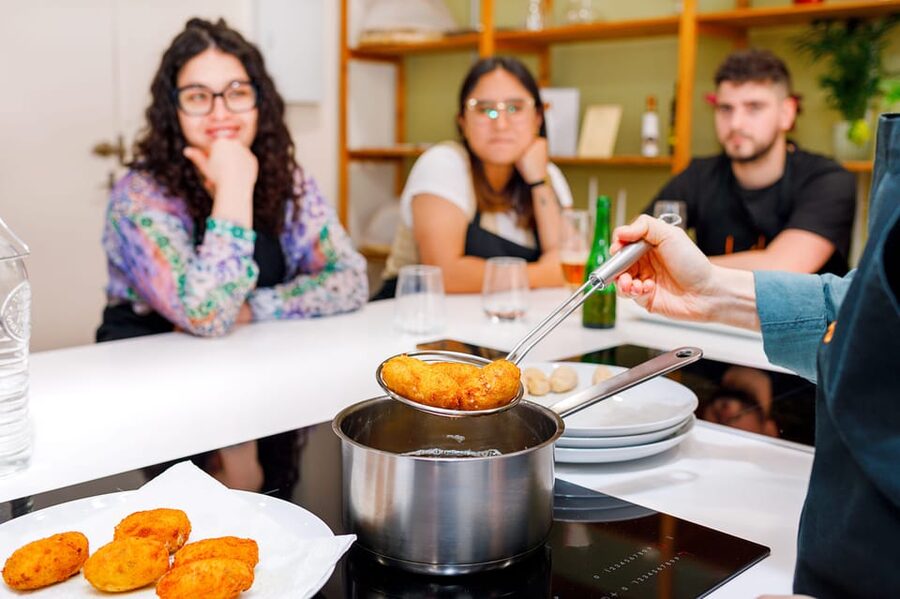
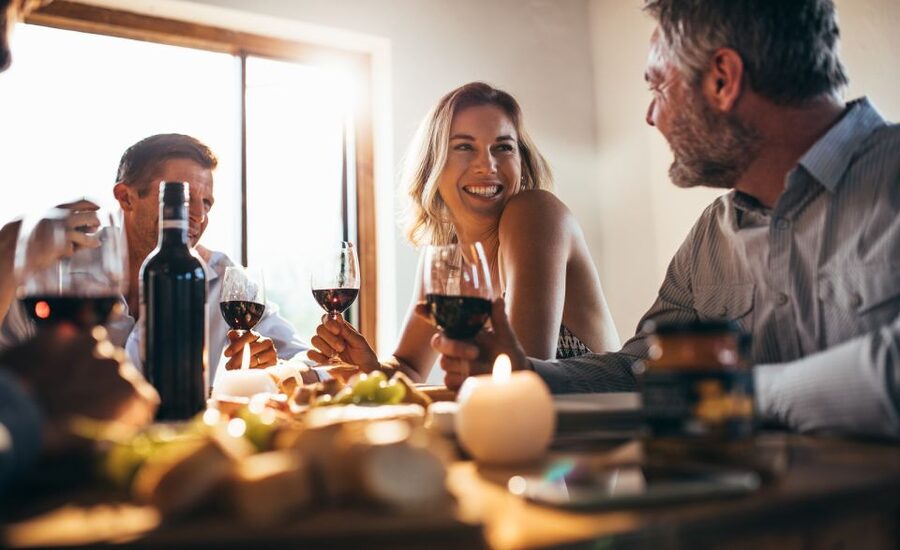
The food is the headline, but the atmosphere is what turns it into a full night. Included with the meal is local wine—red and white—with water and coffee. You’ll taste what you made while you talk with the chef, ask questions, and learn where ingredients come from.
One of the things I value in cooking classes is when the chef shares practical sourcing and real decisions behind the dishes. Instead of generic tips, you’re hearing guidance tied to the recipes you’re actually making.
And the wine isn’t just a background detail. It’s part of how you experience tapas in Spain—slow pacing, social chatting, and eating what’s in front of you. The class also serves tea and coffee, so you’re not stuck leaving with an empty finish.
Small group, English instruction, and no cooking experience needed
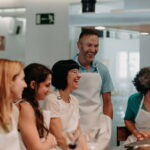
This is built for people who want to learn without feeling put on the spot. The group is limited to 10 participants, and instruction is in English. That combination matters because it keeps the pace human. You can ask questions without having to shout across a room.
You also don’t need previous cooking knowledge. You’ll get taught the steps, and the chef will guide you through the technique. If you’re the type who enjoys cooking but usually relies on intuition, this is a great way to upgrade your instincts with actual explanation.
It’s also a good fit if you travel with a friend or a small group and want something more meaningful than a standard dinner. This kind of class gives you a shared story beyond photos.
Price and value: what $112 actually includes
At $112 per person (for the 3.5-hour slot), you’re paying for a professional chef, a private eatery setup, and a full meal with drinks. That’s the key to thinking about value.
If you tried to recreate this on your own, you’d likely pay separately for:
- A guided cooking session (chef time and instruction)
- The full ingredient load for multiple dishes
- A meal that includes wine and coffee
Here, those pieces come together in one price. You’re also getting hands-on cooking time for several dishes, not one snack-sized lesson. For Madrid, where tapas nights can add up quickly—especially with wine—this can land as reasonable, particularly if you’d otherwise spend a similar amount eating out and taking a cooking class add-on.
Who should book this class (and who might want a different plan)
You’ll love this if:
- You want an authentic tapas experience beyond restaurant browsing
- You enjoy cooking and want technique, not just taste
- You want a small, friendly group setting where you can talk with the chef
- You’re happy eating what you cook, right then
You might want a different option if:
- You only want to sample food and aren’t interested in cooking
- You’re extremely strict about one very specific menu version (since dishes can vary seasonally)
Dietary needs: the easiest way to make it work
If you have dietary restrictions, tell the organizer in advance. This experience specifically asks you to communicate dietary restrictions ahead of time.
Also, the class has shown it can handle needs in practice. One example included vegetarian accommodations and even an aversion to bell peppers, with the chef adjusting a cod dish accordingly. So the best move is simple: share your needs clearly early, and you’ll give the chef a fair shot at tailoring the meal.
Should you book this private tapas cooking class in Madrid?
My take: if you’re in Madrid and you want to understand Spanish tapas, this is a smart use of an evening. You leave with more than full stomach energy. You take home real technique, confidence, and recipes you can actually repeat.
Book it if you’re the kind of traveler who likes to learn by doing, and who enjoys sitting down with wine after work is done. It’s also a great fit for couples or small groups who want a calmer, more personal experience than big tour formats.
Skip it only if you truly don’t want to cook. Otherwise, this is exactly the type of Madrid meal experience that turns sightseeing into something you can use.
FAQ
How long is the tapas cooking class?
The experience lasts 3.5 hours. Start times depend on availability.
How many people are in the group?
The group is small, limited to 10 participants.
What language is the instructor?
The instructor teaches in English.
What dishes will we cook and eat?
You’ll cook ham croquettes, paella (black ink squid paella), Russian salad, and cod in the ajoarriero style. The menu can vary depending on seasonal products or the chef’s inspiration.
Is the meal included, and what drinks are provided?
Yes. The package includes a full meal plus local wine, water, and coffee. Tea is also served.
Where do we meet for the class?
Meet at C. de Valderribas 30, 2º floor, Retiro, 28007 Madrid. Access is from the street, not from a market, and the doorbell label is Lóleo.
Do I need cooking experience?
No previous cooking knowledge is required. Just come with good energy and appetite, and you’ll be guided through the process.