REVIEW · PLAYA DEL CARMEN
Cenotes by Bike and Mayan Cooking Class Half-Day Guided Tour
Book on Viator →Bookable on Viator
Cenotes plus cochinita pibil beats a normal tour. This half-day in Mexico pairs bike snorkeling stops with a hands-on Mayan pork cooking setup in a local home, led by Gilmer and Gael. You’re not just watching food happen—you’re part of the day from the first ingredient to the last taco bite.
I love the mix of active time and real culture: you hop between four different cenotes (very different from each other) while the pork cooks for hours. I also love the meal itself: cochinita pibil is seasoned, wrapped in banana leaves, cooked about 2.5 hours, and served family-style so you can build your own tacos and go back for more.
One thing to plan for is that mosquitoes can be around at the cenotes. It doesn’t ruin the trip, but you’ll feel better if you come ready for it.
In This Review
- Key highlights you’ll feel right away
- Cooking cochinita pibil first: how the Mayan pork lesson works
- Four cenotes by bike: the uncrowded plan that makes the snorkeling better
- Riding between swims: what biking adds to the day
- Cenote Xunaan Ha: open water, jump platforms, and mask time
- Lunch at the house: tacos you build, pork that’s been cooking the whole time
- Gear and comfort: what’s included, and how to prep for the cenote conditions
- Price and value: why $59.78 can be a good deal for this format
- Who should book this cenote-and-cooking combo
- Getting there and timing: simple, local, and efficient
- Should you book this tour?
- FAQ
- How long is the Cenotes by Bike and Mayan Cooking Class tour?
- What time does the tour start?
- What is included in the price?
- Where does the tour meet?
- How many cenotes do you visit?
- How big is the group?
Key highlights you’ll feel right away
- Small group size (max 8 people) keeps the day personal and easy to follow
- Bike to four cenotes, chosen to avoid the biggest crowds
- Cochinita pibil cooking in banana leaves takes about 2.5 hours, so lunch actually tastes like work was done
- Snorkel masks and life jackets included, with options for how much underwater time you want
- Cenote Xunaan Ha has an open-water setup with two wooden jump platforms
- Hosts Gilmer and Gael run the show with clear explanations and local know-how
Cooking cochinita pibil first: how the Mayan pork lesson works
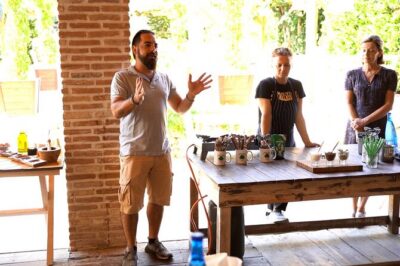
The day kicks off around 9:30 am, starting at 77774 Ciudad Chemuyil, Quintana Roo. Before you even leave, you’ll get a close look at what’s going into the meal. Gilmer walks you through the ingredients and how they’re used for the traditional style pork called cochinita pibil.
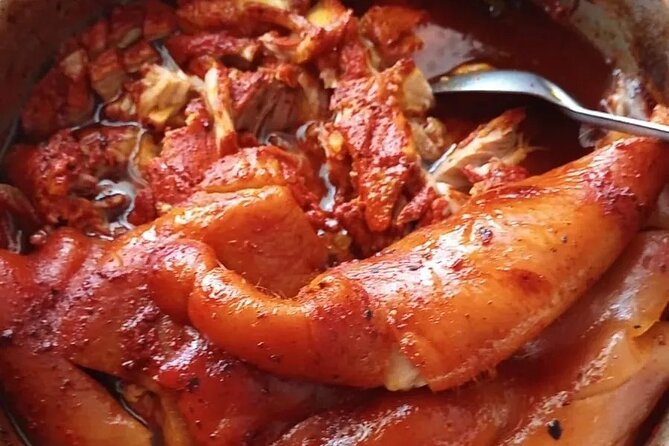
The best part is the pacing. While you’re learning what you’ll eat later, you’ll also see the pork get seasoned and then wrapped in banana leaves. From there, it cooks for about 2.5 hours, which means your lunch is ready when the cenote time finishes—not rushed, not sitting around too long.
This is more than a cooking show. You’re watching the steps that explain why the final taste feels different from quick pulled-pork versions. And because the cooking happens at the host’s home, it feels like you’re being invited into a real routine, not a staged performance.
You can also read our reviews of more tours and experiences in Playa del Carmen.

Four cenotes by bike: the uncrowded plan that makes the snorkeling better
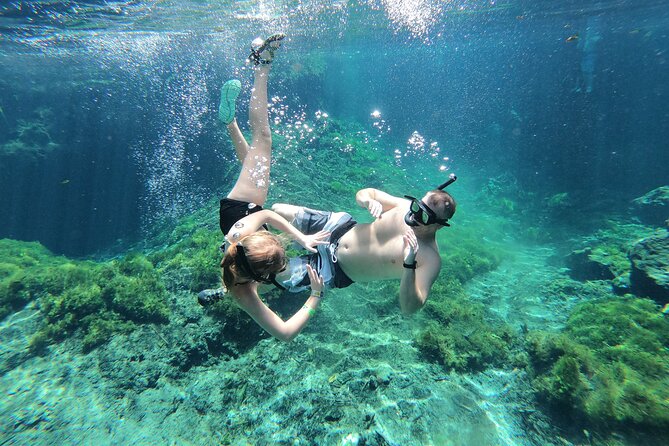
Once the pork is in motion, the focus shifts to water. You’ll take the bikes and head out to snorkel in four different cenotes, each one described as noticeably different. That variety matters. If every stop looks the same, you start counting minutes instead of enjoying the place.
The tour is designed to keep you away from the most commercial, crowded areas. You’ll visit cenotes around the wider Tulum region, but with stops that are not the big, always-packed park-style ones. The payoff is simpler: you get clearer views, more breathing room, and an easier rhythm between stops.
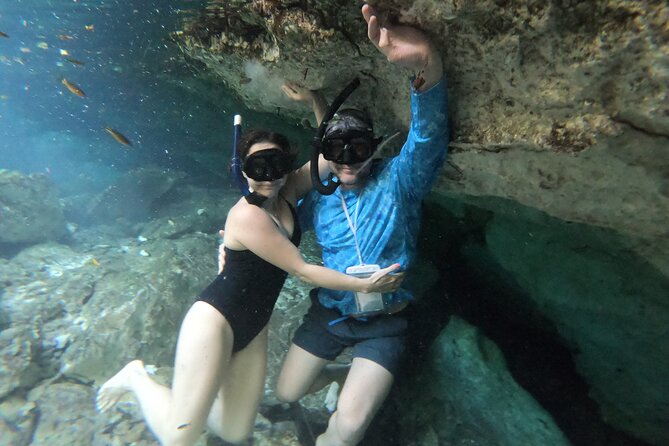
You’ll also get snorkel masks and life jackets provided. You might find you don’t need to use them nonstop, but having the option helps. Some underwater sections include tunnel areas, which are unique to cenote snorkeling and usually only work well with a mask.
If you’re not comfortable doing the more underwater-forward parts, there are alternate routes described for the cenote called the Caverns. That detail is worth remembering. You don’t have to force yourself into a style of swimming that doesn’t feel right for you.
Riding between swims: what biking adds to the day
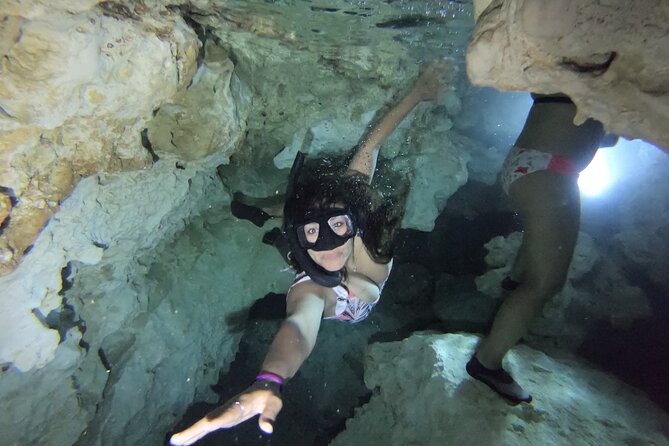
The bike part isn’t just transportation. It changes the whole feel of the tour. Cenotes are often a straight park-to-water-and-back experience. Here, the ride links everything together, so the day feels like a local circuit instead of a series of checkboxes.
It also keeps your timing smoother. While one activity runs, the next is ready to go. The pork is cooking; you’re cycling; then you’re snorkeling; then you’re back for lunch. That flow is one reason the half-day format feels full without feeling chaotic.
The group stays small (up to 8 people), which helps with bike spacing too. You’re not stuck waiting on a long line. You can keep your attention on what you’re doing rather than on logistics.
Cenote Xunaan Ha: open water, jump platforms, and mask time
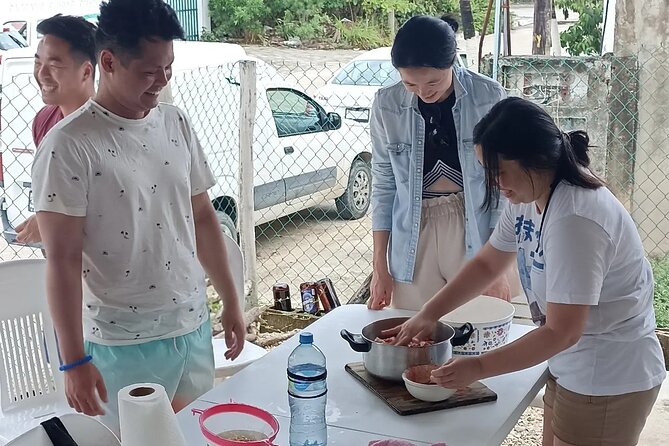
Cenote Xunaan Ha is the last cenote on the route. It’s described as a full open cenote, with two wooden platform points where you can jump in. Even if you don’t jump, those platforms add a fun sense of place—like a built-in checkpoint where you decide how active you want to be.
You’ll get around 40 minutes at this stop, with the snorkeling part lasting about 30 minutes or more after you’re in the water. Snorkel masks are used here to explore around, which makes sense for an open cenote where you can move comfortably and still see underwater details.
One smart approach is to keep your energy for this final stretch. You’ll already have eaten well earlier in the sense that you’ll smell the cooking and know lunch is waiting. But you’ll likely be ready for water again. Xunaan Ha is timed to be that payoff moment.
After the snorkeling, you go right back to eat the cochinita pibil that was prepared at the start. That sequencing is practical. You’re not trying to eat immediately after hard cycling across town, and you’re not waiting too long after the water time ends.
Lunch at the house: tacos you build, pork that’s been cooking the whole time
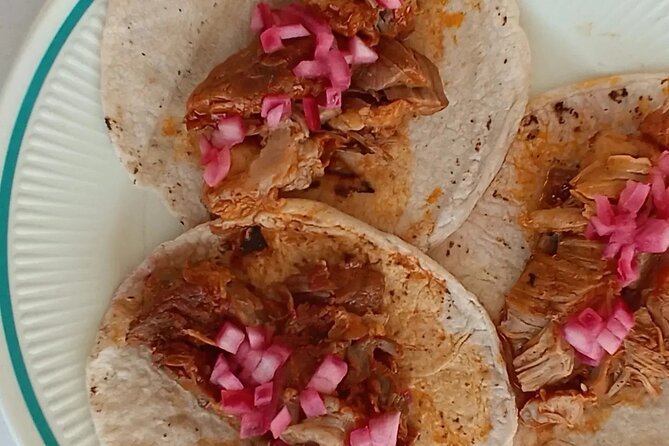
Back at Gilmer’s home, the day shifts from water to food. Your meal is the cochinita pibil that was cooked during the morning. You’ll be able to make your own tacos, and the plan is you can eat as many as you want.
That matters because it turns lunch into part of the experience rather than a quick plate you finish and forget. The pork is the centerpiece, and tacos make it easy to taste it in the way you like.
This is also where the cultural angle becomes real. You’re not just getting a dish. You’re learning how a Mayan-style technique looks and smells while it’s happening. The banana-leaf cooking is the clue: it’s the kind of method that tells you this is meant to be deeply flavored and slow-cooked rather than fast and shallow.
If you like meals that taste like effort, this should land well. If you want a light snack instead of a proper lunch, you might need to watch your pace earlier in the day.
Gear and comfort: what’s included, and how to prep for the cenote conditions
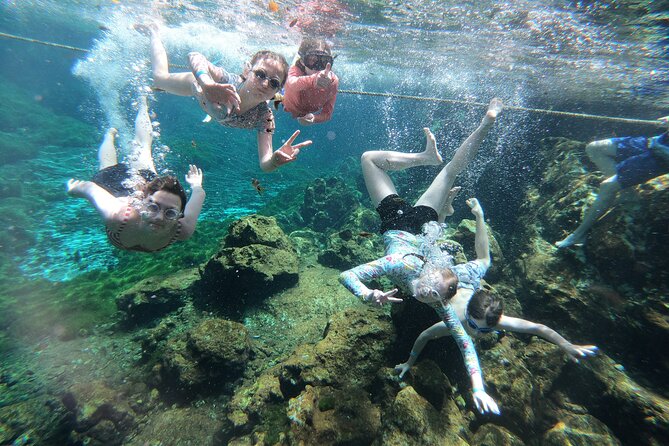
Here’s what you get as part of the tour:
- Snorkel masks and life jackets
- Bikes
- Entrance fees
- Guide service
- Lunch: cochinita pibil
And here’s what you’ll want to handle yourself:
- Bottled water (not included)
- Tips
If you’re trying to decide what to pack, start with your biggest comfort issue: mosquitoes. The cenotes can be mosquito-heavy, so come prepared. Wear whatever clothing and footwear help you feel stable on changing ground surfaces around the water.
Also remember that snorkeling may be optional in parts, but tunnels and underwater sections can be part of the fun when you have the mask. If you don’t want to spend much time underwater, you can still enjoy the cenotes from the surface areas and follow the alternate routes.
Price and value: why $59.78 can be a good deal for this format
The price is $59.78 per person for about 4 hours. On paper, it’s a lot for a short outing. In practice, it’s competitive because multiple major costs are wrapped in:
- cenote entrance fees
- snorkel masks and life jackets
- bikes
- a guided experience
- and a full lunch (cochinita pibil)
When you add those up separately, you end up spending more time coordinating and more money piecing it together. This tour tries to solve both problems at once: gear and access are handled, and the lunch is included without you needing to hunt for food after snorkeling.
The small group (max 8) also adds value. More personal attention means the day feels less like a conveyor belt. You get explanations and local guidance rather than just a checklist of where to swim next.
Timing is another quiet benefit. You start at 9:30 am, and you’re done in about 4 hours. That’s a format that works well when you want a Mayan food experience but still want daylight left for beaches, towns, or other activities around Playa del Carmen.
Who should book this cenote-and-cooking combo
This is a great fit if you want both sides of the Yucatán story: food and water. You’ll likely enjoy it if you like:
- trying authentic regional dishes like cochinita pibil
- learning how ingredients are used (not just eating a plate)
- snorkeling in multiple cenotes with variety
- avoiding the biggest crowds by choosing lesser-visited swim spots
It may feel less ideal if you’re sensitive to mosquitoes or you’re not comfortable around underwater tunnel sections. The good news is that alternate routes are described for the areas that can feel more underwater-dependent, so you can choose your comfort level.
Because the pace includes biking and snorkeling, it suits people who prefer active half-days. Most people can participate, and the group stays small, which makes it easier for the guides to adapt if someone needs a different approach.
Getting there and timing: simple, local, and efficient
The tour starts and ends at the meeting point in Ciudad Chemuyil (77774). It also ends back at that same location, so you’re not left trying to figure out a ride at the end of the day.
The start time is 9:30 am, and the whole experience runs around 4 hours. It’s also described as near public transportation, which can help if you don’t want to rely only on private transfers.
If you’re planning around other things in Playa del Carmen, treat this as a morning block. You’ll finish with lunch done and have the rest of your day free.
Should you book this tour?
I think you should book it if you care about authenticity and hate crowded, cookie-cutter cenote stops. The real value here is the pairing: the cochinita pibil cooking is part of the day, not an afterthought, and the cenote sequence keeps things varied and more relaxed.
Book it especially if you want a small group with friendly hosts like Gilmer and Gael, clear explanations, snorkel gear provided, and a lunch that actually has time to develop flavor. If mosquitoes are a deal-breaker for you, come prepared. If not, this is a smart way to spend a half-day in the area without wasting time.
FAQ
How long is the Cenotes by Bike and Mayan Cooking Class tour?
The tour runs about 4 hours.
What time does the tour start?
The start time is 9:30 am.
What is included in the price?
Included are snorkel masks and life jackets, bikes, entrance fees, guide service, and lunch (cochinita pibil).
Where does the tour meet?
The meeting point is at 77774 Ciudad Chemuyil, Quintana Roo, Mexico.
How many cenotes do you visit?
You visit four different cenotes during the experience.
How big is the group?
The group is limited to a maximum of 8 travelers.