REVIEW · PAROS
Paros: Greek Cooking Class with Meal and Wine
Book on GetYourGuide →Operated by ARGYRO FOKIANOU · Bookable on GetYourGuide
One kitchen. Big flavors. Even bigger learning. From the first olive oil tasting to the last sip of homemade wine, this Paros class turns Greek food traditions into real, repeatable skills. You’ll work hands-on on classics like tzatziki and keftedakia, then sit down to a full multi-course meal built from fresh local ingredients.
My favorite part is how the day is grounded in Paros produce: olive oil, cheese from island farmers, olives, and souma, all served before you even start cooking. The main drawback is simple: there’s no transportation included to the meeting point, and it isn’t suitable for wheelchair users or kids under 14—so plan accordingly.
In This Review
- Quick hits before you book
- Parea Cuisine Start: Olive Oil, Cheese, Olives, Souma
- Appetizers You’ll Actually Make Again: Tzatziki, Keftedakia, Greek Salad
- Your Main Meal Choice: Stuffed Vegetables, Moussaka, Pasticcio, or Fish of the Day
- Homemade Wine at the Table: When Souma Meets Dinner
- Dessert Options: Halva or Baklava to Close the Loop
- Price and Value: What $160 Buys You in Paros
- What the Small-Group Format Feels Like
- Practical Tips: How to Get the Most From Your 4 Hours
- Who Should Book (and Who Should Skip)
- Should You Book This Paros Cooking Class?
- FAQ
- How long is the Paros Greek cooking class?
- Where is the meeting point?
- Is transportation included?
- What should I know about allergies?
- Is the class suitable for children or wheelchair users?
- Can I cancel, and do I need to pay right away?
Quick hits before you book
- Farm-based tastings first: olive oil, cheese, olives, and souma set the stage for what you’ll cook
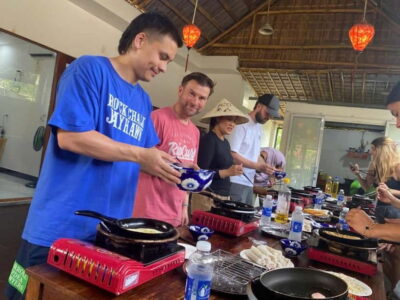
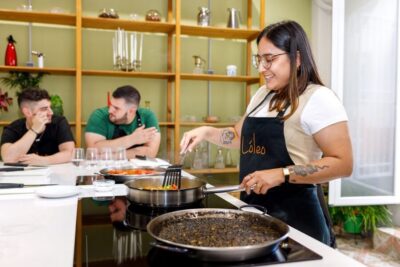
- Hands-on cooking, not just watching: you make appetizers and a full main meal
- Paros ingredients, seasonal choices: your menu can rotate based on what’s fresh
- A real meal with wine: homemade local wine runs through the experience
- Small-group feel: at least 2 participants are required, and larger groups can be arranged
Parea Cuisine Start: Olive Oil, Cheese, Olives, Souma
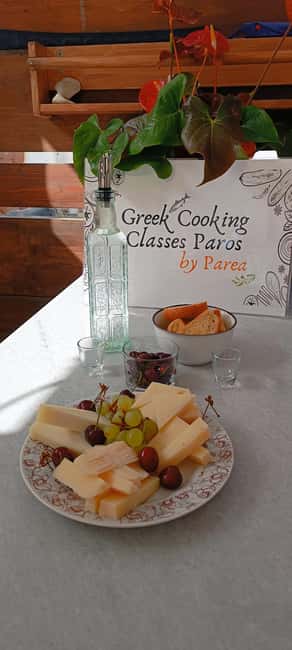
The class begins at Parea Cuisine, where the day starts like a proper Paros food education session. Before you touch a cutting board, you’ll do an olive oil tasting with a cheese platter made up of local island cheeses. The cheeses come from farmers on Paros, and the point isn’t to speed-run facts—it’s to taste the range first, so when you cook later, you’ll understand why ingredients matter.
After the cheese, you’ll move through local flavors that are central to everyday Greek life. You’ll taste local homemade olives and souma, a spirit made from a local distillery. This early stretch does two helpful things:
- It grounds you in what Paros actually tastes like.
- It gets you comfortable with Greek ingredients and textures before the cooking gets hands-on.
If you’re the type who likes to learn by doing, this sequence is a smart start. You’re not just collecting recipes. You’re training your palate.
You can also read our reviews of more tours and experiences in Paros.
Appetizers You’ll Actually Make Again: Tzatziki, Keftedakia, Greek Salad
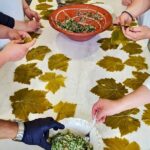
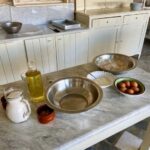
Once the tasting part is done, the workshop shifts into cooking mode. You’ll learn classic Greek appetizers, including tzatziki and keftedakia, plus a traditional Greek salad. The vibe here is practical and interactive, and the teaching approach is designed for real kitchen results, not just a one-time class performance.
From the way the hosts teach, you can expect a focus on:
- Technique (so your sauces, mixes, and flavors don’t fall flat)
- Hand skills (the basics like how you prep, portion, and shape)
- Understanding what makes each dish taste Greek, not just how it’s assembled
What I like about appetizer lessons like these is that they’re high-reward at home. Tzatziki is great for quick dinners and mezze nights. Keftedakia (Greek meatballs) works as a comfort food centerpiece or a sharing dish. And Greek salad is the kind of thing that always improves when you know what to prioritize—freshness, balance, and seasoning.
Your Main Meal Choice: Stuffed Vegetables, Moussaka, Pasticcio, or Fish of the Day
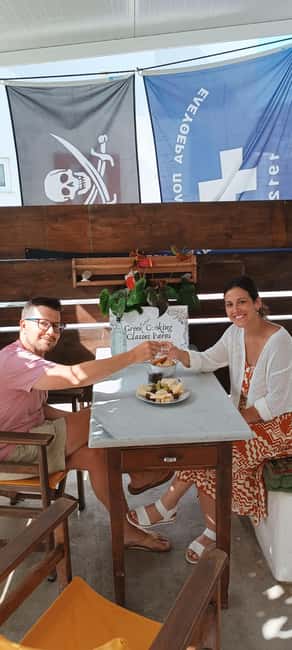
Then comes the part that makes the class feel like more than a cooking demo: you pick a traditional main dish from a menu built around what’s fresh and seasonal.
You may cook one of these:
- Seasonal stuffed vegetables (tomatoes, peppers, zucchini, aubergine)
- Moussaka
- Pasticcio
- Traditionally cooked fresh fish of the day
Even if you’re not picky about which main you get, this choice matters for two reasons. First, it keeps the meal tied to the island’s ingredients instead of forcing you into the same dish year-round. Second, it changes the skills you practice. Stuffed vegetables teach careful prepping and stuffing. Moussaka and pasticcio are about building layers and getting the bake/texture right. Fish-of-the-day brings a different focus, usually more time-sensitive and centered on keeping flavors clean.
If you’re hungry for variety, consider asking what’s most seasonal when you arrive. You’ll taste more Paros, and you’ll learn how the menu adapts.
Homemade Wine at the Table: When Souma Meets Dinner
Food in Greece is rarely just fuel, and this class follows that logic. You’ll enjoy homemade local wine throughout the meal. You’ll also have already tasted souma earlier, so by dinner time you’ll understand the arc of the day: spirits and starters set the mood, then the wine comes alongside the meal so everything feels cohesive.
A practical note: since there are alcohol tastings during the experience, pace yourself. Sip, don’t rush. If you’re sensitive to alcohol, tell your host early so they can guide you on what to prioritize.
Dessert Options: Halva or Baklava to Close the Loop
Every good Greek meal ends with something sweet, and here you’ll finish with dessert chosen as either Greek halva or baklava. The best part about this finale is that it ties back into the food theme of the day: local, traditional, and meant for sharing.
Halva often feels comforting and dense, while baklava brings layers and crunch. Either way, dessert lands as a final checkpoint for the flavors you’ve been learning all afternoon.
Price and Value: What $160 Buys You in Paros
At $160 per person for a 4-hour experience, this class can look pricey at first glance—until you break down what’s included.
You’re paying for:
- A hands-on cooking class
- Olive oil tasting plus cheese platter
- Local homemade olives
- Souma tasting
- Greek appetizers (tzatziki, keftedakia, and Greek salad)
- A traditional main meal (one of several options)
- Dessert (halva or baklava)
- Homemade local wine throughout
And you’re learning from hosts with serious credentials: years of experience teaching cooking and running a traditional restaurant tied to the Paros food scene. Add in the fact that the food is built around local ingredients, and the price starts to make sense as a full cultural meal experience—not a quick snack-and-lesson.
Value often comes down to one question: do you leave with skills and a meal, or just a story? This is built to do both. You cook, taste, and then eat what you made.
What the Small-Group Format Feels Like
This class requires a minimum of 2 participants, and the experience is designed around a more personal, kitchen-focused flow. In a group like this, you’re more likely to get real attention while you chop, mix, and assemble.
That matters if you want to do more than copy steps. You want to understand why the dish works. And when the host is guiding you through technique while you cook, the knowledge sticks.
If you’re traveling as a couple or a small friend group, this format is especially appealing. You’ll still meet people, but the kitchen stays yours to work in.
Practical Tips: How to Get the Most From Your 4 Hours
To enjoy this class at its best, come prepared to eat. The portions are generous, and the menu is multi-course by design. My advice is simple: plan a light morning so you can enjoy dinner without feeling like you’re forcing it.
Also, if you hate wasting food, you might want to bring a small take-home container. With the amount you’ll cook and taste, it’s a smart move.
And one more practical point: the class doesn’t include transportation to the meeting point. Make sure your plan gets you to Parea Cuisine on time. If you’re hopping between beaches and towns, build in a buffer for walking and parking/rides.
Who Should Book (and Who Should Skip)
This cooking class is a great fit if you want:
- A hands-on Greek cooking class experience in Paros
- A meal that’s more than one dish—tastings, appetizers, a main, and dessert
- Real ingredient focus: olive oil, cheeses, olives, and local wine
- A guided day in English or Greek
It’s not for you if:
- You need wheelchair accessibility (it isn’t suitable)
- You’re traveling with children under 14 (not suitable)
And if your ideal vacation is watching from the sidelines, you’ll probably want a different kind of food tour. This one works because you participate.
Should You Book This Paros Cooking Class?
If you love food that tastes like the place it came from, I think you’ll enjoy this class. It’s not just a recipe transfer. The tastings at the start set your palate, the cooking teaches technique, and the meal with wine turns it into a full evening experience inside a Greek home kitchen culture.
Book it if:
- You want a high-value, 4-hour food experience with multiple courses and wine
- You care about local ingredients and want to understand what makes Paros flavors work
- You’d like recipes you can recreate at home
Skip it if:
- You don’t want to handle the logistics of getting to Parea Cuisine
- You need wheelchair-friendly accommodation
- You’re traveling with a child under 14
If those points line up, this is one of the most satisfying ways to spend half a day on Paros.
FAQ
How long is the Paros Greek cooking class?
It lasts 4 hours.
Where is the meeting point?
The meeting point is Parea Cuisine.
Is transportation included?
No. Transportation to the meeting point is not included.
What should I know about allergies?
Let the hosts know about allergies at least 24 hours prior.
Is the class suitable for children or wheelchair users?
It’s not suitable for children under 14 years old and it’s not suitable for wheelchair users.
Can I cancel, and do I need to pay right away?
You can cancel up to 24 hours in advance for a full refund. You can also reserve now and pay later.