REVIEW · TIBERIAS
Galilean Cooking Workshop 2-4 particpants
Book on Viator →Operated by Galileat · Bookable on Viator
A family kitchen in the Galilee beats any museum. I love that this workshop is hands-on, with equipment provided, and you actually cook a seasonal lunch rather than just watching. You’ll share the results at the family table, learning what makes Galilean food taste the way it does.
You’ll also get real context through your guide, including Paul, who supports translation and adds a history lesson along the way. The only thing to keep in mind is that the cooking time is about 1.5 hours, so it’s more about a complete lunch experience than a long, deep training course.
In This Review
- Key highlights at a glance
- Galilean Cooking Workshop basics: who this is really for
- Getting to the kitchen: meeting in Karmiel and timing your day
- Coffee first: how the Druze welcome sets up the whole meal
- Hands-on cooking: the dishes you’ll actually make
- The family table lunch: why it’s more than just eating
- Equipment, fees, and what’s included in the real-world value
- Small group dynamics: 2–4 participants and a private experience
- What you’ll bring home: skills, flavors, and better questions
- Price and logistics: is $410 per person fair for what you get?
- Who should book this workshop (and who might skip it)
- Should you book Galileat’s Galilean Cooking Workshop?
- FAQ
- FAQ
- What dishes are included in the Galilean Cooking Workshop menu?
- How long is the experience?
- Where does the workshop take place?
- What time does it start?
- Is lunch included?
- Is the workshop private?
- Is there a vegetarian option?
- Can I cancel for a full refund?
- What’s the price per person?
Key highlights at a glance
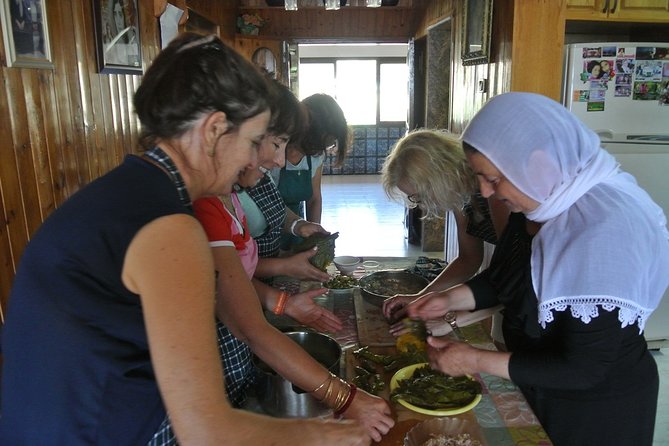
- Druze family hosting first, cooking second: coffee, introductions, and beliefs explained before you touch the ingredients
- Hands-on cooking for 1.5 hours: you’ll prep and cook, not just plate
- Local menu targets Galilean favorites: expect dishes like makluba, hubeza, and sinya
- Guide Paul adds translation plus background: food makes more sense after the stories
- Lunch is included and eaten together: family-table meal beats a restaurant experience
- Vegetarian option available: request it at booking so the menu can be adapted
Galilean Cooking Workshop basics: who this is really for
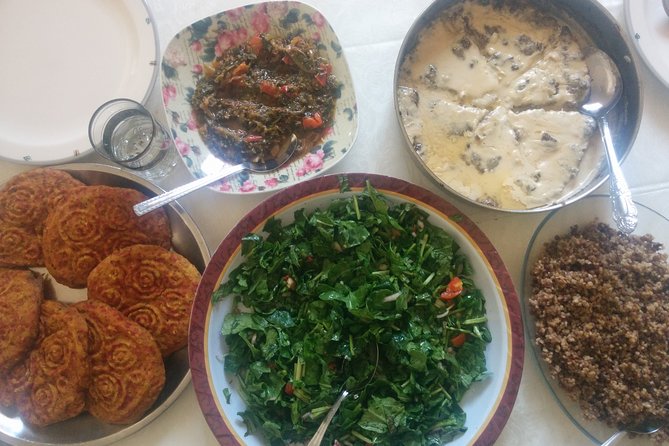
This is the kind of class you book when you want more than a recipe. You’re joining a Druze family near Haifa for coffee, a cultural introduction, and then a seasonal menu made in their kitchen. The focus stays practical: what you’re cooking, how it’s prepared, and why certain ingredients matter in the Galilee.
The format is short and focused: about 3 hours total with roughly 1.5 hours of hands-on cooking. That’s good if you have limited time in the region. It also means you should show up with a hungry mindset—because once you start cooking, you’ll want to sit down and eat what you made.
Group size is small. This is a private activity for your group, sized for 2–4 participants, but the provider lists a minimum of 4 people per booking. In practice, that can affect who can book on short notice and whether you’ll need to coordinate with others.
If you’re traveling with kids, this is a strong match. The pace is clear, the tasks are tangible, and the meal becomes the payoff. If you prefer quiet, teacher-at-a-table vibes, this also works, because you’re in a home kitchen with a guide doing the translating.
Getting to the kitchen: meeting in Karmiel and timing your day
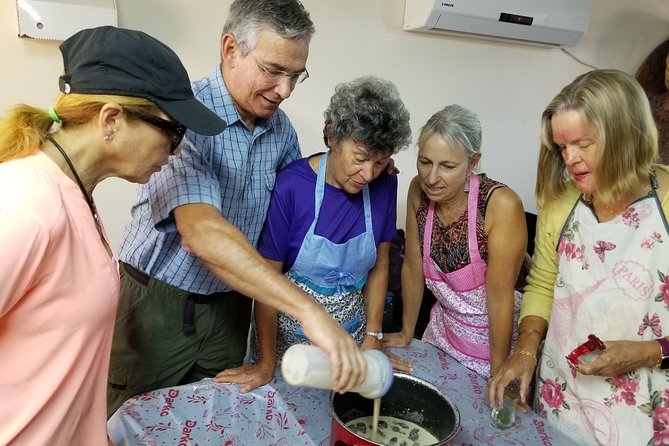
The experience starts at 11:00 am and meets in Karmiel, Israel. It ends back at the meeting point. That matters more than it sounds, because it keeps your planning simple: you don’t have to figure out how to get home after a lunch that will make you slow down.
The “where” piece is key too. Even though the activity is listed around Tiberias and the Galilee area, the kitchen experience is near Haifa, hosted by a Druze family. So you’re not just doing a cooking class in a tourist setting. You’re going from a regular town meeting point to a home kitchen environment.
Because the total duration is about 3 hours, I suggest you plan a light morning. You’re not going to want a rushed second activity right after. Think of this as your main event with food at the center, not an add-on.
Coffee first: how the Druze welcome sets up the whole meal
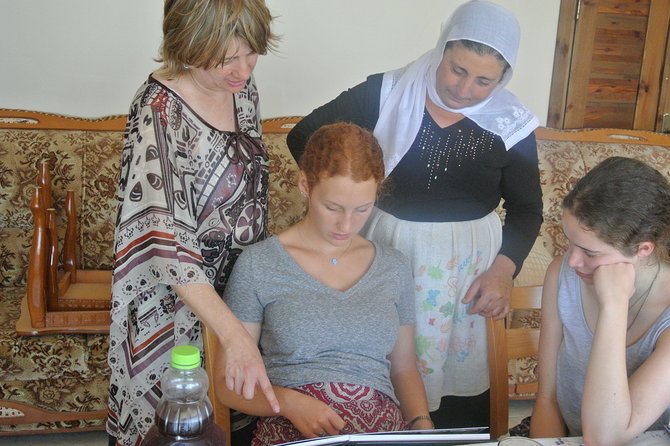
The workshop starts with introductions and context. You’ll be hosted by a Druze family, and your guide will explain aspects of Druze beliefs and culture. Before any chopping or mixing, you’ll likely begin with a traditional coffee and conversation.
Why do this first? Because it changes how you read the food. Instead of memorizing a list of dishes, you start connecting flavors to the place and the people. Galilean cooking isn’t just about technique—it’s about local ingredients and daily rhythms.
Your guide, Paul, supports translation and adds a history lesson. That pairing is especially valuable because kitchen vocabulary can be tricky. Paul’s role helps you understand what the host is asking, what ingredients do, and why certain steps matter. It’s also the difference between feeling like a customer and feeling like a temporary member of the household.
One practical note: you’ll hear culture and beliefs, not just food facts. If your travel style is strictly entertainment-only, you may find the cultural talk a bit heavier than a typical cooking class. For most people, though, that’s exactly why this workshop feels more meaningful.
Hands-on cooking: the dishes you’ll actually make
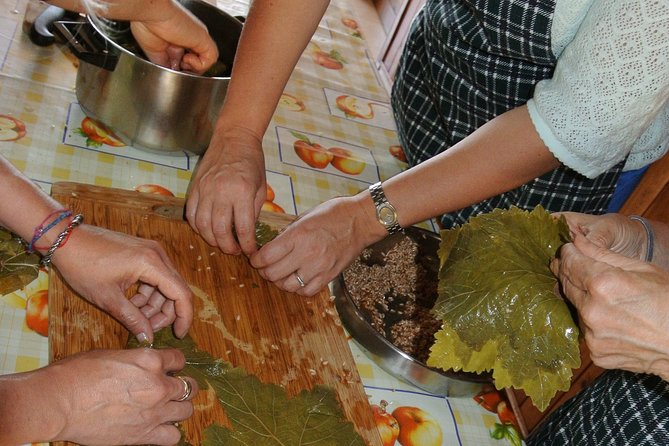
After the coffee and introductions, you move into the kitchen and cook together for about 1.5 hours. This is the heart of the experience. You’ll use provided equipment, so you don’t have to bring anything beyond yourself and an appetite.
The menu is seasonal and designed around local ingredients and common Galilean favorites. The dishes listed include makluba, hubeza, and sinya. Even if you haven’t heard those names before, the guide and hosts make it understandable.
Here’s what these ingredients-and-dishes choices mean for your taste buds:
- Wild greens and regional vegetables: Galilean cooking leans into the greens and the “what grows here” mindset. Expect flavors that feel earthy and fresh rather than overly sauced.
- Smoked green wheat: that specific ingredient signals a distinct regional character. It’s not something you can easily replicate at home unless you find the right specialty products.
- Smaller techniques that create depth: when your meal includes both greens and a wheat component, seasoning and timing matter. The class structure helps you learn the steps, not just the final plates.
You’ll likely rotate between tasks rather than do everything alone. That’s a good thing. Cooking as a group keeps you moving, and it also means you can learn different roles—prep, mixing, cooking steps, and plating.
If you’re a strong home cook, this might not feel like a full-on advanced culinary course. But it’s not trying to be. It’s trying to teach you how the Galilee tastes, and how people cook what they cook every day.
The family table lunch: why it’s more than just eating
Once the cooking is done, you sit down and eat the lunch you prepared. This part is included, and it’s not a quick bite. It’s a real meal around the family table, which turns the whole workshop into a shared experience.
This is where the “inside tips from a local” idea becomes real. You learn how the family talks about the food, how they expect it to be eaten, and how they think about what’s in season. Even if you only catch parts of the conversation, Paul’s translation support helps you follow along.
If you’ve ever taken a cooking class where you cook for 90 minutes and then eat something different, this feels different. Here, you cook the lunch, you eat the lunch, and it’s tied to the host’s kitchen life.
Dietary options are handled with planning. A vegetarian option is available, and you’re asked to advise dietary requirements at booking. That’s important because it affects the menu you’ll cook. If vegetarian is your need, don’t wait—put it in when you book so the family can plan the right dishes rather than improvising at the last minute.
Equipment, fees, and what’s included in the real-world value
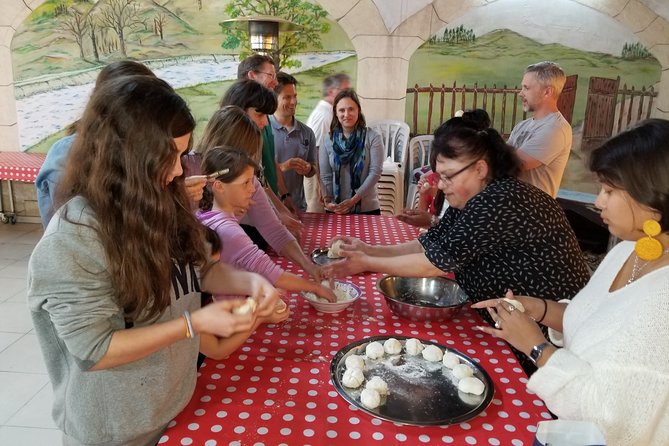
This workshop includes the key parts that usually cost time or money elsewhere. You get:
- Lunch included
- Local guide included
- All necessary equipment included
- All taxes, fuel surcharges, and service fees included
For value-minded travelers, this matters. Cooking classes can be cheap on paper and then get hit with add-ons. Here, the pricing is designed to be straightforward, with the extra operational costs already covered. It makes budgeting easier, especially when you’re comparing it to classes that offer “starter-only” supplies or make you pay for lunch separately.
The price is listed at $410 per person for this workshop format (3 hours approx.). That’s not a low-cost activity. The question is whether you’re getting something special enough to justify it.
In my view, you are—because you’re paying for access to a family kitchen experience, a cultural introduction, and a guided, hands-on cooking session where the meal is part of the package. If you want a typical restaurant meal, you’ll pay less. If you want a lived-in home-table lunch plus cooking instruction plus translation support, this is the category you’re paying for.
Small group dynamics: 2–4 participants and a private experience
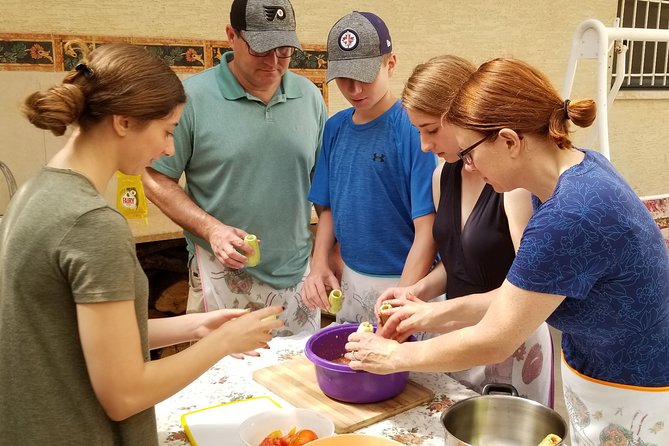
This is designed as a small private activity for your group. That changes the feel in two ways.
First, it supports hands-on participation. In a very large class, you might watch more than you do. In a small group, tasks rotate, and you’re more likely to touch the process.
Second, translation and guidance can work better. Paul can spend more time answering your questions and helping you understand steps.
There is one practical consideration: with a listed minimum of 4 people per booking, your actual group size might not always match your ideal. If you’re booking as a couple or solo, you may need to coordinate to meet that minimum, depending on availability. That can affect your schedule and cost, even if the experience itself is built for small groups.
What you’ll bring home: skills, flavors, and better questions
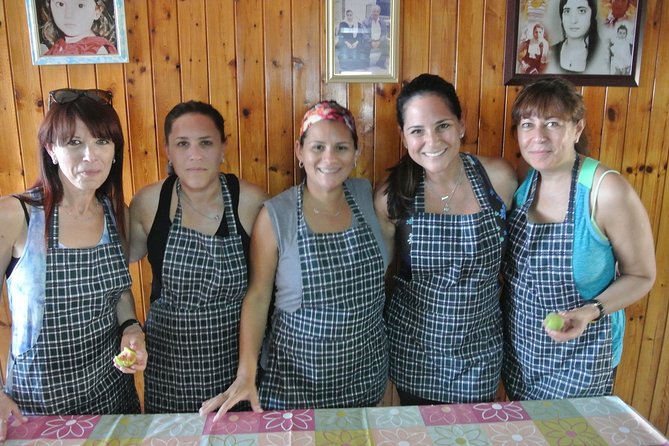
A good cooking class gives you a dish. A better one gives you the ability to cook the logic behind it. This workshop’s strength is that it’s tied to a seasonal Galilean menu and ingredients you might not normally use at home.
Even if you can’t source smoked green wheat easily, the bigger takeaway is understanding how greens and grain-based ingredients work together, and how seasoning and timing shape the final meal.
You’ll also leave with better questions. Instead of asking only how a dish is made, you’ll know what to ask about the culture behind it—why certain foods show up together, what “seasonal” means locally, and how families pass down cooking habits.
And yes, you’ll leave full. The lunch is part of the learning loop.
Price and logistics: is $410 per person fair for what you get?
At $410 per person, this isn’t a budget cooking workshop. But pricing like this is common when the experience includes:
- a family-hosted setting (not a commercial kitchen)
- cultural introduction with translation
- hands-on cooking time
- lunch that’s included as part of the activity
- equipment and operational costs covered
So the value depends on what you want from your trip. If your top priority is saving money, skip. There are plenty of lower-cost cooking classes and plenty of good food in Israel.
If your priority is authentic village-life access—coffee with a Druze family, real kitchen time, and a shared meal—then this price can make sense. You’re paying for the human part, not just the food prep.
Also, the time slot helps. Starting at 11:00 am and finishing around 3 hours later makes this easy to fit into a day without turning it into a whole travel project.
Who should book this workshop (and who might skip it)
Book it if you:
- want a hands-on food experience, not an observation tour
- travel with family members who like interactive activities
- enjoy cultural context as much as cooking
- want to taste specific Galilean favorites like makluba, hubeza, and sinya
- appreciate a guide who handles translation and adds background (Paul is part of this)
Consider skipping if you:
- want a longer cooking session with lots of advanced technique
- prefer fully silent experiences where culture talk isn’t part of the deal
- are extremely time-sensitive right after the workshop, since it’s designed as a main event lunch hour
Should you book Galileat’s Galilean Cooking Workshop?
If you’re choosing between a standard class and this family-hosted approach, I’d lean this way. The combination of Druze hospitality, coffee and cultural explanation, and a hands-on seasonal lunch around the family table is the core strength. Add equipment included, lunch included, and guide support from Paul, and the experience is built to be easy to participate in.
Book it when you want your day in the Galilee to feel human and specific—food with a story, made with people, not just served to you.
FAQ
FAQ
What dishes are included in the Galilean Cooking Workshop menu?
The workshop menu includes Galilean favorites such as makluba, hubeza, and sinya, along with seasonal ingredients like wild greens and regional vegetables.
How long is the experience?
It lasts about 3 hours total, with about 1.5 hours of hands-on cooking.
Where does the workshop take place?
It takes place in the Galilee area with the cooking class hosted by a Druze family near Haifa, and the activity is associated with the Tiberias region. The meeting point is Karmiel, Israel.
What time does it start?
The start time is 11:00 am.
Is lunch included?
Yes. Lunch is included, and you eat the meal you prepare at the family table.
Is the workshop private?
Yes. It’s a private tour/activity, and only your group participates.
Is there a vegetarian option?
A vegetarian option is available. You should advise your dietary requirements at the time of booking.
Can I cancel for a full refund?
Yes. You can cancel up to 24 hours in advance for a full refund. If you cancel less than 24 hours before the start time, the payment isn’t refunded.
What’s the price per person?
The price is $410.00 per person. Taxes, fuel surcharges, and service fees are included in that total.