This Jodhpur cooking class is a quick, hands-on way to learn masala chai and make pakora the way locals do, in a real home kitchen setting. You’ll get guided through the steps, cook your own food, and then eat what you make, all in about an hour at an easy meeting point near Gulab Sagar.
I like two things a lot. First, the lesson is practical: you don’t just watch—you learn how the tea gets its flavor and how the pakora batter and frying come together. Second, you end up with plenty to taste, so you can compare the different versions side by side and figure out what you like.
One thing to consider: it’s not a long, multi-course dinner experience. It’s about 59 minutes, so you’ll want to come ready to work, eat, and ask questions fast—especially since the experience needs good weather.
In This Review
- Key highlights
- Why This Chai and Pakora Class Fits Jodhpur Perfectly
- Meeting Near Gulab Sagar: Simple Logistics for a 5:30 pm Start
- What You Cook: Two Chai Styles and Vegetable Pakora Variations
- Inside the Kitchen: How the Class Actually Flows
- Learning chai: flavor comes from choices
- Cooking pakora: batter and frying decide everything
- The tastings: eat right away so you learn faster
- What Makes It Special: More Than Recipes, Real Kitchen Talk
- Price and Value: Why $11.32 Is a Fair Deal
- Timing Tips: Don’t Pair It With a Late-Dinner Plan
- Who Should Book This Chai and Pakora Cooking Class
- Should You Book This Jaiodhpur Cooking Class?
- FAQ
- Where is the meeting point for the cooking class in Jodhpur?
- What time does the chai and pakora cooking class start?
- How long does the experience take?
- What will I learn and taste during the class?
- How big are the groups?
- How do I get the ticket?
- Is the experience dependent on weather?
Key highlights
- Learn 2 chai styles and make sense of spice choices as you go
- Cook vegetable pakora using seasoned batter and deep-fry technique
- Taste your results right after cooking, so it’s not just instruction
- Small group size with a maximum of 15 travelers
- Short evening timing starting at 5:30 pm, easy to fit into your day
Why This Chai and Pakora Class Fits Jodhpur Perfectly
Jodhpur evenings can be full of forts, markets, and rooftop views. This class gives you a different kind of souvenir: food skills you can actually repeat. You’re not just sampling dishes—you’re learning how the flavors are built, then tasting immediately so the lesson sticks.
The biggest value here is the home-kitchen feel. When you cook in a family-style setting, you pick up details that don’t show up in restaurant orders: how spice feels in your fingers, how batter thickness changes frying, and what “right” looks like when you’re learning on the spot.
Also, the pace is friendly. With a 59-minute runtime, you can enjoy the experience without giving up your whole night. You’ll still leave with that satisfied, “I earned this” feeling that comes from cooking your own chai and pakora.
You can also read our reviews of more tours and experiences in Jodhpur.
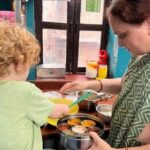


Meeting Near Gulab Sagar: Simple Logistics for a 5:30 pm Start
The class starts at 5:30 pm at Khichiyon ka nohra, Bagari Chowk, behind Aradhana English academy school, Gulab Sagar, Jodhpur, Rajasthan 342001, India. It ends back at the meeting point, so you don’t need to worry about last-mile transport afterward.
A mobile ticket is used, which keeps things easy. You’ll also be in a small group (up to 15 people), so you’re not lost in the chaos of a big food tour. That matters, because cooking classes work best when you can hear instructions and ask follow-up questions while the food is actively cooking.
Do plan to arrive a few minutes early. Evening traffic and locating a specific lane behind a school can take a little time, especially when street signs are less obvious. If you want this to feel smooth, show up with enough buffer to settle in before the cooking begins.
What You Cook: Two Chai Styles and Vegetable Pakora Variations
The core lesson is built around two chai lessons and pakora practice. You’ll learn two different varieties of chai (tea) and two different kinds of vegetable mix pakora—vegetables (or bread coated in seasoned batter) that get deep-fried.
That structure is important for your brain. Chai isn’t one single flavor. It’s a balance of heat, sweetness, and spice timing. Pakora is the same idea: the batter seasonings and the frying process decide whether you get crisp edges, a tender inside, and the right spice-to-oil feel.
Here’s the part I’d highlight if you’re picky about variety. The official plan focuses on two chai types and two pakora varieties, but the overall experience is set up so you can taste what you cook and learn through comparison. In practice, many people leave talking about how many different versions they tried during the session, so come with an open mind and plan to eat more than a small snack.
Inside the Kitchen: How the Class Actually Flows
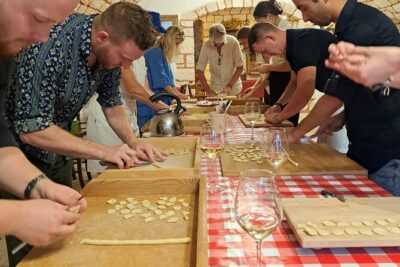
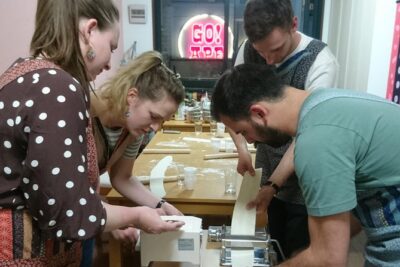
Think of this as a guided cooking session with a clear rhythm: learn the method, cook your portion, and then taste. Because everything is home-made, you’re working with the ingredients and tools the way a family kitchen would—no special theater, just real process.
Learning chai: flavor comes from choices
You’ll learn how to make chai in more than one style. That usually means paying attention to when spices go in, how strong the tea becomes, and how the balance shifts once everything simmers and mixes.
Pay attention to two things while you’re cooking:
- Aroma timing: where the spice smell changes as it warms
- Strength and sweetness balance: what happens when you adjust for taste during the final mix
Even if your first cup isn’t perfect, you’ll learn what knobs you can turn next time.
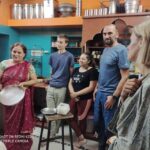



Cooking pakora: batter and frying decide everything
You’ll also learn vegetable mix pakora—pieces coated in seasoned batter, then deep-fried. This part is where technique matters, because frying is unforgiving. Batter thickness, oil temperature, and how you handle the pieces all affect crispness and texture.
The class is set up so you taste what you cook, so you can quickly connect technique to outcome:
- If the batter is too thick, you’ll get heavy frying
- If it’s too thin, you might lose the coating
- If oil temperature is off, you get soggy results instead of crisp ones
And because it’s an instructional class, you’ll have a chance to understand what went right (and what to adjust).
The tastings: eat right away so you learn faster
Once you cook, you’ll try the chai and pakora you made. This “cook then taste” approach is the fastest way to learn because it trains your palate immediately.
Try to taste in order—first one chai version, then the other, then move into pakora. That way you can actually compare spice and texture without your taste buds getting confused by a big food pile all at once.
What Makes It Special: More Than Recipes, Real Kitchen Talk
The most loved part of this kind of experience isn’t the food alone. It’s the conversation around the food. In this class, you’ll likely talk about how to use spices in chai during different seasons, and you’ll hear practical advice on why a certain flavor works at a certain time of year.
That kind of context is useful after you leave. You’ll be able to adjust chai at home like a cook, not like someone copying a recipe line for line. It also turns the class into something you remember when you’re not cooking—just like a good story you can’t quite recreate, but you still understand the theme.
And yes, the portions can surprise you. The session is structured around cooking and tasting multiple items. If you show up thinking you’ll only have a tiny sample, you might end up genuinely hungry and satisfied by the end.
Price and Value: Why $11.32 Is a Fair Deal
At $11.32 per person, this is one of those bargains that makes sense in the real world. You’re paying for:
- A guided cooking session
- Ingredients and homemade chai/pakora
- A small group setup (max 15)
- A meal-like tasting experience
The 59-minute length also helps value. You’re not paying for a long time slot with endless waiting. You’re paying for active participation that ends with food you can eat right away.
Is it a luxury class? No. It’s practical. And for many people, that’s exactly why it’s worth it. You’re getting genuine cooking instruction without the inflated price tag that often comes with “food tours.”
Timing Tips: Don’t Pair It With a Late-Dinner Plan
Since it starts at 5:30 pm, you’re basically slotting it into your early evening. That means you should plan your main dinner for later—or keep it light. This class is designed to get you eating what you cook, so you’ll likely feel full by the end.
If you like to travel with a simple plan, this is how I’d structure your evening:
- Do your daytime sightseeing at a normal pace
- Head to the meeting point a bit early
- Treat the class as your dinner plus a skills lesson
- Save your big meal or dessert for afterward only if you still feel hungry
Also, bring an open mind about spice levels. Since you’ll be learning chai and pakora methods, the flavors will be part of the lesson. If you’re very sensitive to spice, I’d still join, but be ready to tell the host what you prefer and adjust as you taste.
Who Should Book This Chai and Pakora Cooking Class
This class is a great fit if you:
- Want an easy evening activity in Jodhpur
- Like learning through doing, not watching from a distance
- Enjoy chai, fried snacks, and spice-driven cooking
- Prefer smaller-group experiences where you can ask questions
It’s also ideal if you’re traveling with someone who loves food but doesn’t want a heavy, multi-hour commitment.
If you’re the type who hates getting your hands involved, you might find the experience too active for your taste. But if you enjoy cooking—even casually—this will feel like a fun, practical win.
Should You Book This Jaiodhpur Cooking Class?
I think you should book it if you want a real home-style food experience that fits neatly into an evening. The price is strong, the group stays small, and the “cook then taste” format is exactly what helps you remember the flavors later.
Skip it only if you’re looking for a long sit-down dinner, a high-end restaurant-style meal, or a low-effort activity. This is hands-on cooking with immediate tasting, not a passive tour.
If you’re in Jodhpur around 5:30 pm and you want to leave with chai and pakora knowledge you can use at home, this is a smart choice.
FAQ
Where is the meeting point for the cooking class in Jodhpur?
It meets at Khichiyon ka nohra, bagar chowk, behind Aradhana English academy school, near Gulab Sagar, Jodhpur, Rajasthan 342001, India.
What time does the chai and pakora cooking class start?
The start time is 5:30 pm.
How long does the experience take?
It lasts about 59 minutes.
What will I learn and taste during the class?
You’ll learn two varieties of chai and make vegetable mix pakora (vegetables or bread coated in seasoned batter and deep-fried). You’ll also taste what you cook.
How big are the groups?
The group size is limited to a maximum of 15 travelers.
How do I get the ticket?
You’ll receive a mobile ticket.
Is the experience dependent on weather?
Yes. The experience requires good weather. If it’s canceled due to poor weather, you’ll be offered another date or a full refund.