REVIEW · JODHPUR
Private Cooking Class in Jodhpur With Pick Up & Drop Off
Book on Viator →Operated by Balaji Forex Tours And Travels · Bookable on Viator
Your hands learn spices fast. This private Jodhpur class turns a simple meal into a hands-on lesson with real pickup and drop-off plus a private group where you can ask questions. I love that it’s family-run and question-friendly, not a performance. One thing to plan for: it’s about 3 hours total, so you should treat it like a working session where you cook and then sit down to eat soon after.
You’ll travel from your hotel to the host home, get a briefing on Indian cuisine, then start learning the ingredient side first—spices, seasonal vegetables, and how Rajasthani cooking builds flavor. From what’s shared in past classes, the experience often includes favorites like ginger and masala tea, several curries (including paneer-based dishes), khichri, and fresh breads like chapatis and parathas made from scratch.
If you want specific dietary adjustments, bring that up when booking. The class says you can advise dietary requirements, so the more clearly you communicate, the smoother the cooking will go for you and your group.
In This Review
- Quick takeaways before you book
- A home-cooking class in Jodhpur beats a restaurant stop
- Pickup and the true rhythm of a 3-hour lesson
- The first lesson: Indian cuisine basics, spices, and seasonal vegetables
- Cooking in a Rajasthani kitchen: what you’ll likely make
- Tea and spice foundations
- Curries and comfort staples
- Breads from scratch
- Khichri and vegetable sides
- Learning by doing: how the class stays interactive
- The meal: what’s included and how you’ll eat it
- What the price includes (and why it’s not just about food)
- Logistics that can make or break the experience
- Who should book this class (and who might prefer something else)
- Should you book this private cooking class?
- FAQ
- What’s included in the private cooking class?
- Do I choose lunch or dinner?
- Is the experience private?
- What kinds of dishes are taught?
- Is alcohol included?
- How long does the cooking class last?
- What’s the cancellation window?
Quick takeaways before you book

- Hotel pickup and drop-off: You skip finding the right house and you lose less time.
- Private, interactive teaching: A family member guides you step-by-step and answers questions.
- Spices and seasonal vegetables first: You learn the ingredients behind Rajasthani flavor.
- You cook, then you eat: Lunch or dinner is part of the experience, with bottled water and tea/coffee.
- Menu options for your schedule: Choose lunch or dinner based on what fits your day.
A home-cooking class in Jodhpur beats a restaurant stop

A restaurant can feed you. A good cooking class teaches you how to recreate the flavor later. That’s the core value here: you’re not just tasting Rajasthani dishes—you’re learning the “why” behind them, from spices to technique. In a city like Jodhpur, that matters because regional cooking isn’t only about ingredients. It’s about the method, the order you add things, and the way spices bloom.
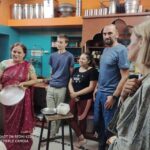
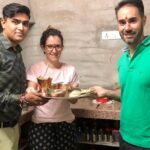
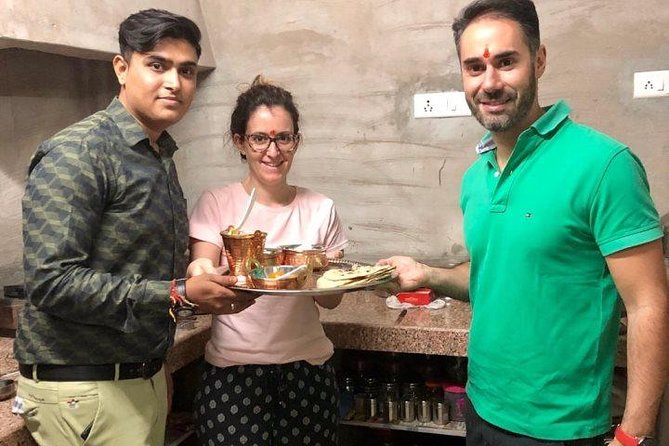
I also like the family-kitchen angle. Several past sessions describe being welcomed into the host home with a traditional tikal blessing. Even if you don’t obsess over rituals, it signals the real vibe: you’re sitting down as a guest of a household, not getting rushed through a “tourist food show.”
The other big practical win is pacing. You’re in a cooking rhythm with the instructor, so you get clarity on what’s happening at each stage. That makes the whole experience feel useful, not just fun.
You can also read our reviews of more tours and experiences in Jodhpur.

Pickup and the true rhythm of a 3-hour lesson
The class starts with pickup from your hotel at your selected booking time. Then you head to the host home (where you’ll be greeted by the family) and go from briefing straight into cooking. After the experience, you return to your hotel.
The duration is listed as about 3 hours. That’s short enough to fit into a sightseeing day without major disruption, but long enough to do real work—chopping, mixing, rolling breads, and simmering curries or finishing dishes. In other words, you won’t just watch. You’ll participate.
If you’re tight on plans, think of it like this: you’ll want to arrive on time and come ready to cook. Wear comfortable clothes you don’t mind getting spice-splashed, because Indian kitchens are busy and spices have a way of traveling.
The first lesson: Indian cuisine basics, spices, and seasonal vegetables
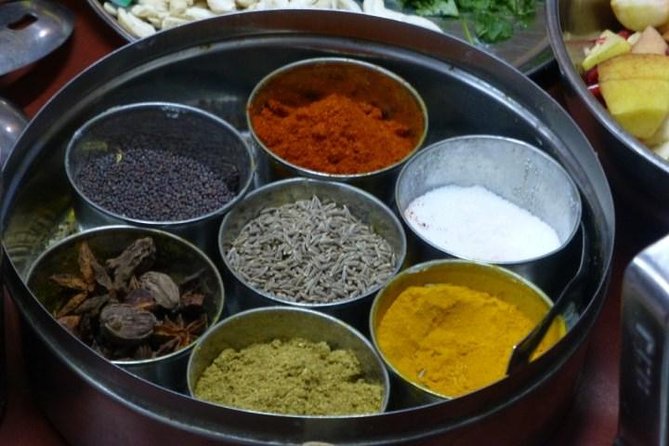
Before you touch a stove, the host family gives a briefing on Indian cuisine. This is where the experience becomes more than recipe copying. You get an introduction to Indian species (spices) and seasonal vegetables, which helps you understand how Rajasthani food stays flavorful year-round.
Past participants highlighted how welcoming hosts were and how patient they stayed while teaching. That matters because spice cooking can be intimidating if you’re used to Western measurements and timers. When the instructor explains what the spice should smell or look like at each stage, you can follow along even if you’ve never cooked Indian food at home.
You can also use this briefing to ask practical questions. If you want to know how something like ginger or masala tea flavors the final dish, this is the moment to ask before you’re too busy rolling dough or stirring a simmering pot.
Cooking in a Rajasthani kitchen: what you’ll likely make
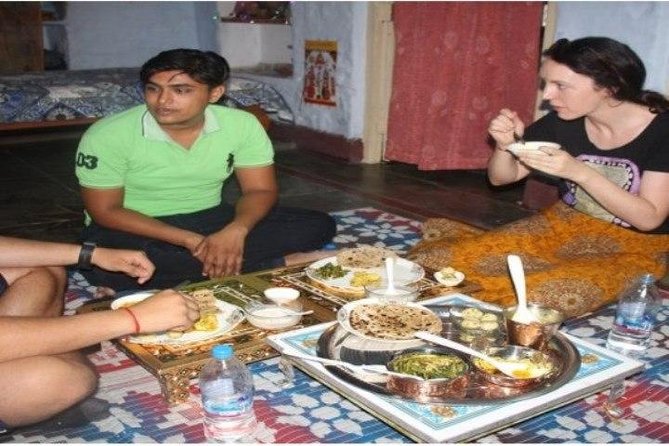
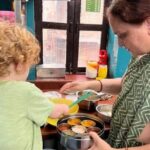
The cooking section is interactive. A family member demonstrates several authentic Rajasthani items, and you roll up your sleeves to take part in the process.
From the overview, the class may include classic dishes such as chutney, saffron lassis, biryani, paneer curry, and others. From specific reviews, some sessions have included chai masala and ginger tea, dahl, paneer masala, a cabbage recipe, chapatis and parathas made from scratch, and khichri.
Here’s how to think about the mix:
Tea and spice foundations
Many sessions include ginger and masala tea, and that’s not random. Tea masala teaches you how spices work together in an everyday flavor. It’s also a great starter dish because you can usually see the process quickly—spices steep, aroma changes, and you taste your way to balance.

Curries and comfort staples
Curries like dahl and paneer masala give you a direct look at Indian flavor structure: fat and aromatics, then spices, then simmering. If you make paneer-based dishes, you’ll learn how the timing affects texture—paneer can go from perfect to rubbery if handled too long.
Breads from scratch
Chapatis and parathas are hands-on skills. Even if you don’t master the first attempt, you’ll learn the basics of dough consistency, rolling, and cooking surfaces. That’s valuable because it turns Indian food from “something I order” into “something I can actually make.”
Khichri and vegetable sides
Khichri and cabbage recipes show how Rajasthani cooking balances spice with comfort. These dishes are often easier to recreate at home than elaborate restaurant plates, so you’re leaving with meals you can cook on a normal weeknight.
Learning by doing: how the class stays interactive
One of the most praised parts of this experience is the teaching style—friendly, patient, and designed for real participation. People specifically mention hosts helping them with ginger and masala tea, different curries, and khichri, plus stepping in when something isn’t coming out right.
That’s the difference between a class that’s just filming itself and a class that teaches. If you’re unsure about a step, you get a chance to ask. If you’re handed an ingredient or tool, you use it. If the bread doesn’t roll well the first time, you adjust.
Also, the class setup supports interaction because it’s private. Your group cooks together with the host rather than getting shuttled through stations with strangers. That makes it easier to ask questions and to keep up.
The meal: what’s included and how you’ll eat it
Once cooking wraps up, you sit down and enjoy the food you made. The experience includes lunch or dinner depending on the class time you choose. Coffee and/or tea are also included.
Bottled water is provided along with the meal. That’s a small detail, but it matters in Indian kitchens where you’re likely cooking for hours, breathing in spice steam, and tasting during prep.
Alcoholic drinks are not included, and they’re available to purchase. So if you’re planning on wine or beer with dinner, budget separately.
As for portion expectations: the data doesn’t specify exact amounts. But since the class includes a full meal at the end of a cooking session, you should plan for a proper dining stop—not a snack.
What the price includes (and why it’s not just about food)
This experience is priced at $25. On paper, that’s low for a private, instructor-led activity. Here’s why it feels like good value: the inclusions cover more than cooking.
You’re getting:
- a private cooking session
- a professional host (family member)
- lunch or dinner (depending on what you pick)
- coffee and/or tea
- bottled water
- pickup and drop-off from your selected hotel
When transportation is included, you remove friction. When the meal is included, you remove the need to plan another stop. When you’re taught by someone who can answer questions, you gain a skill you can use again.
A booking trend shows it’s commonly reserved about 44 days in advance on average. That usually means this is a popular option, especially for travelers who want an easy, guided cultural activity without complicated planning.
Logistics that can make or break the experience
The class is private, and the maximum is 15 people per booking, which suggests it’s small-group friendly. But it’s still structured like a home lesson, so your “watch and learn” time will be limited—you’ll be involved.
It also notes that confirmation is received at time of booking, and you can choose lunch or dinner. That flexibility is helpful in Jodhpur because the day can be hot, then suddenly busy with fort or market plans.
A practical note from the teaching experiences: come with curiosity and patience. Learning Indian cooking can involve spices you haven’t handled before. The hosts described being friendly and patient, which means you’ll be guided, but you still need to be ready to work with the ingredients.
Who should book this class (and who might prefer something else)
This is a great fit if you:
- want hands-on cooking rather than just tasting
- like Rajasthani flavors (curries, breads, chai masala, comfort dishes)
- enjoy asking questions and learning technique
- want hotel pickup and drop-off to keep the day simple
It may not be your best match if you:
- only want to watch (this is participation-focused)
- have very specific allergy needs you’re not comfortable communicating in advance
- are trying to fit in a packed schedule where you can’t handle a dedicated 3-hour block
On the positive side, the class states that most travelers can participate, so it generally works for a wide range of guests. The key variable is whether you’re comfortable with cooking steps and spice exposure.
Should you book this private cooking class?
I’d book it if you’re in Jodhpur for a few days and you want one activity that gives you both a cultural moment and a take-home skill. The combination of hotel pickup/drop-off, a private family-style teaching setup, and a full included meal makes it easy to justify the time.
I’d think twice only if you’re the type who hates getting involved in kitchens. If you’re happy to roll up your sleeves, you’ll likely walk away with at least a few repeatable wins—tea masala basics, a curry approach, and bread-making confidence.
FAQ
What’s included in the private cooking class?
You’ll get the lunch or dinner based on your class time, bottled water, coffee and/or tea, a private cooking session with a host, and pickup and drop-off from your selected hotel.
Do I choose lunch or dinner?
Yes. You can choose whether you want a lunch lesson or a dinner lesson based on your schedule.
Is the experience private?
Yes. It’s described as a private tour/activity, so only your group participates.
What kinds of dishes are taught?
The class may include classic dishes such as chutney, saffron lassis, biryani, paneer curry, and other Rajasthani items, and sessions can also cover things like chai masala and ginger tea, dahl, paneer dishes, khichri, and breads like chapatis and parathas.
Is alcohol included?
No. Alcoholic drinks are not included, but they are available to purchase.
How long does the cooking class last?
It’s listed as approximately 3 hours.
What’s the cancellation window?
You can cancel up to 24 hours in advance for a full refund.
If you want, tell me what dishes you’re most interested in (tea, curries, paneer, breads, biryani, etc.) and whether you’re aiming for lunch or dinner, and I’ll help you pick the best time slot logic for a tight Jodhpur day.