REVIEW · YOGYAKARTA
Yogyakarta: 3-hour Cooking Class with Market Tour
Book on GetYourGuide →Operated by Jogja Borobudur Tour & Travel · Bookable on GetYourGuide
Food lessons start at the market. This Yogyakarta cooking class pairs a real ingredient hunt with hands-on Javanese cooking in a small group (max 8). I especially like the way you learn by doing, from choosing produce to tasting your own dishes hot and fresh.
One thing to plan for: you’ll eat a lot. Come with an empty stomach and wear comfy shoes, because the morning market leg involves walking and picking your ingredients.
In This Review
- Quick hits before you book
- The real reason this class feels different in Yogyakarta
- Morning market tour vs afternoon-only cooking session
- Morning class: you also get the market tour
- Afternoon class: cooking without the market leg
- What you’ll cook: common Yogyakarta dishes you can recreate
- Entering the kitchen: where technique becomes taste
- Tasting your dishes while they’re still hot
- The feast at the end: plated well, eaten together
- Instructor style: why the names keep showing up
- Price and value: what $35 really buys you
- Logistics that matter on a real day
- Walking comfort
- Bring an empty stomach
- Group size and pacing
- Meeting point via WhatsApp
- Pickup option
- Who should book this class (and who should skip it)
- Should you book this Yogyakarta cooking class?
- FAQ
- How long is the cooking class?
- Do I get a market tour?
- Is this class offered in the morning and afternoon?
- Do I need cooking experience?
- What language is the instructor?
- How many people are in the group?
- Is hotel pickup and drop-off included?
- What should I bring?
Quick hits before you book
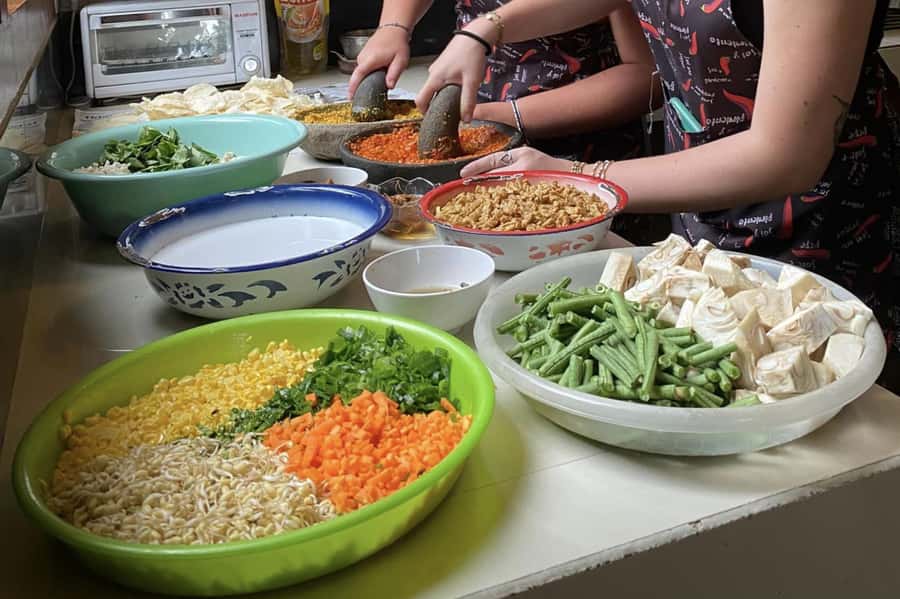
- Market shopping (morning only) so you learn what to look for in real time
- Small-group vibe (up to 8) that keeps questions and pacing friendly
- English-speaking instructor with step-by-step guidance you can actually follow
- Hands-on cooking plus tasting so you learn flavor by doing, not just watching
- You leave with recipes (and often leftovers packed to bring home)
The real reason this class feels different in Yogyakarta
Cooking classes can be hit or miss: sometimes you just chop things while someone else does the serious work. Here, the rhythm is different. You start by seeing and selecting ingredients, then you move into the kitchen and cook multiple dishes yourself, guided the whole time.
In Yogyakarta, food is personal. Spices, herbs, rice, and vegetables don’t live in theory. They live in what you buy, how you grind, what you taste while it’s still warm, and how you balance salty, sweet, sour, and heat. That’s what you’ll feel during this 3-hour experience—less like a performance, more like a morning or afternoon inside local food culture.
You can also read our reviews of more tours and experiences in Yogyakarta.
Morning market tour vs afternoon-only cooking session
This is the big fork in the road.
Morning class: you also get the market tour
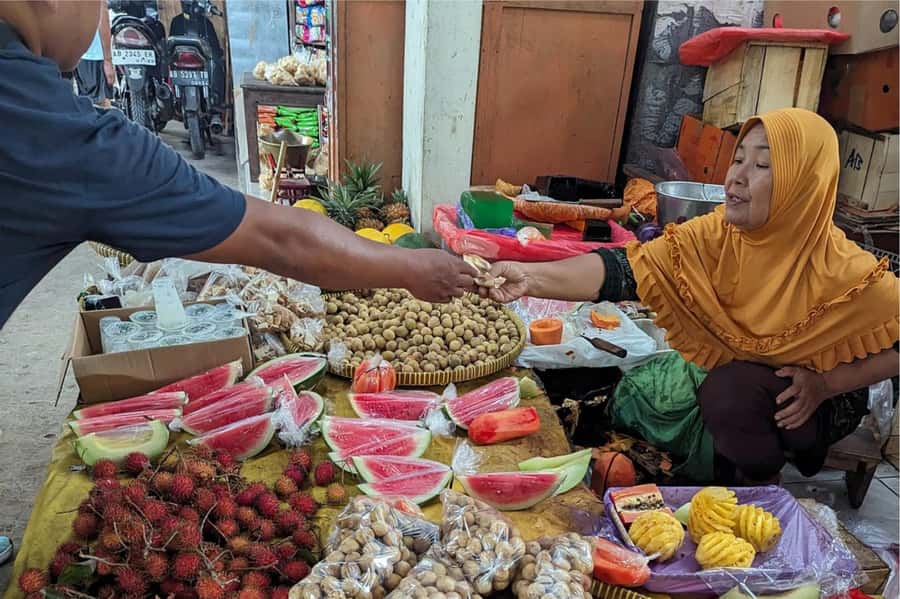
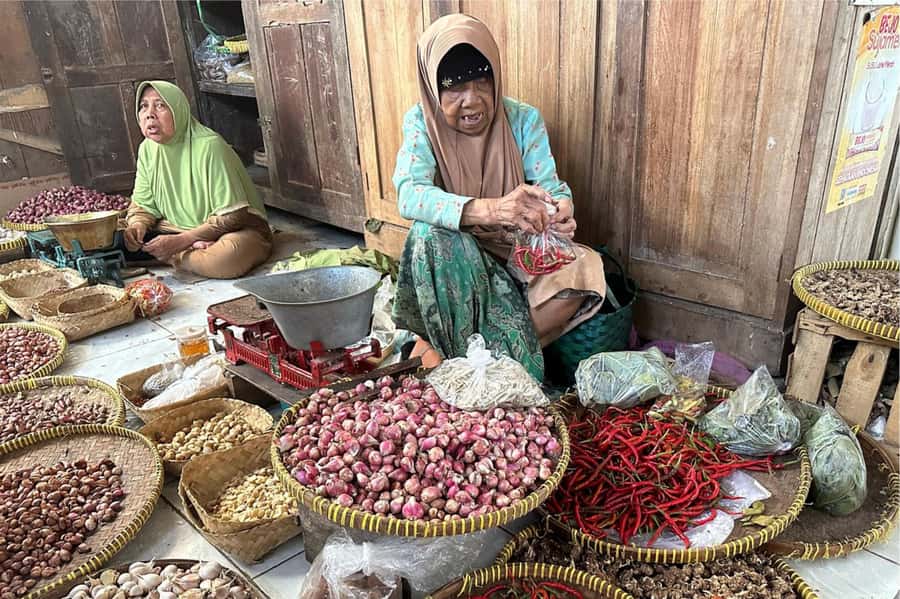
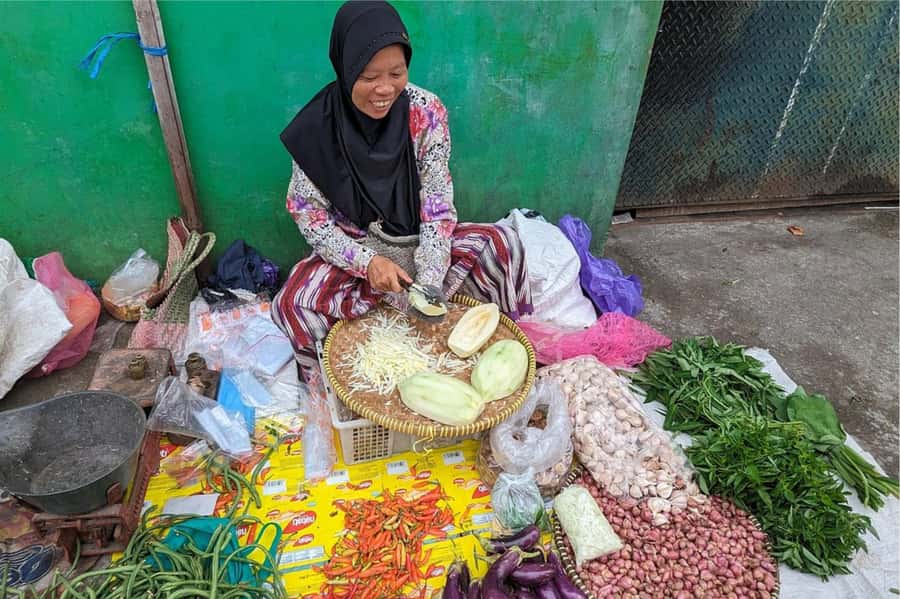
If you choose the morning option, you’ll do the ingredient-shopping part first. The market time isn’t just a photo stop. You’re selecting ingredients like locals—learning what looks fresh, what smells right, and which items are worth spending your money on.
In the experience, this market leg has stood out because instructors build a relationship with vendors and move the group along with good pacing. People also describe tasting along the way, so you get a sense of flavors before the cooking starts. It’s a great way to understand why certain dishes taste the way they do.
Afternoon class: cooking without the market leg
If you book the afternoon option, you still get the cooking class, but the market tour only runs with the morning session. So if your goal is to shop and learn ingredient quality first-hand, morning is the better fit.
What you’ll cook: common Yogyakarta dishes you can recreate
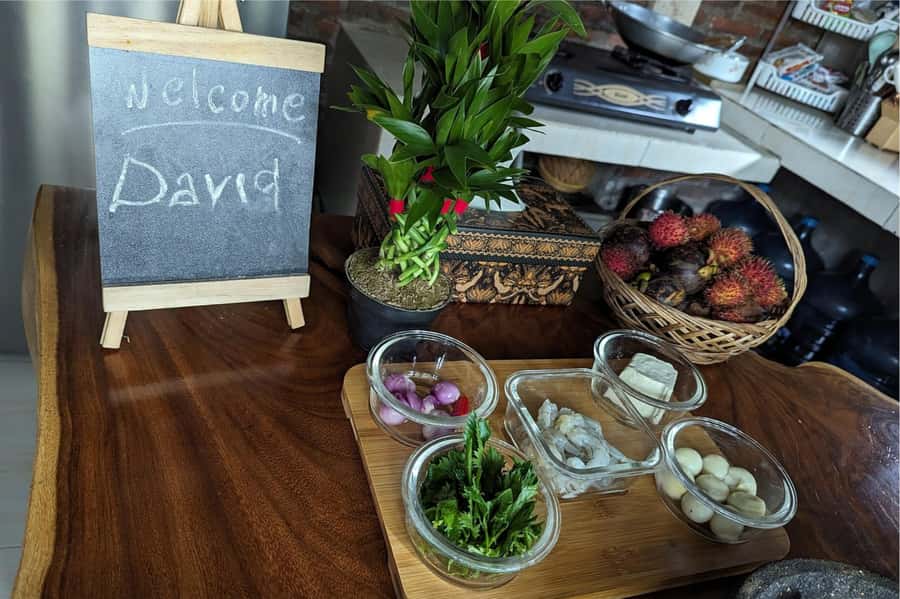
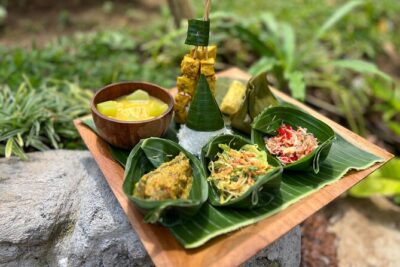
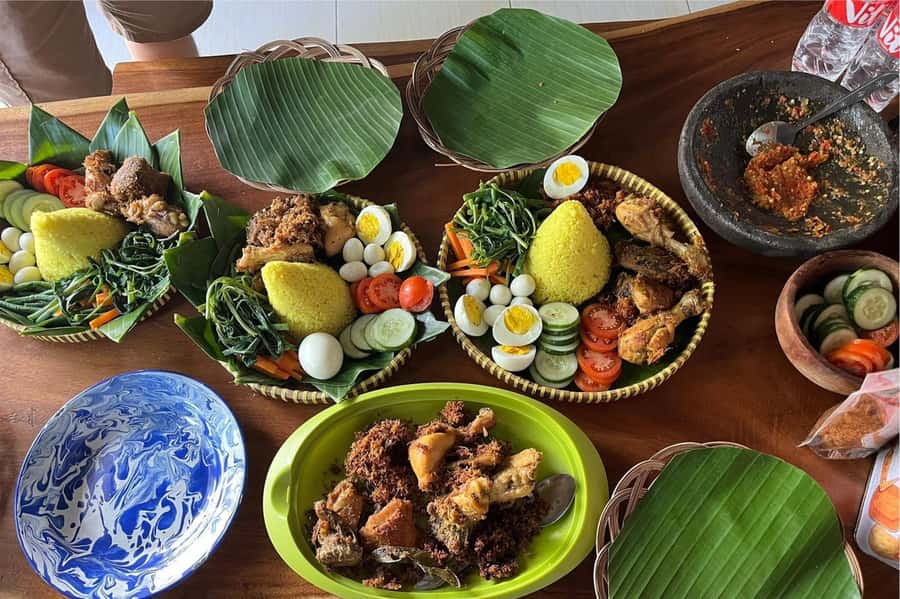
The exact menu can vary by session, but the structure stays consistent: you cook traditional Indonesian dishes with a practical, step-by-step approach, and you taste what you make while it’s hot.
From past experiences, I’ve seen repeat favorites such as:
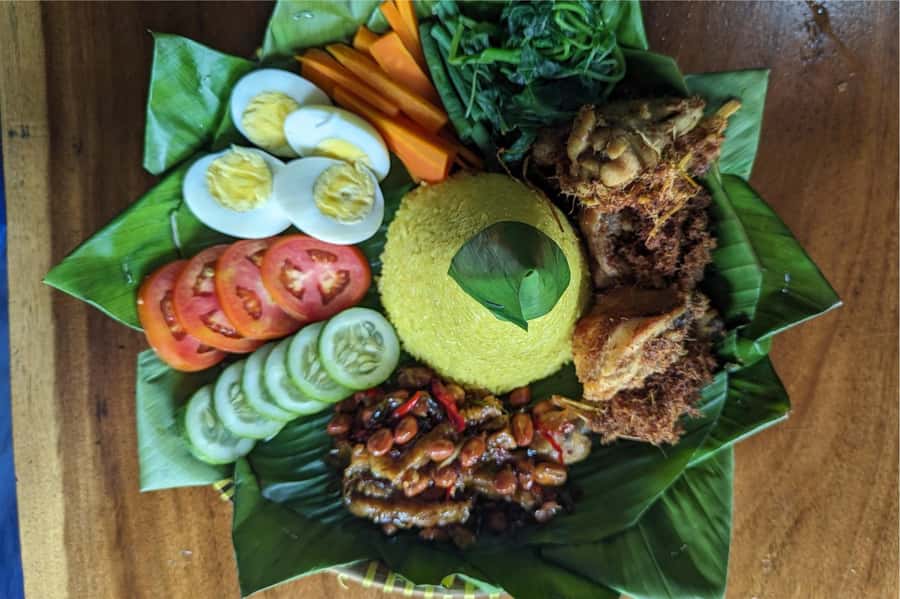
- Yellow rice
- Tofu fritters
- Galangal fried chicken
- Tempeh with tamarind sauce
- A dessert option
- Dishes where you grind herbs and work with coconut milk from scratch
That last detail matters. When you make coconut milk or grind spices yourself, you stop guessing. You learn the texture, the aroma, and how the dish transforms as ingredients change from raw to fragrant.
And because you take home all the recipes, you’re not just eating a great meal. You’re leaving with something you can repeat later—especially helpful if you want to recreate Javanese flavors outside Indonesia.
Entering the kitchen: where technique becomes taste
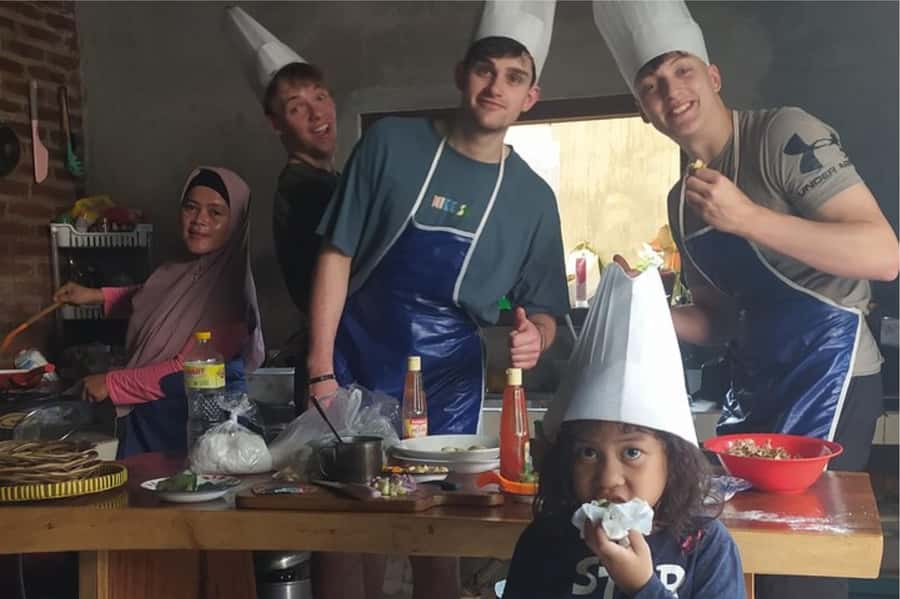
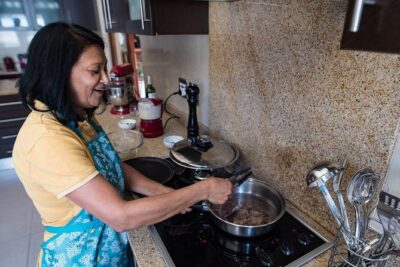
Once you’re back from shopping, it’s “roll up your sleeves” time. This isn’t a sit-and-watch class. The goal is for you to handle the process. You’ll learn handy techniques that connect ingredients to outcomes.
Here are the skills you should expect to practice:
- Mixing and prepping key ingredients from scratch
- Cooking with herbs and spices in the way Javanese home kitchens do it
- Frying and stirring until the right texture and aroma show up
- Tasting and adjusting as you go
One theme that comes through in people’s feedback is how organized the instruction feels. Even when they cook multiple dishes in a half-day, the pace usually stays smooth. That’s a real value point, because slow classes turn into “standing around hungry” (and your stomach is not patient on a market morning).
Tasting your dishes while they’re still hot
This part is underrated. Food tastes different when it’s hot and freshly finished, and you’ll catch that difference during the class.
You get to taste each dish individually, instead of only eating one big plate at the end. That helps you connect what you did—frying time, sauce balance, spice intensity—to what you taste.
If you’re a cook or a food nerd, this is the moment where things click. If you’re not, it still works. You’ll just learn faster because your brain gets immediate feedback: more sour, more salt, more spice, less heat.
The feast at the end: plated well, eaten together
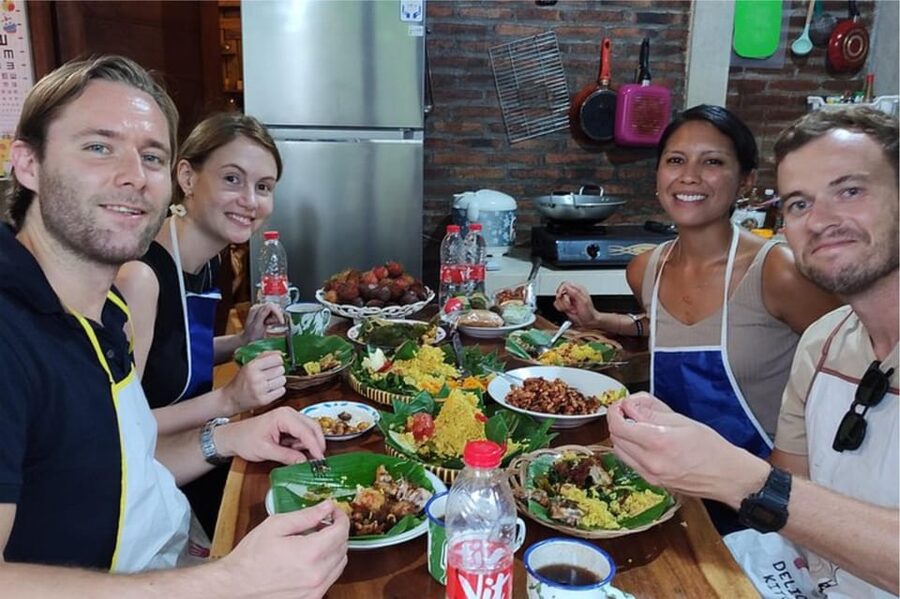
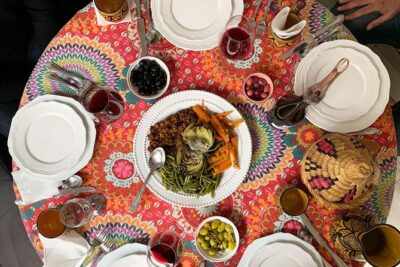
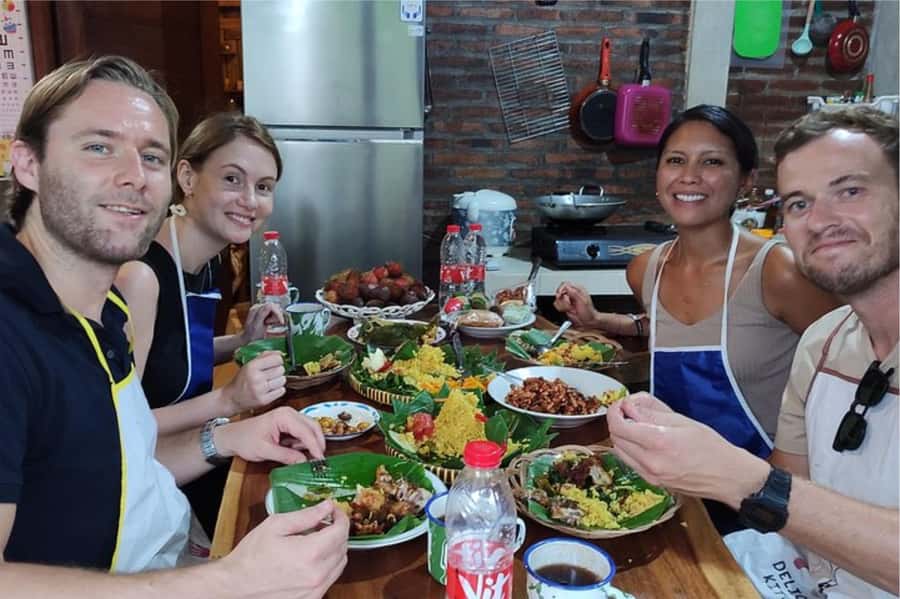
After the cooking, the class ends with a shared meal. People describe it like a family-style dinner, with the dishes you made served in a relaxed setting.
Two things to note:
- You’ll likely leave full in a satisfying way, not just stuffed.
- Many sessions include beautifully presented plates and a chance to enjoy your results while everything still feels fresh.
Also, leftovers are often packed to go. That’s a practical bonus. You can have dinner later at your hotel, instead of hunting for food after a hands-on morning.
Instructor style: why the names keep showing up
The biggest “wow” factor here isn’t just the recipes. It’s the teaching style.
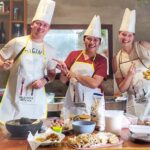
Past participants often mention instructors by name—like Desy/Desi/Desay and Herni—and describe them as warm, patient, and organized. They also mention English instruction, plus an ability to help both quick learners and slower learners without making anyone feel rushed.
Another detail that’s useful for your expectations: some instructors include cultural context while you cook. Topics like Yogyakarta life, differences in ethnic food, and even stories tied to batik come up alongside cooking. The kitchen stays the center of attention, but you don’t feel like you’re trapped in a textbook.
If you want food plus context (not just food), this is the kind of class that delivers.
Price and value: what $35 really buys you
At $35 per person for about 3 hours, this can be a surprisingly good deal—mainly because you’re getting a lot more than “a cooking demo.”
Here’s what’s included:
- The cooking class itself
- A market tour for the morning session only
- An instructor
- All ingredients
- Water
- Optional hotel pickup and drop-off (if you select it)
Value-wise, the market tour is the standout. Ingredients cost money, and shopping time costs time. When that’s built into the experience, you get the feeling of a complete food journey: learn ingredients, cook them, eat them, then take recipes home.
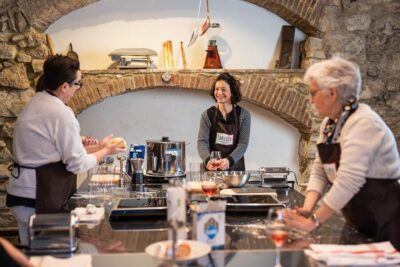
And because you’re capped at 8 participants, you’re not stuck in a crowded class where you only touch the food once. Small group size is one of the main reasons people call this experience memorable.
Logistics that matter on a real day
A few practical points can make or break your experience.
Walking comfort
You’ll be on your feet, especially during the market portion. Wear comfortable walking shoes. This isn’t the time for brand-new sneakers that haven’t formed your feet’s opinions yet.
Bring an empty stomach
You’ll likely eat multiple dishes. So yes—eat nothing beforehand. One of the clearest pieces of advice from past participants is to not show up already full.
Group size and pacing
With a small group (max 8), the pacing tends to stay workable. You still cook, but you shouldn’t feel lost if you’re slower at chopping or stirring.
Meeting point via WhatsApp
Your exact meeting location is shared through WhatsApp. So when you book, make sure you provide your WhatsApp number and keep your phone handy that morning or afternoon.
Pickup option
Hotel pickup and drop-off is offered if you select it. If you’re coming from the airport area, pickup has an extra cost (stated as IDR300,000). If you’re staying closer in the city, you might find it simpler to meet at the location provided.
Who should book this class (and who should skip it)
This is a strong match if:
- You want a hands-on cooking experience, not a spectator show
- You enjoy markets and want to learn what “good” ingredients look like
- You want Javanese flavors you can reproduce at home using real recipes
- You like small-group learning where you can ask questions
It might be less ideal if:
- You hate walking in the morning (the best ingredient selection happens in the market)
- You’re very sensitive to eating lots of different dishes in one sitting
- You only want a quick taste rather than multiple dishes you make yourself
Should you book this Yogyakarta cooking class?
If you’re in Yogyakarta and you like food that comes with context, I’d book it. The mix of market selection (morning option), small-group teaching, and real cooking you do yourself is a rare combo at this price.
Book this class if you want more than dinner. You want the skills—grinding, sauce-making, frying technique—plus recipes you can use later. And if you’re food-curious, the market time turns the whole experience from “cooking lesson” into “how Indonesians actually build flavor.”
FAQ
How long is the cooking class?
The duration is listed as 3 hours.
Do I get a market tour?
The market tour is included only for the morning class.
Is this class offered in the morning and afternoon?
Yes. Courses are offered during morning or afternoon, but the market tour is only available in the morning session.
Do I need cooking experience?
No experience is needed to take part in the activity.
What language is the instructor?
The instructor speaks English.
How many people are in the group?
The group is small, limited to 8 participants.
Is hotel pickup and drop-off included?
It’s optional. If you select the option, hotel pickup and drop-off are included. Pickup from the airport area has a stated extra cost of IDR300,000.
What should I bring?
Comfortable walking shoes are recommended, and you should bring an empty stomach since there will be plenty of food.
If you want, tell me your travel dates and whether you prefer morning or afternoon. I can help you pick the option that best matches your schedule and your appetite.