REVIEW · HO CHI MINH CITY
1 hour Egg Coffee Cooking Class with Snack and Local Instructor
Book on Viator →Operated by Hoang's Kitchen Cooking Class · Bookable on Viator
A custard-style coffee lesson in Ho Chi Minh City. This 1-hour egg coffee cooking class is built for small-group attention, so you’re not just watching—you’re making. I love how the instructor walks you through each step, and I also love that you can tune the sweetness so the final cup fits your taste.
You’ll start with the story behind egg coffee, then move into a guided cooking session where the focus is practical, not performative. If you want a cozy setting where you can chat with other learners while you work, this setup is easy to settle into.
One thing to consider: it’s coffee, so if you’re sensitive to caffeine, this is not a great fit.
In This Review
- Key Things You’ll Do and Learn
- Egg Coffee in Plain Terms: What You’re Really Making
- Arriving at Hai’s Restaurant: Location and the Small-Group Advantage
- The First Part: The Egg Coffee Story and Vietnamese Coffee Context
- Step-by-Step Cooking: From Instructor Demo to Your Own Cup
- Taste and Texture Check: What to Expect When You Finish
- Snack Pairing: Spring Roll After the Work
- What the Price Includes, and Why $15 Can Be a Good Deal
- Comfort, Language, and How Easy It Feels
- Practical Tips Before You Book (So You Enjoy It More)
- Who Should Book This Class, and Who Might Skip It
- Should You Book the 1-Hour Egg Coffee Class?
- FAQ
- How long is the egg coffee cooking class?
- How much does the class cost?
- Is this class small group?
- Where does the class start and end?
- What’s included in the tour price?
- Do you make the egg coffee yourself?
- Do you learn about Vietnamese coffee culture?
- Is the class suitable for people who are sensitive to caffeine?
- What’s the cancellation policy?
Key Things You’ll Do and Learn
- Small group guidance (max 15): you get real attention while you make your own cup.
- DIY, not a demo: you’ll follow steps and produce your own egg coffee.
- Sweet level control: adjust your final flavor to match your preferred sweetness.
- Egg coffee story + Vietnamese coffee culture: you learn context while you cook.
- Included snack: a spring roll comes after you finish your coffee.
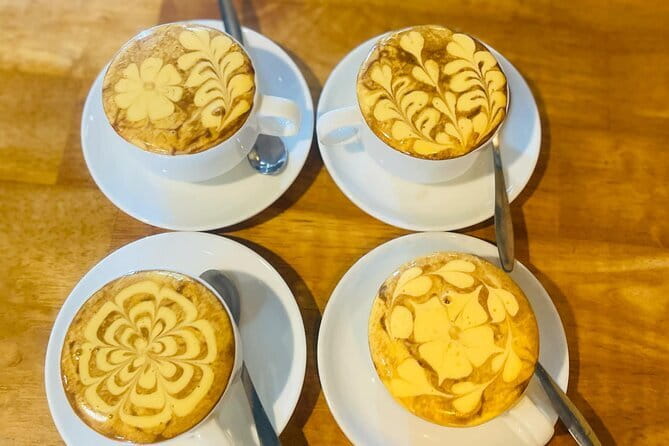
- Hands-on sample with decoration: you’ll see what a finished presentation can look like.
Egg Coffee in Plain Terms: What You’re Really Making
Egg coffee is famous in Vietnam for its creamy, custard-like feel. The way people describe it is helpful: think more like creme brulee or custard filling layered into coffee, not a simple milky drink. That matters because it changes what you should expect in texture and taste.
In a 1-hour format, the class doesn’t try to overwhelm you with theory. Instead, you learn the mindset: egg coffee is all about the balance—coffee flavor plus that smooth, sweet egg-cream character.
And if you’re unsure whether you’ll like the drink, don’t write it off yet. The class gives you the tools to make it your way, including adjusting sweetness.
You can also read our reviews of more tours and experiences in Ho Chi Minh City.



Arriving at Hai’s Restaurant: Location and the Small-Group Advantage
You meet at Hai’s Restaurant, 257 Lý Tự Trọng, in District 1. It’s an easy area to reach in Ho Chi Minh City, and the tour notes say it’s near public transportation, which helps if you’re hopping around town.
This class is capped at 15 travelers, which is the real selling point. In a bigger group, you tend to watch and hope. Here, you’re closer to the instructor, so questions don’t get lost in the shuffle.
The meeting point “loops back” to the same place at the end, which keeps the time simple. A 1-hour class is short enough that logistics should not eat your day.
The First Part: The Egg Coffee Story and Vietnamese Coffee Context
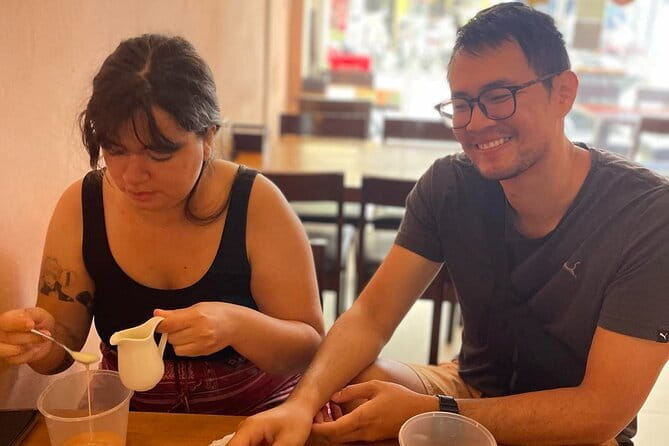
Before you touch anything, your instructor starts with a story about egg coffee. That might sound like a warm-up, but it actually helps you understand why the method matters—egg coffee has a “why” behind it, not just a “how.”
You’ll also get coffee history and Vietnamese coffee culture context. Even if you’re only visiting for a few days, this kind of background makes the experience feel less like a gimmick and more like a window into how locals think about coffee.
The class also gives you a way to talk about it afterward. Instead of saying I tried egg coffee, you’ll be able to explain what makes it distinctive and what role the egg-cream component plays.
Step-by-Step Cooking: From Instructor Demo to Your Own Cup

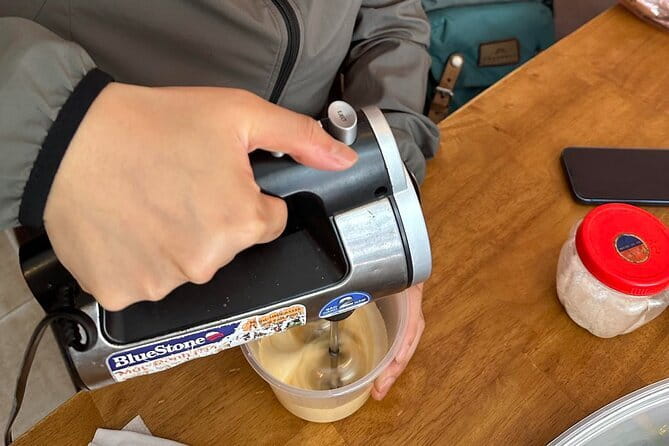
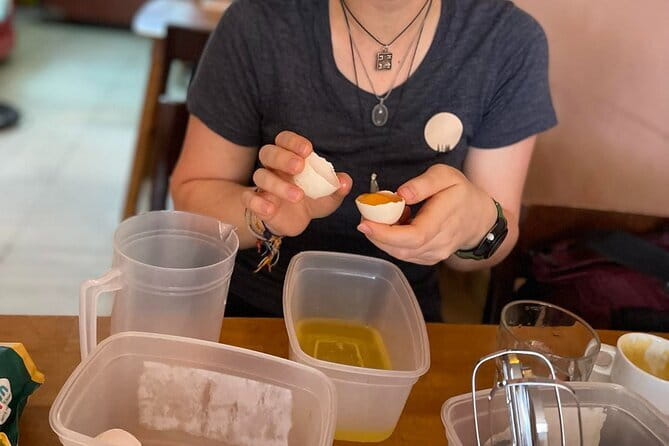
Here’s where the class gets practical. You see a sample once, including decoration, so you get a clear picture of what you’re aiming for. Then it’s DIY time, and the instructor guides you step by step as you make your own version.
The most useful part is that you don’t have to memorize a complicated process. The structure is built around real guidance while you work, so you’re more likely to succeed even if you’ve never done egg coffee before.
Sweetness control is another key detail. The class emphasizes that you can adjust your own flavor, so your cup can match your sweet level. For many people, this is the difference between tasting something and learning something you can repeat at home.
Because the group is small, support is more personal. One review mentioned a situation where a learner booked solo and got 1:1 help, which is a good sign of how flexible the instructor can be when the class is quiet.
Taste and Texture Check: What to Expect When You Finish
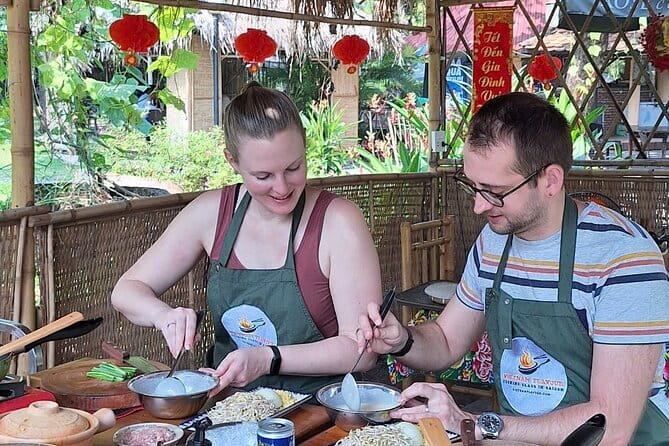
When you’re done, you’re not just holding a cup. You’re holding a cup that you built, tuned, and presented. Egg coffee has an “acquired taste” quality, and that’s not a reason to avoid it—it’s a reason to approach it with a little curiosity.
If you’re expecting something like standard latte sweetness, you might be surprised by the creamy custard character. But that surprise is exactly why this class works: you learn what egg coffee is supposed to feel like, and you make it at your own sweetness level.
Also, the sample with decoration matters. It teaches you presentation as part of the craft, not just the drink itself. You leave with a sense of what a finished cup looks like, which helps when you’re trying to replicate it later.




Snack Pairing: Spring Roll After the Work
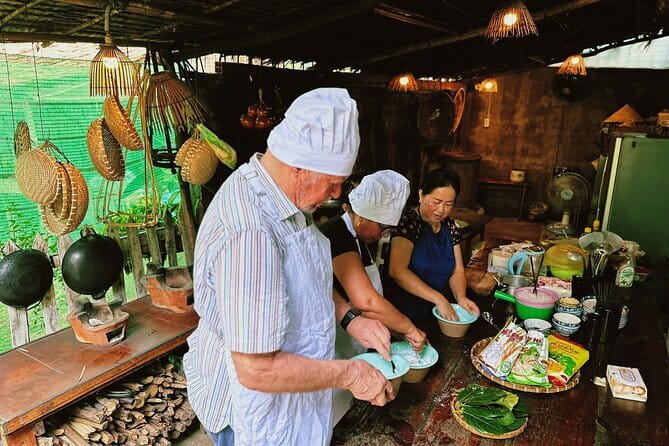
The class includes a snack: one piece of spring roll to enjoy after you finish making the egg coffee. This isn’t a random add-on. It’s a simple pairing that gives you something savory right when your cup is done.
In a short class, that timing is smart. You don’t burn time searching for food, and you don’t send yourself off with only caffeine and no break.
If you’re hungry when you arrive, you’ll at least get this built-in food moment. It won’t replace a full meal, but it keeps the experience comfortable.
What the Price Includes, and Why $15 Can Be a Good Deal

At $15 per person, this class is priced like a quick local skill workshop, not an expensive cooking event. The cost includes coffee and/or tea, all ingredients needed for the egg coffee, the snack (spring roll), and the instructor/guide fee.
That’s the value logic: you pay for guided instruction plus the ingredients, so you’re not figuring out ingredients and equipment on your own. You also get an included learning segment about coffee culture, which helps you understand what you’re tasting.
What’s not included is tips and other expenses. That’s normal, but it means you should keep a little cash buffer for whatever you decide to buy on-site (like additional drinks or snacks).
Also, the “mobile ticket” detail matters more than it sounds. In practice, it reduces friction. You’re less likely to lose time dealing with printouts or scrambling on arrival.
Comfort, Language, and How Easy It Feels
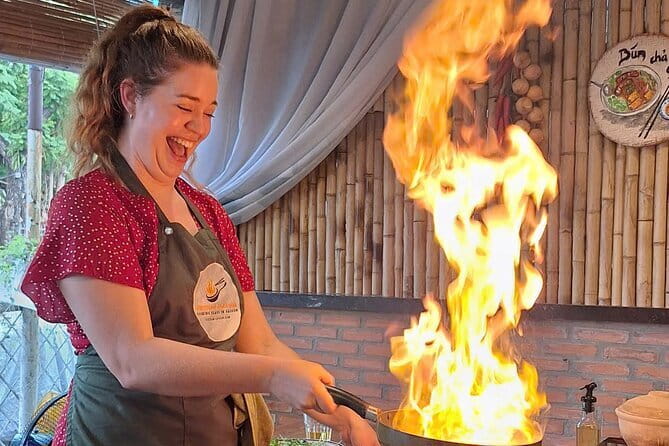
This class is designed for interaction, not passive listening. The setting is described as cozy, and the format makes it easy to talk with people in your small group while you cook.
Your instructor and team speak great English based on feedback, so you’re unlikely to feel stuck. And because the group is small, you can ask follow-up questions if something doesn’t make sense on the first step.
One more note: the tour says it’s not recommended for people who have caffeine problems. If you’re on the fence, think about how you personally react to coffee, even in moderate amounts.
Practical Tips Before You Book (So You Enjoy It More)
If you want this class to feel fun and not stressful, treat it like a short workshop. Go in with a mindset that you’ll learn the method first, then adjust sweetness to your preference.
Wear comfortable clothes. You’re making a drink, likely doing a few hands-on steps, and you’ll enjoy it more if you’re not fussing with posture or tight sleeves.
Finally, if egg coffee is new to you, keep expectations realistic. It’s a specific style of coffee with a custard-like element. Your taste might land right away, or it might take a second try after you understand the balance.
Who Should Book This Class, and Who Might Skip It
This experience is best for you if:
- You like short, hands-on activities.
- You want to learn something repeatable at home.
- You’re curious about Vietnamese coffee beyond just ordering a drink.
- You enjoy small-group instruction where questions are welcome.
You might skip it if:
- You have caffeine sensitivity or caffeine problems, since it’s coffee-based.
- You hate any egg-custard style texture. Even with sweetness control, the egg-cream character is part of what makes egg coffee egg coffee.
If you’re traveling with friends who like coffee, this is also a good shared activity. It’s short, social, and everyone leaves with the satisfaction of making a cup, not just tasting one.
Should You Book the 1-Hour Egg Coffee Class?
Yes—if you want a quick, guided way to understand egg coffee and bring the skill home. For the price, you’re getting ingredients, instruction, a snack, and coffee culture context in just about an hour. The small-group size is what makes it feel personal, and the sweetness control is what makes it feel like your drink.
If you’re caffeine-sensitive, or if the idea of an egg-custard coffee texture makes you uneasy, consider skipping. But for most people, the combo of hands-on DIY, friendly English-speaking guidance, and a clear step-by-step process makes this a smart value stop in Ho Chi Minh City.
FAQ
How long is the egg coffee cooking class?
It lasts about 1 hour.
How much does the class cost?
The price is $15.00 per person.
Is this class small group?
Yes. The maximum group size is 15 travelers.
Where does the class start and end?
You start at Hai’s Restaurant, 257 Lý Tự Trọng, Phường Bến Thành, Quận 1, Ho Chi Minh City, and the activity ends back at the meeting point.
What’s included in the tour price?
Coffee and/or tea, all ingredients needed to make egg coffee, a spring roll snack, and the instructor/guide fee.
Do you make the egg coffee yourself?
Yes. You get step-by-step guidance and DIY time to make your own egg coffee, not just watch a demo.
Do you learn about Vietnamese coffee culture?
Yes. The instructor shares the story behind egg coffee and covers coffee history and coffee culture in Vietnam.
Is the class suitable for people who are sensitive to caffeine?
The tour notes say it is not recommended for people who have caffeine problems.
What’s the cancellation policy?
You can cancel for a full refund up to 24 hours in advance of the experience start time. If you cancel less than 24 hours before, the amount is not refunded.