REVIEW · YOGYAKARTA
Yogyakarta: Cooking Class with Market Visit and Hotel Pickup
Book on GetYourGuide →Operated by Cheap Borobudur Tours · Bookable on GetYourGuide
A market stop turns cooking into a story. In Yogyakarta, this half-day class links the ingredients to the people and places where Javanese food really starts. You’ll shop, learn, cook, and then eat what you made.
I like that you get hotel pickup and a smooth flow through the day: market first, then rice fields, then a traditional village kitchen. I also like that the cooking isn’t vague—you’re guided step by step through Javanese dishes, with English instruction and recipe notes you keep.
One consideration: the afternoon option is shorter and skips the market tour, so you’ll lose some of the ingredient-selection fun. And at the market, there can be extra spending if you buy items beyond what you need for the class.
In This Review
- Key things that make this tour worth it
- Yogyakarta cooking class with market visit: what you’re really buying
- Hotel pickup and timing: morning vs afternoon actually matters
- Meeting at the traditional market: quick start, local feel
- Fresh market visit: how ingredient picking changes your cooking
- Rice plantation stop: seeing the staple behind the food
- Traditional villages of Bantul and Laplapan: where the class feels human
- Cooking the menu: starter, 4 mains, and dessert in one session
- Who guides you in the kitchen
- What you do in the kitchen (and why it’s more useful than a demo)
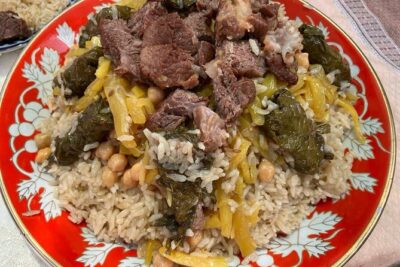
- The meal: eating Javanese comfort food you made yourself
- Price and value: why $33 feels fair for this mix
- Who should book this Yogyakarta cooking class
- Should you book it or skip it? My decision guide
- FAQ
- FAQ
- How long is the Yogyakarta cooking class?
- Is hotel pickup included?
- Does the tour include a market visit?
- Where do I meet the guide?
- What will I cook?
- Can I choose meat or vegetarian?
- What is included in the price?
- What do I need to bring?
- Are personal expenses at the market included?
- Is the experience wheelchair accessible?
Key things that make this tour worth it
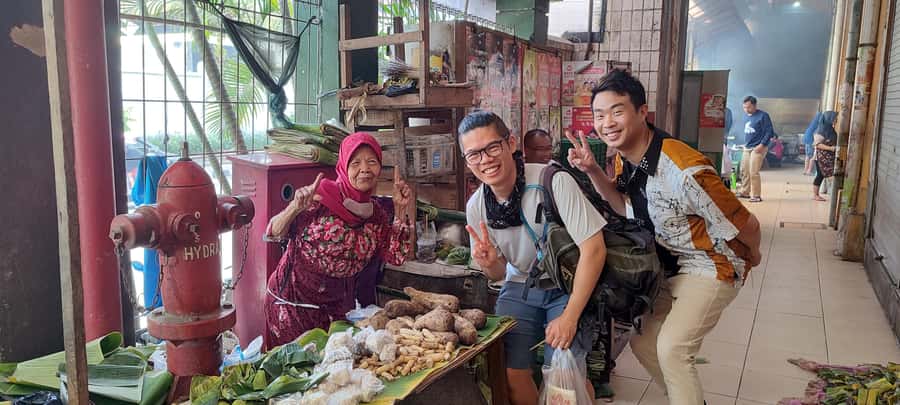
- Market-first shopping: pick vegetables, herbs, meat, and spices from what’s on display
- Village welcomes: you’re not stuck in a studio; you cook in a traditional setting in Bantul/Laplapan
- Rice plantation context: learn how rice is grown and prepared as a staple crop
- Hands-on cooking: you’ll make a starter, 4 main courses, and dessert
- Meat or vegetarian choice: you can steer the menu to your preference
- Eat your results: the meal is part of the experience, not an afterthought
Yogyakarta cooking class with market visit: what you’re really buying
This tour is priced like a fun cultural morning, but what you’re actually paying for is a full food loop: sourcing ingredients, learning the “why,” then cooking and eating. You’re not just learning recipes on a screen. You’re choosing real items at a local market, then cooking them with support from an English-speaking chef.
At $33 per person for about 3–4 hours, the value comes from the included stuff that usually costs extra on food tours: hotel pickup and drop-off, a fresh market visit (morning class), a rice plantation stop, and a guided cooking session that ends with the meal you prepared. The only regular “nickel-and-dime” possibility is personal market spending, since your tour includes the market experience but not everything you might want to buy.
You can also read our reviews of more tours and experiences in Yogyakarta.
Hotel pickup and timing: morning vs afternoon actually matters
Pickup is optional, and if you choose it, you’ll be picked up about 15 minutes before the start time from your Yogyakarta hotel lobby. This is one of those small perks that makes the experience feel easy, especially when you’re juggling temples and traffic later.
The biggest timing difference is simple:
- Morning class: includes the fresh market tour (about 30 minutes)
- Afternoon class: shorter, and the market tour isn’t included
If you care about shopping and want to see what’s freshest today, go morning. If you just want the cooking and meal, afternoon is a practical choice—still a complete class, just less time at the market.
The tour runs about 3–4 hours, which fits nicely between bigger sightseeing blocks in Yogyakarta.
Meeting at the traditional market: quick start, local feel
You meet your guide at the front gate of the traditional market. They’ll contact you one day before the trip, so you’re not left hunting around.
What helps most here is that the market part is time-limited. You have about 30 minutes, which means you get focused ingredient shopping instead of a slow tour with no cooking payoff. You’ll select from the ingredients displayed—things like vegetables, herbs, meat, and spices used in Javanese dishes.
Two practical tips for your day:
- Wear comfortable clothes you can move in. Market walking and kitchen work are both hands-on.
- Have any dietary needs ready. You’ll have a choice of meat or vegetarian dishes, but you should let the organizer know about allergies or restrictions in advance.
Fresh market visit: how ingredient picking changes your cooking
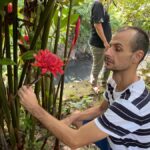
This is the part that tends to stick with people. Choosing your ingredients isn’t just theater—it affects how your dishes turn out and how confident you feel cooking later.
During the market stop, you’ll:
- Look at what’s available right now
- Pick ingredients like vegetables, herbs, meat, and spices
- Get support from your English-speaking guide and chef so you understand what you’re buying
You’ll also likely get a more personal peek at local food habits because this market visit is built around everyday items, not tourist-only displays. In past experiences with this format, guides sometimes even point out small local snacks—like tasting a simple pancake during the market walk—so you get a feel for what people eat beyond the main dishes.
One drawback to keep in mind: personal expenses in the market aren’t included. So if you see fruit, snacks, or special ingredients you want to take home, budget a little extra.
Rice plantation stop: seeing the staple behind the food
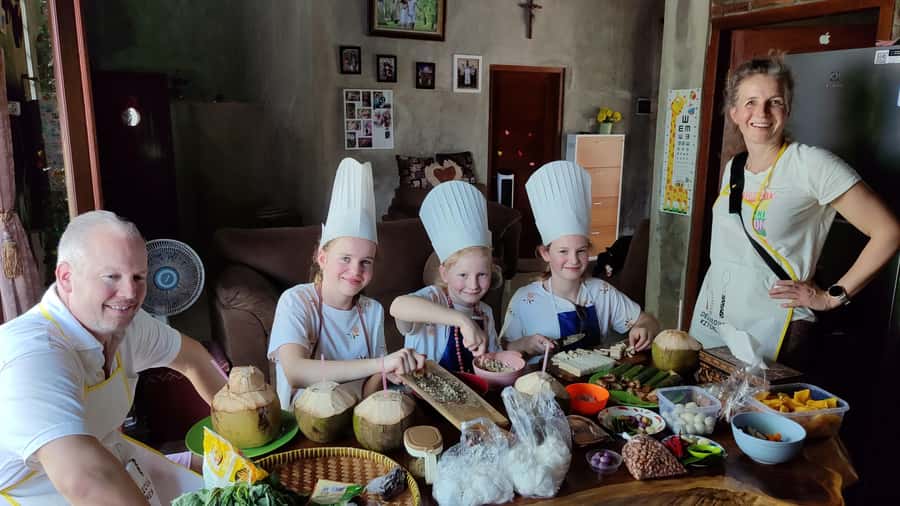
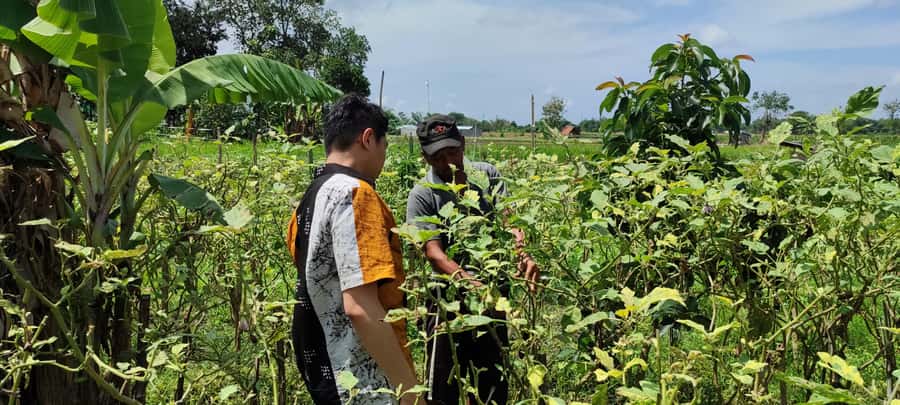
After the market, you’ll head to a rice plantation. This isn’t a random photo stop. Rice is the foundation of most Javanese meals, and this is your chance to learn how the staple crop is cultivated and prepared.
You can expect:
- A short educational stop about rice cultivation
- Time to enjoy the surrounding views
- A reset from the market’s busy feel before you get hands-on in the kitchen
If you’ve ever eaten rice and wondered why it tastes a certain way, this part helps you connect the dots. Even if you don’t remember every step, you’ll walk into the cooking class with a clearer sense of what rice means in everyday life.

Traditional villages of Bantul and Laplapan: where the class feels human
Next, you’ll visit traditional villages in Bantul and Laplapan. The mood here matters. Instead of a classroom vibe, the class feels like you’re being welcomed into someone’s working space.
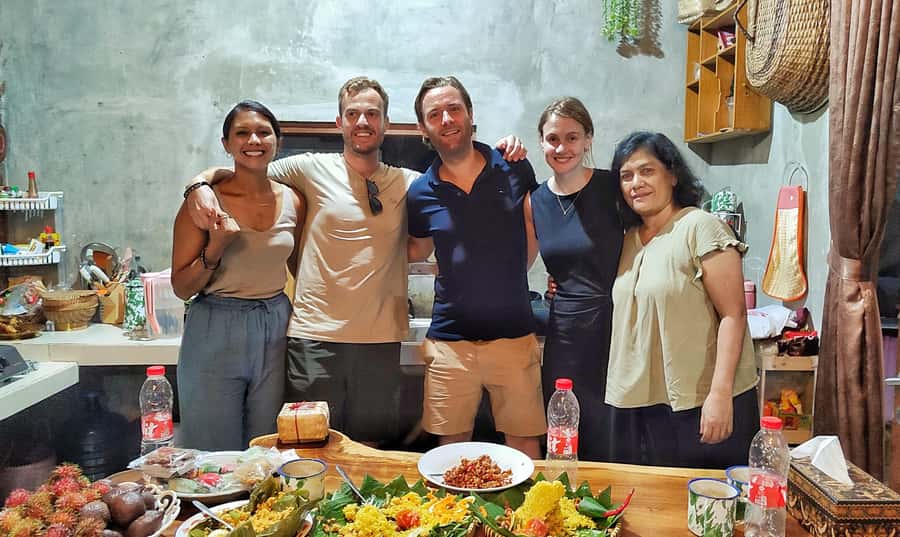
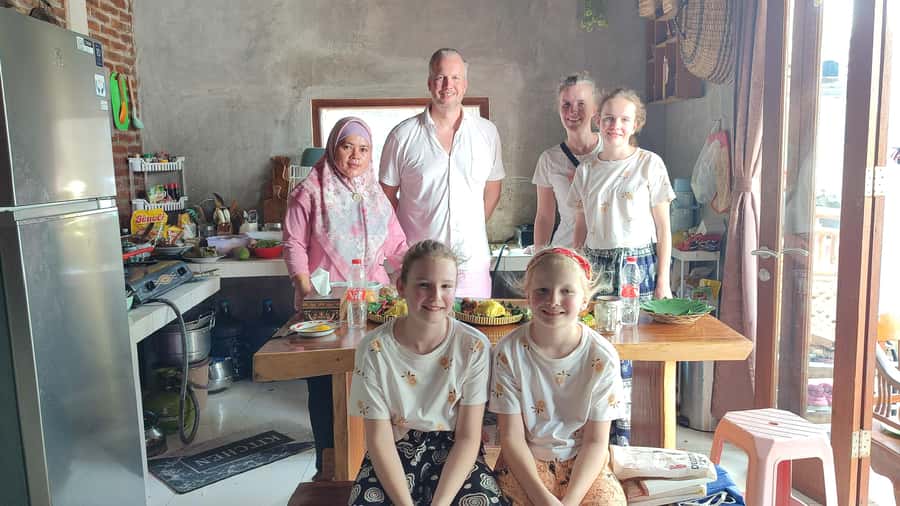
You’ll get a warm arrival from locals on arrival, and then the cooking class happens in that traditional village setting. In practice, that means you’re more likely to notice details—smells, textures, how the kitchen area works—because it’s not designed to impress tourists. It’s designed to cook.
Also, since the tour is built for smaller, manageable group timeframes (3–4 hours total), the chef can spend real time helping you with techniques. You’ll likely interact with your fellow cooks too, which is a big part of why the class feels more social than intimidating.
Cooking the menu: starter, 4 mains, and dessert in one session
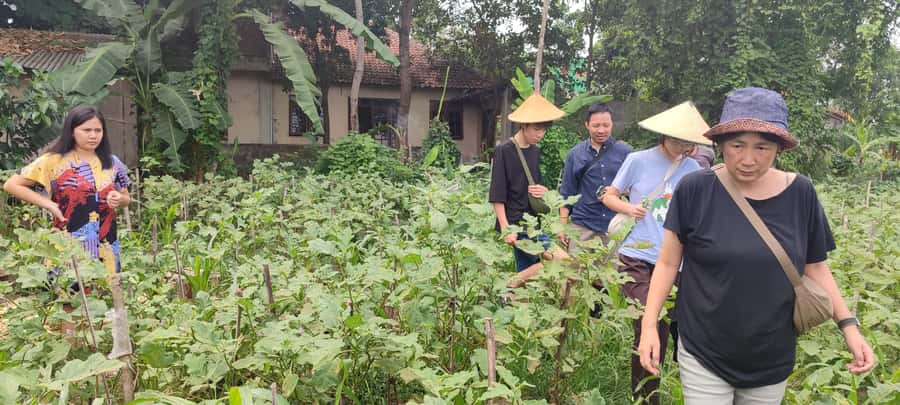
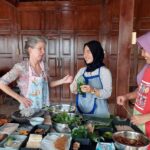
The core of the experience is a guided cooking class that teaches Javanese dishes through practice. You’ll be working with an English-speaking chef who gives instruction and assistance as you cook.
Here’s what you’ll make:
- 1 starter
- 4 main courses
- 1 authentic dessert
That mix is smart because you’re not just repeating one dish four times. You learn how different flavors and cooking methods show up across a meal.
You’ll also have control over the menu direction:
- You’ll have a choice of meat or vegetarian dishes.
So you can match the class to your tastes without feeling like you’re stuck eating something you didn’t want.
Who guides you in the kitchen
This style of class can be led by different chefs. In the information you provided, names like Arma and Desy appear as English-speaking guides who explain ingredients and methods clearly. Another person tied to pickup in Yogyakarta is Widi. Don’t expect these names every time, but they give you a sense of the kind of people running the show.
Whichever chef you get, the important part for you is that the teaching is built around explanation plus hands-on help, not just watching.
What you do in the kitchen (and why it’s more useful than a demo)
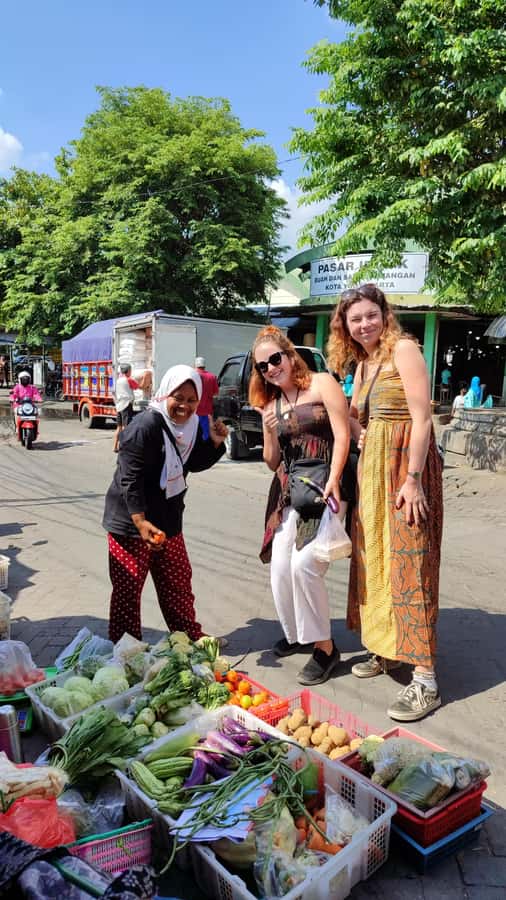
A cooking class that ends with eating your meal teaches you faster than a pure demonstration. You’re building the dish, tasting as you go, and adjusting as directed.
Since the class includes your meal, you’re not stuck with half-cooked recipes and guesses. You’ll follow the chef’s process for each component—from prep to cooking—then sit down afterward and actually eat the results.
You’ll also get:
- Recipes and notes supplied so you can recreate dishes later
- Guidance on what you’re working with, including ingredients you selected at the market
- Time to interact with the other cooks
In other words, the learning stays practical. You’re picking up techniques you can use at home, not just memorizing names.
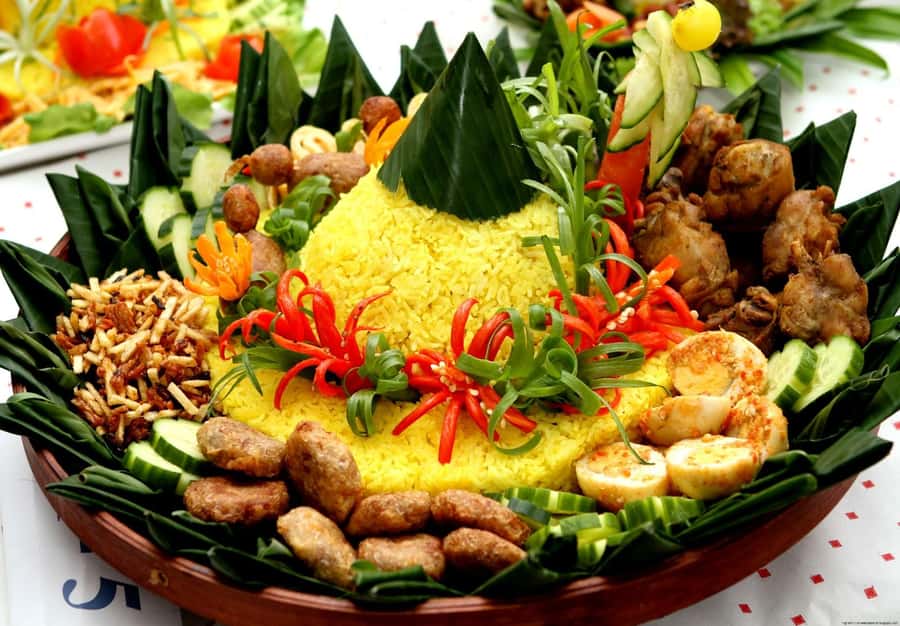
The meal: eating Javanese comfort food you made yourself
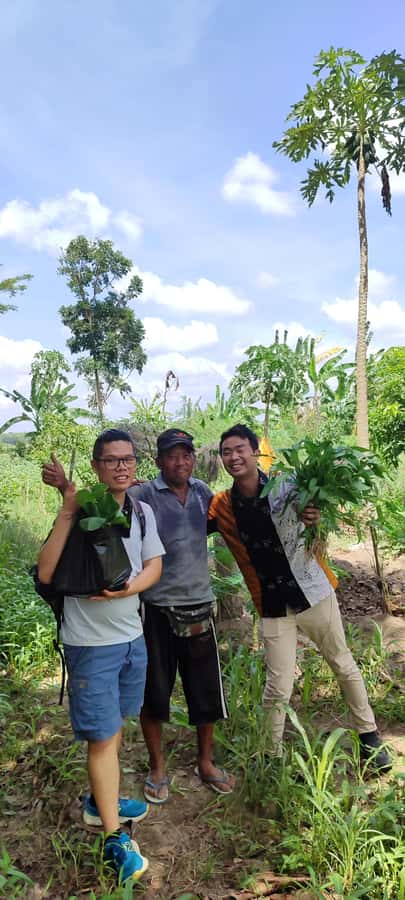
After cooking, you’ll sit down to a meal and savor what you made. This isn’t a take-it-or-leave-it lunch add-on. It’s the endpoint of the class.
What you can realistically expect to notice while you eat:
- The way the ingredients you chose in the market show up in the flavors
- How the starter and mains balance (you typically get variety across the different courses)
- The dessert finishing the meal on a sweet note
There’s also mention of tasting local fruits as part of the experience. You might get small tastes that show up alongside the food, giving you extra insight into everyday flavors in the region.
Afterward, you’ll have the recipe notes to recreate the dishes later, which is one of the best parts of a cooking class—because the memories and skills can outlast the half-day.
Price and value: why $33 feels fair for this mix
At $33 per person, this tour is in the “good deal” zone for Yogyakarta, mainly because it bundles multiple costly things into one price. You’re getting:
- Hotel pickup and drop-off
- Market visit (morning class)
- Rice plantation stop
- Half-day cooking class with an English-speaking instructor
- A meal including starter, mains, and dessert
- Recipes and notes for you to keep
- All ingredients for what you cook
If you tried to replicate this on your own—transport to a village, chef instruction, ingredient shopping help, and a full meal—costs can climb quickly. Even if you only count pickup, class, and the meal, it can be hard to match the convenience at this price point.
What could add cost:
- Personal expenses in the market aren’t included. If you buy extras for gifts or snack cravings, that’s on you.
Other small consideration: the tour is about 3–4 hours. If you want a long, slow day with multiple stops beyond cooking, you may want to pair this with additional sights.
Who should book this Yogyakarta cooking class
This is a great fit if you want more than a souvenir hunt. You’ll like it if you:
- Love traditional Javanese dishes and want to understand what goes into them
- Prefer hands-on learning over lecture-style cooking demos
- Want a half-day program that includes local life, not just the kitchen
- Travel with a food mindset and enjoy markets as part of the culture
It also works well for small groups who like a calmer pace. You’ll spend enough time in each section—market, rice plantation, village cooking—to feel like you experienced more than one random stop.
Two practical fit notes from the information you have:
- It’s wheelchair accessible (always check on your end for comfort with the walking areas).
- Pets aren’t allowed.
Should you book it or skip it? My decision guide
Book this tour if your goal is to leave Yogyakarta with real cooking skills and a sense of how the region feeds itself. The combination of market picking, rice plantation context, and a full hands-on class ending with the meal is exactly the kind of experience that feels complete in half a day.
Skip it only if you already know you prefer a cooking class without market shopping and you don’t want to spend any extra money in markets. If that’s you, the afternoon option may still work since it’s shorter and focuses more tightly on the cooking class—just know it won’t include the market tour.
If you’re flexible, choose morning. The market ingredient selection is a key part of the value.
FAQ
FAQ
How long is the Yogyakarta cooking class?
The duration is about 3 to 4 hours.
Is hotel pickup included?
Yes, hotel pick-up and drop-off are included. Pickup is optional, and if you choose it, you’ll be picked up about 15 minutes before the activity starts from your hotel lobby.
Does the tour include a market visit?
Yes. The fresh market tour is included in the morning class. The afternoon class is shorter and does not include the market tour.
Where do I meet the guide?
Your guide will stand by in front of the gate traditional market. They contact you 1 day before the trip.
What will I cook?
You’ll prepare 1 starter, 4 main courses, and 1 authentic dessert as part of the half-day cooking class.
Can I choose meat or vegetarian?
Yes. You’ll have a choice of meat or vegetarian dishes, and you should notify the operator in advance of any dietary restrictions or allergies.
What is included in the price?
Included are hotel pick-up and drop-off, a local fresh food market visit (morning), a rice plantation visit, the half-day cooking class, and a meal of your creations. Recipes and notes are supplied to keep.
What do I need to bring?
Bring comfortable clothes. Ingredients are also mentioned as something you may bring, and you should be prepared with any dietary needs or allergy information.
Are personal expenses at the market included?
No. Personal expenses in the market are not included.
Is the experience wheelchair accessible?
The activity is listed as wheelchair accessible.
If you’d like, tell me your travel dates and whether you’re considering morning or afternoon. I can help you choose based on your priorities (market shopping vs. cooking time).