REVIEW · YOGYAKARTA
Indonesian Cooking Class in Yogyakarta
Book on GetYourGuide →Operated by Jogsider · Bookable on GetYourGuide
Herbs, cats, and curry leaves. This Yogyakarta cooking class starts in a native herb garden and ends with you eating a lunch built from ingredients you touched and smelled along the way, with English help from Endah Pawon and her family. I love the garden harvest part most, because it turns cooking from a recipe into a whole ingredient lesson.
I also like the hands-on cooking schedule: you prepare 6 local dishes, from rujak to tempeh, while talking through Indonesian flavors and food culture. One possible drawback: it’s not suitable for children under 5 or people over 70, so check that before you book.
In This Review
- Key things to know before you go
- A Farm-to-Table Yogyakarta Cooking Class at Endah Pawon’s Home
- Who this class feels designed for
- Harvesting Native Herbs: Why the Garden Matters
- Practical tip that helps
- Cooking 6 Javanese and Local Dishes Without Feeling Rushed
- What you’re learning while you cook
- The “menu variety” advantage
- Welcome Drinks and Lunch: Eating What You Made
- What to expect with the rujak parts
- Instructor, Group Style, and the Comfort Factor
- Cats, calm, and why that matters
- Price and Value: What $38 Gets You in 5 Hours
- When $38 might not feel like value
- What to Bring and How to Make the Most of the Class
- Who Should Book This Indonesian Cooking Class in Yogyakarta?
- Should You Book This Cooking Class or Skip It?
- FAQ
- How long is the Indonesian Cooking Class in Yogyakarta?
- Where does the experience take place?
- How much does the class cost?
- Is lunch included?
- What drinks are included?
- What dishes will I cook?
- Will ingredients and equipment be provided?
- Is the instructor English-speaking?
- Is it a private group?
- Who might not be able to join?
Key things to know before you go
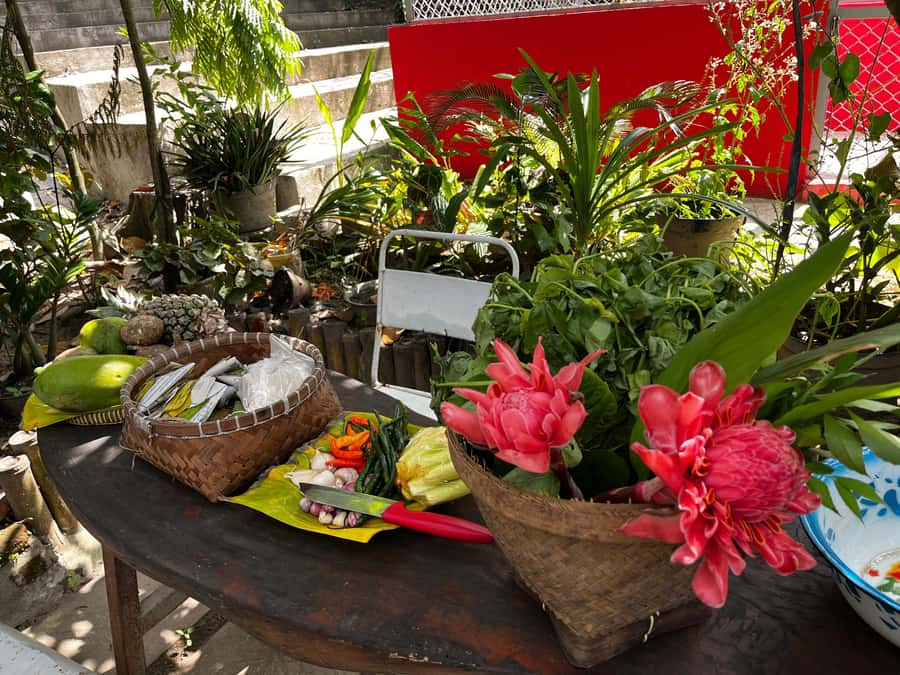
- Garden harvest first: pick native herbs straight from the garden before you cook.
- Cook 6 dishes: vegetable rujak with peanut sauce, fried chicken with curry leaves, tofu, tempeh, Balinese lemongrass chili sauce, plus two rujak-style fruit dishes.
- English instruction: the instructor teaches in English, which makes ingredient talk easier.
- Food culture talk: you discuss Indonesian culture as you work, not just cooking steps.
- Cats and calm surroundings: the home setting is described as serene and animal-friendly.
- Lunch is included: you eat what you make, with drinks provided.
A Farm-to-Table Yogyakarta Cooking Class at Endah Pawon’s Home
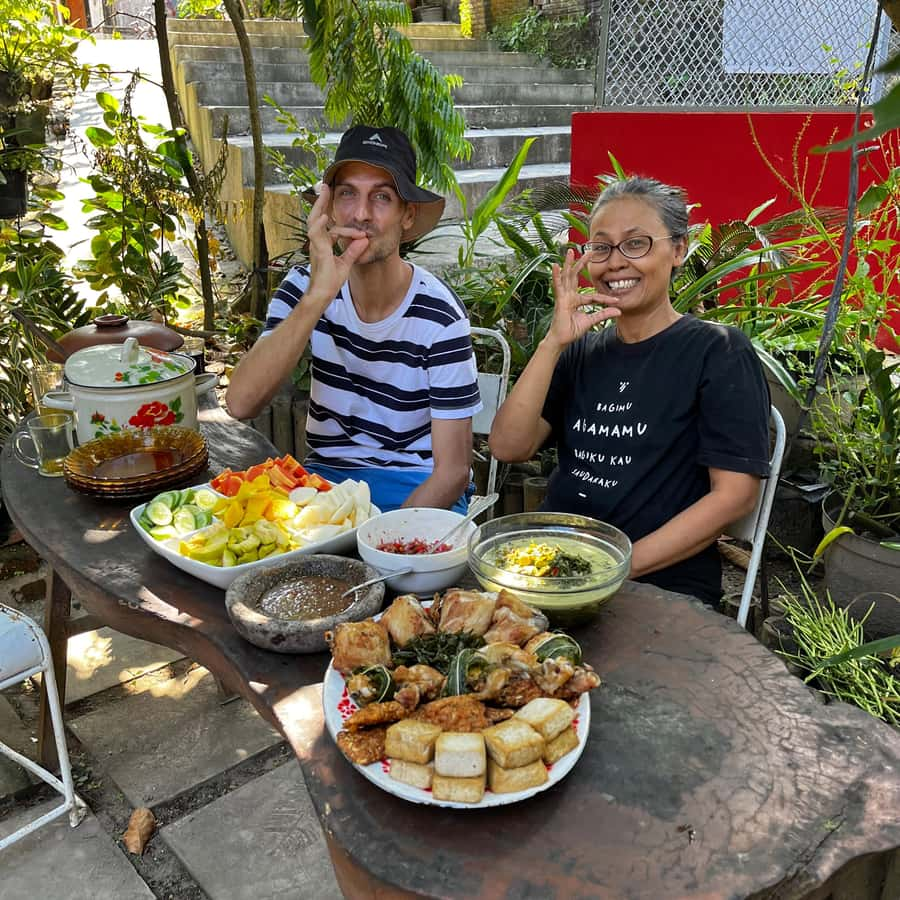
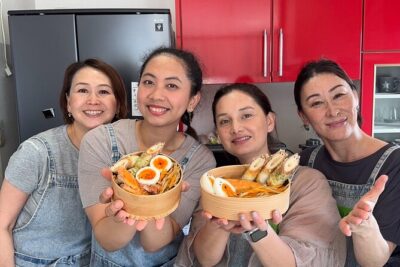
This isn’t a quick demo where you watch from the side. The format is a proper home-based class in Yogyakarta, led by Endah Pawon (English-speaking), with her family creating a welcoming, relaxed atmosphere. The reviews consistently highlight how friendly and funny the hosting feels, and that matters—because when people feel comfortable, they ask questions.
The setting is part of the experience. You’re cooking in a beautiful home with lots of plants, and you may even share the space with cute cats. That sounds whimsical, but it has a real benefit: it keeps the day from feeling overly staged. You’re there to learn ingredients and methods, not just to collect photos.
You’ll spend about 5 hours total, and the class is a private group, which usually means you can move at a comfortable pace and get clearer answers when you’re unsure. If you like cooking classes where the teacher actually watches what you do, this one fits that style.
You can also read our reviews of more tours and experiences in Yogyakarta.

Who this class feels designed for
If you want a practical, ingredient-first introduction to Indonesian (especially Javanese) home cooking, you’ll probably love it. If you want a class that’s heavy on local sourcing and how flavors come together, this format makes sense. It’s less ideal if you’re looking for a big sightseeing day or a classroom lecture.
Harvesting Native Herbs: Why the Garden Matters
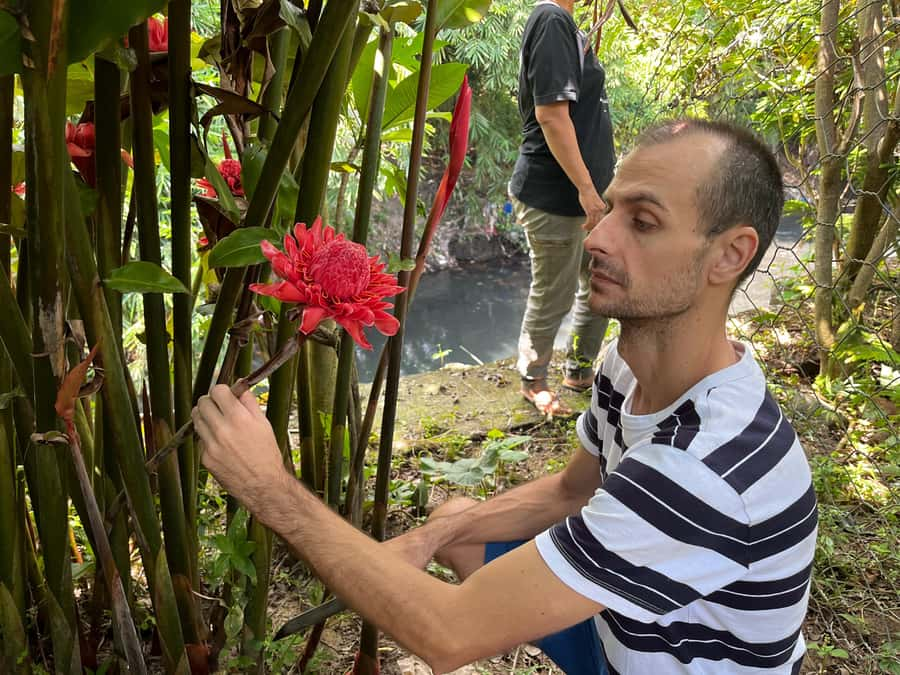
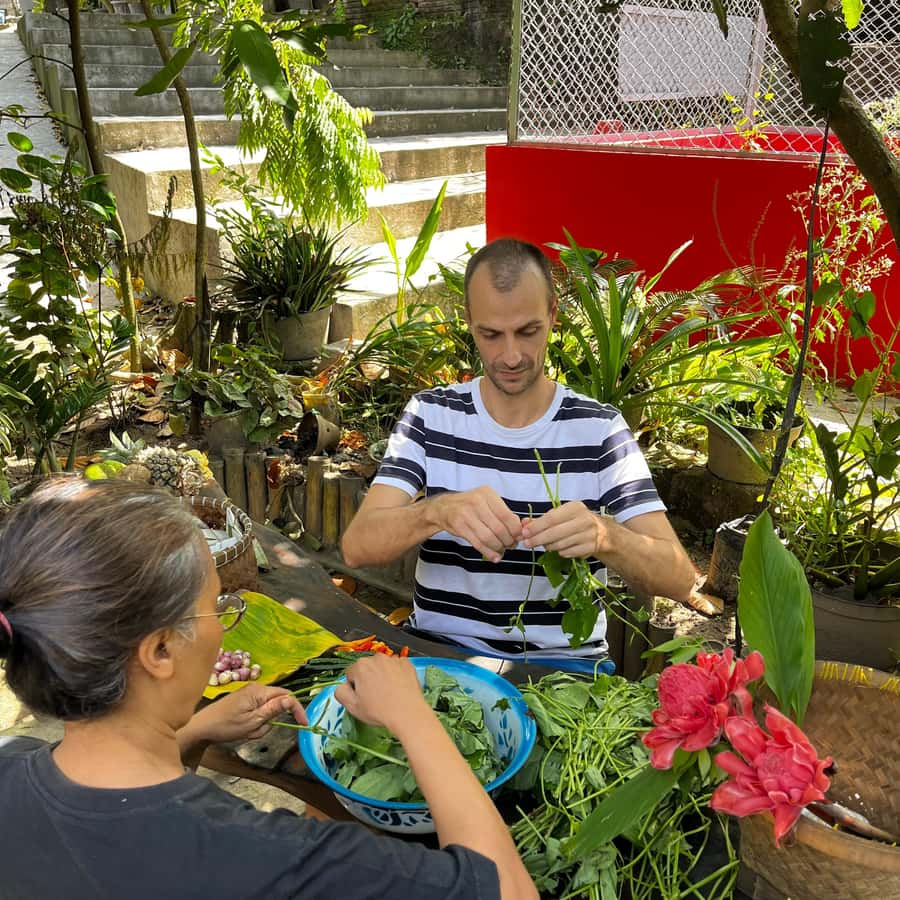
The class starts with a garden harvest. That’s the first clue this is built around understanding ingredients, not just following steps. You’ll harvest native herbs and learn about what makes them special—plants you wouldn’t know how to choose at a market.
Then comes the tactile part. You’ll handle and process various ingredients: rhizomes, spices, and fresh raw ingredients. Touch and smell are doing more than being fun. They help you connect what’s in front of you with how it will taste once cooked. It’s also the fastest way to build confidence when you’re trying to recreate dishes later.
This is also where the day becomes “farm-to-table” in a real way. You witness the path from source to plate. That doesn’t just make the meal feel more meaningful—it helps you understand why certain flavors show up in Indonesian dishes and how fresh ingredients change the outcome.
Practical tip that helps
Plan for strong smells. When you’re handling ginger-like rhizomes, spices, and fresh herbs, your hands will pick up aromas. Bring something simple to wipe down (or plan to wash well after you finish the harvest phase).
Cooking 6 Javanese and Local Dishes Without Feeling Rushed
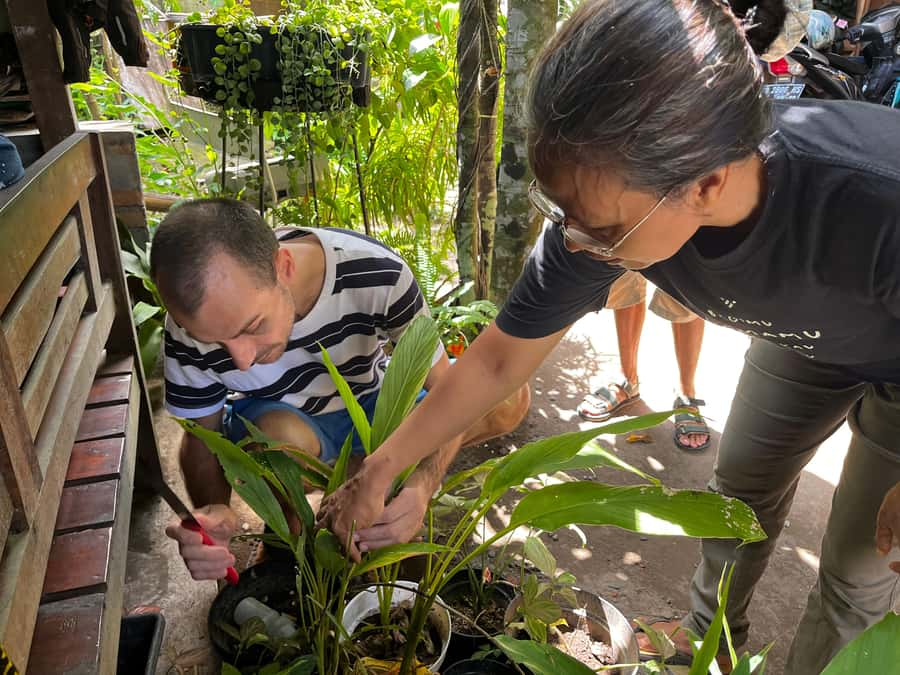
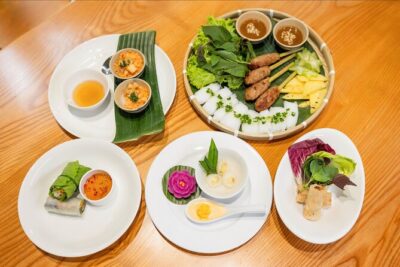
The menu you’ll cook is one of the best parts of the class. The day is designed so you make a full meal, not a single dish you forget a week later. You prepare 6 local dishes, including:
- Vegetable rujak mixed with peanut sauce
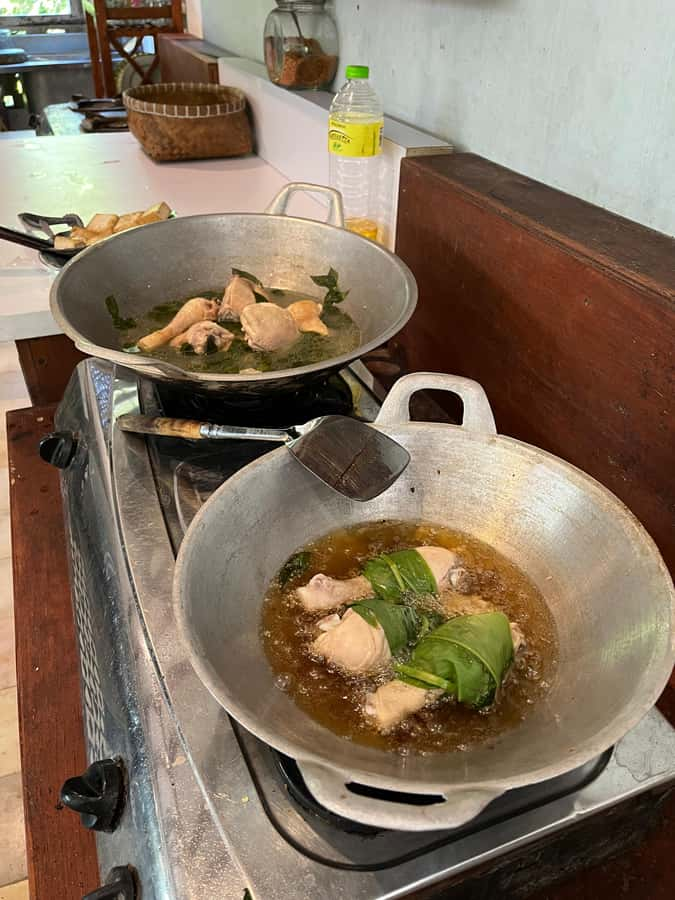
- Fried chicken with curry leaves
- Fried/boiled tofu
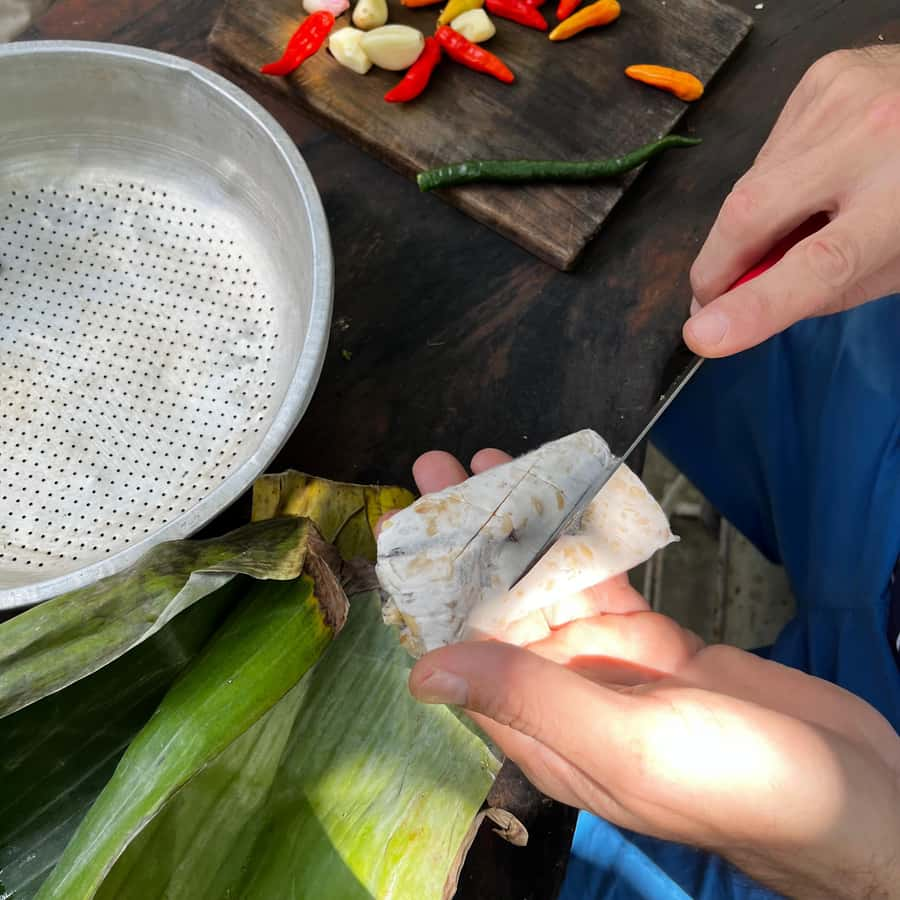
- Tempeh
- Balinese lemongrass chili sauce
- Local fruit rujak
Even though some items are labeled Balinese, you’re still in the Indonesian flavor world, where spices and sauces travel across islands. The value for you is that you’re not stuck eating the same texture over and over. You’ll handle crispy fried elements, learn about tofu and tempeh (two staples with very different character), and work with sweet-sour-salty rujak-style mixes.
What you’re learning while you cook
Cooking classes often stop at technique. This one also pushes ingredient awareness. You’re encouraged to process and work with fresh components so you understand:
- what herbs and spices feel like to handle
- how aromas shift once ingredients hit heat
- why sauces matter (especially in rujak, where balance is everything)
- how plant-based items like tofu and tempeh fit into a full meal
From the reviews, the big takeaway is that you genuinely learn a lot about Indonesian cooking, not just the final taste. People call out that the ingredients come from the garden and are used directly, which makes the learning stick.
The “menu variety” advantage
If you’re nervous about cooking Indonesian food because you think it’s too complicated, this menu may calm you down. You get to practice core flavors across multiple dishes: herbal notes, chili warmth, curry-leaf fragrance, and rujak’s sweet-sour-savory balance. That mix gives you more reusable knowledge than a class centered on one heavy main.
Welcome Drinks and Lunch: Eating What You Made
You’ll start with a welcome drink where you can choose between tamarind turmeric, tamarind sugar, or lemongrass tea. This is a smart touch, because tamarind shows up in sour-sweet flavor balancing, and lemongrass is a key aromatic in many Southeast Asian cuisines. Even before cooking, you’re being introduced to the flavor framework of the day.
Lunch is included, and it features the dishes you prepare. This is one of those underrated class benefits: when you eat what you cooked, you instantly understand what worked and what to adjust next time. You can also compare textures—crisp fried chicken versus tofu, and how tempeh holds its own next to sauces.
What to expect with the rujak parts
Rujak can sound confusing until you’ve seen it handled. Here you’ll do both a vegetable rujak with peanut sauce and a local fruit rujak. Expect a mix that plays on sweetness and tang, with peanut adding richness and body. It’s a great way to learn how Indonesian meals often build harmony using sauces rather than just seasoning at the end.
Instructor, Group Style, and the Comfort Factor
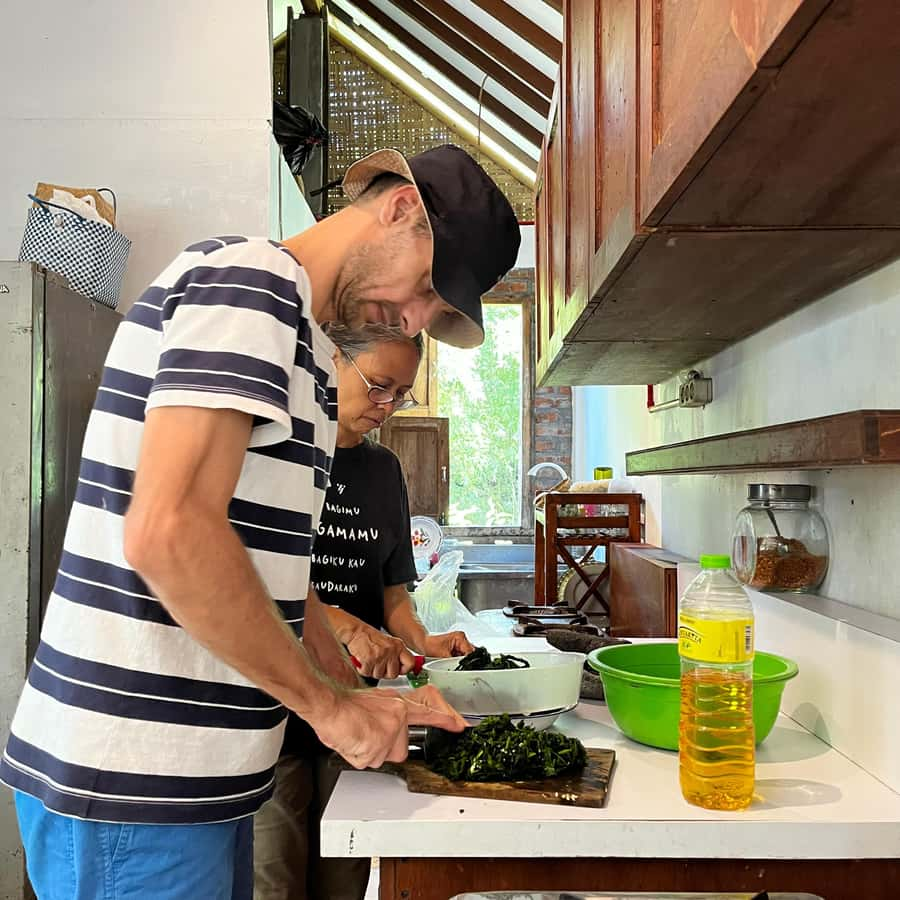
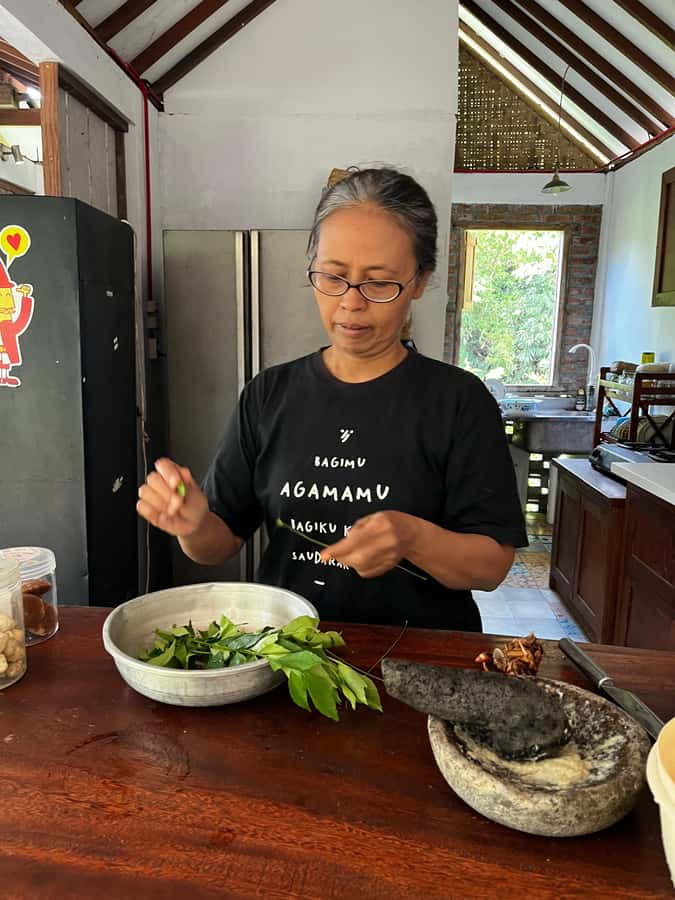
The class is taught in English, and the reviews spotlight Endah and her family as warm and welcoming. That warmth isn’t fluff. In a cooking class, you want a teacher who explains clearly and doesn’t rush you when you’re unsure. The sense of humor mentioned in feedback suggests you’ll get a laid-back atmosphere where questions feel normal.
You also get a private group setup. That can be a big deal if you:
- want more personalized attention
- prefer less noise than a larger group setting
- travel with friends and want a shared activity pace
There’s also a note that the experience is wheelchair accessible, which is useful for planning. If you or someone in your group uses mobility support, you should still plan based on typical home-based steps and pathways, but the activity itself is listed as accessible.
Cats, calm, and why that matters
The cute cats and serene surroundings come up more than once. For you, that usually translates into a more pleasant cooking session—less stress, more natural conversation, and a homey rhythm that encourages learning. If you’ve done big-ticket classes in busy areas, you’ll probably appreciate the quieter feel.
Price and Value: What $38 Gets You in 5 Hours
At $38 per person, you’re paying for more than a recipe packet. For that price you get:
- a 5-hour cooking experience
- all ingredients and cooking equipment
- a welcome drink
- lunch (the dishes you cook)
- English instruction
- a full menu of 6 dishes
That’s the real value here: you’re not only learning to cook. You’re being guided through sourcing (garden harvest), prep (touching and processing ingredients), and cooking (multiple dishes), and then eating the results. Many cooking experiences charge for the class time but make you supply ingredients or only teach one course. Here, the structure is built so you leave with a full meal—and with a clearer picture of how Indonesian flavor systems work.
Private-group experiences often cost more, so having this included at a fixed per-person rate can feel like a good deal, especially since you’re doing a lot within the time window.
When $38 might not feel like value
If you’re purely a “watch and eat” person (and not interested in hands-on prep), then the cost may feel high compared to casual meals. This class rewards active participation: you’ll be doing the work.
What to Bring and How to Make the Most of the Class
You can make this day easier with a few practical choices:
- Wear comfortable clothes you don’t mind smelling like spices. You’ll be handling fresh ingredients.
- Bring a small towel or extra wipes if you’re sensitive about aromas on hands.
- Come hungry and curious. You’ll be cooking all day toward lunch.
- Ask ingredient questions early. The garden harvest is where those answers are most useful.
Also, since you’ll be preparing dishes like rujak, tofu, tempeh, curry-leaf chicken, and a lemongrass chili sauce, think about what flavors you normally like. If you enjoy tangy-sweet sauces, focus your questions around how the balance is built. If you prefer heat, ask about chili handling and where the chili goes in the process.
Who Should Book This Indonesian Cooking Class in Yogyakarta?
I think this class is a strong fit for:
- Food lovers who want real ingredient context, not just recipes
- People who like cooking with fresh herbs and spices
- Travelers who want a homey experience with English instruction
- Anyone hoping to learn Indonesian flavor balancing through practical dishes
It may not fit if you’re traveling with very young kids (under 5) or if someone in your group is over 70, since the activity is listed as not suitable for those age ranges.
If you’re doing Yogyakarta for culture and food and you want one day that feels hands-on and local, this is the kind of activity that gives you something to bring home. Not just taste—skills.
Should You Book This Cooking Class or Skip It?
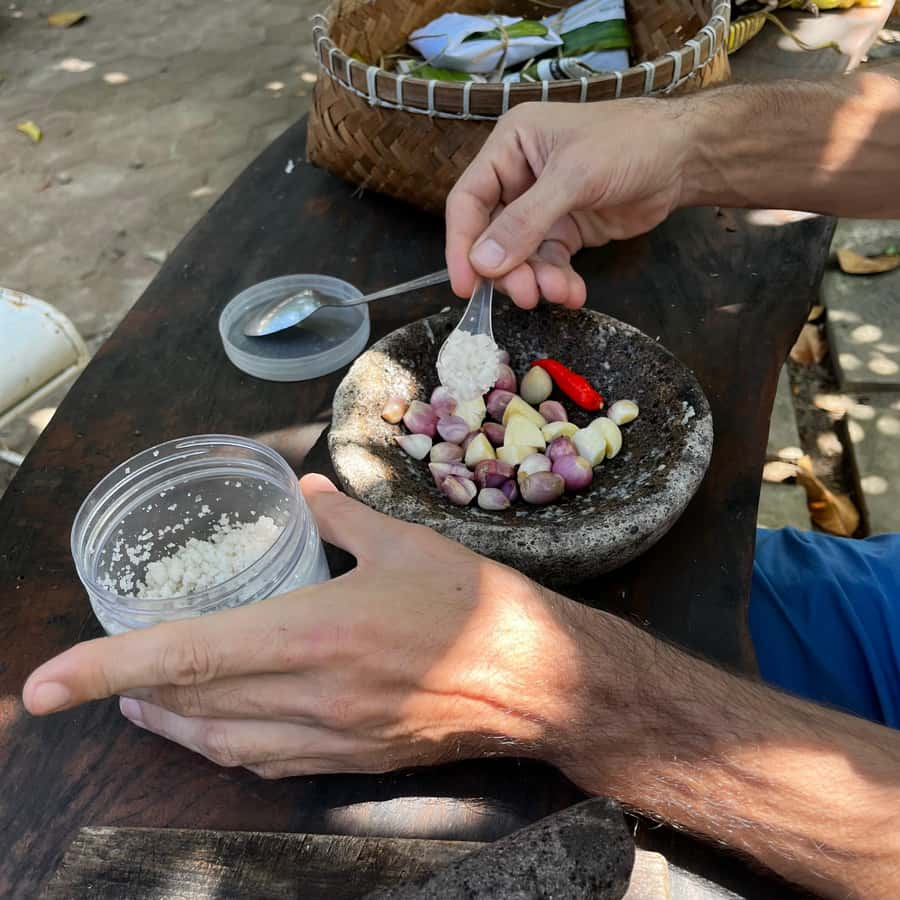
I’d book it if you want an Indonesian cooking day built around garden-to-plate learning, with a welcoming English-speaking host named Endah Pawon, and a menu that covers both meat and plant-based staples. The reviews line up with that: fresh garden ingredients, a warm family atmosphere, and real learning.
I’d consider skipping if you want a sightseeing-heavy day, or if you dislike hands-on food work. You should also double-check age suitability for your group.
If you can match the style—active cooking, ingredient learning, and eating what you make—this is a satisfying use of a half day that leaves you with more than memories.
FAQ
How long is the Indonesian Cooking Class in Yogyakarta?
The class lasts 5 hours.
Where does the experience take place?
It’s located in Yogyakarta, Java, Indonesia.
How much does the class cost?
The price is $38 per person.
Is lunch included?
Yes. Lunch is included, and it features the dishes you prepare.
What drinks are included?
You receive a refreshing drink, plus a welcome drink where you can choose between tamarind turmeric, tamarind sugar, or lemongrass tea.
What dishes will I cook?
You’ll prepare 6 local dishes: vegetable rujak with peanut sauce, fried chicken with curry leaves, fried/boiled tofu, tempeh, Balinese lemongrass chili sauce, and local fruit rujak.
Will ingredients and equipment be provided?
Yes. The class includes all ingredients and cooking equipment you need.
Is the instructor English-speaking?
Yes. The instructor provides instruction in English.
Is it a private group?
Yes. It’s listed as a private group.
Who might not be able to join?
It’s listed as not suitable for children under 5 years and not suitable for people over 70 years.