REVIEW · NYDRI
Traditional Greek Cooking Class @ Lefkada Micro Farm
Book on GetYourGuide →Operated by Lefkada Micro Farm Experiences · Bookable on GetYourGuide
Your hands learn faster than any cookbook.
At Lefkada Micro Farm, you go from regenerative soil to a shared meal in just 4 hours, using seasonal ingredients you harvest right there and an open-air setup built for simple, honest Greek cooking. Two things I really like: the hands-on farm part (you see how the growing system shapes the food) and the cooking focus, especially the traditional wood-burning oven paired with award-winning olive oil. One drawback to consider: at $123 per person, the class can feel a bit pricey if you expect a longer meal or extra courses beyond what fits a tight 4-hour window.
This experience also works well as a social reset. The small group limit (10 people) keeps the conversation moving, and the shared “Farmer’s Table” meal has that Slow Food style of food-first bonding. If Andreas is your guide, expect a relaxed, friendly flow—part farm talk, part cooking fun, with plenty of learning about herbs and traditional ingredients. Just do be aware of dietary needs in advance so the cooking plan can work for you.
In This Review
- Key takeaways before you go
- A Micro Farm Where Regenerative Soil Sets the Menu
- Harvesting Seasonal Ingredients (and Why It Changes Your Cooking)
- The Open-Air Kitchen: Greek Home Cooking Without the Drama
- Wood-Fired Bread and the Olive Oil Moment
- Farmer’s Table: The Meal Is the Point
- Price and Logistics: Does $123 Make Sense?
- Who This Lefkada Micro Farm Class Suits Best
- Should You Book This Traditional Greek Cooking Class?
- FAQ
- How long is the Lefkada Micro Farm Greek cooking class?
- Is the cooking class taught in English?
- What is the group size?
- What recipes or dishes will we cook?
- What’s included in the price?
- Is the activity wheelchair accessible?
- What should I do if I have allergies or dietary restrictions?
- Is free cancellation available?
Key takeaways before you go
- Regenerative farming first: you start on the land and learn the practices before you pick ingredients
- Harvest-to-oven timing: you cook with ingredients that come from the garden you just worked in
- Wood-burning cooking style: you get a hands-on feel for how Greek classics behave when cooked traditionally
- Olive oil spotlight: the class puts award-winning, high-polyphenol olive oil at the center
- Small group energy: up to 10 participants helps you actually talk with your guide and others
- Farm atmosphere matters: cats roam the property, and the setting is part of why the day feels calm
A Micro Farm Where Regenerative Soil Sets the Menu
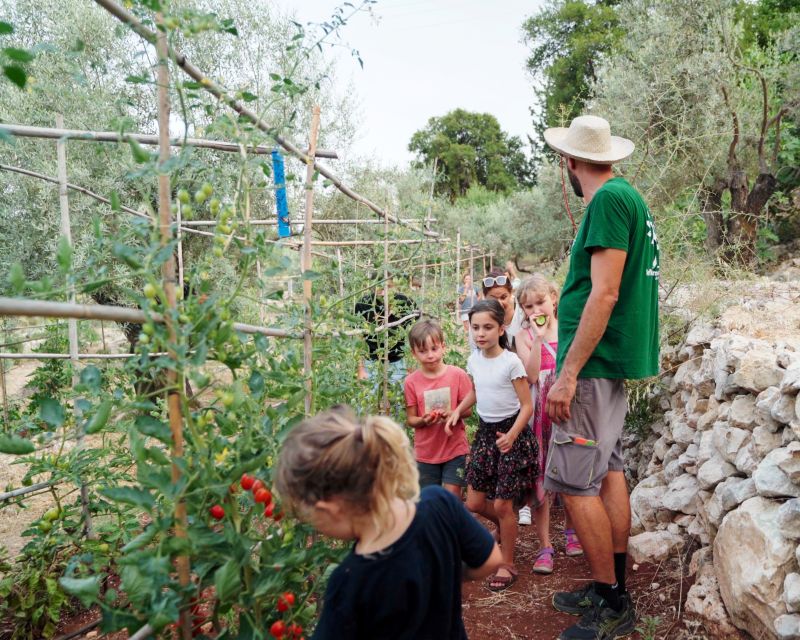
This class isn’t a cooking show where someone tells you what to do while you watch. It starts the way Greek food should start: with the land. You step onto the farm and get introduced to regenerative farming practices aimed at keeping the ecosystem healthy. It’s the kind of information that’s easy to ignore on a vacation—until you connect it to what ends up on your plate.
The value here is that the lesson isn’t just techniques. It’s context. When you learn why the farm grows the way it does, you cook with a different mindset. You tend to notice the freshness, the seasonality, and the fact that nothing is trying to be fancy. That’s also why the class fits people who are “not really into cooking.” You’re not being asked to become a chef. You’re being invited to pay attention.
Lefkada Micro Farm also sits inside the Slow Food International farms network. That matters because it explains the tone of the day: less hustle, more care. Even the open-air kitchen feels like it’s built for living at the pace of ingredients, not schedules.
One practical note: the class runs 4 hours. You’ll move through farm learning and hands-on cooking at a comfortable tempo, but it still has structure. If you’re the type who wants time to wander for an hour before doing anything, this may feel like a fast, friendly checklist. If you like a focused half-day experience, you’ll likely love it.
Harvesting Seasonal Ingredients (and Why It Changes Your Cooking)
You don’t just arrive and get a printed menu. You start with soil learning, then you harvest seasonal organic ingredients. That harvest part is the moment many people remember most because it changes how you taste. When you pick the ingredients yourself, you start asking new questions: Is this herb strong today or mild? Does this ingredient taste brighter than it looks? You also get a quick sense of what seasonality really means in practice.
I like that the class frames the farm work as part of a slow living philosophy. Regenerative farming isn’t just an eco buzzword here. It’s tied to how the meal is built. When you see the process and then handle the harvest, you come away with something more useful than recipes on paper.
The setting also adds charm. One reviewer mentioned sweet cats roaming around, and that kind of detail is exactly what makes a farm day feel real. It’s not a sterile activity. It’s a working place with animals, weather, and the gentle rhythm of tending plants.
Just keep in mind the class is designed for a small group, limited to 10 participants. That’s good for attention and pacing. It also means you should arrive ready to jump in—hands-on doesn’t mean you can take a long break while everyone else works.
The Open-Air Kitchen: Greek Home Cooking Without the Drama
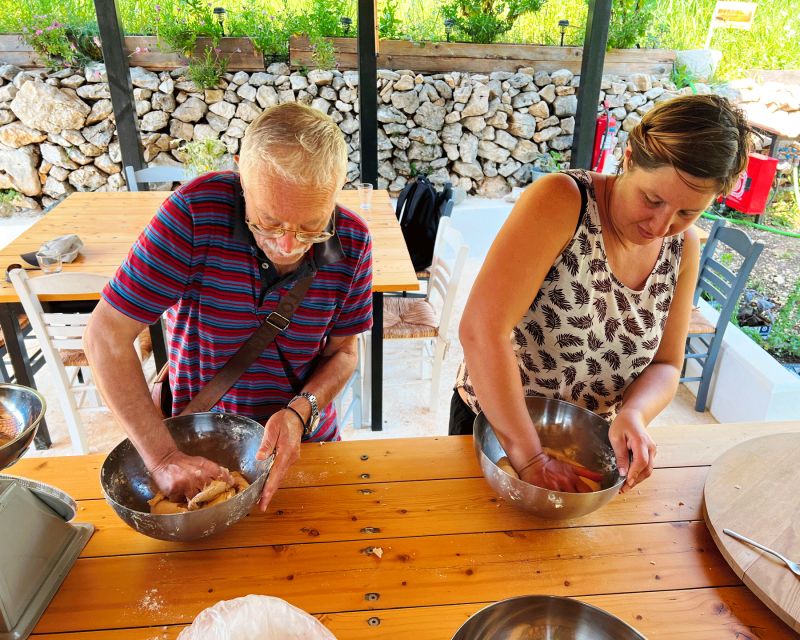
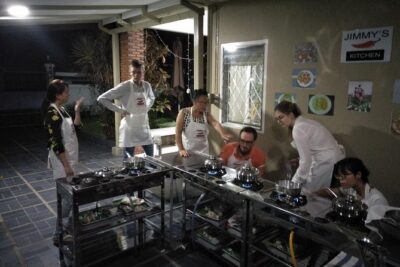
Once the harvesting wraps, the cooking happens in an open-air kitchen. Here’s the style: pillars of Greek gastronomy—freshness, seasonality, and simplicity—guide everything you do. That sounds poetic, but it’s practical. You’ll cook iconic Greek dishes using ingredients you handled yourself, with techniques kept friendly and straightforward.
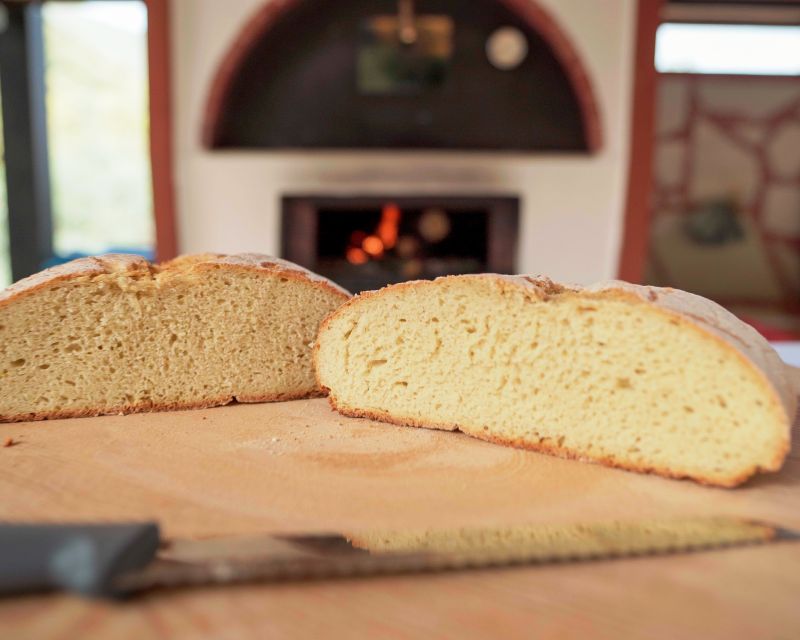
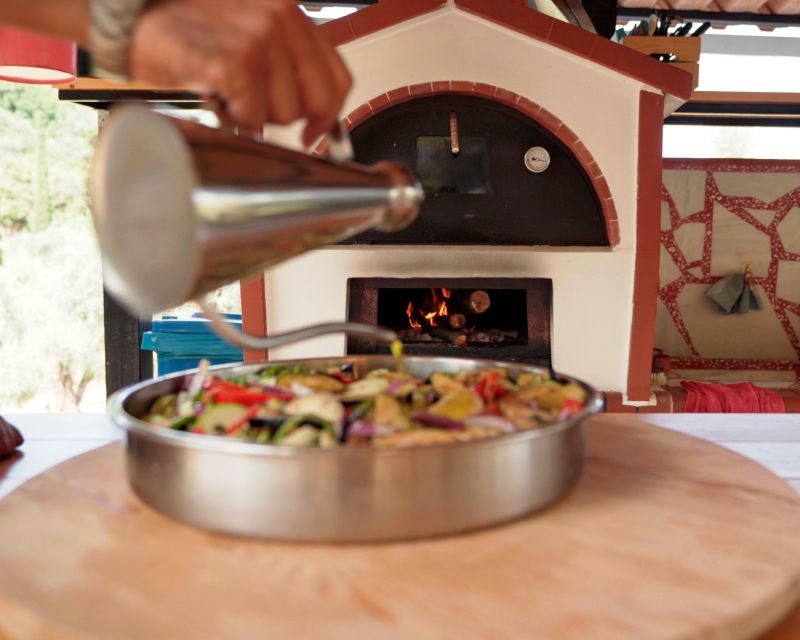
A big plus is the traditional wood-burning oven. Cooking in this kind of oven changes how you think about timing and heat. It’s not high-tech. It’s old-school, and that’s the point. You get a feel for how Greek home cooking was built around reliable methods and ingredients at their best.
The class is taught in English. The instructor also includes you directly in the process with utensils and an apron provided, so you don’t need to bring cooking gear. Since it’s limited to 10 people, you also tend to get enough guidance that the experience feels fun, not chaotic.
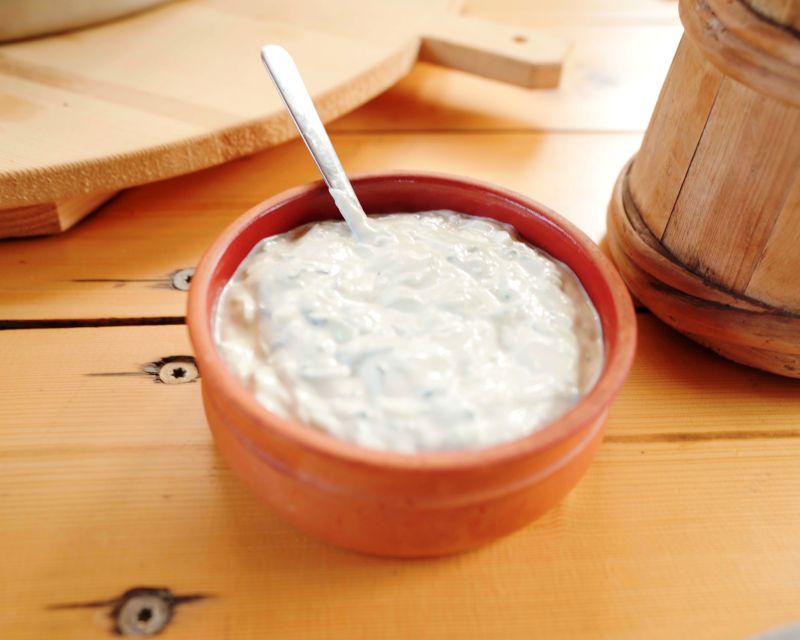
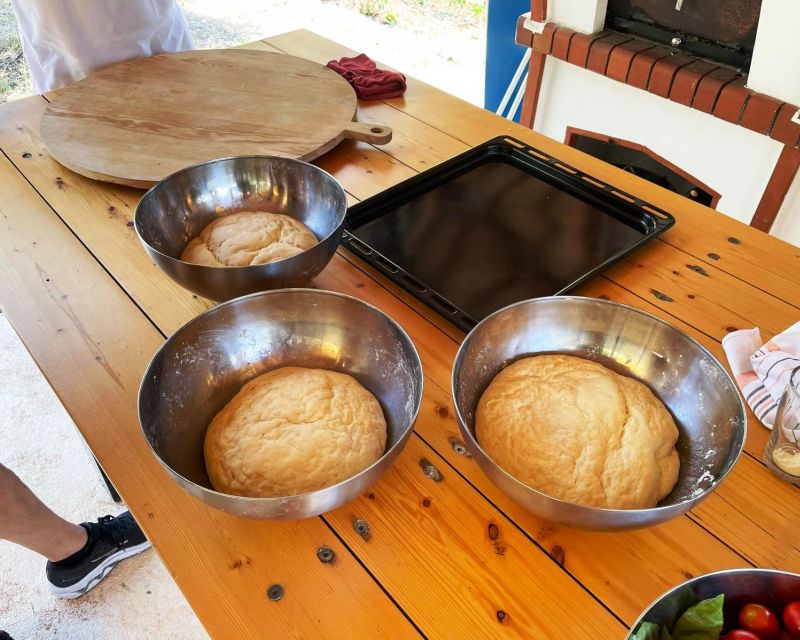
The cooking menu, based on what participants share, includes bread plus Greek classics like briami, tzatziki, and Greek salad. You also learn about herbs and ingredients tied to these traditional dishes. That herb knowledge is one of those small things that pays off later: you can recreate the flavors at home without needing a full Greek market run.
One consideration: you should inform the team of any food allergies or dietary restrictions. Since the class focuses on ingredients from the farm and classic dishes, the best results come when they know your needs early.
Wood-Fired Bread and the Olive Oil Moment
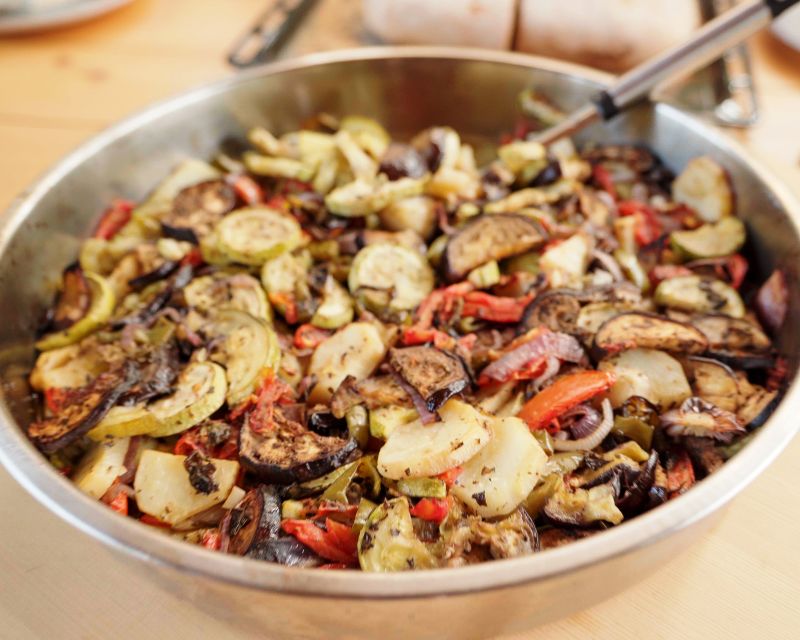
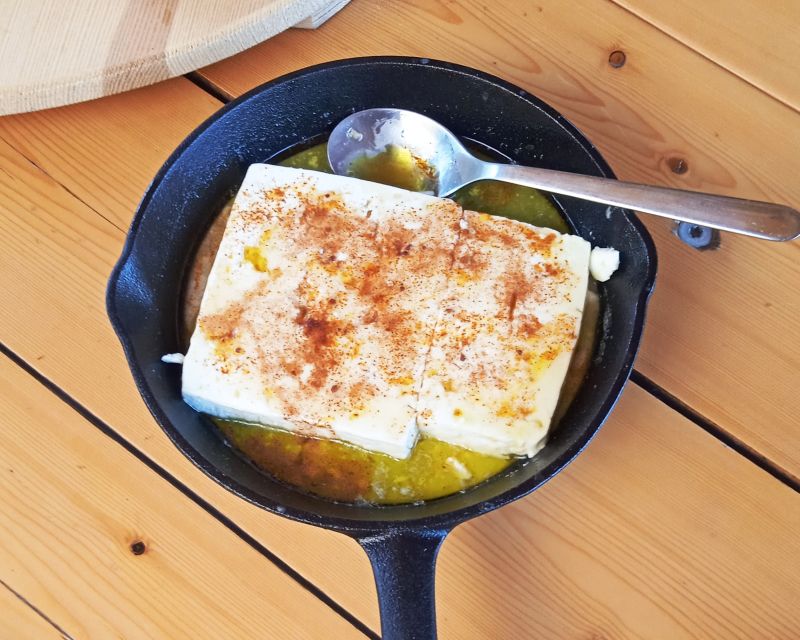
If you only care about one thing—flavor—this class still delivers. The standout ingredient is the farm’s award-winning olive oil, described as high-polyphenol. Even if you don’t know what polyphenols are, you can understand the practical idea: this is olive oil they want you to taste and respect. It’s used to bring garden-fresh produce into a satisfying Mediterranean meal, the kind that feels nourishing instead of heavy.
I also like how the class doesn’t pretend everything is hard. The cooking focus stays grounded. You’re making bread, assembling familiar dishes, and learning the role of herbs and simple ingredients. It’s the kind of “do this, then taste this” learning curve that sticks.
The wood oven adds a bit of theater in a good way. It makes the process feel tactile—watching, testing, and adjusting. And because it’s paired with the olive oil and fresh harvest, the flavors stay clean rather than masked.
You might come in thinking you’ll learn “how to cook Greek food.” You’ll likely leave realizing you learned “how to cook with ingredients at their peak.” That’s a different skill, and it’s more valuable for home cooking.
Also, the group energy matters. In small groups, people tend to share tips and small observations naturally. Some participants even ended up trading stories across languages in the shared meal portion, which shows you’ll get more than food instructions—you’ll get conversation.
Farmer’s Table: The Meal Is the Point
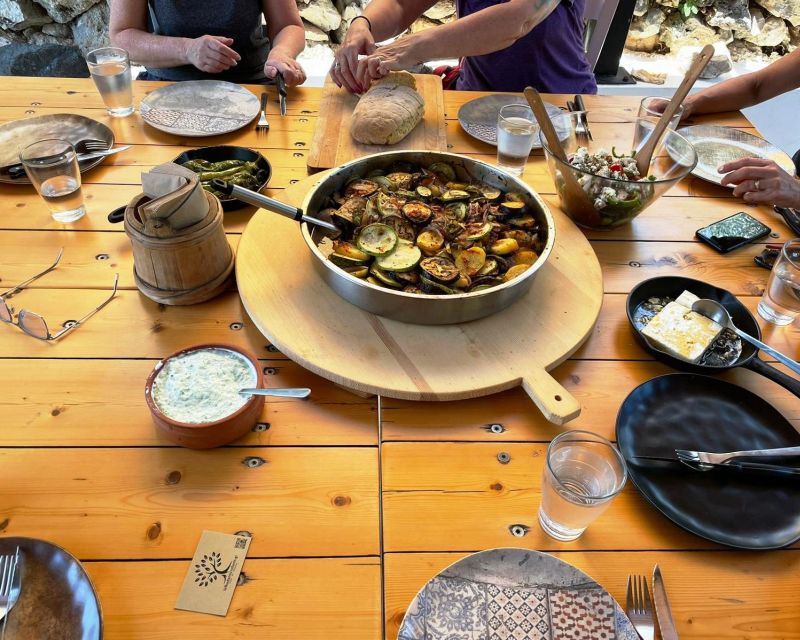
The heart of the experience is the Farmer’s Table. After cooking, everyone gathers to share the meal you made. This is where Slow Food shows up in real life: not as a slogan, but as people eating together and talking while the food is still warm.
This meal matters because it turns the day into something you can carry forward. A recipe alone is nice. Cooking with your own hands and then eating it as a group makes the lesson stick. You don’t just learn what goes into tzatziki or how bread comes out of the oven. You remember the moment you tasted it—because you were part of the process.
I also appreciate that the day doesn’t try to over-program it. The cooking and the meal are the main event. That’s why the pacing feels comfortable: harvest, cook, eat, talk. Simple. Real.
One practical upside of the structure: it’s only 4 hours, so you don’t spend your whole day commuting and waiting. The farm-to-table arc is tight enough to fit into a travel schedule, but it’s long enough for real involvement.
If you’re the type who hates awkward group activities, you’ll still be fine here because the social element is tied to food and conversation, not forced games. And if you love meeting people, this is a friendly setup for it.
Price and Logistics: Does $123 Make Sense?
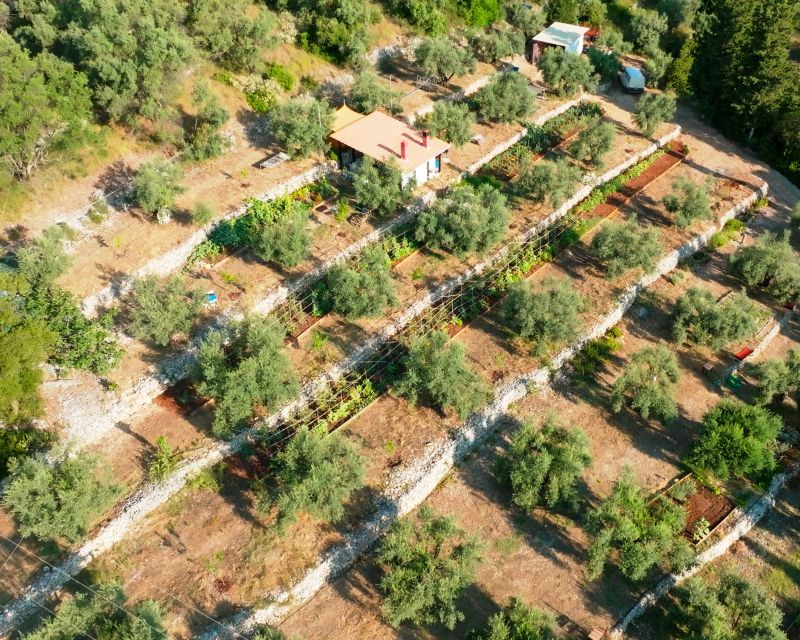
Let’s talk money honestly. At $123 per person for a 4-hour class, you’re paying for more than chopping and tasting. You’re paying for access to a regenerative farm environment, a small-group teaching setup, the wood-oven experience, and ingredients harvested and cooked on site.
The value equation depends on what you expect.
If you’re the type who enjoys hands-on workshops and wants ingredients plus technique plus a shared meal, this price can feel fair. You’re essentially getting a short farm visit plus structured cooking plus a sit-down meal in one package, taught in English.
If, however, you expect a bargain class with lots of course variety, extra time, or more “wow” moments than a well-run cooking session, then you may feel it’s not quite in line. One participant specifically felt the price-to-experience ratio wasn’t perfect and wanted a bit more for what was paid. That’s a useful warning flag: if you’re budget-focused, you should compare it to other cooking classes and ask yourself whether the farm harvest and olive oil angle is the deal-maker for you.
A few details that affect value: the group size is capped at 10, which usually means better attention. Utensils and an apron are included, so you don’t need to shop for gear. And the class focuses on traditional recipes rather than short demos.
Bottom line: I’d call this a solid choice if the farm-to-table piece is your priority. If your goal is mostly “cook and eat,” you might compare prices—but don’t ignore the regenerative harvest and wood-oven olive oil story. That’s the core product.
Who This Lefkada Micro Farm Class Suits Best
This works best for you if you want hands-on learning without big-city museum vibes. It’s ideal for couples, solo travelers who like conversation, and small groups of friends who enjoy food as a way to understand a place.
You’ll likely enjoy it even more if:
- you like cooking classes where you actually do the work, not just watch
- you care about ingredients, seasonality, and how farming practices show up in flavor
- you want a calmer half-day activity with a local feel
- you enjoy meeting people in a setting that doesn’t feel forced
It may be less ideal if:
- you’re looking for a long, multi-course dining experience
- you expect advanced culinary instruction beyond traditional Greek basics
- you have strict dietary needs and haven’t told the team in advance
One more thought: since the instructor speaks English and the group is small, it can be a great option for visitors who want clear guidance without the barrier of a language-heavy tour format.
Should You Book This Traditional Greek Cooking Class?
I’d book it if you’re excited by the combination of regenerative farming, harvest-to-oven cooking, and a shared Farmer’s Table meal. The wood-burning oven and the olive oil focus make it more than a standard cooking class. And the small group setup keeps it friendly and practical, so you leave with both food and know-how.
I wouldn’t book it solely for a cheap cooking ticket. At $123, you’re paying for a specific farm-to-table experience, not just recipes. If that farm ingredient story is what you came for, you’ll probably feel it was worth your time.
If you do book, send your dietary restrictions early, arrive ready to participate, and plan to take it slow once you get there. This isn’t a sprint. It’s Greek cooking at the pace of the garden.
FAQ
How long is the Lefkada Micro Farm Greek cooking class?
The class lasts 4 hours.
Is the cooking class taught in English?
Yes, the instructor teaches in English.
What is the group size?
It is a small group with a maximum of 10 participants.
What recipes or dishes will we cook?
You’ll cook traditional Greek dishes that include bread, briami, tzatziki, and Greek salad.
What’s included in the price?
Cooking utensils and a cooking apron are included.
Is the activity wheelchair accessible?
Yes, it is wheelchair accessible.
What should I do if I have allergies or dietary restrictions?
Let the team know about any food allergies or dietary restrictions in advance.
Is free cancellation available?
Yes, you can cancel up to 24 hours in advance for a full refund.