REVIEW · OSAKA
Three Types of Ramen Cooking Class in Osaka
Book on Viator →Operated by Sakura Cook · Bookable on Viator
Ramen, made by hand, changes everything. This Osaka class has you learning how to make noodles from scratch, then turning them into three different ramen bowls you can actually taste and understand. It’s hands-on, small, and built for people who want more than just eating ramen somewhere.
I like that you’re cooking in a limited group (up to eight), so the steps feel clear instead of rushed. I also love that the class is organized like a proper meal: you make the noodles, build three broths and toppings, and then sit down to eat what you made with dessert and green tea.
One thing to consider: there’s no hotel pickup/drop-off, so you’ll want to be comfortable getting yourself to the meeting point by public transit. Also, the class can involve spicy components depending on the miso ramen toppings, so if heat is an issue, let the instructor know early.
In This Review
- Key highlights worth centering your day
- Getting there: the Banix Kitahorie meeting point and your first win
- What “three types of ramen” actually means in this class
- Apron on: learning handmade noodles from scratch
- Building salt ramen: sweet pork, sprouts, seaweed
- Soy sauce ramen: steamed cabbage, greens, sweet corn
- Miso ramen: spicy chicken, eggs, green onion
- Tactics you’ll actually use again (and why they matter)
- The meal flow: you make it, then you eat it
- Vegetarian ramen: what to expect if you request it
- Price and value: why $79.28 can make sense
- Who this suits best in Osaka
- Quick practical tips before you go
- Should you book this ramen cooking class?
- FAQ
- What types of ramen will I make in this class?
- Does the price include food and ingredients?
- How long does the ramen cooking class last?
- How big is the group?
- Where does the class start?
- Can I cancel for a refund?
Key highlights worth centering your day
- Handmade noodles from scratch using the class method, so you learn the process, not just the flavor
- Three broths in one session: salt, soy sauce, and miso ramen, with matching toppings
- Small-group pace capped at eight people for a more personalized experience
- You eat your results right after cooking, plus dessert and green tea
- Take-home support with a printed recipe and tools/ingredients already handled for you
Getting there: the Banix Kitahorie meeting point and your first win
This class starts and ends in the same place, at Banix北堀江Japan in Osaka’s Nishi Ward, Kitahorie. Since there’s no hotel pickup, I’d plan to arrive a few minutes early so you can settle in without stress. The good news: it’s described as near public transportation, and the flow of the experience is designed to start smoothly once everyone checks in.
A practical detail that matters: you’ll use a mobile ticket. I’d keep it ready on your phone screen (and consider a screenshot in case signal is weak). In Japan, that little bit of prep can save time.
Why this location setup is a plus: the whole session is only about 2 hours 30 minutes. If you spend part of that time wandering around, the class can feel shorter than it should. So treat the meeting point like part of the itinerary, not an afterthought.
You can also read our reviews of more tours and experiences in Osaka.


What “three types of ramen” actually means in this class
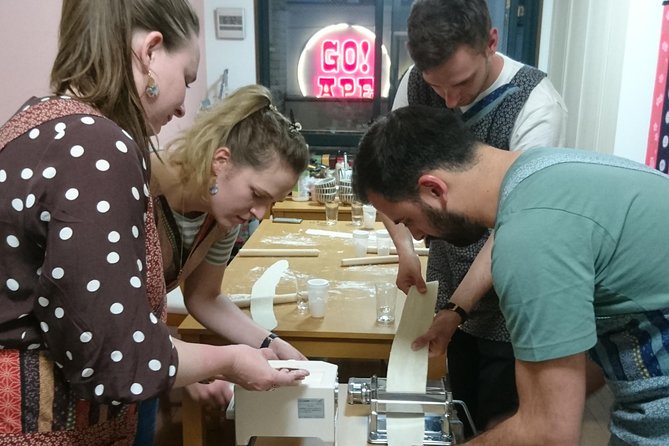
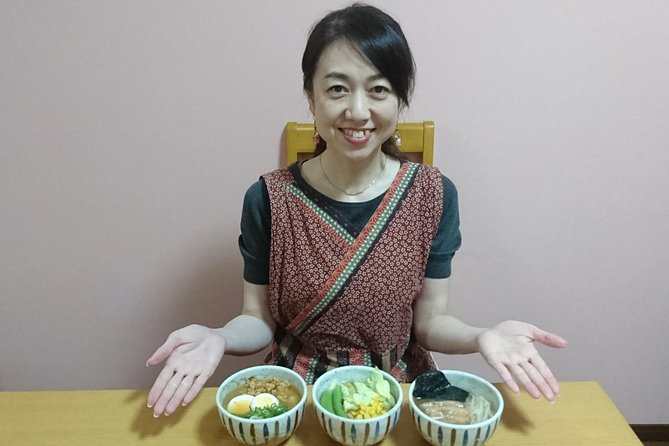
This isn’t a lesson where you watch someone else do most of the work. You’re making noodles and then cooking three ramen styles using different seasoning bases and topping combinations.
You’ll work through three ramen builds:
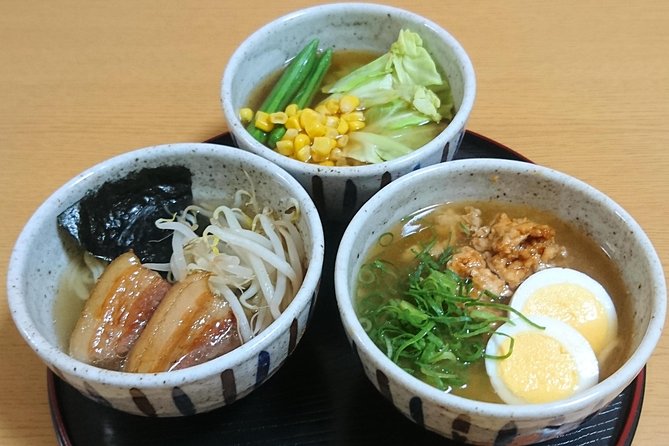
- Salt ramen with toppings like sweet pork, bean sprouts, and seaweed
- Soy sauce ramen with toppings like steamed cabbage, green vegetables, and sweet corn
- Miso ramen with toppings like spicy chicken, boiled eggs, and green onion
Here’s the clever part for ramen lovers: you learn how flavor changes when the base changes. Salt vs soy sauce vs miso isn’t just swapping ingredients. It’s a different direction for seasoning, aroma, and how the broth interacts with noodles and toppings. You also learn how to build a bowl so it tastes balanced instead of random.
And yes, there’s a concrete noodle portion: the total noodles amount is 100g for the class. That’s enough to feel substantial, but not so much that you’re stuck cooking forever.
Apron on: learning handmade noodles from scratch
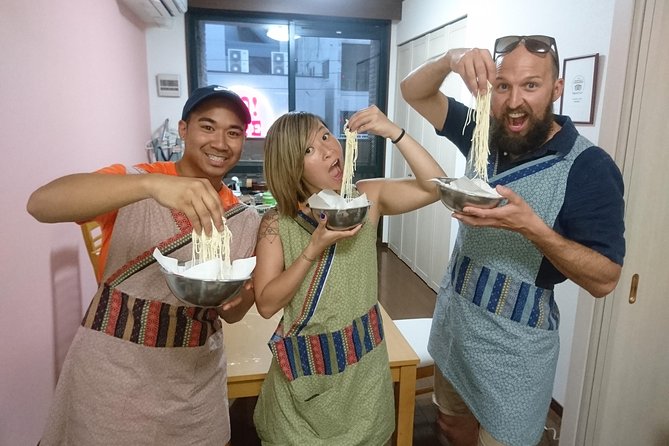
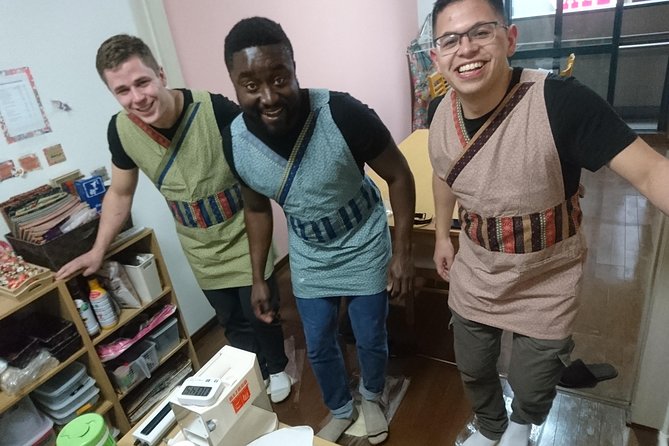
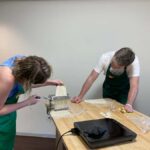
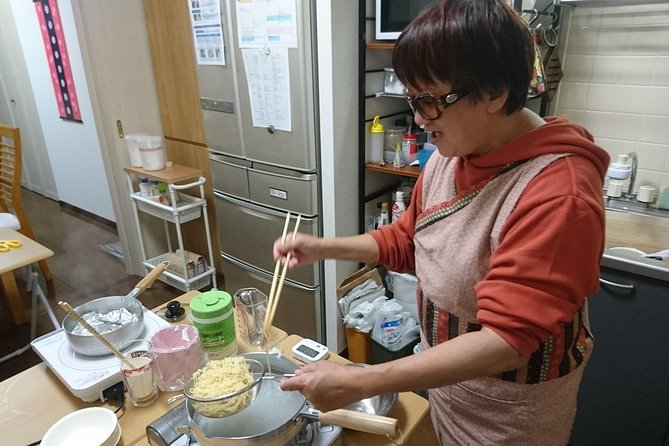
The class begins with getting into an apron and starting the most important step: handmade noodle making. This is where the experience gets real. Even if you’ve never cooked ramen before, you’re guided through the steps so you can understand the texture and feel of the dough and shaping process.
Why noodles-from-scratch is the best use of your time here: most ramen experiences in Japan focus on eating and tasting. This one teaches you why ramen tastes the way it does. When you understand how the noodles are made, you’ll stop thinking of ramen as only a restaurant dish and start thinking of it as something you can reproduce.
Expect the workflow to be kitchen-paced, with utensils and ingredients provided, so you’re not hunting for specialty tools. You also get support during the process. Multiple instructors are praised for being clear and patient, and this kind of cooking class lives or dies by instruction quality.
If you’re worried about being a beginner, the pace is built to help you keep up. It’s a cooking class, not a cooking test.
Building salt ramen: sweet pork, sprouts, seaweed
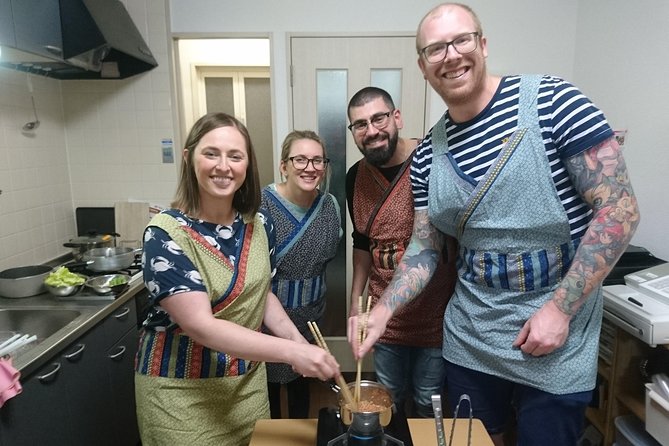
Salt ramen is a great starting point because salt-forward broth tends to show off noodle quality and topping freshness. In this class, you work with toppings like:
- juicy sweet pork
- bean sprouts
- seaweed
What you learn from this bowl: even with a simple base idea, ramen needs structure. Pork brings depth and fat, sprouts add crunch and freshness, and seaweed adds a briny, savory note that complements a salt broth.
A useful takeaway is how toppings aren’t just “extras.” They’re part of the broth’s flavor experience. You’re practicing the assembly and balance so your final bowl tastes intentional.
Soy sauce ramen: steamed cabbage, greens, sweet corn
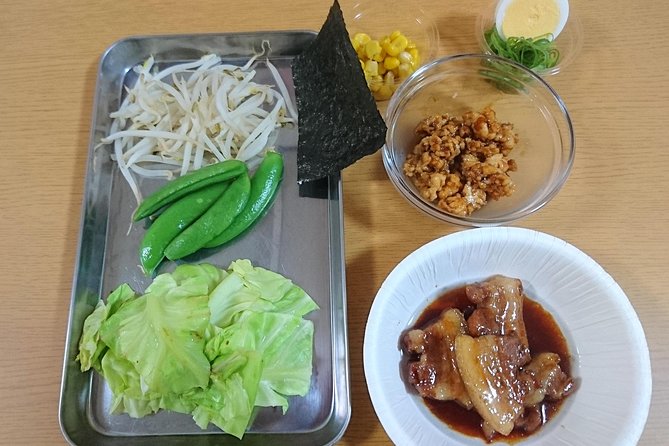
Next comes soy sauce ramen, with toppings including:
- steamed cabbage
- green vegetables
- sweet corn
Soy sauce changes the ramen’s personality. It usually brings a darker, rounder flavor profile and often a gentler savory backbone. The class approach helps you see how cabbage and greens behave in ramen: cabbage goes tender and comforting, greens keep it from tasting flat, and sweet corn adds a touch of sweetness that makes the soy base feel less heavy.
If you tend to like comforting, home-style flavors, this bowl is likely to be your crowd-pleaser. It’s also a good one to study if you want to recreate ramen at home later, because the topping set is very practical.

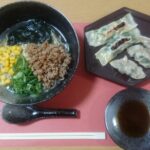


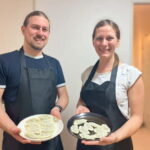

Miso ramen: spicy chicken, eggs, green onion
Miso ramen is where richness and punch show up. The toppings in this class include:
- spicy chicken
- boiled eggs
- green onion
Miso broth often has a deeper, more fermented complexity than salt or soy bases, and the toppings amplify it. The boiled egg adds softness and richness, while green onion gives lift. The spicy chicken brings heat and savory intensity.
Practical caution: there may be chili oil involved at the end of the meal flow, and at least one cook learned the hard way that it’s easy to overdo the spice. If you’re spice-sensitive, ask what’s available and taste cautiously. Better one small taste now than a revenge-breath moment later.
Tactics you’ll actually use again (and why they matter)
What makes this class valuable isn’t only the food. It’s the method. A few of the things you’ll likely carry home:
- A sequence you can repeat: noodle-making first, then the soup components, then toppings and assembly. That order helps you avoid rushing.
- Flavor switching: you’ll see how salt, soy sauce, and miso each require different handling and attention. You learn to think in bases, not just in ingredients.
- How toppings change texture: sprouts stay crisp, cabbage turns tender, corn adds sweetness, eggs add softness. That mental map helps you cook without copying someone else’s exact bowl.
- Portion control for future cooking: you work within a class-sized portion (100g noodles total). Later, you can scale up without guessing from scratch.
Also, you get a printed recipe to take home. That’s important because cooking classes that end with a memory usually lose you after day one. The recipe helps you recreate the steps with less guesswork.
The meal flow: you make it, then you eat it
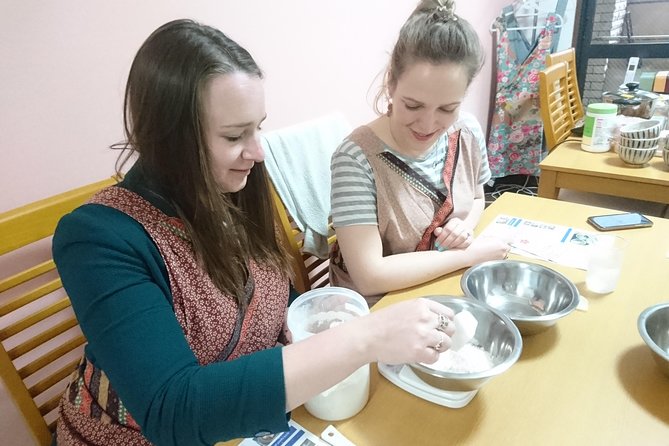
After cooking, you place the dishes and eat your ramen together. The class ends with a moment that feels very Japanese: grabbing chopsticks and taking the first bite with the group. Then dessert and green tea show up as the finishing chapter.
This is a small but meaningful design choice. You’re not sent home right after the hard part. You get to taste the outcome while it’s fresh and still connected to your cooking effort. That’s the difference between learning and just participating.
The included seasonal fruits are a nice touch too. It rounds out the meal so you don’t leave feeling like ramen is the only thing you ate all day.
Vegetarian ramen: what to expect if you request it
One of the standout strengths of this class is that the instruction can adapt. If you request a vegetarian ramen cooking class, the instructor is described as mindful about ingredients and can ensure the broth doesn’t contain animal products.
What I like about that for your planning: it suggests the class doesn’t treat dietary needs as an awkward afterthought. Instead, it aims to keep the experience fun and the flavors intact while adjusting core components like broth ingredients.
If you’re vegetarian, I’d message the operator in advance so they can prepare appropriately. That’s the safest way to make sure you’re not stuck deciding at the last moment.
Price and value: why $79.28 can make sense
The price is listed at $79.28 per person for about 2 hours 30 minutes. On the surface, that can look steep if you compare it to buying a bowl of ramen. But this isn’t just a meal. It’s a full cooking session with a structured outcome.
Here’s what you’re paying for in practical terms:
- ingredients for lunch/dinner (not just a tasting portion)
- kitchen utensils and equipment
- instruction for handmade noodles and three ramen bases
- a printed recipe to take home
- dessert, green tea, and seasonal fruits
If you’ve ever bought ingredients in a grocery store and then realized you’re missing one key tool or one hard-to-find ingredient, you’ll understand the value of having everything set up. This class also saves your time and decision fatigue. You don’t have to plan recipes, track down noodle-making materials, or wonder if you’re doing the right technique.
So yes, it costs more than restaurant ramen. But it can be better value if you want skills and a repeatable dish, not only lunch.
Who this suits best in Osaka
This class is a strong fit if you:
- love ramen and want to understand it, not just eat it
- want to learn basic Japanese cooking skills without a huge time commitment
- prefer small groups so you can ask questions and get directions
- are traveling with family or friends who enjoy hands-on activities
It also works well for people who feel nervous about cooking. Several cooks describe the instruction as step-by-step and beginner-friendly, which is exactly what you want in a ramen workshop.
If you hate spending time in kitchens, though, keep expectations realistic. You will chop, mix, shape, and assemble as part of the process. It’s participatory by design.
Quick practical tips before you go
These are the small things that make the experience smoother:
- Bring a water bottle mindset, not a water bottle: drinks beyond what’s included aren’t listed, so plan around the green tea being part of the meal flow.
- Wear comfortable clothes suited for a kitchen environment. You’ll be at workstations, moving through steps.
- Ask about spice if you’re sensitive. Miso ramen includes spicy chicken, and chili oil may show up at the end.
- Focus on tasting as you build. The more you notice how each topping affects flavor and texture, the easier it is to replicate later.
- Use the recipe afterward. If you don’t bring it home, the class becomes a fun memory instead of a real skill.
Should you book this ramen cooking class?
Book it if you want a hands-on ramen lesson in Osaka that gives you real technique. The combination of handmade noodles, three different broths, and an included sit-down meal (dessert and green tea too) makes it feel like more than a one-off activity. For most ramen fans, that’s the point.
I’d hesitate only if you can’t get yourself to the meeting point by transit or you strongly prefer not to deal with kitchen steps and toppings. And if spice is an issue for you, plan to communicate that early.
If your goal is to leave Osaka with noodles knowledge you can actually use, this class is a very solid bet.
FAQ
What types of ramen will I make in this class?
You’ll make three types of ramen: salt ramen, soy sauce ramen, and miso ramen. Each one has its own topping set.
Does the price include food and ingredients?
Yes. The class includes all ingredients for your lunch/dinner, kitchen utensils and equipment, seasonal fruits, and dessert with green tea.
How long does the ramen cooking class last?
The class runs about 2 hours 30 minutes.
How big is the group?
It’s a small-group experience limited to up to eight people for a more personalized class.
Where does the class start?
The meeting point is Banix北堀江Japan (Osaka, Nishi Ward, Kitahorie, 3-chōme62 システマギャラリー). It also ends back at the same meeting point.
Can I cancel for a refund?
You can cancel for a full refund if you cancel at least 24 hours before the experience starts. Cancellation within 24 hours isn’t refundable.