REVIEW · SIENA
Cesarine: Home Cooking Class & Meal with a Local in Siena
Book on Viator →Operated by Cesarine: Cooking Class · Bookable on Viator
A home kitchen in Siena beats a formal cooking school every time. You’ll learn real local recipes and eat what you make with Sienese wine. I like the small-group format and the hands-on pasta instruction that fits beginners and curious cooks. One thing to consider: the class may be outside the city center, so you might need a short ride to reach your host’s home.
This Cesarine cooking class runs about 3 hours and is capped at 10 people. You’ll start in Siena, cook with a local Cesarina, and finish back where you began—set up so you can build the rest of your day around it.
In This Review
- Key things to know before you go
- A small-group home class in Siena: what you’re really buying
- From the meeting point to your host’s kitchen
- The three-course menu: starter, pasta main, and Siena dessert
- Starter: seasonal and simple
- Main: one of the signature Siena pasta choices
- Dessert: pick from several Siena-style favorites
- How the cooking lesson works (and why it fits beginners)
- Eating where you cooked: wine, cheese, and the full-table experience
- English instruction, translators, and who this class suits
- Families and teens
- Beginners versus experienced cooks
- Dietary needs and allergies
- Price and value: does $203.61 make sense?
- Practical tips: make it easy on yourself
- Should you book this Cesarine class in Siena?
- FAQ
- What dishes will I make?
- How long is the class?
- Is it held in central Siena?
- Is the class offered in English?
- How big is the group?
- Are ingredients and utensils included?
- Is wine included?
- Can dietary allergies be accommodated?
- Is there free cancellation?
Key things to know before you go
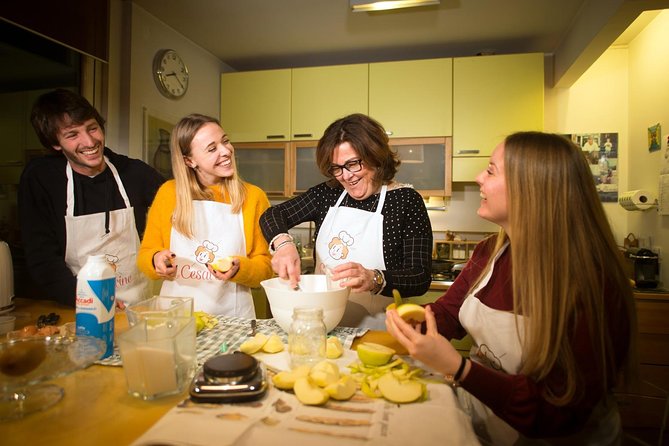
- Small group, big attention: up to 10 people, so you’re not lost in a crowd.
- Three-course meal made by you: a starter, a pasta main (pappardelle, pici, or gnudi), and a dessert.
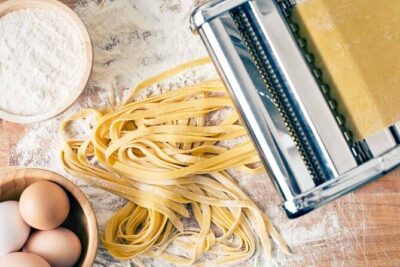
- Pasta from scratch is the star: the lesson style centers on making pasta dough and shaping it.
- Local wine with the meal: you taste alongside what you cook, not just sample bites.
- English support is built in: the class is offered in English, and translation may be provided by a local helper (for example, Antonina is mentioned in past classes).
- Real-home hosting: named hosts like Genny, Ilaria, Enza, Patrizia, and Barbara show what this experience feels like—warm, personal, and practical.
A small-group home class in Siena: what you’re really buying
This isn’t a performance. You’re paying for a local household to teach you how Sienese food comes together in everyday rhythms. That’s the value: you leave with a better sense of how Italians cook, not just a recipe list.
Here’s what I like most about the setup. First, the class is small (maximum 10), which means questions don’t get buried. Second, you’re making multiple dishes in one sitting—so you get a real meal, not a single cooking “demo.”
The main caution is timing and location. Even though it’s described as in Siena, at least one class has been held about a 30-minute car ride away from the center. If you’re trying to squeeze in other sights at the last minute, give yourself a little breathing room.
You can also read our reviews of more tours and experiences in Siena.

From the meeting point to your host’s kitchen
You meet in Siena, Tuscany, and the activity ends back at the same meeting point. The class is designed to fit into a short visit—about 3 hours—without eating your whole day.
Transportation is part of the reality check. The meeting area is listed as near public transportation, but your host’s home can be outside the core streets. If you don’t have a car, plan around the idea of a short transfer, and keep an eye on any pickup or ride arrangements mentioned in your confirmation message.
Group size also affects the “move.” With a small group, you’ll likely travel together (or follow instructions closely). You’ll spend less time herding people and more time actually cooking.
The three-course menu: starter, pasta main, and Siena dessert
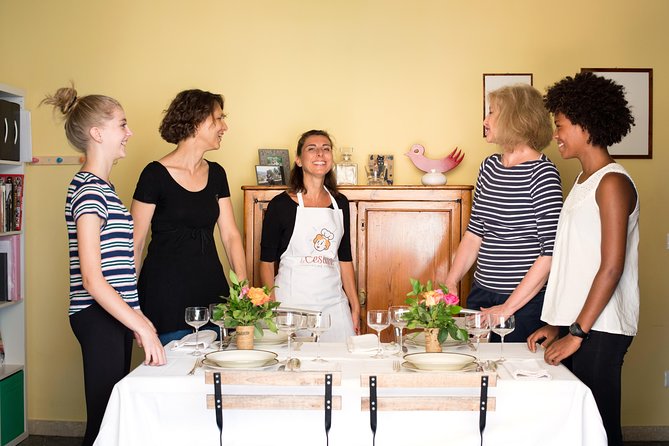
The menu format is consistent: starter, main, dessert. What changes is the exact dishes.
Starter: seasonal and simple
Expect a seasonal starter. In practice, this usually means something built from ingredients that taste good right now—less fussy than restaurant food, more focused on getting flavor right.
Main: one of the signature Siena pasta choices
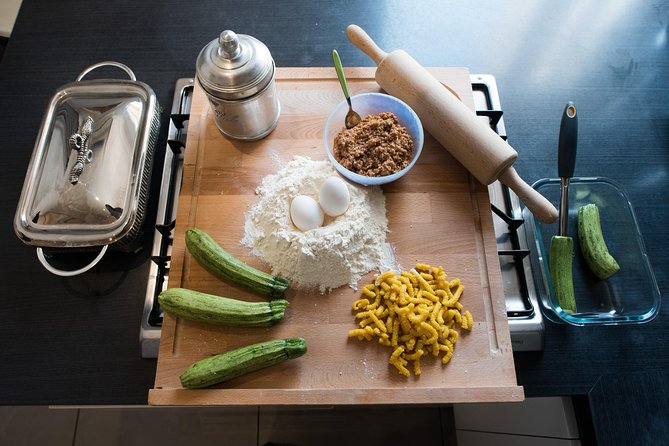
The main is a “choose one” style pasta. You’ll make pappardelle, pici, or gnudi. These are all classic, but they teach different skills:
- Pappardelle: broad ribbons, great for learning dough handling and cutting.
- Pici: thicker, hand-shaped pasta, which helps you understand texture and thickness control.
- Gnudi: delicate dumpling-style pasta, useful if you want a different technique beyond ribbon pasta.
One helpful point: in some sessions, sauces are built around local ingredients. For example, one host used a sauce made from tomatoes preserved or grown for the season, and another used butter, cheese, and fresh sage. That’s the Sienese idea—keep ingredients close, then let them speak.
Dessert: pick from several Siena-style favorites
Dessert can be rice pudding, castagnaccio (chestnut cake), cantucci (often served with a sweet drink), tiramisu, or something similar. The big win here is that you’re not just watching dessert. You’re part of the process, and you’ll likely taste what “right” looks like in a home kitchen.
How the cooking lesson works (and why it fits beginners)
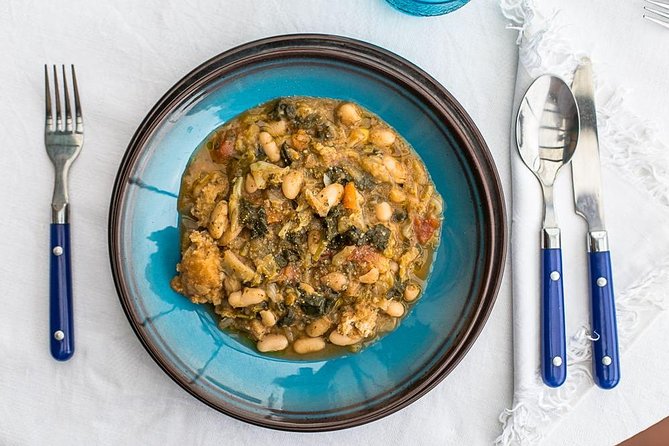
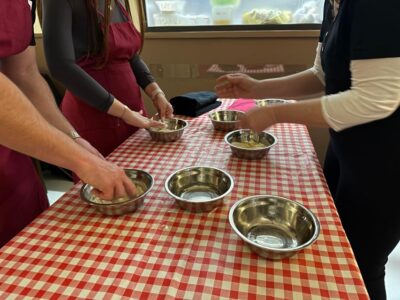
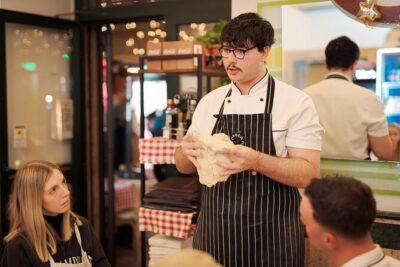
Even if you’re not a confident cook, the lesson plan is structured so you can succeed. The class is designed around step-by-step guidance, and hosts adjust as the room needs.
A few things you can count on, based on what’s consistently praised:
- Hands-on pasta shaping: you’ll work the dough and form the pasta, not just assemble things.
- Clear help when you stumble: several classes highlight patience and direct coaching when someone needs extra attention.
- Tools and ingredients included: you don’t show up needing to buy anything for the session.
Also, don’t underestimate the “home” aspect. A restaurant kitchen can feel fast and loud. A family kitchen tends to slow down just enough for you to learn. Hosts like Genny and Patrizia are specifically mentioned as welcoming and patient, and names like Barbara and Ilaria come up with the same theme: you’re taught like someone the family wants to feed well.
If you bring teenagers, this is also one of the easier ways to get them involved. Multiple classes have been described as working especially well for families with teens and for beginners who want a real skill, not a vague food walk.
Eating where you cooked: wine, cheese, and the full-table experience
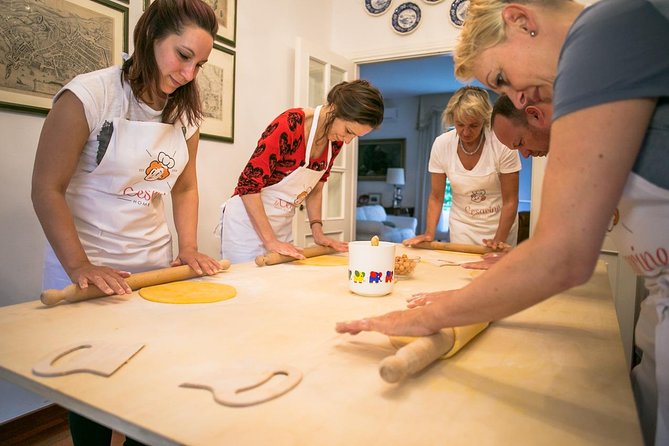
This class doesn’t end when you finish cooking. You sit down and eat your meal together. That part matters more than people think, because it turns the class into a shared story.
Expect a meal that goes beyond just the three dishes. In past sessions, hosts offered extra touches like:
- tasting different types of Tuscan pecorino
- serving homemade bread
- adding local wine and, in some cases, vin santo alongside dessert
The wine is included with your tasting, and it’s a local style. If you’re the kind of traveler who likes to understand a place through food, this is where it clicks: you see how ingredients work together when they’re served at the same table, not plated for strangers.
It also helps you pace the lesson. When you know you’ll eat soon, you’re more likely to pay attention to sauce thickness, seasoning, and timing. That’s how you’ll remember the lesson afterward.
English instruction, translators, and who this class suits
The class is offered in English, and in real-world practice, some sessions include a translator or helper who makes the hosting feel even more personal. For example, Antonina is mentioned in connection with English support.
This matters because Italian cooking has little details—how dough feels, when sauce is ready, what “just right” looks like. With English support (and patience), you’re more likely to learn those details instead of guessing.
Families and teens
This is one of the better Siena choices if you’re traveling with older kids. The format is interactive, not lecture-heavy, and it gives teens something to do with their hands.
Beginners versus experienced cooks
If you’re brand new to cooking, you should be able to keep up. Some classes have been described as a good fit for absolute beginners and teens. If you’re very experienced, you might still enjoy it, especially for the specific Sienese techniques and how hosts build sauces with simple ingredients.
Dietary needs and allergies
You should ask questions in advance if you have dietary restrictions. The data includes at least one case where a host made sure both gluten and nut allergies were handled so everyone could eat the dishes prepared. That’s a strong sign, but it’s still worth confirming your needs directly when you book.
Price and value: does $203.61 make sense?
At about $203.61 per person, this isn’t a budget cooking class. But it’s also not just “a chef showing you.” You’re paying for several things at once:
- a small-group setting (max 10)
- a local home host’s time and kitchen
- utensils and all ingredients included
- a full three-course meal
- local wine during the meal
- instruction in English
For Siena, that package can feel fair because you’re not trying to recreate a home meal from scratch later. You’ll likely learn how to make pasta dough and shape pasta, and you’ll eat what you produce. That combination—skills plus dinner—usually costs more if you try to assemble it yourself.
If you’re comparing to a restaurant class where you just sample, this tends to offer better “return.” You leave with a mental map of how the food is built, not only how it tastes.
Practical tips: make it easy on yourself
This is a straightforward experience, but a few practical choices will help.
- Plan for a short ride if you’re staying in the center. One class described a location about 30 minutes outside the core. If your hotel is tight to the historic area, you may want to factor in transport time.
- Wear comfortable shoes. You’ll move around a home kitchen, and you may stand for periods while dough is worked.
- Bring curiosity, not perfectionism. Pasta can be tricky at first. The whole point here is learning by doing.
- Keep the sanitary guidance in mind. The class notes careful sanitary rules: maintain 1 meter distance when possible, and if you can’t, follow the mask and gloves guidance provided by the experience. The home should provide essential items like hand sanitizing gel and paper towels.
- Arrive ready to snack lightly before. Because you’ll cook and then eat a full meal, you don’t want to start too hungry, but you also shouldn’t plan a heavy lunch right beforehand.
Should you book this Cesarine class in Siena?
Book it if you want a real home cooking experience in Siena, with hands-on pasta-making and a full sit-down meal. The small group size, the English-led structure, and the fact that everything is included (tools plus ingredients) make it a strong choice if you’d rather learn with your hands than just taste your way through town.
Skip it (or rethink your timing) if you hate the idea of heading outside the city center for a short ride. Also, if you only want quick bites and sightseeing, this is a focused food block. It’s not designed to be a wandering tour.
If you’re aiming for one “memory meal” in Siena, this is exactly that kind of experience: you cook, you eat, and you walk away with the kind of food knowledge you can actually use later.
FAQ
What dishes will I make?
You’ll prepare a starter, a main pasta dish (pappardelle, pici, or gnudi), and a dessert. The dessert options include rice pudding, castagnaccio, cantucci, tiramisu, or something similar.
How long is the class?
It runs for about 3 hours.
Is it held in central Siena?
It starts in Siena and ends back at the meeting point. Some classes may be held about 30 minutes by car from the city center, depending on the host’s home.
Is the class offered in English?
Yes. The experience is offered in English.
How big is the group?
The maximum group size is 10 travelers.
Are ingredients and utensils included?
Yes. Utensils and all ingredients are included in the class.
Is wine included?
Yes. You’ll have your meal with a glass of local wine.
Can dietary allergies be accommodated?
A past class included accommodations for gluten and nut allergies. You should still ask in advance to confirm how your specific needs will be handled.
Is there free cancellation?
Yes. Free cancellation is offered, and you can cancel up to 24 hours in advance for a full refund.