REVIEW · PORTO DISTRICT
Douro Valley: Traditional Cooking Class, Farm Tour and Lunch
Book on GetYourGuide →Operated by Quinta de Louredo · Bookable on GetYourGuide
Cook, pick food, and learn stories fast.
At Quinta de Louredo near the Douro region, I love the hands-on farm time and I love the three-course Portuguese lunch you cook with Fabio and his family. You’ll start with tastings (green wine, olive oil, cheeses, olives, bread, juices), then harvest ingredients and meet the animals, before cooking a traditional meal and sitting down together.
One consideration: transportation isn’t included, and the farmhouse is reached by a steep, hilly approach—so plan how you’ll get there.
In This Review
- Key highlights you’ll feel (not just read)
- A family farm meal with a purpose in the Douro region
- First bites: tastings, green wine, and farm pantry flavors
- The farm tour: animals, fruit, and why it changes how you cook
- Traditional cooking class: hands-on, no fancy tricks required
- Shared lunch: the best part is eating together
- What to do with 4 hours: a realistic half-day plan
- Price and value: what you’re really paying for at $175 per person
- Logistics that matter: parking, steep roads, and train timing
- Best for families, food people, and story lovers
- Small group energy: conversation, language options, and learning without pressure
- A quick packing checklist so you enjoy the farm part
- Should you book Quinta de Louredo cooking class and farm tour?
- FAQ
- How long is the experience?
- What’s included in the $175 per person price?
- Is transportation included?
- How many people are in the group?
- What languages does the instructor speak?
- What do we eat during the experience?
- Where do I meet the host if I’m driving?
- Where do I meet the host if I’m arriving by train?
- Can I cancel and get a refund?
Key highlights you’ll feel (not just read)
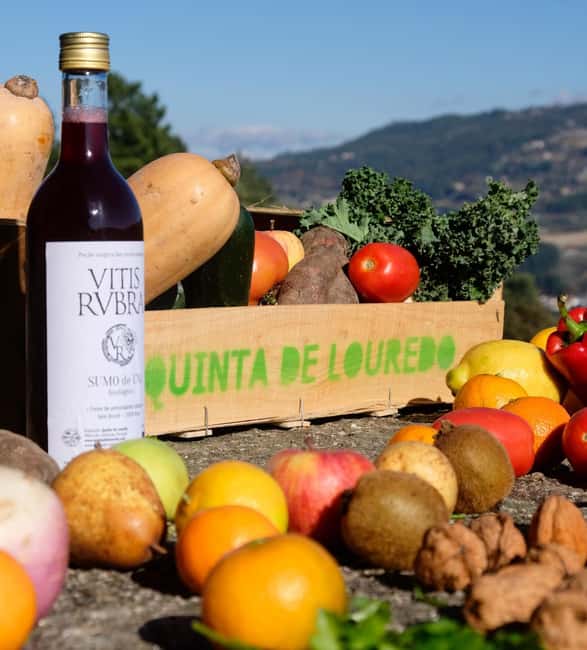
- Farm-to-table starts with harvesting, not a demo kitchen
- A real family story tied to Portugal and the farm’s resilience after wildfire
- Three-course Portuguese cooking taught in a relaxed, practical way
- Vinho verde and farm tastes (olive oil, cheeses, olives, breads, juices) to start your day
- Small group size (max 10), which keeps the day personal and chat-friendly
- Kids often love the animal time, with plenty of running around space
A family farm meal with a purpose in the Douro region
Quinta de Louredo is the kind of half-day that feels like you stepped into someone’s real routine. This isn’t just plating food and moving on. You’re in a working family farm setting where the land, the animals, and the kitchen all connect.
The tone is warm and grounded. Fabio and family talk as they cook, and the day has a noticeable sense of care—especially because they’re rebuilding after a wildfire and loss. You’re not just buying a class. You’re joining a recovery story that happens one harvest and one meal at a time.
It’s also structured enough to feel easy. In four hours, you go from tastings to walking the property to cooking a full lunch. That pacing matters if you’re on a tight Douro itinerary and still want something authentic, not another driving shuffle.
First bites: tastings, green wine, and farm pantry flavors
Your day typically begins with a welcome spread designed to get you relaxed and hungry. Expect things like organic green wine, olive oil, local cheeses, olives, artisanal bread, plus fresh juices and other farm-based or local touches.
A theme shows up fast: they like simple, honest flavors. One guest’s description of the arrival spread included cheeses, breads, honey, sausages, olives, and jams produced on the organic farm—plus coffee and tea options alongside wine. You can treat this as a brunch-style warm-up, so by the time you reach the stove, you’re ready to work.
If you’re sensitive to gluten, take heart but also be smart. The information you’re given centers on what you’ll cook and eat, and at least one guest reported gluten allergy accommodation without blocking the dishes they prepared. Still, I’d message ahead with specifics so they can guide you on what’s safest for your needs.
The farm tour: animals, fruit, and why it changes how you cook
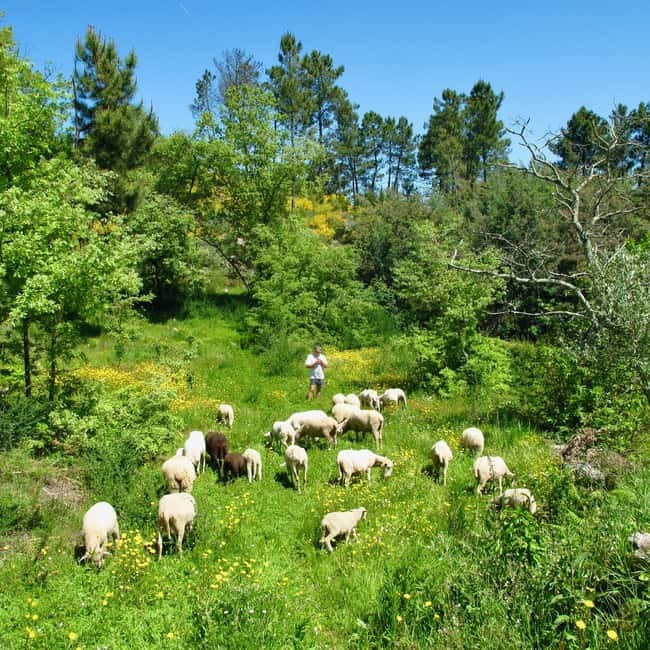
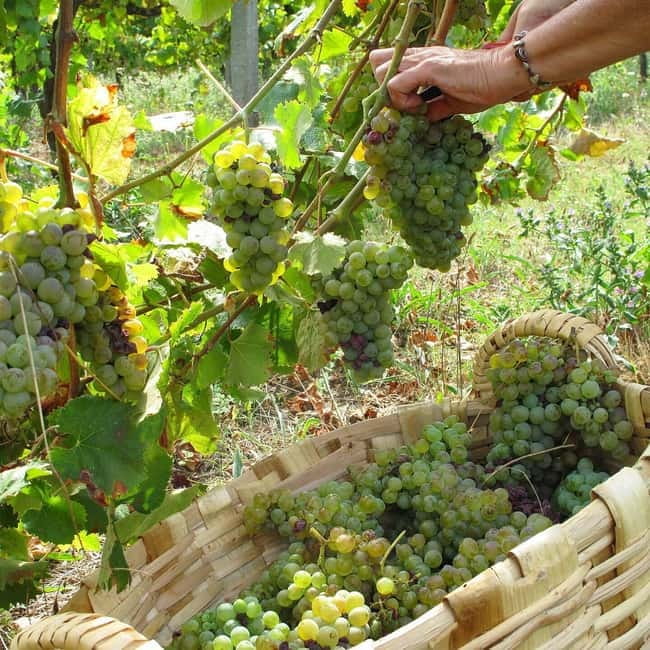
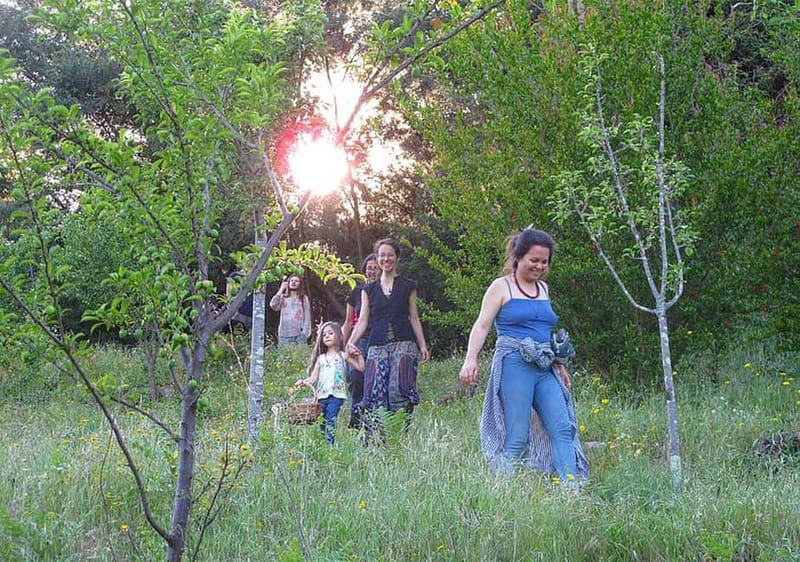
After the welcome, you head out for the farm tour and harvesting time. This is where the day earns its farm-to-table label. You don’t just hear about ingredients—you pick them and see what grows nearby.
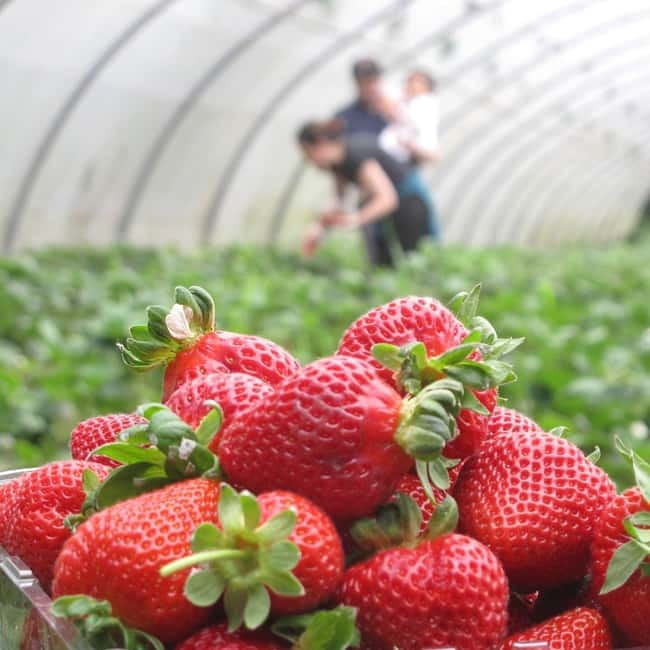
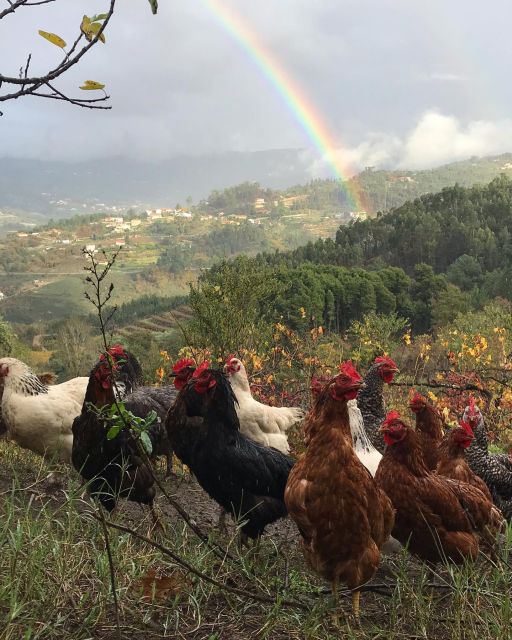
In the stories people share, you’ll likely meet animals like cows, pigs, hens (including roosters), and sheep. Expect that orchard and garden energy too. Several guests highlighted picking fruit such as strawberries, plus other bites from trees along the way (lemons, persimmons, and similar seasonal finds).
This part matters for two reasons:
- You learn what the ingredients are like before they become food on your plate.
- You cook with a mental map, so the dishes feel personal rather than generic.
The farm also carries a reality you can’t fake. Fire damage is part of their story. People describe being shown what the recovery process looks like and what rebuilding takes in both time and effort. You’ll still have fun—but the warmth lands deeper because you understand what you’re supporting.
Traditional cooking class: hands-on, no fancy tricks required
Then you get into the real work: the traditional cooking lesson. This is a three-course Portuguese meal cooked together with the host. The style is practical, not performative. One person even noted there weren’t printed recipes—more of a relaxed, hands-on flow as you chop, mix, and learn by doing.
What might you cook? Dishes described by guests include a tomato-onion soup with a poached egg, a codfish main (sometimes described with fries), and several dessert styles centered on eggs and custard. Desserts mentioned include lemon egg custard and sweet egg noodle-based treats, plus the kind of holiday dessert prep where you help separate eggs for custard.
Here’s the value for you: this is Portuguese home-style cooking. You’re not just learning technique. You’re learning flavor logic—how they build meals around what’s available, seasonal fruit, olive oil, simple sauces, and comforting egg-based desserts.
Also, it’s a small-group setup (up to 10). That means more time for conversation, questions, and actual participation. If you like talking while you cook, this works well.
Shared lunch: the best part is eating together
After cooking, you eat what you made—together. This is one of those meals where the table becomes the center of the experience. You’ll sit down in a warm, welcoming setting and share food, conversation, and the stories behind the dishes.
Guests repeatedly mention that they arrive as strangers and leave feeling like they know the family. That’s not just sentiment. It’s the structure: you tour the farm, cook side by side, and then share the results. If you want a cultural experience that doesn’t feel awkward or staged, this meal format helps.
A nice detail here is that the wine doesn’t feel like a separate event. Green wine is part of the day, so the lunch sits in a natural rhythm: tastings, work, then a shared sit-down.
What to do with 4 hours: a realistic half-day plan
Four hours sounds short, but this format uses time well.
A typical flow looks like:
- Welcome tastings to start
- Farm tour and harvesting
- Cooking lesson for a full three-course menu
- Shared meal where you relax and talk
Because it’s timed to 4 hours, you can fit it into a regional day in Northern Portugal without losing an entire afternoon. It’s especially useful if you’re staying somewhere like Porto and want an authentic Douro-side activity that still has a clear finish time.
The downside of a fixed half-day: you don’t linger as long as you might on a private cooking day. If you want a slower pace with lots of free-roaming around the property, you might feel the schedule is a bit tight—but the benefit is that you still get the full meal and story in one shot.
Price and value: what you’re really paying for at $175 per person
At $175 per person for about four hours, you’re paying for several things at once:
- A guided farm tour
- A hands-on cooking class
- A full three-course meal
- Wine included
- A small-group setting (max 10)
The value is in the combo. Many cooking classes give you a meal. This one gives you the sourcing story too—harvesting ingredients, meeting animals, and hearing how the farm operates and rebuilds.
It also feels like a direct-support type of activity. The wildfire recovery detail isn’t just a background note. It’s part of why the day exists. You’re contributing to rebuilding a working farm, not just funding someone’s event calendar.
Is it a bargain? No. But if you compare it to eating a great restaurant plus paying for a separate farm visit, the math starts to make sense—because you’re getting both experiences stitched together with food and wine.
Logistics that matter: parking, steep roads, and train timing
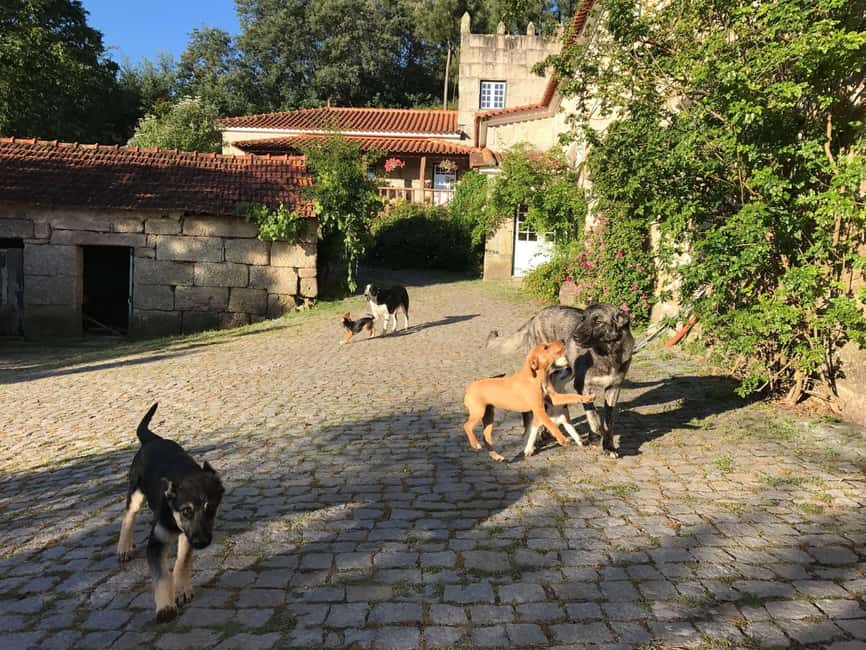
Transportation isn’t included, so it’s on you to handle the trip to the farmhouse.
By car: you park at the bottom of the hill, right in front of the farmhouse. That’s straightforward, but the approach is steep and hilly, so take it slow, especially if you’re driving near sunset.
By train: take the train to Marco de Canaveses (about a one-hour scenic ride), then take a short taxi ride to the farm. The hosts can arrange that taxi for your cost. One practical tip from real-world experience: message through the app in advance so the taxi is ready when you arrive. In this area, some drivers may not speak English well, and you’ll save yourself stress—and possibly money—by having the plan lined up.
If you’re coming from Porto and you like train travel, this option is often the easiest. Just don’t treat it as a last-minute plan. A little coordination saves a lot of waiting.
Best for families, food people, and story lovers
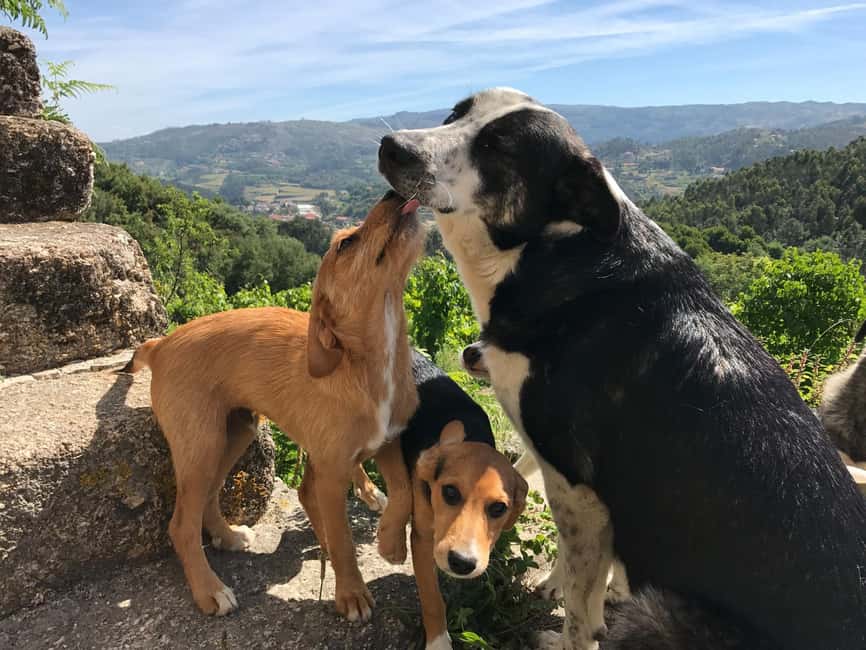
This tour tends to click with three types of visitors.
- Families: kids often enjoy running around and meeting animals. If you’re traveling with little ones, this is the kind of place where they can burn energy while adults cook and talk.
- Food-focused travelers: if you want Portuguese cuisine you can recreate at home later, this helps because you’re involved in prep and cooking, not just watching.
- People who care about place: the wildfire recovery story makes the day feel real. You’ll learn how farms bounce back, and why food is tied to more than taste.
Who might not love it? If you’re trying to cram in extreme sightseeing every hour, this is still a farm-based day that asks you to slow down. Also, if cooking is your least favorite activity, you might feel a three-course hands-on lesson is more work than you wanted.
Small group energy: conversation, language options, and learning without pressure
With a maximum group size of 10, the day feels personal. In a bigger group, you’d lose half the charm. Here, Fabio can talk while teaching and everyone gets a chance to participate.
Language options are Portuguese, English, French, and Spanish, with the instructor leading in those languages. That’s a big deal if you’re not traveling in Portuguese day-to-day. You’ll be able to ask questions about ingredients and techniques without guessing.
Also, the way people describe the host vibe is consistent: lots of conversation, a relaxed pace, and genuine hospitality. You’re not herded. You’re included.
A quick packing checklist so you enjoy the farm part
You don’t need hiking gear, but you do need comfort.
- Wear sneakers or other shoes that can handle farm paths
- Bring sunscreen if the sun is out
- Show up hungry, because the day includes a lot of food
- Wear something you don’t mind getting a little farm-kitchen dust on
This is practical advice because the tour includes harvesting and animal time. It’s not a museum visit where you stay dry and clean the whole time.
Should you book Quinta de Louredo cooking class and farm tour?
I’d book it if you want a real farm meal, not just a cooking performance. The best reason is the mix: harvesting + animals + a hands-on three-course Portuguese lunch with wine, all in a small group.
I’d think twice if you can’t handle the logistics of self-arranged transport. Since transportation isn’t included and the farm is accessed via a steep approach, it helps to have a clear plan for getting there (especially by train and taxi).
If you’re celebrating a birthday, traveling with family, or simply chasing one memorable Douro-area day that feels personal, this hits the mark. You come to cook. You leave with food, stories, and a connection to a farm still rebuilding.
FAQ
How long is the experience?
It lasts 4 hours. The exact starting times depend on availability.
What’s included in the $175 per person price?
The price includes the instructor, farm tour, cooking lesson, a 3-course meal, and wine.
Is transportation included?
No. Transportation to and from the farmhouse is not included.
How many people are in the group?
The group is small, limited to 10 participants.
What languages does the instructor speak?
The instructor can teach in Portuguese, English, French, and Spanish.
What do we eat during the experience?
You cook and enjoy a traditional 3-course Portuguese meal. Wine is included, along with a welcome tasting.
Where do I meet the host if I’m driving?
If you arrive by car, you can park in front of the farmhouse at the bottom of the hill, and the host will meet you outside.
Where do I meet the host if I’m arriving by train?
Take the train to Marco de Canaveses, then use a short taxi ride. The host can arrange the taxi for your cost.
Can I cancel and get a refund?
Yes. You can cancel up to 24 hours in advance for a full refund.