REVIEW · LUZON
Private Filipino cooking class in a local Manila Home
Book on Viator →Operated by Traveling Spoon · Bookable on Viator
Cooking in a real Manila home beats tours. In Isi’s private kitchen, I like the hands-on ingredient picking in her garden and the undivided attention from a local cook who knows the food behind the flavors. The main thing to consider: this isn’t a formal, commercial cooking school, so expect a warm home setup and an authentic pace rather than a scripted class.
In about 3 hours, you’ll learn how Filipino cooking tastes work in real life—citrus, chilies, coconut milk, and fish sauce—then you sit down to eat what you made. You can also choose a hands-on lesson or a cooking demonstration, and there’s a vegetarian option if you tell them ahead of time.
In This Review
- Key things to know before you go
- A private Filipino cooking class that feels like being invited in
- From Taguig to the garden: calamansi and lemongrass first
- How the class runs in 3 hours (and how you can steer it)
- The likely menu: what each dish teaches you about Filipino flavors
- Eating what you made: lunch or dinner, plus beer
- Price and value: what $90 buys in a private-home setup
- Who this experience suits best
- Practical tips so you get the most out of your day
- Should you book this Filipino cooking class in Isi’s Manila home?
- FAQ
- FAQ
- What is the duration of the Filipino cooking class?
- Where does the experience start and end?
- Do I need to arrange my own transport?
- Can I choose hands-on cooking or watching?
- Is a vegetarian option available?
- What’s included in the price?
Key things to know before you go
- Meet Isi in her chef’s Manila home for a true local-food experience, not a restaurant-style class
- Pick ingredients from a small garden, including calamansi and lemongrass
- Choose hands-on cooking or a demonstration based on your comfort level
- Cook family-style recipes built around Filipino basics like garlic, chilies, coconut milk, and fish sauce
- Finish with lunch or dinner plus homemade calamansi pie
- Small-group, private format so you get your questions answered
A private Filipino cooking class that feels like being invited in
Manila has plenty of food tours. This one is different because it happens in a real home, led by Isi. She’s spent more than ten years in the food world—recipe work for dairy companies and restaurants, plus food styling and photography, and selling spices online. She also recently started Chili Asylum, focused on fresh chilies and chili products sourced directly from Filipino farmers. That matters because you’re not just learning recipes; you’re meeting someone who’s thinking about ingredients and sourcing in a practical way.
What I like most is how personal the experience is. You get your own guide-host, in a private setting, with time to ask questions as you cook. And because you’re learning in a family-kitchen rhythm, Filipino food comes across as something lived-in: citrus for brightness, chilies for heat, coconut milk for comfort, and salt-fish sauce for depth.
The possible snag is the home setting. If you’re expecting stainless-steel stations, strict timing, and a polished classroom vibe, this may feel more casual than you’re used to. But if you want local food culture—where the learning happens while the meal comes together—that casual tone is part of the charm.
You can also read our reviews of more tours and experiences in Luzon.
From Taguig to the garden: calamansi and lemongrass first
You start at Taguig, Metro Manila, with the activity ending back where it begins. There’s no hotel pickup, so plan to get there under your own steam. Once you arrive, Isi takes you into her home world: you’ll head to her small vegetable garden to pick ingredients used in Filipino cooking.
Two ingredients get special attention. Calamansi is a distinctive Filipino citrus fruit, used for bright flavor that feels both tangy and aromatic. Lemongrass brings a clean, lemony note that helps Filipino dishes taste layered rather than flat. You’re not just grabbing produce for show—you learn where it fits in the flavor logic of the meal.
This garden stop also helps you connect the class to what you’ll taste later. When you add calamansi to a dressing or use it to flavor a dish, you’ll remember the exact fruit you picked. That connection turns the lesson into something you can repeat at home, even if your kitchen doesn’t have a backyard harvest.
If you’re the type who likes learning through sourcing and tasting rather than memorizing steps, this part is a highlight.
How the class runs in 3 hours (and how you can steer it)
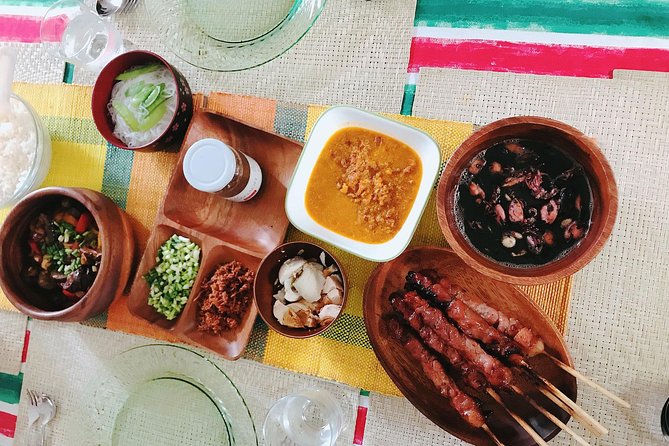
This experience is designed to be ~3 hours, private for your group only. You’ll typically start with ingredients and instruction, then move into cooking. Isi gives you the option to tailor the experience: you can do a hands-on lesson or watch a cooking demonstration while she prepares the meal.
For many people, hands-on is the sweet spot. It’s also where you’ll likely get the most value from paying for a private format, because you can do real prep work instead of passively observing. If you prefer a lighter touch—maybe you’re not comfortable chopping or working with sauces—watching can still be great, especially when you’re trying to understand technique and flavor building.
The format is also built for conversation. Isi has a family lineage to her cooking knowledge; she says she learned everything she knows from her Nanay (grandmother) who cooked fresh lunches and dinners daily. That’s why the lesson tends to explain not just what to do, but why Filipino food tastes the way it does.
And because the group is private, you can ask practical questions on the fly: how to balance sour, salty, and spicy; how to adjust coconut milk thickness; what to look for when protein is cooked through. That’s hard to get in a larger group or a restaurant cooking demo.
The likely menu: what each dish teaches you about Filipino flavors
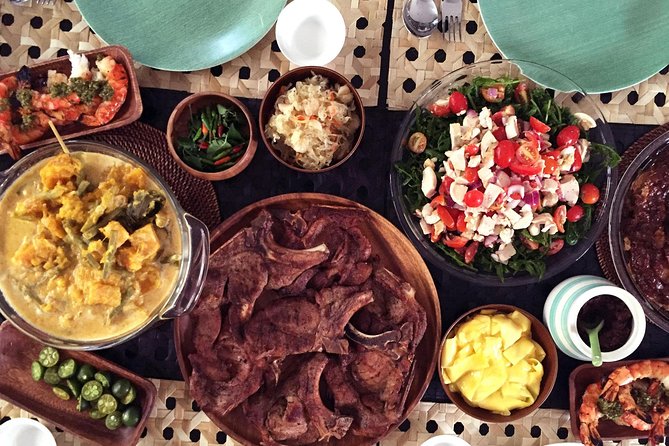
Your exact menu can vary, but you can usually expect a mix of fresh, savory, saucy, and grilled flavors. Here are dish types that might appear, and what they teach you as you cook.
Ensaladang pako
This is a local fern salad dressed with calamansi and raw honey. If you’ve never worked with bittersweet greens, this is an eye-opener. You’ll see how calamansi adds brightness that keeps the salad from feeling heavy. It’s also a useful lesson on balancing acidity with sweetness.
Grilled shrimp with a cilantro chimichurri (Isi’s creation)
This is where Filipino grilling energy meets a herb-forward sauce. You’ll learn how a chimichurri-style sauce can be a bridge: it makes a simple grilled protein taste restaurant-level without complicating the main cook.
Ginataang kalabasa at sitaw
Think squash and green beans in a coconut milk stew. It’s comforting, but not dull. The lesson here is texture: coconut milk should thicken and coat, while the vegetables stay distinct. If you’ve had bland coconut dishes before, this one helps you understand the flavor base that Filipino cooks build on.
Mechado
Soy-marinated beef cooked in an onion and tomato sauce. Mechado is a clear example of how Filipino cooking uses sauces as the flavor engine. You’ll learn how onion and tomato create a foundation that holds onto savory flavor instead of just tasting like chopped aromatics.
Inihaw na baboy
Grilled pork chops. This teaches meat basics: seasoning, timing, and how grilling brings a smoky edge that makes sauces or citrus feel even brighter afterward.
Calamansi pie for dessert (made by Earnest)
This is a sweet ending that also ties back to the citrus lesson. Calamansi pie gives you a reason to remember the fruit beyond savory dishes. It’s made by Isi’s best friend, Earnest, so dessert here isn’t an afterthought—it’s part of the household rhythm.
You’ll notice a pattern across the menu: even when dishes differ, you keep seeing garlic, chilies, calamansi, coconut milk, and fish sauce in different roles. That repetition is what makes the learning stick. You start to understand Filipino flavor as a system, not a random collection of dishes.
Eating what you made: lunch or dinner, plus beer
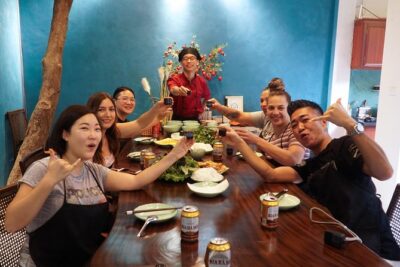
After cooking, you sit down and enjoy the meal you prepared. This is one of the most “you’ll remember it later” parts of the experience. Food classes often treat the meal like a reward. Here, it’s part of the learning cycle: cook, taste, adjust mentally, then eat fully.
You’re also included with beer. That’s not just an extra perk; it’s part of how Filipino meals often flow socially. If you prefer not to drink, you can still enjoy the food and conversation—just be clear about what you want.
And the dessert timing matters, too. Calamansi pie at the end gives a clean finish that keeps the citrus theme consistent. If you end up cooking any of the calamansi-tied dishes, dessert becomes a second lesson: you’ll notice how the fruit behaves as a sweet flavor rather than an acidic dressing.
This shared meal is also where you’ll get the biggest “local home” feeling. You’re not lining up in a buffet line or eating behind glass. You’re eating in a domestic space, with the person who cooked alongside you—Isi—ready to answer questions while you chew.
Price and value: what $90 buys in a private-home setup
At $90 per person, this is not a bargain-basement activity. But it also isn’t priced like a factory tour. Here’s how I think about value.
You’re paying for three things:
- A private experience in a real home, with no shared class format
- A host who brings real food-industry experience and a family cooking foundation
- A full meal component (lunch or dinner) plus included beer, with taxes and handling covered
Duration also matters. At about three hours, you’re not getting a quick taste-and-go. You’re learning, cooking, then eating. That makes the price feel more justified than shorter classes, especially if you’re someone who wants practical recipes you can actually recreate.
One more value point: vegetarian options exist, but you have to ask at booking. That means the class can be tailored, rather than leaving you with a sad substitute plate. If you have dietary needs, this private format is usually where you’ll get the most respectful adjustments—if you communicate early.
If you’re traveling as a couple or small group, private-home cooking can feel like a standout deal compared to multi-person group classes where half the time is spent watching.
Who this experience suits best
This cooking class fits you if you want:
- Authentic Filipino food culture in a home setting
- A chance to learn how ingredients work together, not just follow steps
- Plenty of interaction and time for questions
- A meal you can talk about afterward, because you cooked it
It may be less ideal if you want:
- A strictly professional, studio-style cooking class
- A long menu with advanced techniques (this is a family-home experience in a limited time window)
- Hotel pickup and drop-off convenience, since you’ll start and end back at Taguig
Best fit: food lovers who like conversational learning, couples, friends, and anyone who wants to go beyond eating Filipino food and actually understand the flavor method.
Practical tips so you get the most out of your day
A few small choices will help you get more value from the class.
Dress code is smart casual, so aim for comfortable clothes you can move in. You’ll likely be handling ingredients and cooking tasks, so think about shoes and sleeves. Bring questions—seriously. Isi’s background spans recipe creation, styling, photography, and selling spices online, which means she’s good at explaining the practical side of ingredients and sourcing.
If you want hands-on cooking, say so. If you’re a nervous first-timer, choose demonstration and then do small tasks when you’re ready. Either way, you’ll learn how dishes come together.
If you’re vegetarian, plan ahead. The vegetarian option is available, but you need to advise at booking, plus mention any dietary requirements.
Finally, this class can be a great “culture meal” even if you’re only in Manila briefly. Three hours is manageable, and you leave with recipes and flavor knowledge you can reuse.
Should you book this Filipino cooking class in Isi’s Manila home?
I’d book it if your goal is a warm, local-food experience with personal attention. The big win is the way you connect ingredients to flavor: calamansi and lemongrass from Isi’s garden, then a menu built around Filipino family dishes. The cooking happens in a home kitchen, and the meal is part of the lesson, not just the payoff.
The only reason I’d hesitate is if you need a formal, structured cooking-school setup or full transportation convenience. If you can get yourself to Taguig and you’re happy with a home-style learning vibe, this is the kind of meal memory you’ll still be talking about at dinner back home.
FAQ
FAQ
What is the duration of the Filipino cooking class?
It runs for about 3 hours (approx.).
Where does the experience start and end?
It starts in Taguig, Metro Manila, Philippines and ends back at the same meeting point.
Do I need to arrange my own transport?
Yes. Hotel pickup and drop-off are not included, so you’ll need to make your own way to the meeting point.
Can I choose hands-on cooking or watching?
Yes. You can choose between a hands-on lesson and a cooking demonstration, and you should tell Isi your preference.
Is a vegetarian option available?
Yes. A vegetarian option is available, and you should advise at booking.
What’s included in the price?
The class includes private instruction with Isi, lunch or dinner, beer, and all taxes, fees, and handling charges, plus gratuities.