REVIEW · LEFKADA
Traditional Greek Cooking Class @ Lefkada Micro Farm
Book on Viator →Operated by Lefkada Micro Farm · Bookable on Viator
Cooking starts in the soil. At Lefkada Micro Farm, I love the farm-to-table pace and the chance to learn regenerative farming before you cook. And I love the open-air kitchen with a wood-burning oven where simple ingredients turn into genuinely comforting Greek food.
One heads-up: this experience is outdoors and depends on good weather, so you may need a different date if conditions aren’t right.
In This Review
- Key highlights before you go
- Why this Lefkada class feels different than a standard cooking tour
- Lefkada Micro Farm’s open-air museum stop: learn the food before you cook it
- The open-air kitchen: wood-fired basics and why they taste better
- What you’ll make: bread, tzatziki, and Greek salad
- Briam in the wood oven: the main dish where everything clicks
- Farmer’s Table: eating together is the whole point
- Price and value: what $152.58 buys in real-world terms
- Practical tips to help your day go smoothly
- What to expect time-wise
- What to bring (and what to wear)
- How to get the most out of the class
- Allergies and dietary needs
- Who should book this cooking class—and who might skip it
- Should you book Lefkada Micro Farm’s Traditional Greek Cooking Class?
- FAQ
- FAQ
- How long is the Traditional Greek Cooking Class @ Lefkada Micro Farm?
- What is the group size limit?
- Is the class offered in English?
- What’s included in the cooking experience?
- Where do I meet for the class?
- Is it a mobile-ticket experience?
- What if I have allergies or dietary restrictions?
- What happens if the weather is poor?
- Is there a cancellation option if plans change?
Key highlights before you go
- Regenerative farming first: you learn how the farm works before you touch a recipe
- Wood-burning oven cooking: bread and roasted dishes keep that smoky, home-style feel
- Hands-on Greek classics: bread, tzatziki, Greek salad, and briam made together
- Small group size (max 10): enough space to ask questions without feeling rushed
- Farmer’s Table meal together: you share what you cooked in a family-style setting
- Warm welcome: coffee, fresh fruit, and cakes before the farm tour
Why this Lefkada class feels different than a standard cooking tour
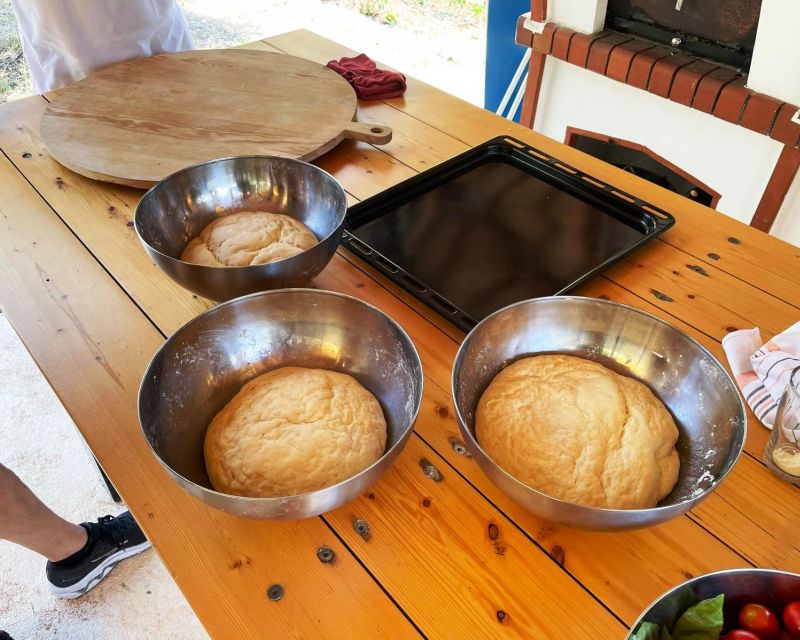
Most cooking classes teach recipes. This one starts earlier—right in the living system that feeds those recipes. You don’t just “learn Greek food”; you learn how seasonal ingredients and soil health shape what ends up on the plate.
I especially like that the class is built around a slow-living rhythm. There’s no frantic switch-flipping to show off techniques. Instead, you’re guided through simple steps that make sense once you understand where the food came from—and why it tastes the way it does.
You’ll also get a very personal vibe. The farm host you’ll meet, Andreas, brings real passion for the environment and our place within it. Add his mom and the chef into the mix, and the day feels like a small family operation rather than a production line.
Lefkada Micro Farm’s open-air museum stop: learn the food before you cook it
Your tour begins at Lefkada Micro Farm, at Ε.Ο. Νυδριου Βαυκερής Ράχη, Nidri 311 00, Greece. The start-to-finish setup is straightforward: you meet there, and the activity ends back at the same meeting point.
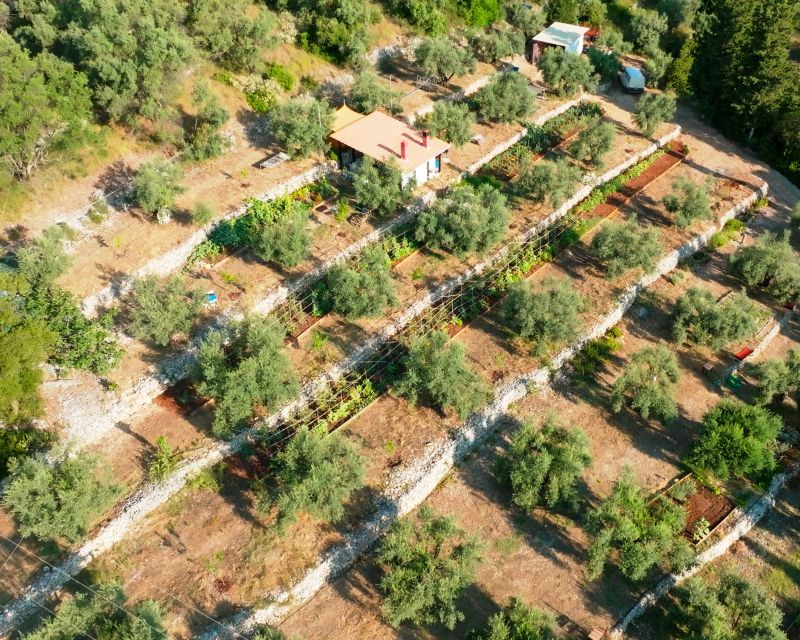
The first big moment is the farm experience itself—think open-air museum energy, but with purpose. You’ll walk the land and learn about the farm’s regenerative practices, designed to keep the ecosystem healthy. This matters because it changes how you look at what you’re about to cook. Ingredients stop being generic “tour food” and start being seasonal, local, and time-dependent.
Then comes the part that ties learning to eating: you’ll harvest seasonal, organic ingredients for your meal. It’s one of those quietly powerful steps. Once you pick (or watch the picking of) what’s going into your food, you’ll notice details—like what’s fragrant, what’s tender, and what tastes best roasted versus chopped.
If you arrive a bit early, you might also get a chance to feed the animals. That’s the kind of extra moment that makes the day feel friendly and unhurried.
The open-air kitchen: wood-fired basics and why they taste better
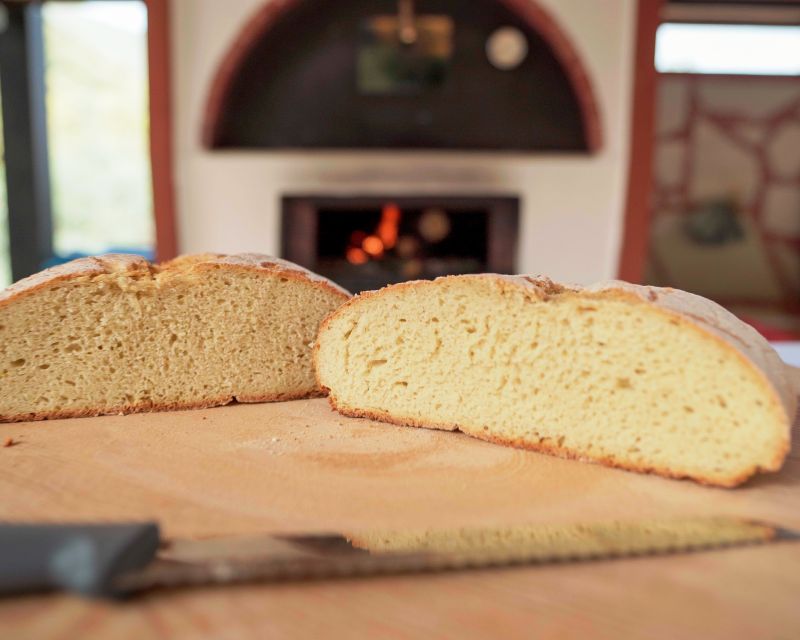
After the farm portion, you move into the open-air kitchen. This is where the class shifts from “how food grows” to “how Greek food comes together.”
The focus here is on freshness, seasonality, and simplicity. You won’t be forced into advanced culinary gymnastics. Instead, you’ll learn how a few smart ingredients—especially good olive oil—can do the heavy lifting.
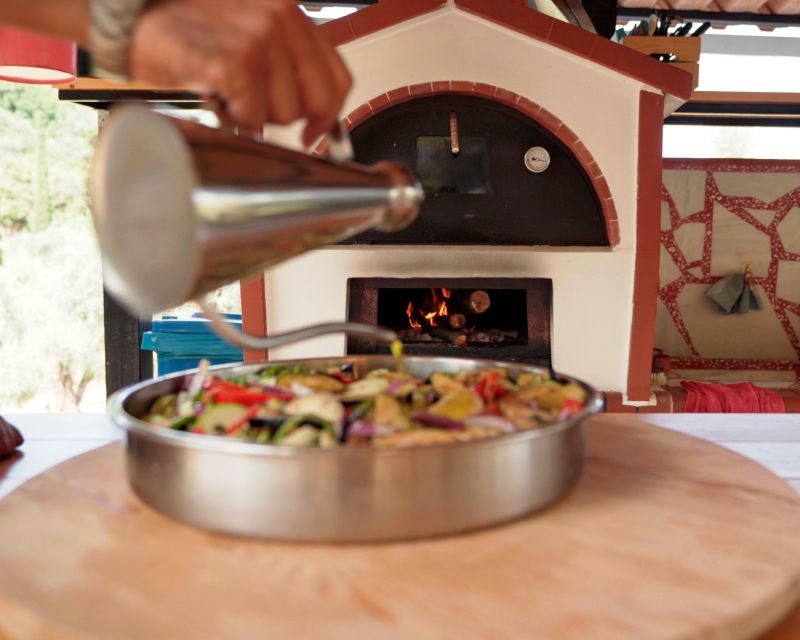
And yes, the oven matters. Cooking in a wood-burning oven isn’t just a gimmick. Heat distribution and the slight smokiness give dishes a distinct character. Bread baked this way doesn’t just smell good—it pulls flavor into the crust and keeps that homemade texture you rarely get from standard oven-baking.
What you’ll make: bread, tzatziki, and Greek salad
Your sample menu is built around a classic Greek flow: start with bread and dips, then move into fresh, bright salad, then roast for the main.
- Bread baked in the wood-burning oven: Expect a real, hands-on bread moment rather than a pre-made starter. The big win is flavor—made to match the meal you’re about to eat.
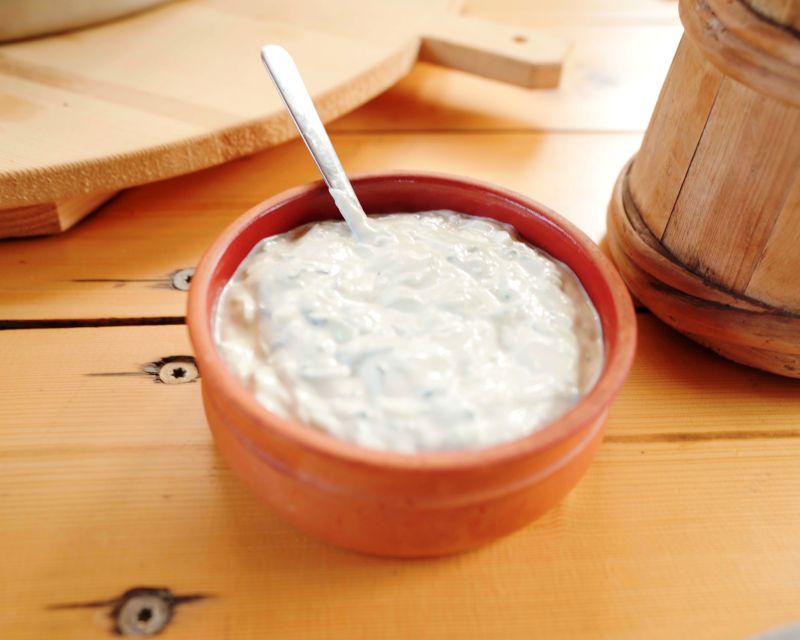
- Tzatziki with farm-to-table vegetables and sheep’s yoghurt: This is Greek comfort food with a farm twist. Sheep’s yoghurt brings a distinct tang and richness compared with many cow’s-milk versions.
- Greek Salad with farm-to-table vegetables, goat cheese, oregano, and original Extra Virgin Olive Oil: The olive oil here is front and center, and the overview specifically calls out an award-winning style of olive oil used on the farm.
A good Greek salad is less about complicated instruction and more about timing and quality. When you’re using ingredients that were grown on-site and handled with care, you don’t need drama—you just need restraint. That’s exactly what this class teaches.
Briam in the wood oven: the main dish where everything clicks
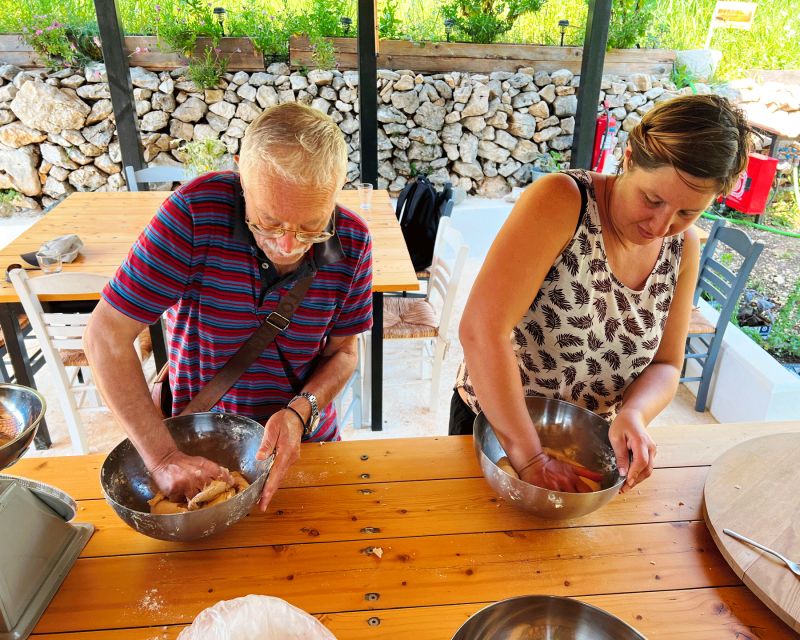
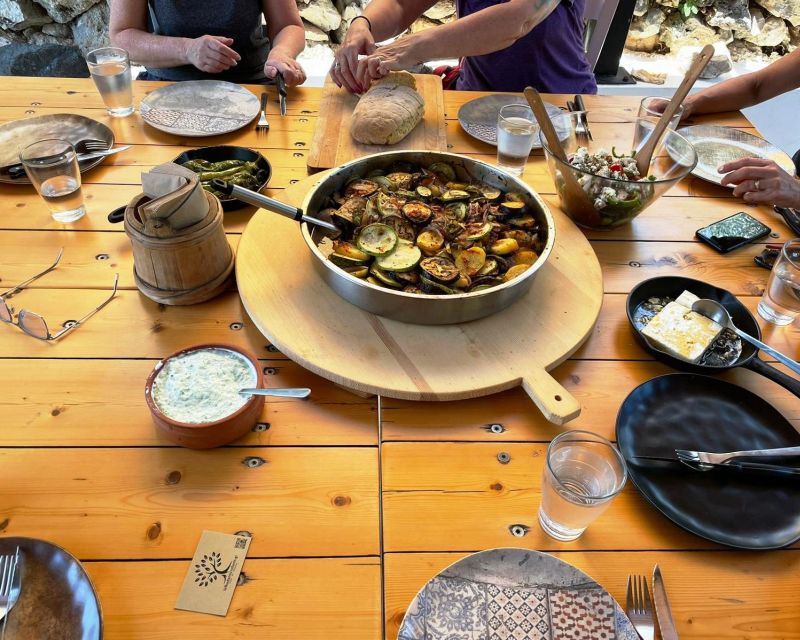
For the main, you’ll cook Briam—mixed vegetables roasted in the wood-burning oven. Briam is a great choice for a farm class because it rewards good produce. You can’t fake vegetable flavor with fancy technique.
Roasting also changes the texture in a way that feels very Mediterranean: edges soften, sweetness comes out, and the whole dish turns comforting and cohesive. It’s the kind of meal that works even if you’re not a “foodie.” You’ll taste why this is a staple style of cooking in the region.
What I like about having the main roasted after starters is how it keeps the day flowing. First you build flavor with bread and fresh, tangy elements. Then you end with warmth and depth. It’s simple pacing that makes the meal feel complete.
Farmer’s Table: eating together is the whole point
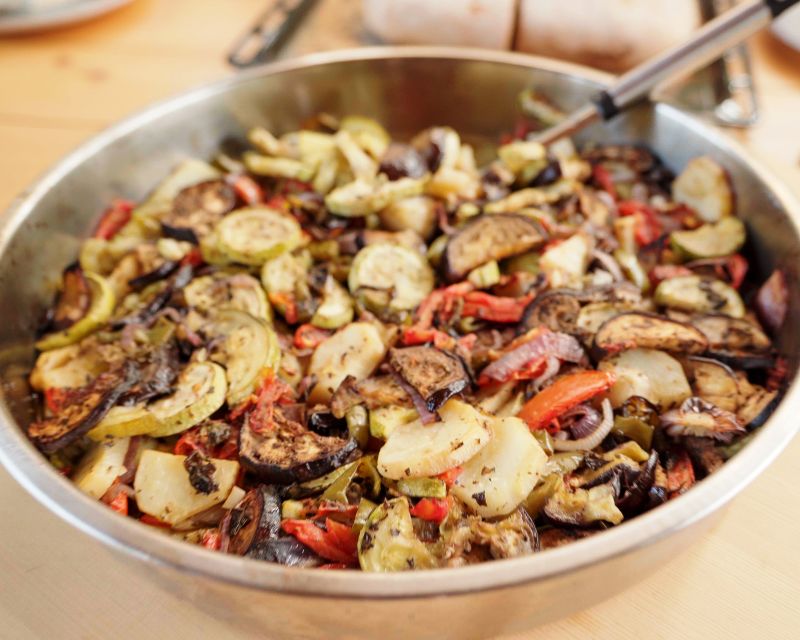
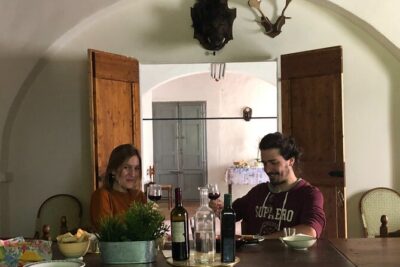
Once everything is cooked, you gather for a shared meal at the Farmer’s Table. It’s family-style in spirit—everyone eats what you made, together.
This part is more than just sitting down. It’s where the farm story lands. After learning about regenerative practices and harvesting ingredients, you get to taste the results immediately, with the people who grew and cooked it. You’re not waiting days to remember what you ate; you’re eating the lesson while it’s still fresh.
The atmosphere tends to feel relaxed. One of the best signals from the feedback is that the host team keeps things easygoing: plenty of conversation, no pressure, and a clear “slow living” vibe. That matters in a short 4-hour activity, because it determines whether the day feels like a rushed class or an actual experience.
Price and value: what $152.58 buys in real-world terms
At $152.58 per person for about 4 hours, this class isn’t the cheapest meal you can take in Lefkada. But it’s not priced like a mass-produced tourist show either.
Here’s why it can still feel like solid value:
- You get a full farm-to-table arc: learn regenerative farming, harvest seasonal organic ingredients, then cook and eat them.
- You cook multiple courses: bread, tzatziki, Greek salad, and briam aren’t just watched—you’re part of the process.
- Small group size (max 10): more time with the host and chef, and less chance that you’ll be left standing on the sidelines.
- Wood-burning oven cooking: that ingredient-to-heat-to-flavor chain isn’t “included” in every cooking class price.
If you’re the kind of traveler who enjoys food culture that’s grounded in daily life—not just presentation—this price starts to make sense. You’re paying for time, ingredients grown on-site, and teaching that connects the dots.
Practical tips to help your day go smoothly
What to expect time-wise
Plan on about 4 hours. You’ll start at Lefkada Micro Farm and finish back there. Because it’s outdoors and weather-dependent, I’d avoid pairing it with another tight, time-sensitive plan right before or after.
What to bring (and what to wear)
Comfort matters. Wear shoes you’re happy to walk in on farm ground. If you’re there in warm weather, bring water and something light for sun. If the day cools down, being outdoors can feel chilly even if the sun returns later.
How to get the most out of the class
Come with curiosity, not a rigid idea of what you want to learn. Ask questions about why ingredients work the way they do—especially olive oil and yoghurt. The host team’s passion is part of the value, and you’ll feel it most when you engage.
Allergies and dietary needs
If you have allergies or dietary restrictions, you should let them know in advance. The class information explicitly asks you to flag these ahead of time, so you can get the right handling.
Who should book this cooking class—and who might skip it
This is a great fit if:
- You want authentic Greek flavors tied to where the ingredients actually come from
- You like practical food experiences—hands-on cooking and eating together
- You prefer small groups and relaxed teaching over big, structured tours
You might consider a different option if:
- You’re only comfortable with fully indoor activities (the experience is outdoors)
- You want a highly technical cooking class with lots of advanced culinary instruction (this one stays focused on simplicity and connection)
Still, even if you’re not an experienced cook, the structure supports beginners. The dishes are approachable, and the day’s rhythm gives you time to participate without feeling overwhelmed.
Should you book Lefkada Micro Farm’s Traditional Greek Cooking Class?
I’d book it if you’re looking for a meal you can feel in your memory for reasons beyond taste. The combination of regenerative farm learning, wood-burning oven cooking, and a shared Farmer’s Table meal makes the whole thing feel like a real day on a working farm—not a scripted demo.
It also works well as a meaningful Lefkada day when you’re tired of checklists and want something that feels local. Yes, weather can affect plans. But when it runs, the experience is built around what Greek food does best: fresh ingredients, olive oil, and simple cooking done with care.
FAQ
FAQ
How long is the Traditional Greek Cooking Class @ Lefkada Micro Farm?
It runs for about 4 hours.
What is the group size limit?
The class has a maximum of 10 travelers.
Is the class offered in English?
Yes, it’s offered in English.
What’s included in the cooking experience?
You’ll cook bread baked in a wood-burning oven, tzatziki, Greek salad, and briam, then share the meal together.
Where do I meet for the class?
The meeting point is Lefkada Micro Farm, Ε.Ο. Νυδριου Βαυκερής Ράχη, Nidri 311 00, Greece.
Is it a mobile-ticket experience?
Yes, it includes a mobile ticket.
What if I have allergies or dietary restrictions?
You should let the organizers know about any allergies or dietary restrictions.
What happens if the weather is poor?
The experience requires good weather. If it’s canceled due to poor weather, you’ll be offered a different date or a full refund.
Is there a cancellation option if plans change?
Yes. You can cancel for a full refund up to 24 hours before the experience’s start time.