REVIEW · LUZON
Private Market Tour and Filipino Cooking Class in Manila with Isi
Book on Viator →Operated by Traveling Spoon · Bookable on Viator
Calamansi on your hands by 10 a.m. I love the mix of market shopping and cooking at Isi’s home, and I love that you’ll pick up practical tips you can use later. One consideration: you’ll handle your own transport to the Taguig meeting point since there’s no hotel pickup or drop-off.
This experience is built around real Filipino flavor sources. You’ll see Isi’s small vegetable garden (including lemongrass and calamansi), then ride to her home to cook with ingredients guided by the kinds of flavors you’ll keep tasting—calamansi, garlic, chilies, coconut milk, and fish sauce.
It’s also a good value if you want something personal, not a big group class. At $120 per person for about 4.5 hours, you’re getting a private market tour plus a cooking lesson, and it’s rated 4.7 with 93% recommending (15 reviews).
In This Review
- Key things to know before you go
- Manila Market Tour With Isi: Finding the ingredients behind the flavors
- A small thing to plan for: getting there
- Isi’s home garden: lemongrass, calamansi, and real cooking context
- Filipino cooking class at home: choosing hands-on or watching the technique
- What I’d expect you to pay attention to
- The meal you make: how the menu ends with calamansi pie
- Why this is more than a class
- Vegetarian and gluten-free: how to make it work for your diet
- Drinks, the pace, and what “private” really means here
- Price and value: is $120 per person worth it in Manila?
- Best fit: who should book this Isi Manila experience?
- Should you book this Manila market tour and cooking class with Isi?
- FAQ
- Where does the experience start and end?
- How long is the Manila market tour and cooking class?
- Is this a private experience?
- Do I get to cook, or can I watch?
- Are vegetarian or gluten-free options available?
- What’s included in the price?
- Is hotel pickup or drop-off included?
- Can I cancel for free?
Key things to know before you go
- Private, insider-style experience in a real home setting (not a professional studio class)
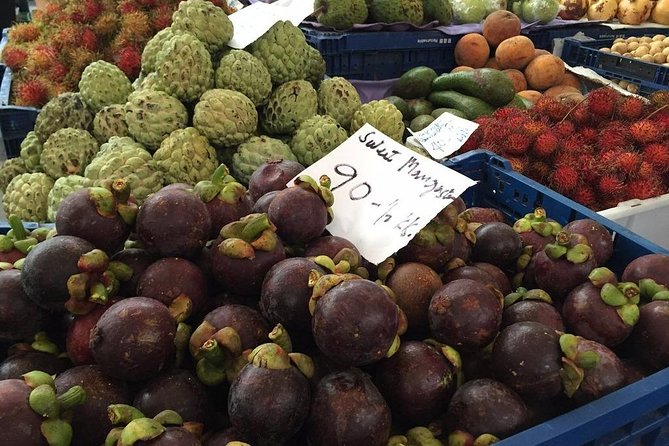
- Seasonal market sourcing with a focus on core Filipino ingredients
- Isi’s garden ingredients: lemongrass and calamansi
- Hands-on or demonstration: you choose how you’d like to participate
- Diet-friendly by request: vegetarian and gluten-free options are available
- Beer included, and wine may be possible if you ask during the cooking/eating part
Manila Market Tour With Isi: Finding the ingredients behind the flavors
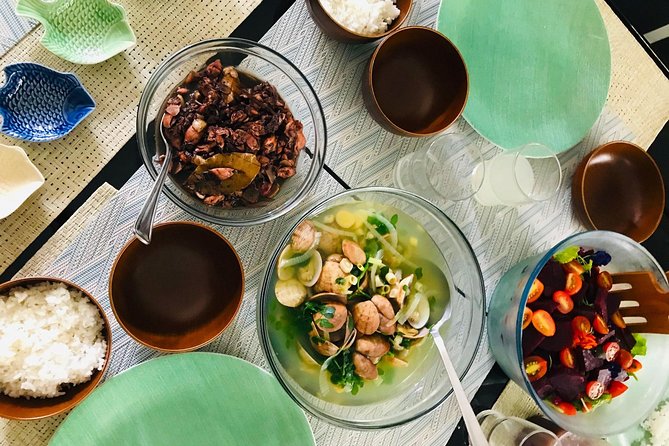
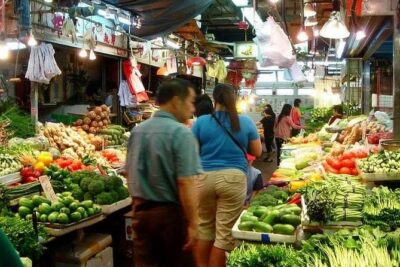
The best Filipino cooking starts long before a pot hits the stove. That’s exactly how this tour is paced: you begin in a local market with Isi, learning what goes into everyday Filipino dishes and what makes ingredients taste the way they should.
You’ll spend time with local and seasonal produce and other key items used in Filipino cooking. The practical value here is simple: once you understand what’s common in the market and why it’s used, you can shop smarter at home instead of guessing from a recipe list.
There’s also something cultural happening while you walk the stalls. You’re not just collecting ingredients like souvenirs. You’re learning how locals think about balance—sour (calamansi), savory depth (fish sauce), aromatic heat (garlic and chilies), and creamy richness (coconut milk). That’s the kind of “why” that sticks.
You can also read our reviews of more tours and experiences in Luzon.
A small thing to plan for: getting there
Because hotel pickup isn’t included, treat this as a “meet locally, then go together” kind of experience. If you’re staying outside the Taguig area, build in time to reach the meeting point on your own. The good news: it keeps the schedule focused and efficient.
Isi’s home garden: lemongrass, calamansi, and real cooking context
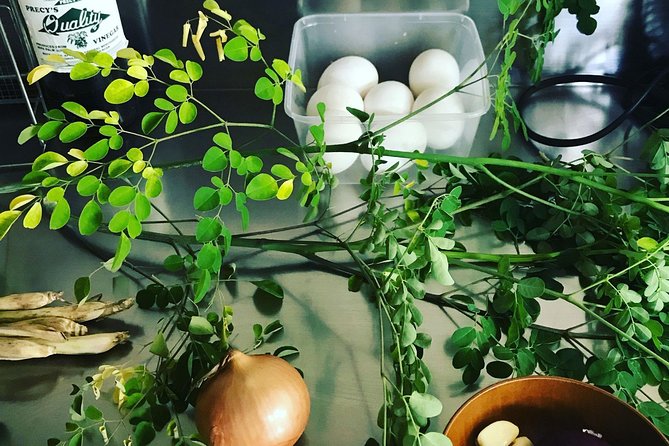
Before you touch a recipe, you’ll get a peek at how Isi grows some of the flavors she cooks with. She shows you her small vegetable garden, including lemongrass and calamansi—two ingredients that define a lot of Filipino food’s aroma and brightness.
This matters because calamansi isn’t just “a citrus.” It’s a signature sour note in many Filipino dishes, and it shows up in ways that are hard to replicate if you only use bottled alternatives. Seeing it in context (and hearing how it’s used) makes the cooking lesson more than steps—it becomes flavor logic.
From there, you move from the market to Isi’s home by car. This is a nice buffer if you’re doing this as part of a busy Manila schedule. Instead of walking all over, you get a short ride and arrive ready to cook.
Filipino cooking class at home: choosing hands-on or watching the technique
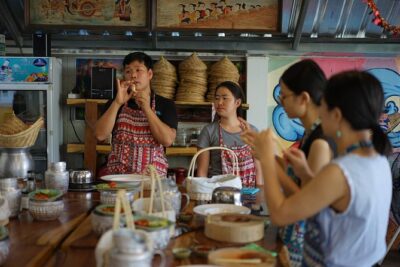
In Isi’s kitchen, the class style is intentionally relaxed. This is not presented as a professional cooking school with formal stations and strict pacing. It’s more of an insider glimpse—family recipes passed down, explained in a way that helps you understand what you’re doing, not just copy it.
You can choose between:
- a hands-on lesson (you cook)
- or a cooking demonstration (you watch)
Let Isi know your preference ahead of time. That choice changes the whole feel of the experience. Hands-on is best if you want to leave with muscle memory and stronger confidence cooking later. A demonstration is better if you’re tired, want to focus on technique and timing, or simply prefer learning by watching.
Either way, the goal is the same: you’ll learn the flavor-building approach behind Filipino dishes. With Filipino cuisine, that often comes from layering aromatics, balancing sour with savory, and using coconut milk to round out heat and tang.
What I’d expect you to pay attention to
Even without a full menu of specific dishes listed, you can still watch for patterns. Isi’s cooking is described as redolent with calamansi, garlic, chilies, coconut milk, and fish sauce. In practical terms, ask questions about:
- when sour is added (early for brightness vs later for a cleaner finish)
- how much garlic/chili to use so it feels warm, not harsh
- how fish sauce is treated as a seasoning rather than a flavor that dominates
These are the kinds of choices that separate “I made a recipe” from “I made something that tastes right.”
The meal you make: how the menu ends with calamansi pie
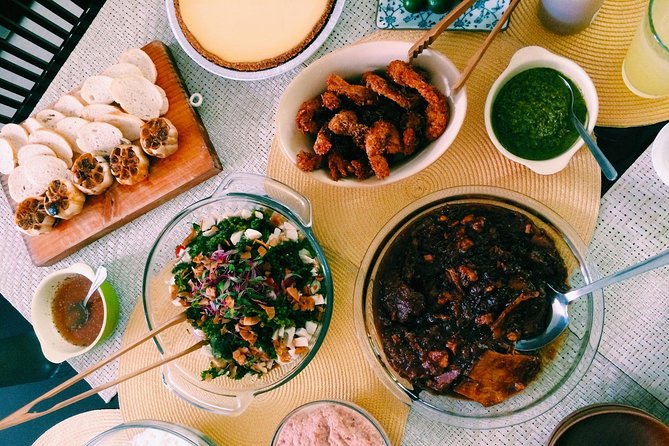
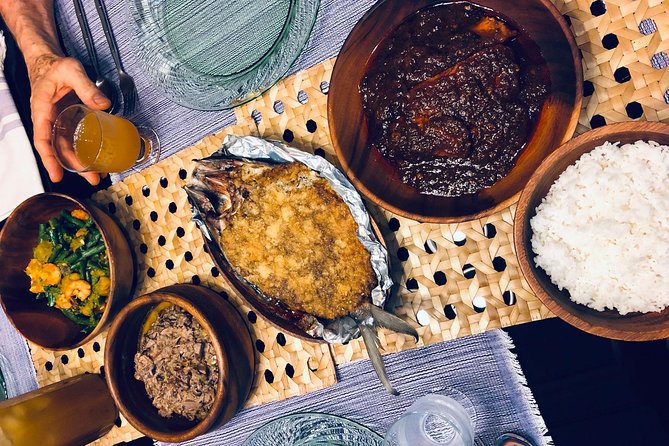
After the cooking, you eat what you helped prepare at Isi’s dining table. This is where the whole experience pays off. The flavors you learned in the market and on the garden tour stop being abstract and start being dinner.
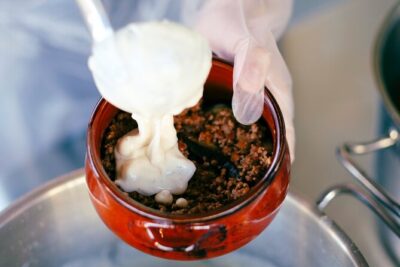
The menu includes a variety of homemade Filipino dishes and ends with dessert like calamansi pie. That dessert choice is smart. Calamansi brings the same bright citrus character you’ll recognize from savory dishes, so your taste buds get a consistent thread from start to finish.
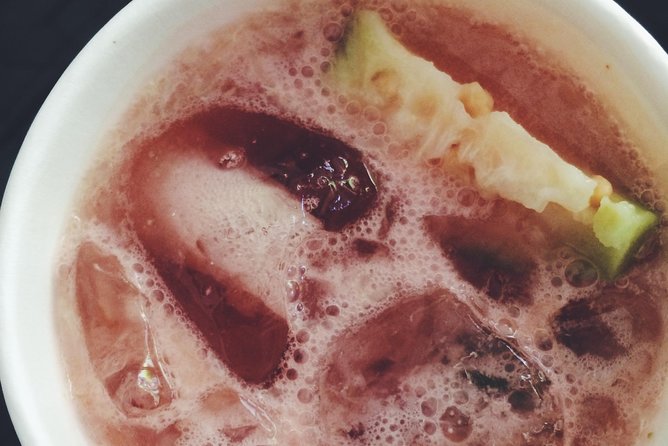
You’ll also be paired with drinks. Beer is included with the experience, and in at least one case, guests asked about having wine while cooking and eating and Isi brought quite a selection. If you like wine with meals, it’s worth asking in a friendly way once you’re seated—just don’t assume it’s automatically included.
Why this is more than a class
A lot of cooking tours stop at the workshop. This one folds the lesson into the meal, and that changes how you remember things. When you taste right after learning, your brain connects ingredients to outcomes fast—sweetness, sourness, salt, and spice.
Vegetarian and gluten-free: how to make it work for your diet
One of the more useful features here is that vegetarian and gluten-free options are available upon request. That means you don’t have to sit out the whole point of the day if your diet has restrictions.
When you book, tell the operator your needs clearly. If gluten-free is important, say it directly. If you’re vegetarian, confirm whether you’re okay with fish sauce or if you mean strictly meat-free—because many cuisines use fish sauce in small but important ways for flavor.
For me, the key value is that these options aren’t treated like a last-minute afterthought. They’re stated as available, so you should use that and communicate early.
Drinks, the pace, and what “private” really means here
This is a private tour, so only your group participates. That matters more than it sounds. You’ll be able to move at a conversational pace with Isi, ask ingredient questions while they’re relevant, and choose how involved you want to be during the cooking portion.
The total time is about 4 hours 30 minutes, starting at 9:30 am. That’s a good window for a vacation day because:
- you’re not committing to a full half-day with long commuting time
- you’ll still have plenty of afternoon energy for other Manila plans
Also, the tour uses a mobile ticket. That’s convenient if you’re already juggling maps, messages, and payment apps.
Price and value: is $120 per person worth it in Manila?
At $120 per person for roughly 4.5 hours, this isn’t a budget market-snack moment. It’s a full experience: you’re paying for private attention, market time, home cooking, and included beer plus the effort of adapting the menu if you request vegetarian or gluten-free.
Here’s the value equation that makes sense for the right traveler:
- If you want a market-to-table experience with local context, the price feels more fair.
- If you’re hoping for a casual group cooking demo with lots of free time or a flashy restaurant setting, you may feel it’s too focused.
- If you care about learning how to recreate Filipino flavors at home, this is where the money goes—into ingredient sourcing and teaching style.
Think of it as buying time with someone like Isi, plus ingredient access and a meal that you help create.
Best fit: who should book this Isi Manila experience?
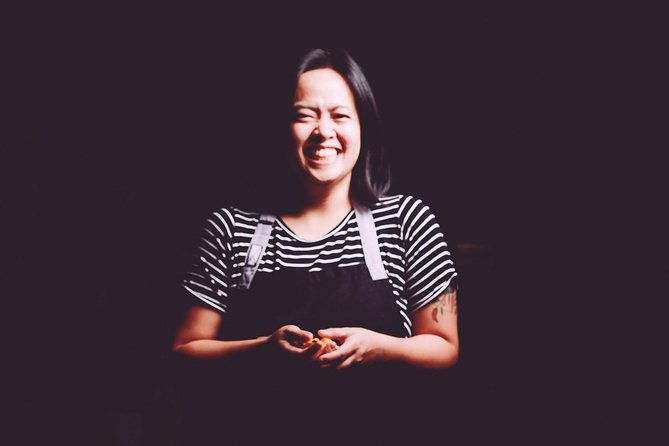
This works especially well if you:
- want an authentic Filipino food day that doesn’t feel touristy
- like learning from a home cook rather than following a scripted “class”
- enjoy market browsing and want to know what ingredients actually matter
- prefer private experiences where you can ask questions and choose hands-on vs watching
It’s also a good choice if you’re traveling with dietary needs, since vegetarian and gluten-free options are available on request.
If you’re the type who hates being in a kitchen for any reason, pick the demonstration option and treat it like a guided tasting-and-technique lesson. If you’re comfortable cooking and like getting your hands in, go hands-on so you leave with confidence.
Should you book this Manila market tour and cooking class with Isi?
If your goal is to bring home more than photos, I think this is a strong yes. The combination of market sourcing, a home-garden flavor intro, and then eating what you made is exactly the kind of “learning-by-doing” that sticks after your trip.
Book it if you want:
- a private Filipino cooking experience with a local host
- guidance on rebuilding flavor at home, especially around calamansi and coconut-based dishes
- the option to handle dietary needs in advance
I’d reconsider if:
- you need hotel pickup/drop-off, since you’ll manage getting to Taguig and back
- you want a formal, professional class with lots of structured training (this is intentionally an insider cultural experience, not a studio production)
Overall, this is one of those Manila experiences that gives you a clear takeaway: how Filipino flavors come together, not just what they are.
FAQ
Where does the experience start and end?
It starts in Taguig, Metro Manila, Philippines at 9:30 am, and it ends back at the meeting point.
How long is the Manila market tour and cooking class?
It runs about 4 hours 30 minutes.
Is this a private experience?
Yes. It’s private, and only your group participates.
Do I get to cook, or can I watch?
You can choose between a hands-on lesson or a cooking demonstration. Tell Isi your preference.
Are vegetarian or gluten-free options available?
Yes, vegetarian options are available, and gluten-free options are available upon request. Advise your dietary requirements at booking.
What’s included in the price?
Included are the private market tour and Filipino cooking class with Isi, beer, and all fees and taxes.
Is hotel pickup or drop-off included?
No. Hotel pickup and drop-off aren’t included.
Can I cancel for free?
You can cancel for a full refund if you cancel up to 24 hours in advance of the experience’s start time. After that window, changes and late cancellations aren’t accepted for a refund.