REVIEW · LUZON
Manila Filipino Cooking Class: Meryenda Favorites
Book on Viator →Operated by Explore Manila Tours · Bookable on Viator
Forget lectures. You learn Filipino snacks by making them with your hands. In Makati, this cooking class focuses on meryenda—the everyday snack culture that connects mountain-to-sea flavors across the Philippines—and turns it into recipes you can repeat at home.
I really like the way the class is built for real learning, not just watching. The teaching style is patient and attentive, and the group stays small (up to 4), so you get personal check-ins while your dishes come together. My second favorite thing is the payoff: you leave with classic dishes you can actually recreate, not vague tips.
One thing to consider: it lasts about 2 hours, so you’re cooking a small set of favorites, not an all-day food tour of the entire menu.
In This Review
- Key Things to Know Before You Go
- Filipino Meryenda in Makati: What This Class Is Really About
- Meeting at Somerset Olympia Makati (and What the Timing Means)
- The 2-Hour Class Flow: From Ingredients to a Full Snack Plate
- First: You start with basic prep and ingredient knowledge
- Then: You cook the savory part of the meryenda
- Finally: You finish with sweet treats
- Chyl’s Teaching Style: Patient, Hands-On, and Built for Learning
- Individual Stations and a Family-Friendly Setting in Real Life
- What You Get Included (and Why That Impacts Value)
- Price and Value: Is $60 Worth It?
- Where You’ll Benefit Most (and Who Might Want Something Else)
- Practical Tips for Your Afternoon in Makati
- Should You Book This Makati Meryenda Class?
- FAQ
- Where is the meeting point for the cooking class?
- What time does the class start?
- How long is the cooking class?
- What is the group size limit?
- What dishes will I learn to make?
- What’s included in the price?
- Is gratuity included?
- Is the class near public transportation?
- What is the cancellation policy?
- What happens if the class is canceled due to weather?
Key Things to Know Before You Go
- Small group size (max 4) means more hands-on time and more attention from your instructor
- Made-for-home recipes: the class aims at dishes you can recreate after you return
- You’ll cook a meryenda spread with a noodle favorite, spring rolls, and sweet treats
- Includes ingredients and cooking equipment plus a non-alcoholic drink, so you can budget cleanly
- Family friendly setup with staff support if a little one needs help staying focused
Filipino Meryenda in Makati: What This Class Is Really About
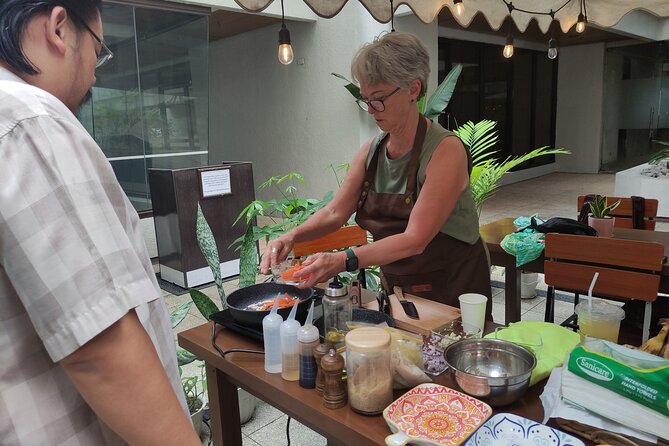
Filipino food has a way of feeling practical. It’s meant to feed people, not impress them. That’s why I like that this class centers on meryenda—snacks you’d normally grab in the afternoon, at home, or between big meals.
Think of it as food with a rhythm. You’re not just learning a recipe. You’re learning how Filipino cooking fits into daily life. The class frames dishes as wholesome traditions shaped across thousands of islands, then focuses on flavors you can recognize and re-create: a filling noodle dish, savory crunchy spring rolls, and sweet treats that make the whole snack lineup feel complete.
Also, location matters. Makati is in central Metro Manila, and this class starts at Somerset Olympia Makati. It’s a straightforward meeting point, and it’s noted as being near public transportation. That makes it easier to combine with the rest of your day in the city.
You can also read our reviews of more tours and experiences in Luzon.
Meeting at Somerset Olympia Makati (and What the Timing Means)
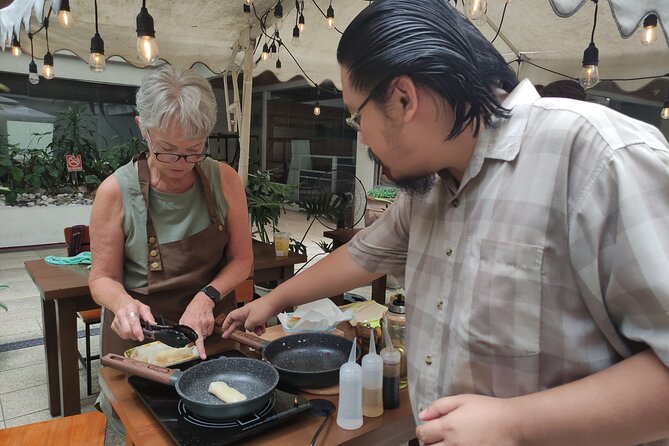
Your start time is 2:00 pm, and the activity runs for about 2 hours. It ends back at the meeting point, so you aren’t dragging your kitchen tools across town like a cooking backpack challenge.
The address is: Somerset Olympia Makati, 7912 Makati Ave, Makati City, 1200 Metro Manila, Philippines.
This matters because snack cooking is temperature and timing sensitive. If you show up late, you lose the flow—prepping, cooking, and getting your dishes to the finish line while everything is still hot and fresh.
It’s also capped at a maximum of 4 travelers, which helps you plan. If you’re traveling with a friend or two, this is one of those experiences where you can feel the room turn into a real classroom instead of a bus-load of people trying to hold spoons and listen at the same time.
And yes, there’s a weather note: the experience requires good weather. If it gets canceled due to poor weather, you’ll be offered a different date or a full refund.
The 2-Hour Class Flow: From Ingredients to a Full Snack Plate
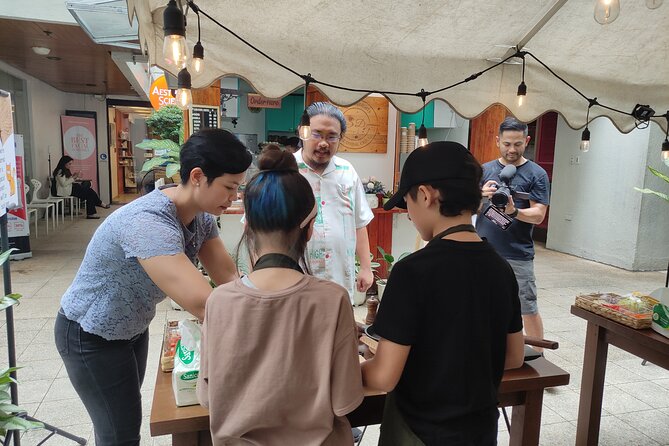
This isn’t a one-dish demo. The goal is to prepare an entire snack spread. The class description points to a noodle dish, spring rolls, and sweet treats, and the reviews reinforce that the class typically covers about three dishes in total.
Here’s what that usually feels like in practice:
First: You start with basic prep and ingredient knowledge
You’ll be using provided equipment and ingredients, so you’re not hunting down pantry items before you arrive. The instructor style is described as friendly, informative, and attentive—meaning you’re getting guidance as you go, not after you’ve already made a mess you can’t fix.
Then: You cook the savory part of the meryenda
The lineup includes a filling noodle dish and spring rolls. In a cooking class built around snacks, this is smart. Savory dishes give you the structure of flavor—salt, crunch, and comforting carbs—then sweets bring it home.
Spring rolls in particular are a “skill dish.” The class approach focuses on getting each dish right, which is exactly what you want if your main goal is to be able to reproduce it at home later.
Finally: You finish with sweet treats
Sweet snacks are the part people remember when they talk about meryenda culture. This class aims for sweet and unforgettable treats, so you get the full arc of the snack lineup instead of leaving with only savory food.
You also get a non-alcoholic drink included. It’s simple, but it matters in a 2-hour session: you’re not trying to find a drink on the side while your food cools.
Chyl’s Teaching Style: Patient, Hands-On, and Built for Learning
The instructor in the class is Chyl (pronounced like Chill). The teaching style that shows up again and again is patience. Chyl checks in on each student and makes sure dishes are coming out correctly.
That’s a big deal if you’re someone who thinks cooking classes might be too fast. A small group helps, but it’s the teaching cadence that makes the difference. In this setup, you’re not left guessing. You get feedback in the moment, and the class aims for recipes you can actually repeat later.
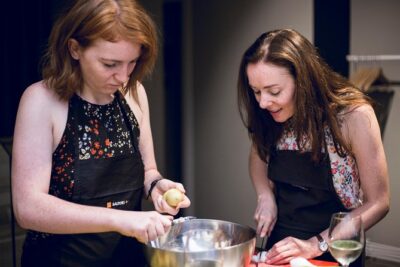
Another practical plus: individual cooking stations. That’s great for avoiding the classic problem of group classes where everyone crowds one workspace and you end up watching while someone else does the actual work. Here, you’re set up so you can focus on your dish and improve it step by step.
Individual Stations and a Family-Friendly Setting in Real Life
This is a family-friendly activity. That’s not just marketing language here. One parent shared that they attended with a 3-year-old and a 0-year-old, and when the child got fussy, staff helped by holding the baby so the parent could focus on cooking.
That tells you the atmosphere is practical and supportive. It’s not a fragile, high-stress cooking class where one interruption makes the whole experience fall apart.
The small group size (max 4) also helps for families. Fewer people in the kitchen area makes it easier to manage kids, movement, and attention.
If you’re traveling with children, this is the type of class where you can keep the experience on track: short duration, hands-on involvement, and an instructor who pays attention.
What You Get Included (and Why That Impacts Value)
You don’t just pay for instruction. The class includes:
- Use of cooking equipment
- Food ingredients
- Non-alcoholic drink
That matters for value because you’re not paying extra to cover basic supplies. A cooking class can quietly turn expensive once you start adding ingredients, tools, or drinks. Here, those basics are already built into the experience.
Gratuity is not included, which is normal. If you’re happy with the teaching, you’ll know where to tip—but you won’t be forced into it upfront.
Also, there’s a note about group discounts. If you’re booking with friends, it’s worth checking because discounts can make this class feel like a bargain rather than a splurge.
Price and Value: Is $60 Worth It?
At $60 per person, you’re paying for a compact cooking session in Makati with a small group and included ingredients.
Here’s how I’d judge the value:
- You’re getting hands-on cooking (equipment + ingredients provided), not just a talk.
- You’re leaving with a recipe skill set that you can recreate at home.
- The class size (max 4) improves the odds you’ll get feedback, which is often the missing ingredient in budget cooking classes.
If you love food and want something more meaningful than a meal at a restaurant, this checks a lot of boxes. If you only want one bite of curiosity with zero hands-on work, you might find it more appealing to eat rather than cook.
But if your goal is to walk away with real dishes—noodle snack skills, crunchy spring roll technique, and sweet treats—this price is easier to justify.
Where You’ll Benefit Most (and Who Might Want Something Else)
This class is a strong fit if you:
- want authentic Filipino snack cooking and not just a generic cooking demo
- care about learning how to cook dishes you’ll actually eat again
- like small-group experiences where the instructor can correct details
- are traveling with family and want a supportive environment
It’s less ideal if you:
- want a long, multi-course program (this one is about 2 hours)
- want a full city sightseeing component (this ends back where you start)
- are looking for a deep technical class on advanced cooking methods (this focuses on practical, home-recreatable recipes)
In other words, it’s best for “I want to learn and eat” travelers more than “I want to watch and collect stories” travelers.
Practical Tips for Your Afternoon in Makati
A few smart moves will help you get the most out of your cooking session:
- Arrive on time so the cooking flow stays smooth.
- Be ready to cook with provided equipment and follow the instructor’s pace. That’s how your dishes end up tasting right.
- Plan for leftovers if you have the appetite. The whole point is meryenda favorites, and there’s a good chance you’ll have more than you expected.
- Come with questions, especially if you’ve never cooked Filipino food before. The teaching approach is described as attentive and patient for a reason.
If you’re someone who normally feels nervous in kitchens, the small group setup and Chyl’s check-ins should make it easier to relax and learn.
Should You Book This Makati Meryenda Class?
If you want a hands-on Filipino food experience that’s built around snack culture and teachable recipes, I think this is a smart booking. The small group, the included ingredients and equipment, and Chyl’s patient, attentive style are a strong combination.
I’d especially recommend it if you’re hoping to bring Filipino cooking skills home. You’re not just tasting. You’re learning a noodle snack dish, spring rolls, and sweet treats in a way that aims at repeat success.
On the other hand, if your ideal class is long and multi-course, or if you want a big variety of dishes beyond a small snack lineup, you may prefer a longer format. This one is short, focused, and very much about getting it right—then leaving with food you can recreate.
FAQ
Where is the meeting point for the cooking class?
The class meets at Somerset Olympia Makati, 7912 Makati Ave, Makati City, 1200 Metro Manila, Philippines.
What time does the class start?
The start time is 2:00 pm.
How long is the cooking class?
The duration is approximately 2 hours.
What is the group size limit?
The maximum number of travelers is 4.
What dishes will I learn to make?
The class focuses on preparing a Filipino meryenda snack, including a filling noodle dish, savory crunchy spring rolls, and sweet treats. Some people report cooking about three dishes in total.
What’s included in the price?
Included are use of cooking equipment, food ingredients, and a non-alcoholic drink.
Is gratuity included?
No, gratuity is optional and not included.
Is the class near public transportation?
Yes, it’s noted as being near public transportation.
What is the cancellation policy?
You can cancel for a full refund up to 24 hours before the experience starts. If you cancel less than 24 hours before, the amount paid is not refunded.
What happens if the class is canceled due to weather?
The experience requires good weather. If it’s canceled due to poor weather, you’ll be offered a different date or a full refund.