REVIEW · TOKYO
Tokyo: Sushi Cooking Class with Sake Tasting
Book on GetYourGuide →Operated by MagicalTrip · Bookable on GetYourGuide
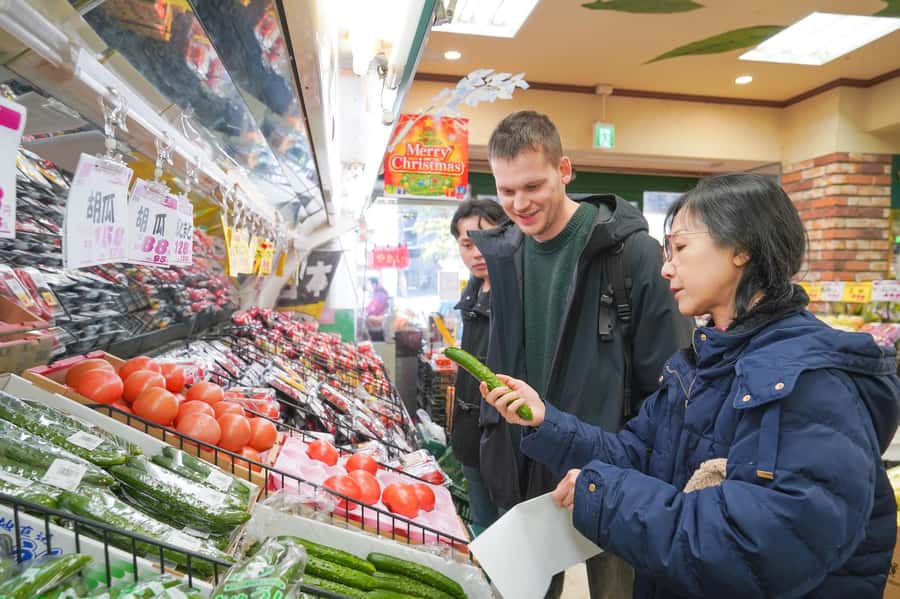
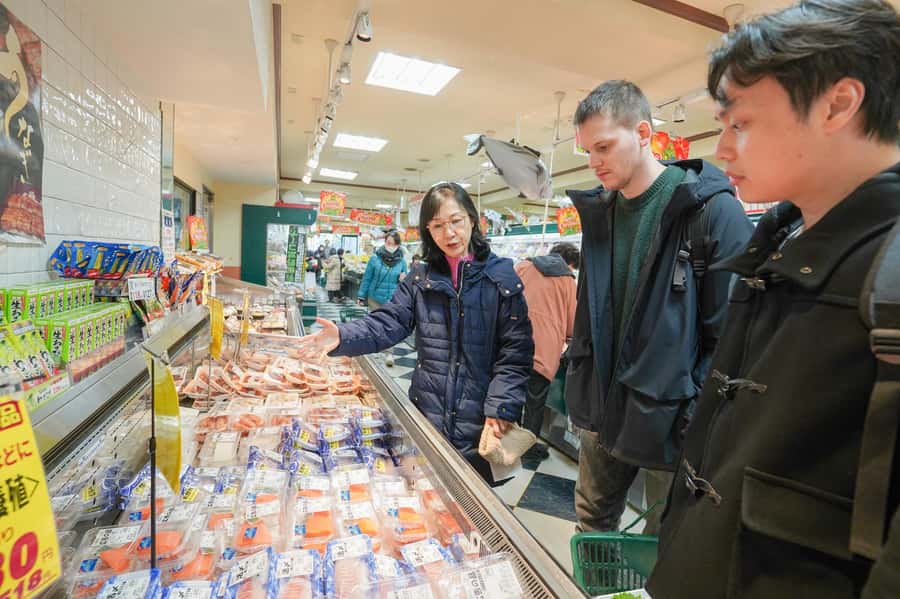
Sushi starts at the grocery aisle. I love how the class begins with a guided walk through a local Tokyo supermarket, so you learn what to buy before you touch the knife. Then you move into a professional kitchen studio near Asakusa and Kappabashi to build sushi rolls and other Japanese dishes with hands-on coaching.
The best part for me is the included sake tasting with four varieties, paired right with what you cook, along with lunch and take-home recipes. The main thing to consider is that you can’t count on allergy-free cooking, since food is prepared in partner kitchens, so bring your questions and expectations accordingly.
In This Review
- Key highlights to look for
- How the supermarket stop teaches you to cook smarter in Tokyo
- Inside the kitchen studio: knife skills, dashi, and sushi rice basics
- The dishes you’ll actually make (and why they’re a smart mix)
- Sushi and sake tasting: the pairing moment that makes it click
- Lunch, tea, photos, and recipes you can use again
- Asakusa and Kappabashi after cooking: what to do with your extra time
- Price and value: what $112 gets you (and what it avoids)
- Logistics that can make or break your morning
- Who this Tokyo sushi and sake class is best for
- Should you book this sushi cooking class with sake tasting?
- FAQ
- How long is the Tokyo sushi cooking class?
- What is included in the price?
- Where do I meet the guide in Tokyo?
- Can kids join, and is there childcare support?
- Is the class vegetarian or vegan friendly?
- Is there help for wheelchair or stroller access?
Key highlights to look for
- Shop like a local at a Tokyo supermarket with your guide, including how to choose fresh ingredients
- Learn sushi fundamentals hands-on, from sushi rice seasoning to basic knife technique
- Cook more than sushi: miso soup, eggplant dengaku, and dashimaki tamago (rolled egg)
- Sake tasting paired with your own food, with four premium varieties to try and compare
- Small-group format (up to 7) so you can actually get help at each step
- Take-home recipes plus photos, so your skills don’t vanish after the class
How the supermarket stop teaches you to cook smarter in Tokyo
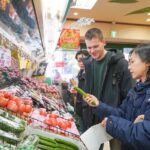
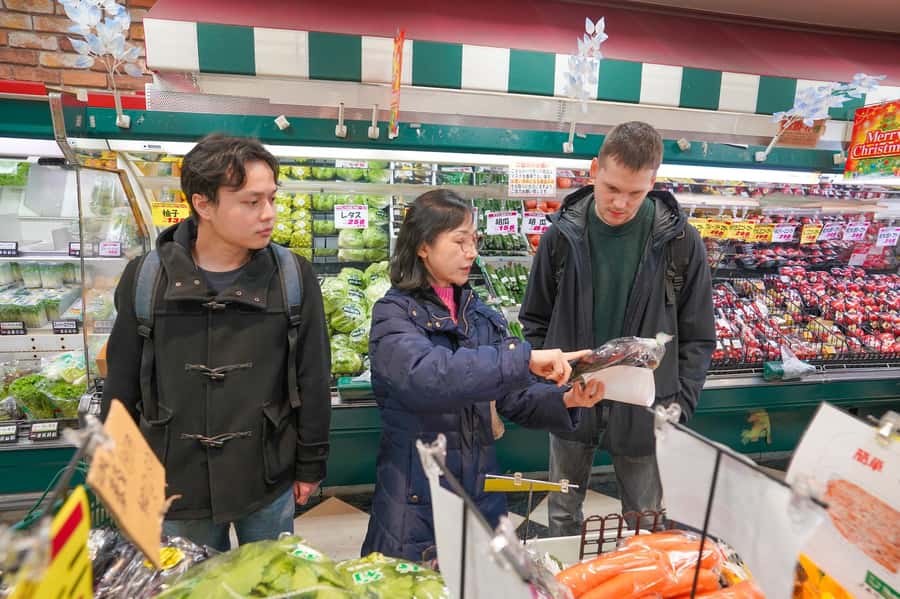
This class doesn’t start with fish on a cutting board. It starts with shopping. You’ll meet at Iriya Station (Exit 2) at the FamilyMart next to Gindako and Doutor Coffee, then head into a nearby supermarket with a local guide. That first hour does something most cooking classes skip: it gives you the logic behind Japanese ingredients, not just the finished dish.
You’ll learn how guides expect cooks to think about freshness—especially with meats and fish, plus the vegetables you’ll use in smaller dishes. You’ll also get a feel for the variety of seasonings Japan is known for, since the class draws from real pantry staples like vinegar for sushi rice and ingredients used to build soups and sauces. It’s practical shopping, not a museum walk.
Even if you’re a total beginner, this part helps you understand what you’re tasting later. When your sushi roll actually comes together, you’ll know why that ingredient matters.
You can also read our reviews of more tours and experiences in Tokyo.

Inside the kitchen studio: knife skills, dashi, and sushi rice basics
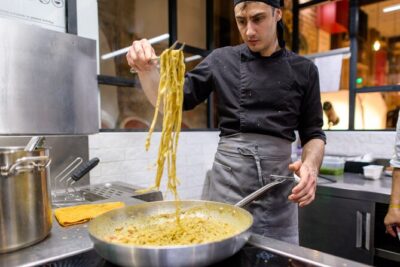
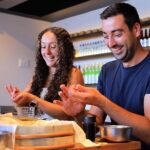
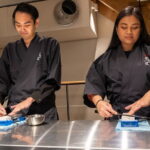
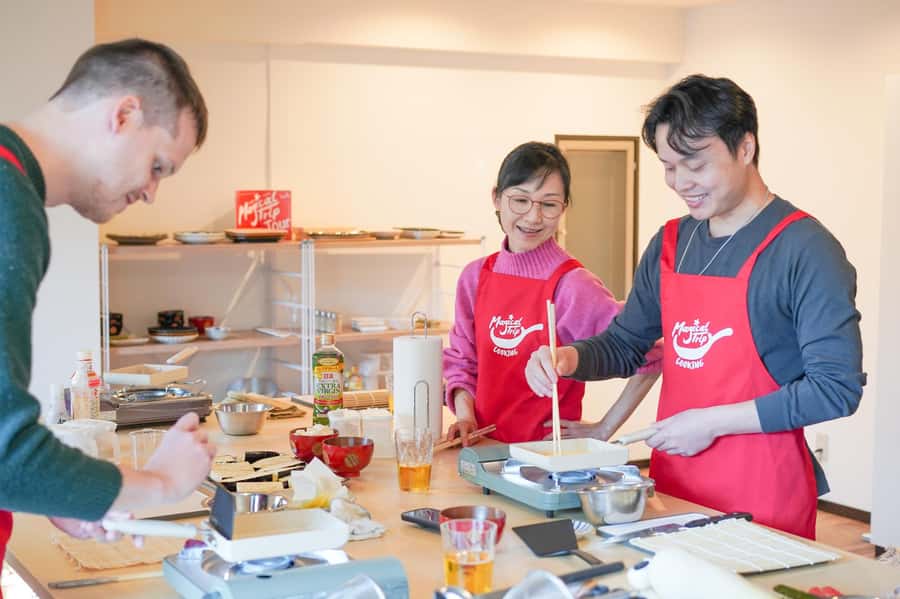
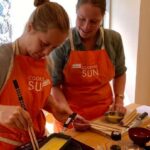
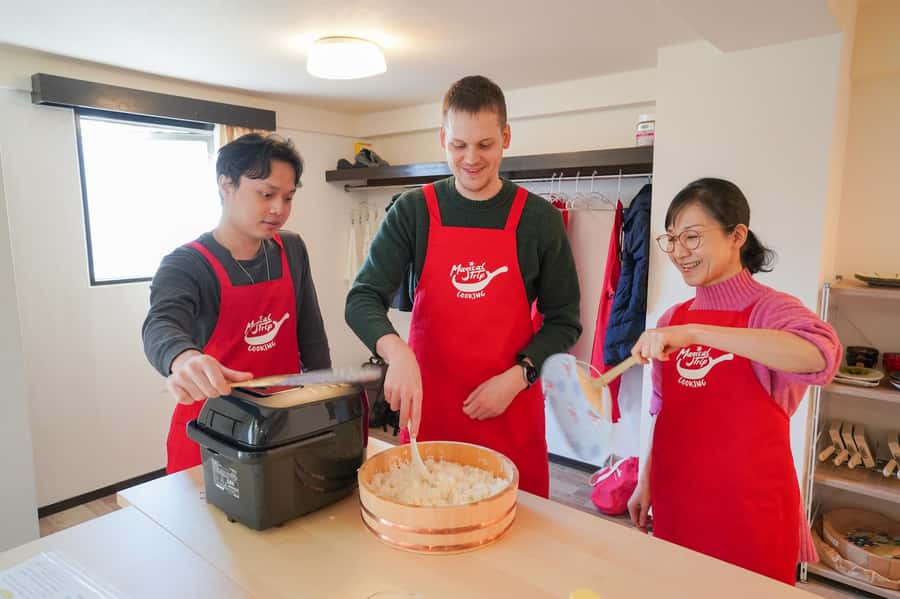
After the supermarket, you’ll switch gears to a professional kitchen studio for the main cooking session. Expect guidance in English and a small-group pace designed so everyone participates. The class covers foundational home-style techniques, including proper knife holding and step-by-step method.
One skill that matters fast is dashi, the flavor backbone used in many Japanese dishes. You’ll learn how it supports miso soup and why Japanese cooking often starts with a good base rather than heavy seasoning. Sushi rice also gets real attention. You’ll practice making sushi rice seasoned with vinegar, because great sushi isn’t just about the fish—it’s about the rice texture and balance.
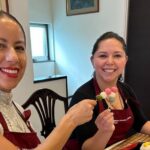
This is also where you’ll feel the difference in good instruction. Guides have been praised for patient coaching and clear explanations, with names like Tiger, Suzy, Takahito, Mahori, Fuji, Taka, Mihori, and Sho showing up as examples of how friendly and hands-on the teaching can be. You’ll want that kind of calm, especially if you’re handling a knife for the first time.
The dishes you’ll actually make (and why they’re a smart mix)
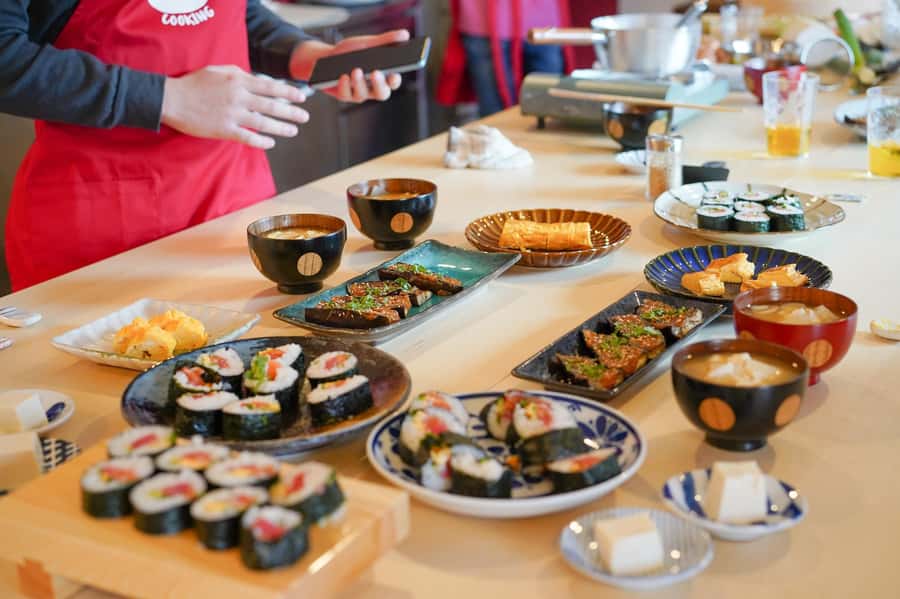
The class is designed to give you a well-rounded snapshot of Japanese home cooking, not just one fancy plate. You’ll cook sushi rolls and then branch into classic comfort foods and party-friendly items.
Here’s what you can expect to make:
- Miso soup, built on dashi and shaped by basic technique
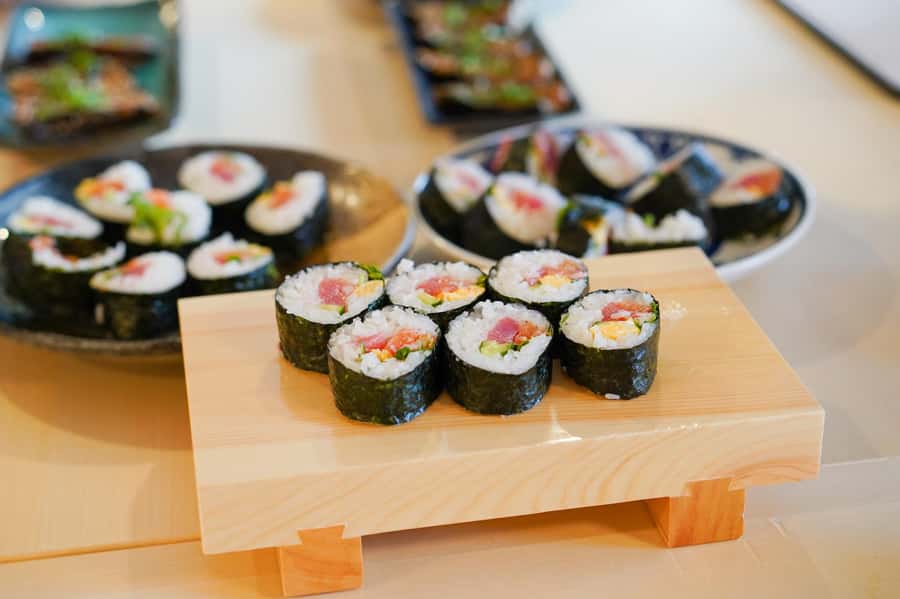
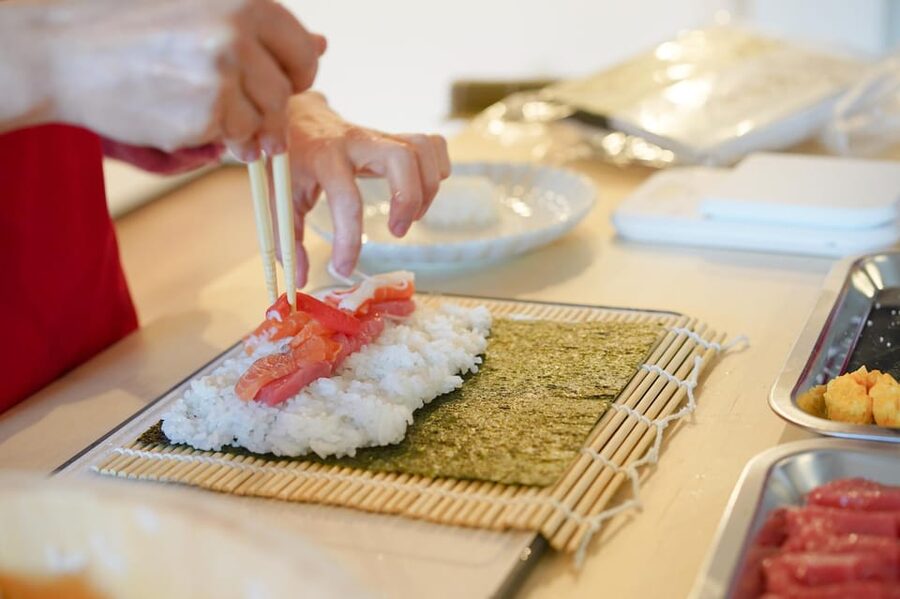
- Sushi rolls, with sushi rice and roll-making steps you can repeat later
- Eggplant dengaku, a sweet-savory style that helps you learn how flavors pair
- Dashimaki tamago (rolled egg), the tender, sliceable omelet that shows Japanese attention to texture
I like this mix because it’s not all fish and rice. Miso soup and dashimaki tamago teach you that Japanese cooking is as much about method and balance as it is about ingredients. Eggplant dengaku adds a different flavor rhythm—glossy, warm, and comforting—so the meal feels varied instead of repetitive.
Also, this matters for value. If you only learned one dish, you might only cook it once. Here, you’re leaving with multiple recipes you can use for different moods: cozy at home, impressive for friends, or both.
Sushi and sake tasting: the pairing moment that makes it click
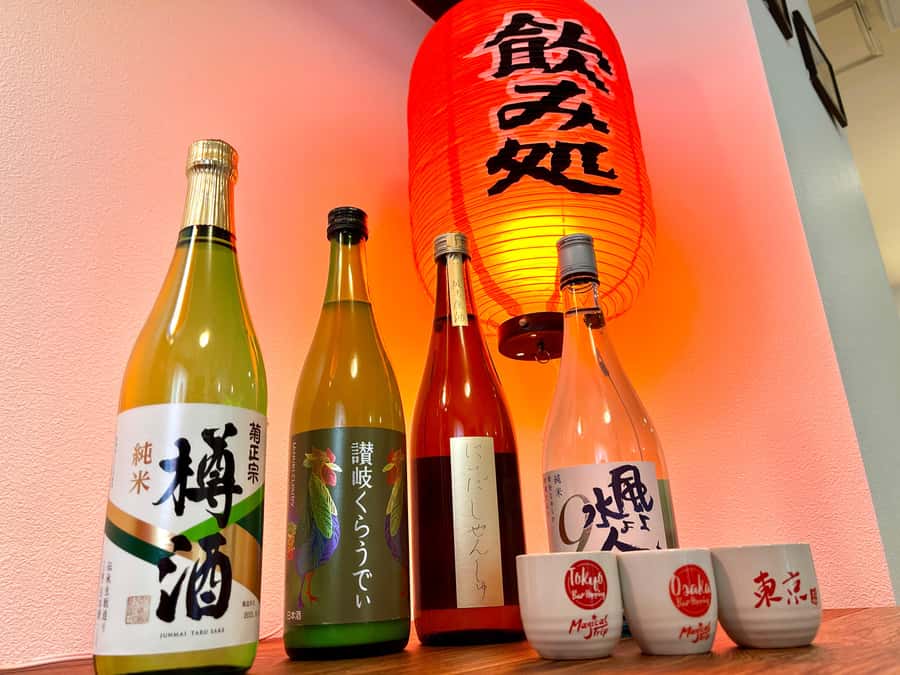
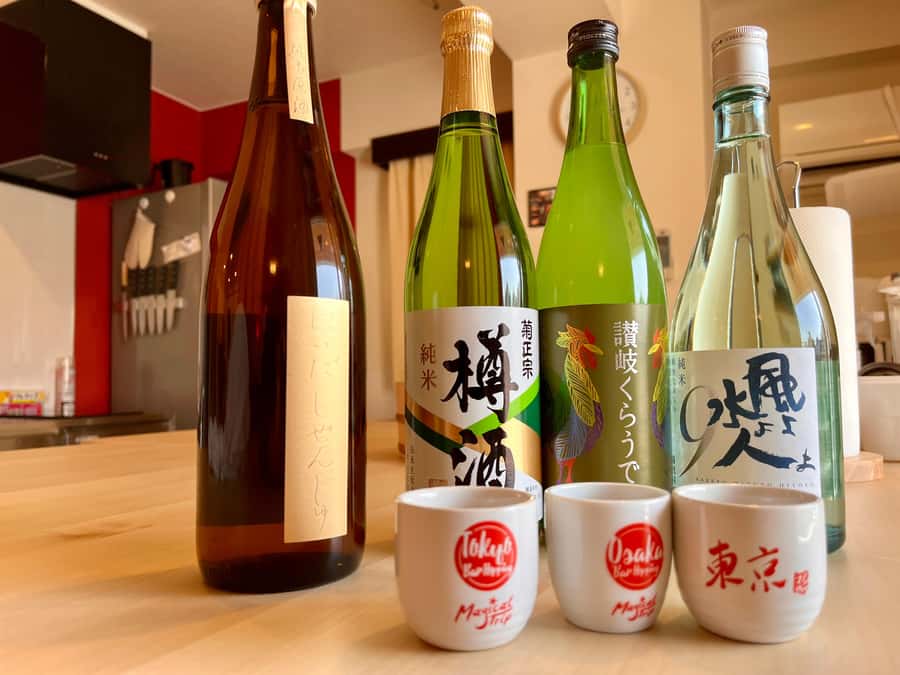
This is where the experience becomes more than “learning to cook.” Sake tasting is included, with four premium varieties. You’ll choose your favorite, then taste alongside the sushi and other dishes you made.
If you’ve ever wondered why Japanese meals feel so balanced, the pairing is the answer. Sake tasting gives you a chance to notice how acidity, aroma, and texture change with each bottle type—and how those differences interact with sushi rice, miso soup flavor, and the slightly sweet notes you’ll find in dishes like eggplant dengaku.
Practically, it’s also a fun checkpoint. At the end of a cooking class, you can measure what you did right (or what needs adjusting next time) through taste. And since you’re sampling while the day is still fresh, you’re much more likely to remember what to tweak when you recreate the meal at home.
Lunch, tea, photos, and recipes you can use again
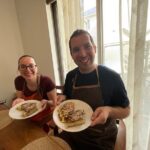
You’ll get lunch included, paired with what you cook. That’s not just a perk—it’s part of the teaching. Eating what you made while it’s still in context helps you connect technique to flavor.
You’ll also receive recipes after the class. That’s the real prize if you want results later. I’d rather leave with a clear recipe and a confidence boost than a memory of how something looked in photos.
Photos are included too, with pictures taken during the tour. If you’re cooking with friends or bringing kids, having a record of the day can be a nice extra.
One extra detail I appreciate: tea is part of the included experience. In Japan, tea breaks up the intensity of cooking and tasting, and it keeps the day comfortable.


Asakusa and Kappabashi after cooking: what to do with your extra time
One of the best practical advantages here is location. The kitchen studio is conveniently in the Asakusa and Kappabashi shopping district, an area known for the kind of restaurant supplies shops that serious cooks browse. After cooking and lunch, you’ll be invited to explore Asakusa for sightseeing and shopping.
Asakusa is a great follow-up because it’s easy to turn the class into a full half-day plan. You can walk off lunch, pick up small kitchen tools or food items, and see a classic Tokyo district without needing extra transit planning.
If you like pairing skills with place, this combo works well. Learn the food method in the studio, then spend time in the neighborhood that supports cooking culture.
Price and value: what $112 gets you (and what it avoids)
At $112 per person, this class isn’t the cheapest way to eat in Tokyo. But it does include several things that add real cost on their own: a 4-hour guided experience, ingredients, lunch, tea, sake tasting (4 kinds), and photos, plus a professional studio setting.
The hidden value is the supermarket lesson. Grocery shopping with guidance can save you from common beginner mistakes like buying the wrong cuts, underestimating what vinegar and seasoning affect, or not understanding what “fresh” means for Japanese staples. If you plan to cook even once after your trip, that knowledge tends to pay off quickly.
The small-group size (limited to 7 participants) matters too. In a bigger class, you often spend time watching. Here, the format is set up so you can get help while you’re rolling sushi or handling the knife.
So I’d think of this as a skills-and-sake package, not just a meal. If you want “hands-on Tokyo,” it’s a solid deal for the time you get and what’s included.
Logistics that can make or break your morning
Meeting point precision matters here. You start in front of FamilyMart next to Gindako shop in Iriya Station Exit 2. There are two FamilyMarts in Iriya station, so use the one by Gindako takoyaki shop and Doutor Coffee shop. Get there early so you don’t stress yourself out and so the group can start on time.
The class runs about 4 hours, and it uses English-speaking local guides. Tours are live and guided, and photos are taken during the tour.
If you’re traveling in summer, take the heat note seriously. Japan’s summer can be hot and humid, so bring water and consider a hat to avoid feeling wiped out before you even start cooking.
Dietary needs are supported, but with limits. Vegan and vegetarian are welcome, and the team arranges ingredients and the cooking process. At the same time, allergy-free cooking can’t be guaranteed, because food is prepared in kitchens that don’t belong to the activity provider. If allergies are part of your situation, it’s worth communicating your needs clearly before the day starts.
Who this Tokyo sushi and sake class is best for
This class fits best if you want a genuine, practical learning experience. It’s ideal for:
- Beginners who want step-by-step instruction and knife basics
- People who like cultural context, not just recipes
- Families, since all ages can join and there’s a kids playroom for little ones
From the way it’s run, it also works for adults who want to cook seriously but still have fun. Guides have been praised for keeping the atmosphere relaxed while staying organized, and the format allows everyone to participate instead of watching from the sidelines.
The main reason you might skip is if you need strict, guaranteed allergy handling. This isn’t marketed as allergy-managed cooking, so don’t assume substitutions can always be made.
Should you book this sushi cooking class with sake tasting?
Book it if you want a Tokyo experience that mixes food technique, shopping confidence, and taste testing in one tidy package. The supermarket start is a huge advantage, and the included sake tasting with four kinds makes the class feel like a real meal you’re part of, not a demo.
I’d pass if allergies are a deal-breaker or if you need full wheelchair or stroller access, since the route includes some locations that are not accessible.
If your goal is to leave with usable skills—sushi rice, dashi logic, miso soup technique, and a couple of Japanese dishes you can actually make at home—this is a smart use of your time in Tokyo.
FAQ
How long is the Tokyo sushi cooking class?
The experience lasts about 4 hours.
What is included in the price?
It includes the cooking experience and lunch, sake tasting (4 kinds), ingredients, tea, 4 hours with a local English guide, and photos taken during the tour.
Where do I meet the guide in Tokyo?
Meet in front of a FamilyMart next to Gindako shop in Iriya Station Exit 2. Since there are two FamilyMarts in the station, look for the one next to Gindako takoyaki shop and Doutor Coffee.
Can kids join, and is there childcare support?
Yes, all ages can join. There is also a kids playroom for your little ones.
Is the class vegetarian or vegan friendly?
Vegetarian and vegan are welcome. The team arranges ingredients and adjusts the cooking process.
Is there help for wheelchair or stroller access?
The itinerary includes some locations that are not accessible by wheelchair or stroller.