REVIEW · OTSU
Private Japanese Home Cooking Class in Kyoto with Michiyo
Book on Viator →Operated by Traveling Spoon · Bookable on Viator
A Kyoto dinner starts before you touch chopsticks. In Otsu (just outside Kyoto), this private class lets you cook like a resident—using seasonal ingredients and learning the building blocks of Japanese flavor right in Michiyo’s home kitchen. Expect hands-on work, then a proper sit-down meal you helped make.
I love the easy start: Michiyo picks you up at Otsukyo Station on the JR Kosei line, and the trip to her home is just minutes. I also love the focused skills you’ll take home, especially making dashi and preparing sushi rice for chirashi sushi in a traditional wooden bowl.
The only real trade-off is that this is a home experience with a menu that can shift with the season, so you should go in ready to follow the plan and not expect a custom menu item-by-item.
Key points that make this class worth your time
- Dashi basics you’ll actually use in future Japanese cooking
- Chirashi sushi made with sushi rice and finished in a wooden bowl
- Seasonal, local produce as the foundation of the meal
- Local drinks paired with what you cook, with alcoholic or non-alcoholic options
- Private experience where you’re cooking with only your group
- Friendly home atmosphere, including Michiyo’s well-behaved dachshund, El
In This Review
- A Home-Kitchen Lesson in Otsu That Feels Like Kyoto, Without the Crowds
- Michiyo’s Pickup From Otsukyo Station (Plus El the Dachshund)
- What You’ll Cook: Dashi and Chirashi Sushi, From Scratch
- The Real Lesson: Techniques, Not Just Recipes
- Seasonal Ingredients You Can Taste Immediately
- Lunch or Dinner, Plus Drinks Paired With Your Food
- Price and Value: What $86 Buys You Here
- Who This Kyoto-Style Cooking Class Is Best For
- Tips to Make Your Session Smooth and Rewarding
- FAQ
- FAQ
- Where is the cooking class located?
- How long does the experience take?
- Do I get picked up from the station?
- Is the experience private?
- What do you cook?
- Are drinks included?
- Can I choose lunch or dinner?
- Does the menu change?
- What about dietary restrictions?
- Should I book for my travel timing?
- Should You Book This Kyoto Home Cooking Class With Michiyo?
A Home-Kitchen Lesson in Otsu That Feels Like Kyoto, Without the Crowds
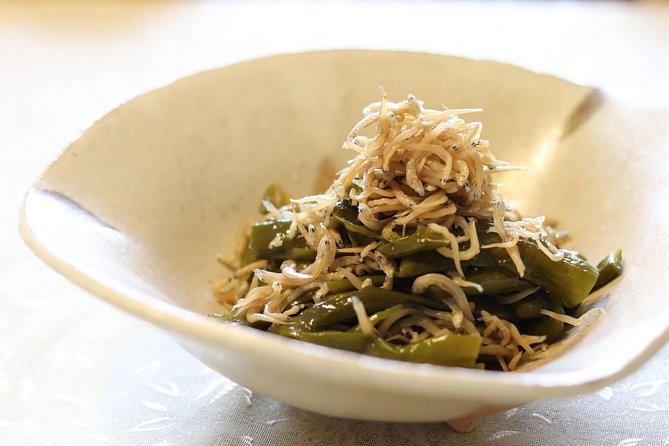
Kyoto is great at feeding you. This experience is about feeding you while teaching you how the food gets made. You’re not stuck watching from the sidelines. You’re in Michiyo’s kitchen learning techniques and then eating what you helped put together.
Otsu is a smart base for this. It’s close enough to Kyoto for day trips, but it doesn’t feel like you’re constantly swimming through tour groups. That matters, because the best part of cooking classes is the calm pace—asking questions, tasting along the way, and then settling in for the meal.
You’ll start with a menu introduction, then move into hands-on cooking. The class portion takes about an hour and a half, and after that you sit down together to enjoy the meal you cooked.
Michiyo’s Pickup From Otsukyo Station (Plus El the Dachshund)
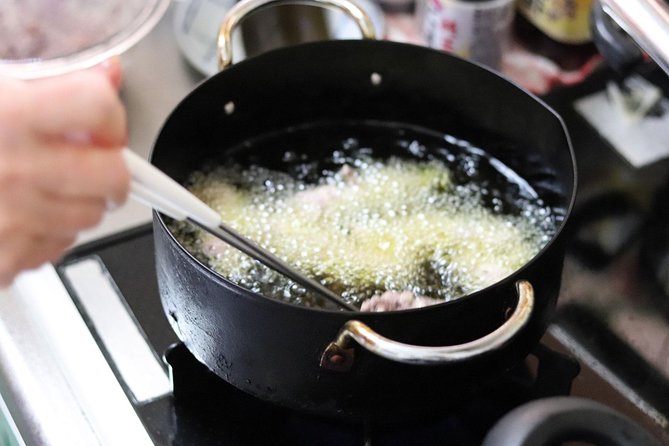
Logistics here are refreshingly simple. You meet at Otsukyo Station, and Michiyo comes to get you in her car. The drive to her home is short—about three minutes—so you’re not wasting your class time in transit or hunting for directions.
Once you arrive, Michiyo and her husband welcome you into their home. One bonus: their English is excellent, so you’re not stuck decoding cooking gestures. You can ask why something is done a certain way, and you’ll get clear answers.
And yes, there’s a dog. El is their well-behaved dachshund. If you like animals, it adds a natural, lived-in warmth to the evening. If you’re nervous around pets, don’t panic—the information you have suggests El is calm.
What You’ll Cook: Dashi and Chirashi Sushi, From Scratch
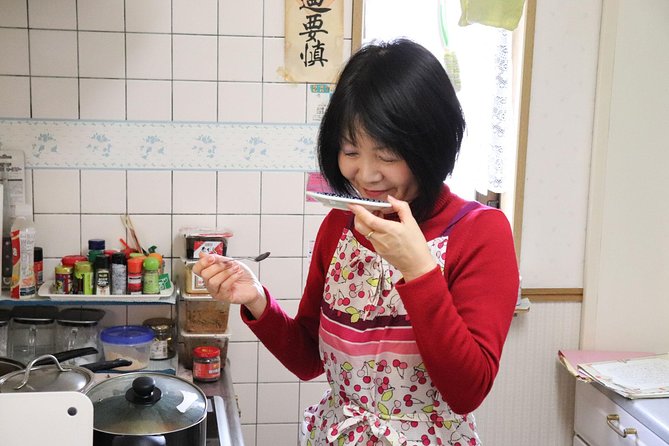
This class has a clear target: Japanese home flavor. You’ll learn how to make dashi stock, which is a foundational building block for so many Japanese dishes. Learning dashi isn’t about memorizing a recipe. It’s about understanding the taste structure—why the broth works, and how to treat it gently so it stays clean and balanced.
Then comes the chirashi sushi. You’ll prepare sushi rice, and you’ll garnish the final bowl in a traditional wooden container. That detail matters more than it sounds. Wooden bowls are part of the sensory experience—temperature, texture, and the way the meal comes together at the table.
You’re also working with fresh, seasonal ingredients. Michiyo values vegetables sourced from local areas, and you’ll feel that in the final dishes. Seasonal food tastes like it belongs where it is, not like it was shipped to a supermarket and asked to perform.
The Real Lesson: Techniques, Not Just Recipes
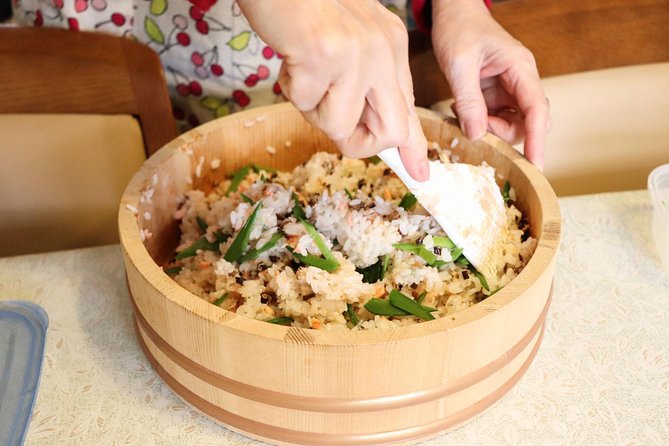
A lot of cooking classes give you a list of steps. This one aims higher by focusing on technique—how Japanese cooking is built around method and timing.
In your session, Michiyo leads the hands-on work and shares knowledge she’s perfected over the years. That’s where you gain something practical. You won’t just remember what went into the bowl. You’ll remember what to watch for: how the broth looks and smells, how rice behaves, and how the finishing touch changes the whole bite.
If you’re the type who wants to cook at home after the trip, that’s the key. Dashi and sushi rice aren’t just “Kyoto food.” They’re skills. Once you understand the basics here, you’ll be able to make other Japanese dishes with more confidence.
One more thing: the class stays flexible because the menu may vary depending on the season. That’s not a drawback if you’re there to learn. It’s how local cooking stays alive.
Seasonal Ingredients You Can Taste Immediately
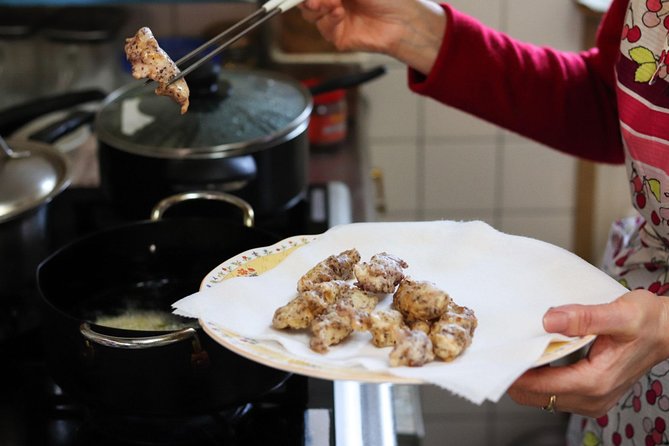
Seasonal cooking is one of those phrases that can sound vague. Here it’s concrete. Michiyo uses fresh vegetables sourced locally, and you’ll feel it in flavor and texture—especially in anything served with the dashi and alongside the sushi components.
This approach is valuable for you as a visitor because it breaks the habit of ordering the “same” Japanese meal everywhere. You get a dish that fits the time of year, shaped by what’s good right now. And when you cook at home afterward, you’ll be more likely to swap ingredients based on what’s fresh instead of chasing the exact same product every time.
Because the menu can change, the class is also a good choice if you’re traveling with food curiosity rather than strict expectations. You may cook something slightly different than the person next to you, but the core skills—dashi and chirashi sushi—stay the anchor.
Lunch or Dinner, Plus Drinks Paired With Your Food
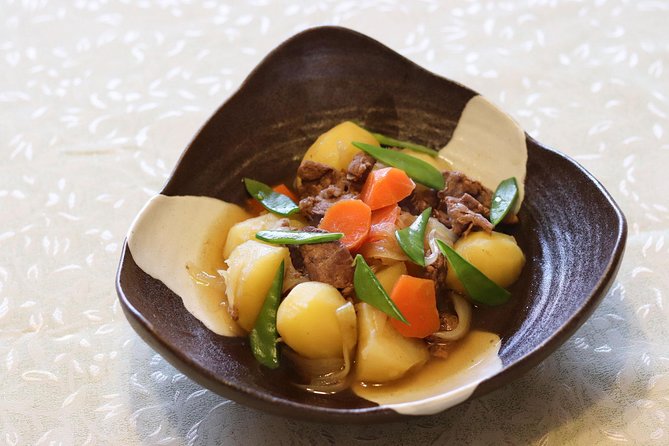
Your meal setup is one of the most enjoyable parts. After the cooking, you sit down together and eat what you made. That’s not always guaranteed with classes that focus only on the cooking part.
You also get drinks paired with your meal. The information you have says there are options for alcoholic or non-alcoholic drinks, and local alcohol is included (about 1–2 glasses). It’s not just free beverages. The idea is pairing—so the drink works with the food rather than acting like an afterthought.
Choosing lunch or dinner can help you fit this into your day in Kyoto/Otsu. If you like a calmer schedule, lunch can make the rest of the afternoon easy. If you want the experience to feel like an event, dinner gives you that evening rhythm, especially since you’re in a home environment.
Price and Value: What $86 Buys You Here
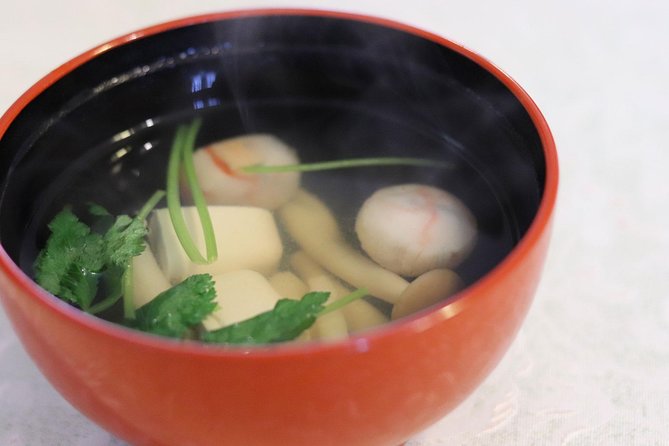
At $86 per person for a private class plus the meal, it’s not a “budget” activity. But it’s also not just paying for a recipe card.
Here’s what you’re paying for that makes it feel fair:
- Private, personalized instruction (your group only)
- Cooking time plus a full sit-down meal
- Local drinks included (alcoholic or non-alcoholic options)
- Pickup from Otsukyo Station, which reduces hassle and time
- Core skills you can use again: dashi and sushi rice for chirashi
If you’ve taken a generic market tour followed by a restaurant meal, this is different. This is a single-purpose experience: you cook, you learn, and you eat immediately. The value is in the transfer of knowledge.
Also keep an eye out for group discounts when you book, if you’re traveling with friends. Private doesn’t always mean you can’t save a little.
Who This Kyoto-Style Cooking Class Is Best For
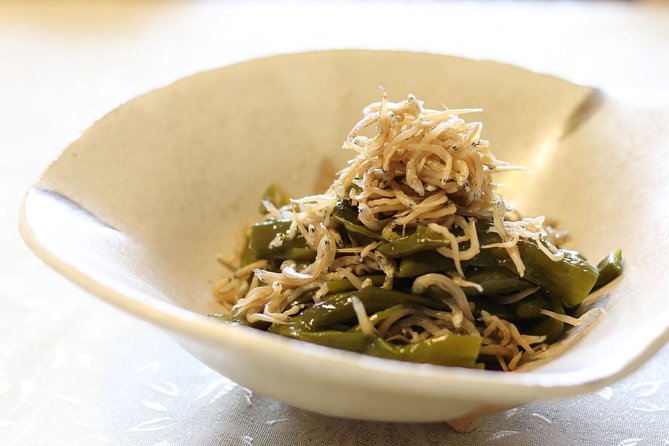
You’ll probably love this if you want a real local meal and you like learning by doing. It’s a strong pick for couples and small groups because it’s private and conversation-friendly. It’s also great if you’re a fan of Japanese flavors beyond the obvious basics—dashi and sushi rice are the kind of foundational skills that make you feel like you “get” Japanese cooking.
You might want to think twice if you:
- Prefer high-energy, restaurant-style pacing
- Want a very specific menu with no seasonal variation
- Don’t want the idea of cooking in a home kitchen environment
But for most people who come to Japan hungry for more than photos, this hits the sweet spot.
Tips to Make Your Session Smooth and Rewarding
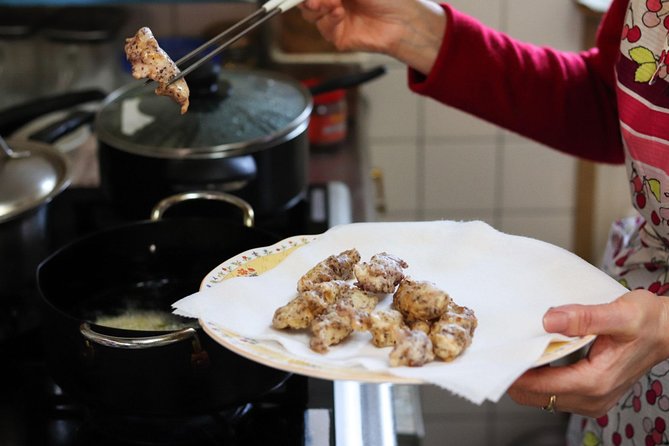
A few practical moves can help you get more out of those three hours.
First, treat the station pickup like part of the plan. Arrive at Otsukyo Station with a little buffer so you’re not rushing when Michiyo arrives.
Second, if you have dietary needs, communicate them during booking. You can advise specific dietary requirements, and since the menu can vary, that’s especially important.
Third, come ready to eat what you cook. Some cooking classes end with a rushed taste. Here, you’ll sit down together and enjoy the meal, with drinks paired to your food.
Finally, ask questions about technique while you’re working. Since Michiyo and her husband have strong English, it’s a great chance to understand the why behind steps like broth-making and rice preparation, not just the what.
FAQ
FAQ
Where is the cooking class located?
It takes place in Michiyo’s home in Otsu, Japan (near Kyoto). You meet at Otsukyo Station on the JR Kosei line.
How long does the experience take?
It’s about 3 hours (approx.). Cooking is around 1.5 hours, followed by the meal.
Do I get picked up from the station?
Yes. Michiyo picks you up from Otsukyo Station on the JR Kosei line. Hotel pickup and drop-off are not included.
Is the experience private?
Yes. It’s a private experience, and only your group participates.
What do you cook?
You’ll learn to make dashi stock and prepare sushi rice for chirashi sushi. You garnish the chirashi in a traditional wooden bowl.
Are drinks included?
Yes. You get drinks paired with your food, with options for alcoholic or non-alcoholic drinks. Local alcohol is included (1–2 glasses).
Can I choose lunch or dinner?
Yes. You can choose between lunch or dinner options to fit your schedule.
Does the menu change?
Yes. The menu may vary depending on the season.
What about dietary restrictions?
You should advise any specific dietary requirements at the time of booking.
Should I book for my travel timing?
Confirmation is received within 48 hours of booking, depending on availability. If you’re planning around a fixed day trip, book early since it’s often reserved ahead of time.
Should You Book This Kyoto Home Cooking Class With Michiyo?
If you want one experience in Kyoto/Otsu that feels personal and teaches you real Japanese cooking basics, I’d book it. The mix of dashi and chirashi sushi, the short pickup from Otsukyo Station, and the sit-down meal with paired drinks make it feel complete, not like a half-activity.
Book it especially if you like conversation and you enjoy learning by hands-on cooking. You’ll come away with skills you can repeat, not just memories.
If you’re very picky about a fixed menu or you hate any seasonal variation, you’ll need to be flexible. But if you can roll with what’s fresh and in season, this is one of the most practical and satisfying ways to experience Japanese food at home.