REVIEW · ROME
Spritz and Spaghetti Traditional Cooking Class in Rome
Book on GetYourGuide →Operated by Tipsy Tours · Bookable on GetYourGuide
Rome is great at food, but it rarely pairs cooking with a cocktail workshop. This one mixes handmade Roman pasta with three spritz variations and a real chef-led format, so you get skills, not just a meal. And yes, there’s a tipsy element built into the experience.
I love how hands-on it is: you’re making pasta from scratch and learning techniques for Roman classics like carbonara and a vegetarian cacio e pepe option. I also like the way the drinks are integrated, with you learning mixology steps alongside cocktail time—so the spritz part feels like a lesson, not just a free pour.
One consideration: it’s not a good fit if you need gluten-free, vegan, or lactose-free food. The menu uses dairy and gluten-based ingredients, and coeliac/gluten intolerance and vegan diets can’t be accommodated.
In This Review
- Key highlights you’ll actually care about
- Spritz and Spaghetti in Rome: what the experience really feels like
- The “where and how” for starting at Via Cesare Balbo
- 3 hours of food and drink: how the session is structured
- Spritz variations: learning the Roman aperitivo rhythm
- Pasta from scratch: carbonara and cacio e pepe
- Why the chef-mixologist setup is better than a basic cooking class
- The people factor: what you’re paying for beyond ingredients
- What’s included (and how that affects the value you get)
- Dietary limits: who should think twice
- Who this class is best for
- Small practical tips to make your night smoother
- Should you book Spritz and Spaghetti?
- FAQ
- How long is the Spritz and Spaghetti cooking class?
- What is the price per person?
- Where does the class meet in Rome?
- What time does the class end?
- What cocktails are included?
- What pasta dishes will you learn to make?
- Does the class include food to eat?
- Is it suitable for gluten-free or vegan diets?
- What language is the class taught in?
- Is cancellation allowed and can you pay later?
Key highlights you’ll actually care about
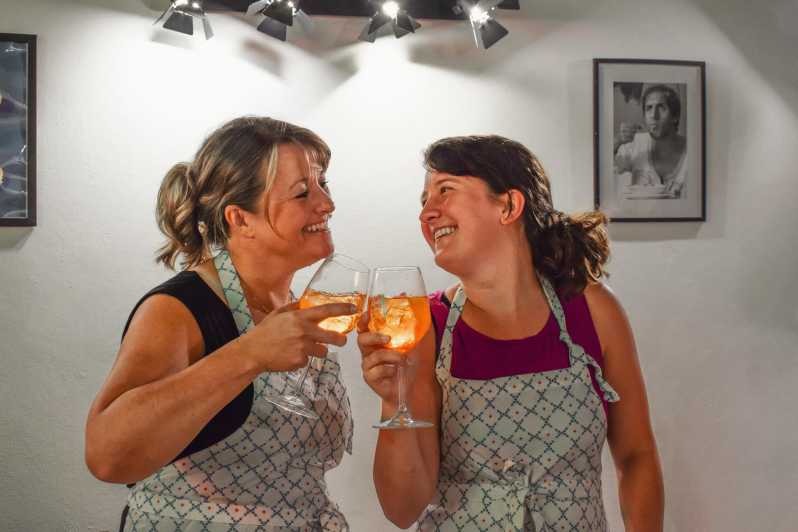
- Three spritz styles: Aperol, Hugo, and Limoncello spritz
- Classic Roman pasta focus with carbonara plus a vegetarian cacio e pepe route
- Chef + mixologist workshop so cooking and cocktail skills are both taught
- A laid-back, social pace—the drinks keep flowing as you work
- Recipes to take home, so you can recreate the vibe later
- Central meeting point at Via Cesare Balbo, 19, right by Rome With Chef signage
Spritz and Spaghetti in Rome: what the experience really feels like
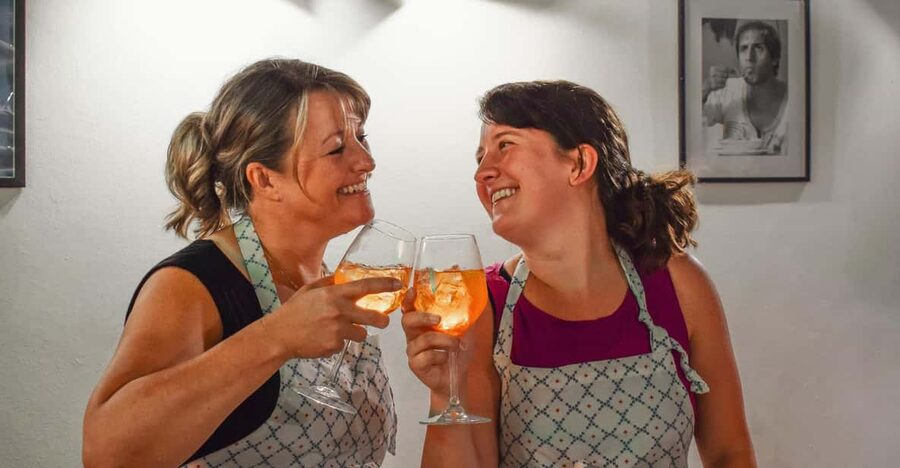
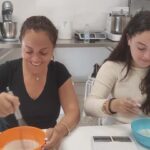
This class is built for people who want more than a cooking demo. You’ll be moving through dough, sauce, and timing while also learning how to build spritz cocktails the Italian way. The “tipsy” part is part of the design—there’s a steady rhythm of drinks during the session—so plan to enjoy yourself while you cook.
It’s also a very Roman framing of food. You’re not just making any pasta; you’re learning recipes tied to Rome’s comfort zone: carbonara and the pepper-and-cheese style cacio e pepe (with a vegetarian option). That pairing matters because it forces you to practice technique, not just follow steps.
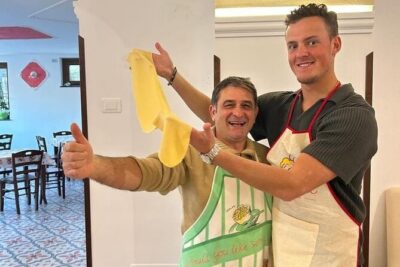
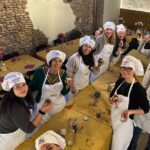
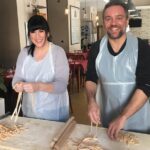
The overall vibe, based on how the hosts are described, is fun and not stiff. People call out humor, a laid-back atmosphere, and hosts who keep the energy moving while still teaching you what to do. It’s the kind of class where you can focus on learning without feeling like you’re stuck in a formal classroom.
You can also read our reviews of more tours and experiences in Rome.

The “where and how” for starting at Via Cesare Balbo
Your session starts at Via Cesare Balbo, 19, 00184. Look for a sign that says Rome With Chef outside the class. The activity ends back at the meeting point, so you’re not left scrambling for transport afterward.
Because you’re meeting in a real neighborhood kitchen setup, it helps to arrive on time and with a clear idea of what you want to do during the 3 hours. You’ll have enough going on—spritz preparation, pasta steps, and eating—so don’t count on a slow arrival to fix timing. I’d also suggest wearing comfortable clothes with sleeves you can work in. Kitchens get warm, and pasta prep is hands-on.
The class language is English, and the workshop is led by a professional chef and mixologist. That combination is useful: you’re getting cooking instruction and drink-mixing instruction from people who can explain both.
3 hours of food and drink: how the session is structured
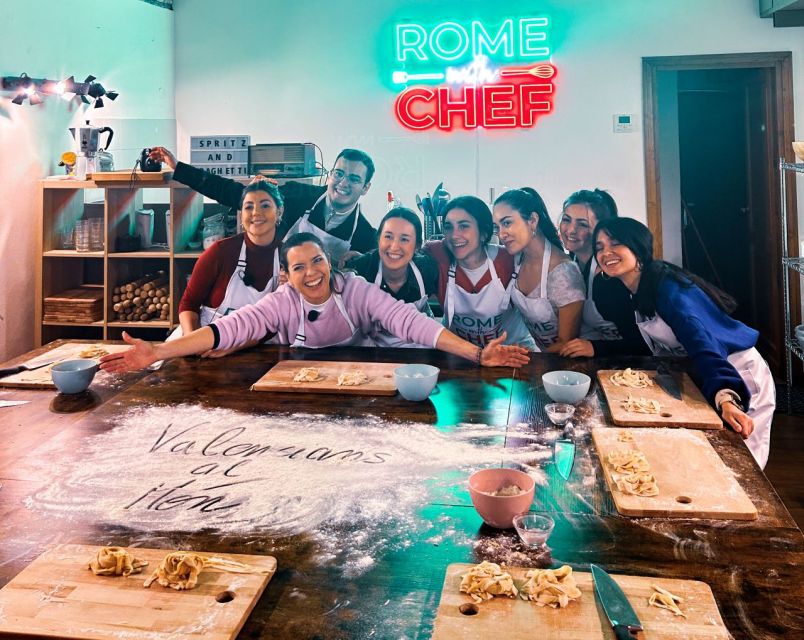
The duration is 3 hours, and while exact minute-by-minute timing isn’t spelled out, you can expect a clear flow: cocktails come first in stages, then pasta work ramps up, then you eat what you made.
Spritz variations: learning the Roman aperitivo rhythm
You’ll make three Italian cocktails during the class:
- Aperol spritz
- Hugo spritz
- Limoncello spritz
What’s valuable here is that you’re not only tasting. You’re learning mixology basics—how these drinks get balanced and built as a spritz: the idea of combining a spirit base with bubbles and a citrus/herbal note, then dialing it to a drinkable ratio. Since you’ll prepare multiple versions, you’ll start to understand how the flavor direction changes when the base ingredient changes.
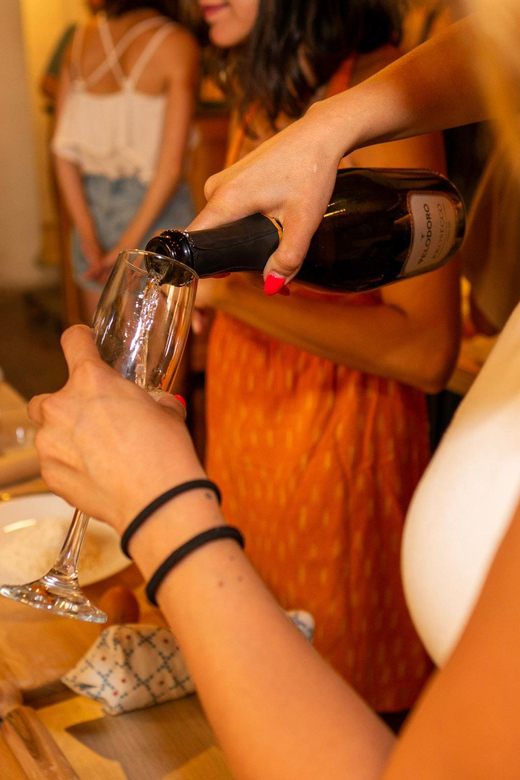
Also, this is where the “tipsy” part becomes practical. You’ll drink as you go, which makes the whole thing feel more like an aperitivo evening than a dry cooking class. Several experiences emphasize that the drink flow felt nonstop, which is part of why the class lands as memorable.
Pasta from scratch: carbonara and cacio e pepe
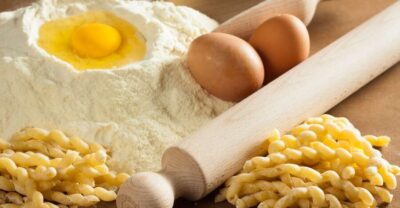
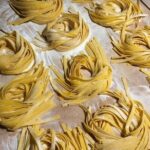
After (or alongside) cocktail time, you’ll move into handmade pasta. The class focuses on classic Roman dishes, including:
- Carbonara
- Cacio e pepe (served as a vegetarian option)
This is one of the best parts for skill-building. Carbonara is not “just pasta with sauce”—it rewards technique and timing. And cacio e pepe is deceptively simple, which is why it’s a good learning target: you can tell quickly whether the cheese-and-pepper balance is right.
You’ll also use fresh, locally sourced ingredients, and you’ll eat lunch/dinner as part of the class. The “handmade pasta and sauces” inclusion is important: you’re not paying for a lesson where most of your meal is store-bought or premade.
A small but meaningful detail: the class includes recipes to take home. That helps you turn the lesson into something you can repeat, even if you don’t remember every exact move on the first attempt later.



Why the chef-mixologist setup is better than a basic cooking class
A lot of cooking classes in Rome focus only on food, or they add cocktails as a side perk. Here, the workshop is explicitly led by a professional chef and mixologist. That changes the feel of the evening.
You get two kinds of training at once:
- cooking skills (pasta-making and Roman sauces)
- drink skills (spritz-building and balance)
That pairing is a win for value because it gives you more than one “payoff.” Even if you’re not obsessed with making cocktails at home, you’ll still learn something about balance and how Italians treat aperitivo time as part of the meal culture.
And if you are into drinks, you’ll appreciate learning three different spritz styles rather than doing one “signature” recipe.
The people factor: what you’re paying for beyond ingredients
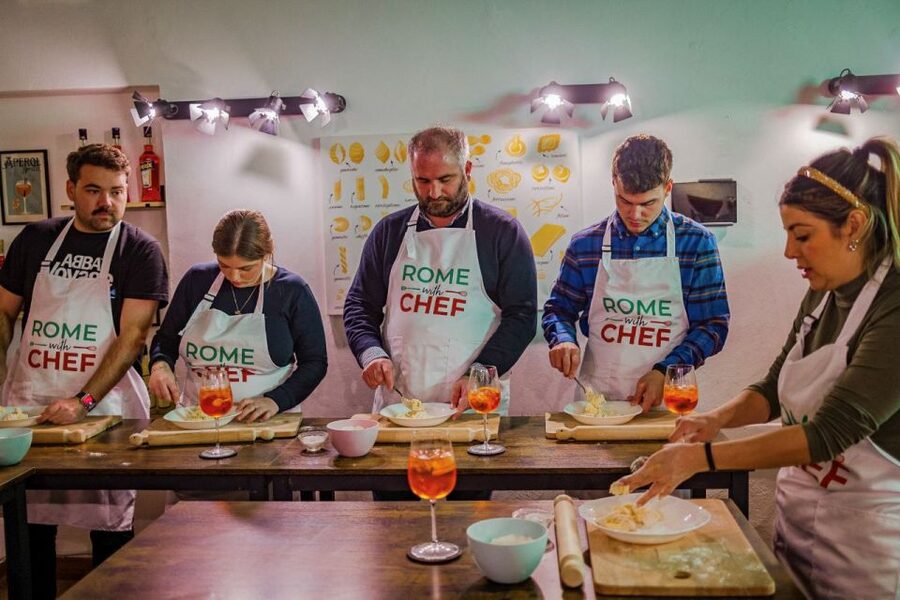
This is a class where hosts matter. Multiple experiences mention hosts with humor, great teaching energy, and personalities that keep the night flowing. Names that come up include Angela, Marcella, Sherry, Bart, and Laura—and people describe them as genuinely fun while still guiding technique.
You’ll also likely feel cared for as a participant. One example that stands out: Laura is mentioned for making sure someone still had a good time despite a prior injury, while still keeping them part of the class. That tells me this isn’t just a script read from start to finish. It’s more human than that.
That matters because when you’re cooking with timing and mixing drinks, a host who can keep things moving smoothly makes the difference between a chaotic mess and a memorable meal.
What’s included (and how that affects the value you get)
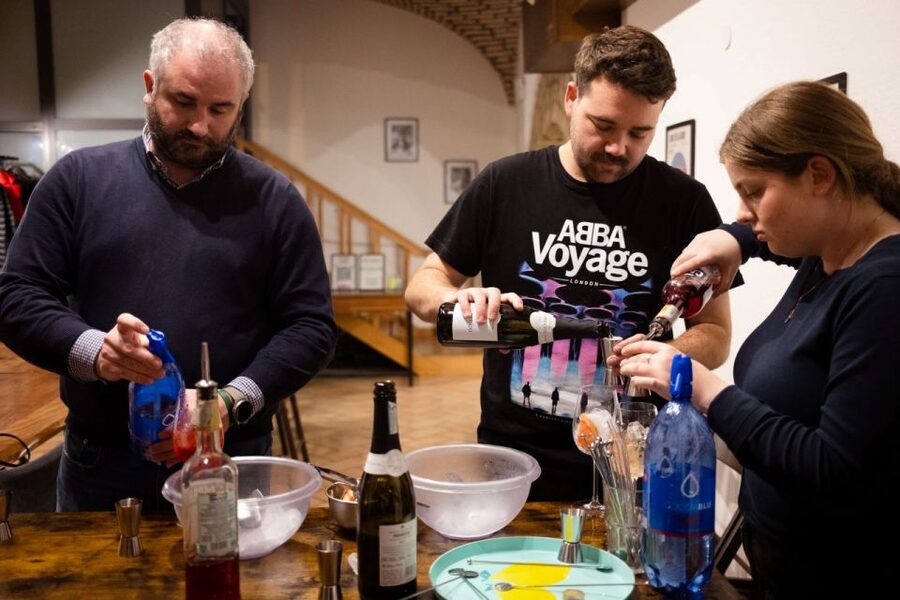
For about $100.82 per person, you’re not just buying a seat. You’re getting:
- workshop led by a professional chef and mixologist
- local culinary expert support
- fresh, locally sourced ingredients
- Aperol spritz, Hugo spritz, Limoncello spritz
- unlimited water and soft drinks
- handmade pasta and sauces (carbonara / cacio e pepe)
- lunch/dinner
- recipes to take home
Here’s the value math in plain terms: you’re paying for a guided, multi-topic workshop where ingredients and drinks are part of the price, plus you leave with recipes. In Rome, that combination is often what makes these classes feel worth it versus just paying for a one-dish tasting.
Also, you’re getting both a meal and a skill lesson. That’s the kind of “I’ll actually use this later” payoff that justifies the cost for me.
Dietary limits: who should think twice
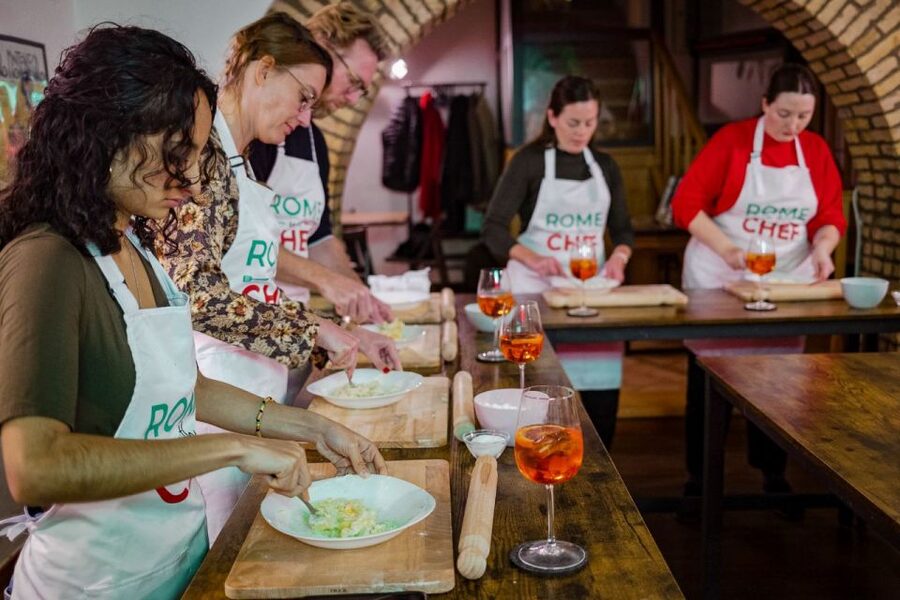
This is the big drawback to plan around. The class notes that it cannot accommodate:
- coeliac disease or gluten intolerance
- vegan diets
- lactose intolerance, because dairy products are used
If you have any dietary restrictions, you’re asked to tell them in advance so they can try to figure out how to best accommodate. But based on the hard limitations, I’d treat gluten-free and vegan as off the table.
If you eat dairy and gluten normally, you’ll be fine. If you don’t, this class will likely be frustrating or impossible to adapt.
Who this class is best for
This works especially well if you fit one (or more) of these:
- You want a hands-on Rome food experience, not a passive tasting
- You like the aperitivo culture and want to learn spritz craft
- You enjoy social, relaxed nights with a host who jokes and teaches
- You want recipes you can repeat later at home
It may be less ideal if:
- you’re strict about dietary needs (gluten, vegan, lactose-free)
- you prefer alcohol-free experiences and don’t want the tipsy format
- you get overstimulated by a lively, drink-included pace
Small practical tips to make your night smoother
These are general tips based on how the experience is framed:
- Eat before you go if you’re sensitive to alcohol, or at least be sure you’re ready for steady drinking during the session.
- Wear something you can move in. Pasta work is physical and messy in a good way.
- Ask for the recipes mindset. When someone hands you recipes to take home, treat them like a checklist you’ll actually use.
And if you want to maximize the spritz learning, keep a simple focus: notice what changes when you switch bases from Aperol to Hugo to Limoncello, and how the balance changes with citrus/herbal notes.
Should you book Spritz and Spaghetti?
If you want a memorable, social, skill-based evening in Rome—pasta-making plus spritz mixology—this is a strong pick. The reason it gets such high marks is pretty clear from the experience details: you leave with real techniques, not just a full stomach, and the hosts keep things fun while teaching carbonara and cacio e pepe alongside three spritz variations.
Skip it if your diet excludes gluten, dairy, or animal products, because the class explicitly can’t accommodate those needs. Also, if you’d rather have a quieter cooking class with no alcohol component, consider another option.
If you do fit the menu, book it and plan to treat it like a Roman aperitivo evening where you also learn how to cook.
FAQ
How long is the Spritz and Spaghetti cooking class?
The experience lasts 3 hours.
What is the price per person?
The price is $100.82 per person.
Where does the class meet in Rome?
The meeting point is Via Cesare Balbo, 19, 00184. You should look for a sign that says Rome With Chef outside.
What time does the class end?
It ends back at the meeting point (time is tied to the 3-hour duration).
What cocktails are included?
You’ll make and enjoy Aperol spritz, Hugo spritz, and Limoncello spritz.
What pasta dishes will you learn to make?
You’ll learn carbonara and a vegetarian cacio e pepe option.
Does the class include food to eat?
Yes. Lunch/dinner is included, along with handmade pasta and sauces.
Is it suitable for gluten-free or vegan diets?
No. The class states it cannot accommodate coeliac disease, gluten intolerance, and/or vegan diets. It also cannot accommodate lactose intolerance because dairy products are used.
What language is the class taught in?
The class is taught in English.
Is cancellation allowed and can you pay later?
Yes. You can cancel up to 24 hours in advance for a full refund. You can also reserve now and pay later.