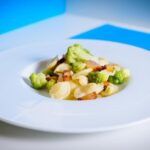
REVIEW · BARI
Bari: Pasta & Tiramisu Cooking Class at a Local’s Home
Book on GetYourGuide →Operated by Cesarine · Bookable on GetYourGuide
Handmade pasta beats any restaurant meal. In Bari, this pasta and tiramisù cooking class is interesting because you learn sfoglia and dessert skills right inside a local’s kitchen, guided in English by an experienced home cook.
I love the hands-on focus on making pasta from scratch (not just watching). You’ll also get to taste the full meal you create, with prosecco aperitivo and wine at the table, so it feels like a real Italian evening rather than a quick demo; the only real drawback is that it’s in a private home and it’s not suitable for wheelchair users, plus you only get the full address after booking for privacy.
In This Review
- Key things to know before you book
- Why a Bari Pasta and Tiramisu Class in a Real Home Works
- Cesarine Hosts in Bari: What the Network Feels Like
- The 3-Hour Flow: Aperitivo, Pasta Dough, and a Full Meal
- 1) Aperitivo to start: prosecco and nibbles
- 2) Fresh pasta, hands-on: rolling sfoglia and making dough
- 3) Cooking and eating: your pasta recipes on the table
- 4) Tiramisu time: the iconic finale
- 5) Coffee and beverages with your meal
- What You’ll Learn That Actually Helps at Home
- Rolling sfoglia by hand
- Pasta dough fundamentals
- Making two pasta types from scratch
- Tiramisu steps you can follow again
- Value in the $112.15 Price: What You’re Really Paying For
- Who This Bari Class Suits Best (and Who Might Skip It)
- Practical Notes for a Smooth Evening at a Local’s Table
- Should You Book This Bari Pasta and Tiramisu Class?
- FAQ
- How long is the Bari Pasta & Tiramisu Cooking Class?
- What does the class include?
- What language is the class taught in?
- Will I know the exact address before I book?
- Is the experience wheelchair accessible?
- What is the cancellation policy?
Key things to know before you book
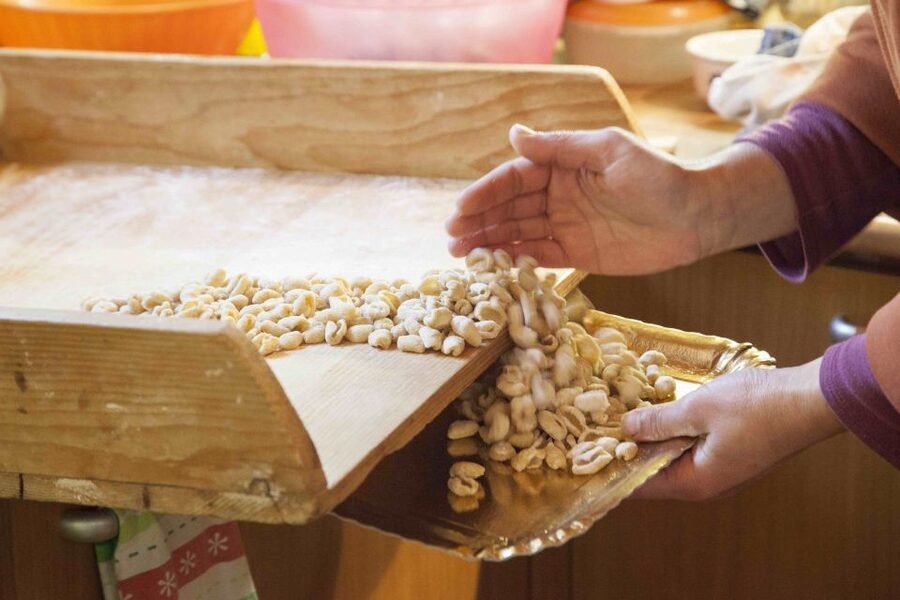
- You’ll learn fresh pasta techniques including rolling sfoglia by hand.
- Two pasta types + tiramisù means you leave with practical skills, not one recipe.
- Aperitivo first: expect prosecco and nibbles before the cooking gets serious.
- You eat what you make with lunch/dinner of the two pasta recipes and your tiramisù.
- Hosts vary by date within the Cesarine network, including people like Fernanda, Cristiana, and Juanita.
Why a Bari Pasta and Tiramisu Class in a Real Home Works
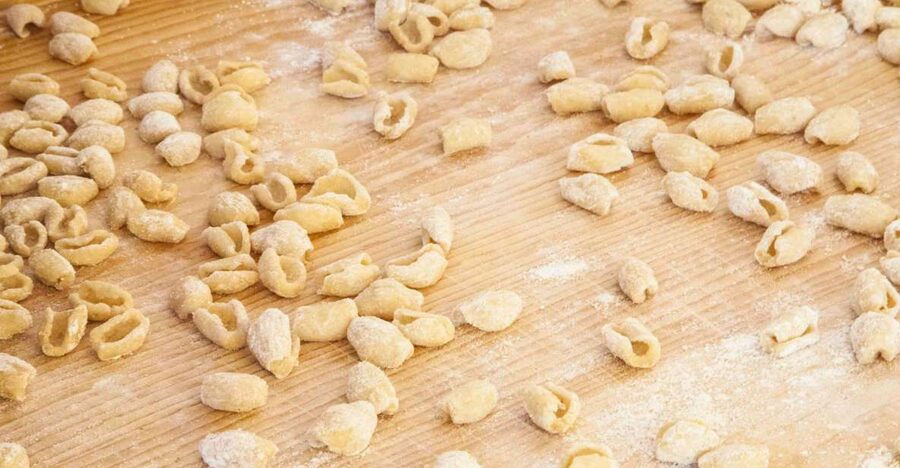
This is the kind of experience where the setting matters as much as the food. You’re not in a classroom with clipboards; you’re in someone’s home kitchen in Apulia, with an expert host who cooks the way they’ve cooked for years. That difference changes everything. The pacing is relaxed, the instructions are direct, and you get answers to the small questions that never come up in a group demonstration.
The biggest payoff is that you learn two iconic parts of Italian cuisine in one go: fresh pasta and tiramisu. One class might teach you pasta; another might teach dessert. Here, you get both, and the meal you eat is built around your work. That makes it feel like a complete experience, not a “ticket for dinner.”
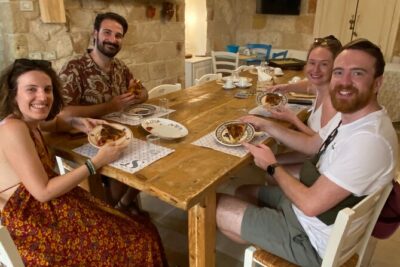
There’s also a social side that’s more natural than forced. You’ll cook with other food lovers, share the table, and compare notes while you eat. If you enjoy talking about ingredients and technique, you’ll likely come away with new friends and a few go-to ideas for your own kitchen.
You can also read our reviews of more tours and experiences in Bari.


Cesarine Hosts in Bari: What the Network Feels Like
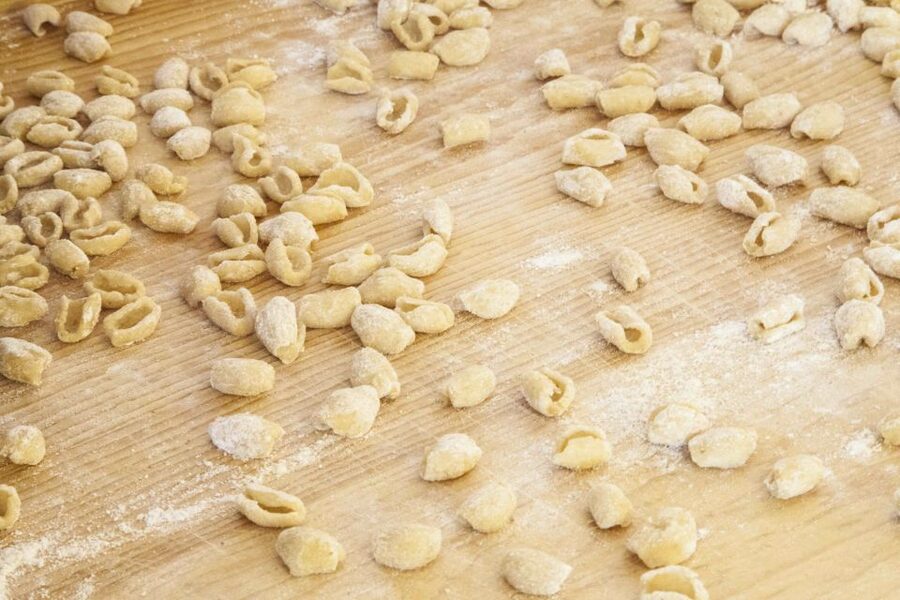
This class is run through Cesarine, a home-cook network available in more than 500 cities across Italy, and described as the oldest of its kind. What you feel as a guest is simple: you’re being welcomed by a local cook who’s sharing family-style food culture, not just teaching recipes for a business.
In Bari, hosts can differ depending on the date. For example, Fernanda and her family have hosted classes that focused on pasta made by hand, and guests have also been welcomed by hosts like Cristiana and Juanita. The common thread is the same: warm hospitality, clear guidance, and pride in local ingredients.
One practical thing to know: for privacy, you only receive the full address after booking. That’s not a problem, just a reminder to plan for a little extra coordination. Also, the host pairing is based on details you provide at booking—things like food intolerance/allergies, the neighborhood you’re staying in, and how you plan to travel. If you take a minute to fill that in carefully, your experience starts smoother when you arrive.
The 3-Hour Flow: Aperitivo, Pasta Dough, and a Full Meal
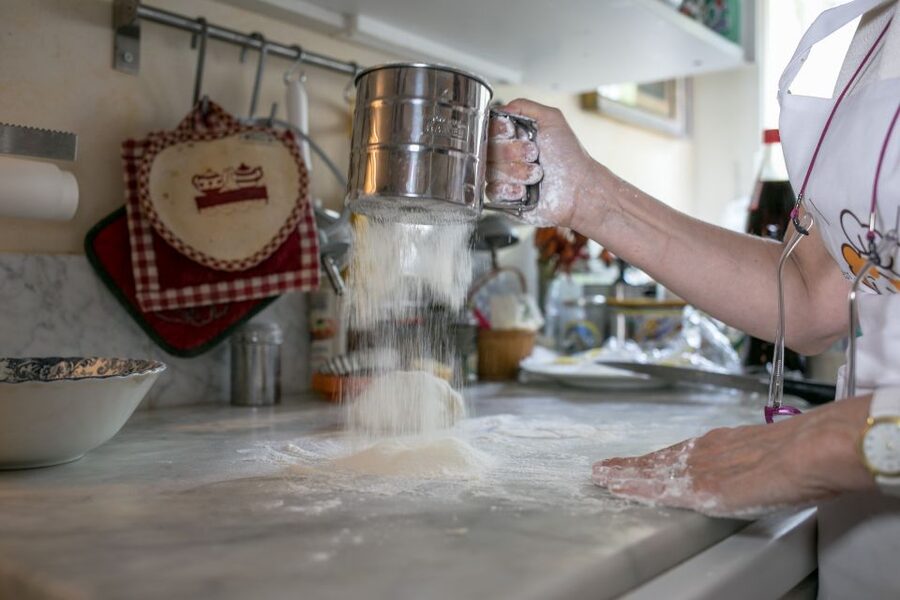
The schedule is tight enough to feel productive, but not rushed in a stressful way. You’re there for about three hours, and the class is designed around making and then tasting everything.
Here’s the rhythm you can expect:
1) Aperitivo to start: prosecco and nibbles
You begin with an Italian aperitivo—prosecco and nibbles—before you roll, mix, and cook. That opening is more than a drink. It sets the tone: you settle in, meet your host and fellow guests, and get comfortable asking questions before the kitchen gets busy. It also helps you pace yourself for real cooking work that comes next.
2) Fresh pasta, hands-on: rolling sfoglia and making dough
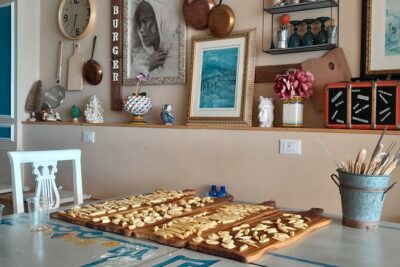
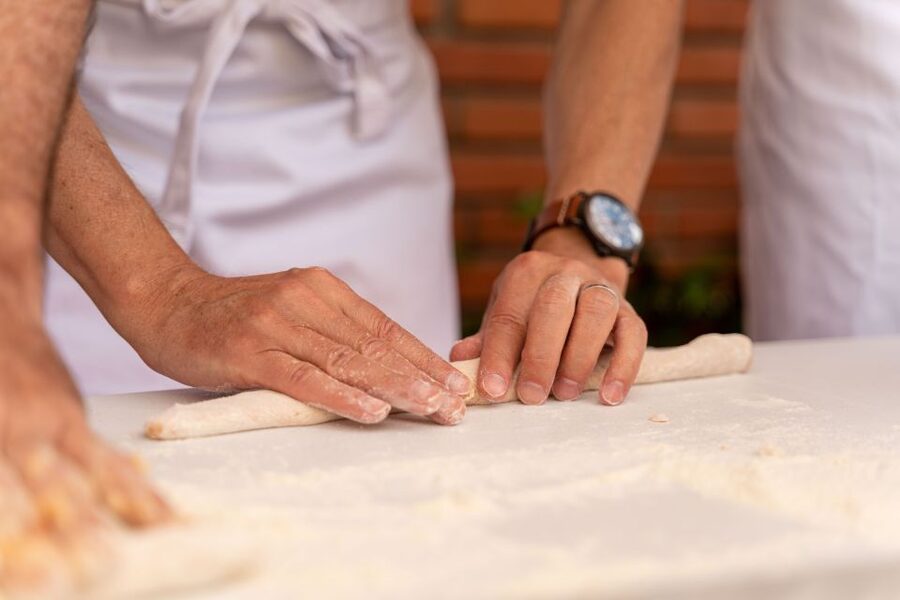
The core lesson is learning fresh pasta from scratch. You’ll roll sfoglia by hand and prepare dough and pasta from basic ingredients. One of the most useful parts is how technique-focused the instruction is, especially for getting the dough to the right feel before shaping.
In classes hosted by Fernanda (and others in the same network), guests have been taught pasta dough from semolina and warm water by hand. Even if your host teaches a slightly different method, the takeaway is consistent: you learn the fundamentals, not just the end result.
You’ll also prepare two different pasta types from scratch. Exact shapes may vary depending on the host and what they teach that day, but the important point is that you’re not doing one “shortcut” pasta recipe. You’ll go through the process of making, shaping, and getting it ready to cook.
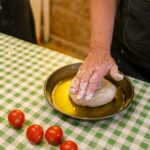

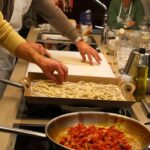
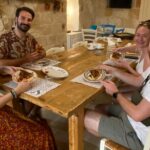

3) Cooking and eating: your pasta recipes on the table
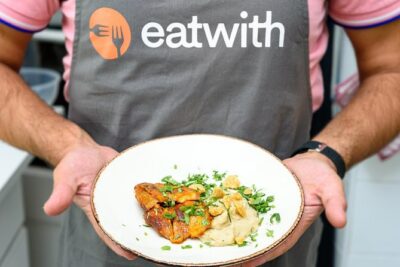
After the prep, you eat what you made: the class includes lunch/dinner of the two pasta recipes plus tiramisu. In other words, you don’t leave hungry or wait until later for dinner plans to kick in. And because it’s your own work, you pay closer attention when the pasta is cooking—how it behaves, how it changes, and how sauces complement it.
One real detail from past sessions: pasta cooked with tomatoes, olive oil, and related basics is part of the instruction flow. That’s great because those flavors are accessible. You’re not learning a sauce you can’t recreate at home without special ingredients.
4) Tiramisu time: the iconic finale
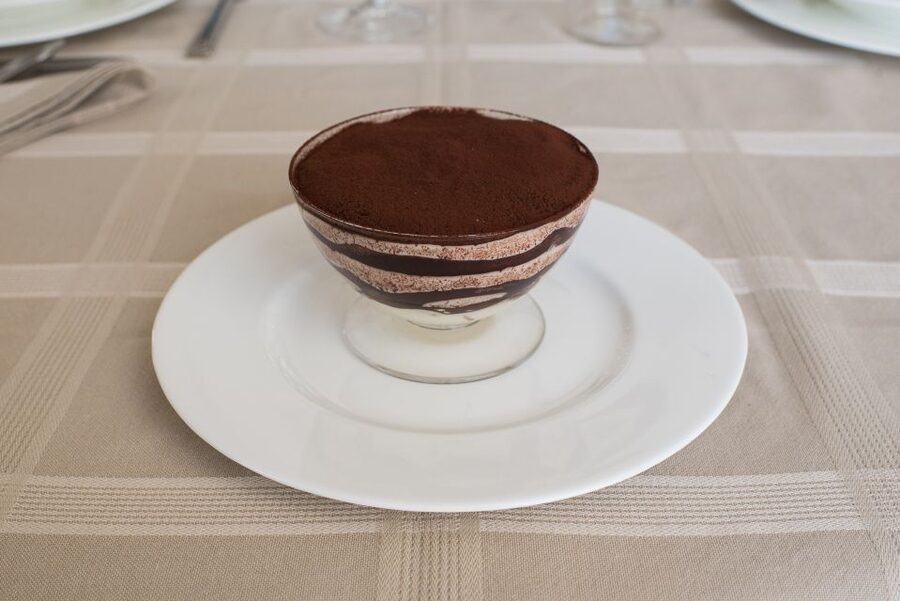
Then comes the dessert. You’ll learn to prepare tiramisu as the “icing on the cake.” Since the class is designed as a complete meal, you’re not just mixing something in a bowl and sending it away. You learn the steps for making classic tiramisù and then you taste it as part of the shared meal.
Even if dessert is your weak spot, this format helps. You’ll see what the host is doing, get feedback, and end with a result you can remember clearly when you’re back home.
5) Coffee and beverages with your meal
The included beverages cover water, wines, and coffee. That means you can focus on the experience without constantly thinking about ordering or paying extra. It also adds to the feeling that you’re being hosted—not just scheduled.
What You’ll Learn That Actually Helps at Home
This class is valuable because it teaches you techniques you can repeat, not just a list of ingredients. The two biggest “take-home” skills are:
Rolling sfoglia by hand
There’s a reason sfoglia gets attention. When you learn to roll thin pasta by hand, you understand how dough stretches and how texture changes as it thins. It’s also a skill that makes future pasta nights easier—because you stop treating pasta-making like magic and start treating it like craft.
Pasta dough fundamentals
Learning a method based on semolina and warm water (as taught in some sessions) gives you a reliable starting point. You’ll understand what the dough stage feels like before it ever hits the pan.
Making two pasta types from scratch
Two pasta types matter. You practice consistency in dough-making and then you see how different shapes and cooking needs behave. That widens your home-cooking confidence.
Tiramisu steps you can follow again
You’ll get a guided approach to building tiramisù. The value here is not only taste—it’s the confidence that comes from seeing how the host does it.
To get the most from the class, I’d treat it like a skills workshop: ask questions while you’re working, not after the meal. If something feels off—too dry dough, difficult rolling, or uneven shaping—bring it up immediately. That’s when your host can adjust you.
Value in the $112.15 Price: What You’re Really Paying For
At $112.15 per person, this isn’t the cheapest thing in Bari. But it’s also not priced like a tourist dinner. You’re paying for four concrete benefits:
1) Two full recipes worth of instruction (fresh pasta and tiramisù).
2) A real home setting with local hosts through the Cesarine network.
3) Aperitivo + drinks (prosecco, wine, water, coffee).
4) The meal included—two pasta dishes and your dessert.
If you compare the cost to buying pasta ingredients plus a dessert plus wine, it starts to make sense. You’re not just paying for food. You’re paying for technique, guidance, and the chance to learn in a kitchen where the host can show you the “small fixes” that matter.
Is it still a splurge? Sure. But it’s a targeted one: you’ll leave with skills you can use again, and with a story that doesn’t rely on sightseeing schedules.
Who This Bari Class Suits Best (and Who Might Skip It)
This class fits best if you want more than a meal. It’s ideal for couples, small groups, and solo travelers who like doing something hands-on and social. You’ll also get along well with this format if you enjoy Italian food culture and want to understand how simple ingredients turn into iconic dishes.
You might consider skipping it if:
- You can’t handle hands-on cooking activity and prefer to watch rather than participate.
- You need wheelchair access (it’s not suitable for wheelchair users).
- You’re traveling on a tight schedule where three hours in one place feels hard to fit.
That said, the overall vibe tends to be friendly and welcoming, and the class includes a shared table so you’re not left standing around waiting for dinner to happen.
Practical Notes for a Smooth Evening at a Local’s Table
A few things will make your experience easier from the moment you book:
- Address privacy: you get the full address after booking, because it’s held in a local’s home.
- Allergies and intolerance: the host pairing depends on what you share at booking (or by email using your booking reference). If you have dietary needs, don’t leave it for the last minute.
- Getting there: you should share your neighborhood and how you’ll travel so the host pairing can match you appropriately.
- Language: instruction is available in Italian and English.
- Instructor: the class is taught by an Italian instructor who speaks English.
If you’re organized with your dietary questions and you arrive on time, the rest tends to flow naturally—because the host’s job is to guide you step by step.
Should You Book This Bari Pasta and Tiramisu Class?
I think you should book it if your goal for Bari is authentic food culture you can touch. Learning to roll sfoglia, making two pasta types from scratch, and finishing with tiramisu in a local home is a strong use of a few hours. The included aperitivo and meal make it feel like a complete evening, not an add-on.
Skip it if you’re only hunting for a quick, low-effort dinner or if mobility access is a constraint. Also, if you dislike structured participation, remember this is hands-on cooking, not a passive show.
If you want real technique plus real hospitality in Bari, this is a smart choice.
FAQ
How long is the Bari Pasta & Tiramisu Cooking Class?
It lasts about 3 hours. Starting times depend on availability.
What does the class include?
You’ll make pasta (two iconic pasta types) and tiramisù, enjoy an Italian aperitivo with prosecco and nibbles, and have lunch/dinner of the two pasta recipes plus tiramisù. Beverages included are water, wines, and coffee.
What language is the class taught in?
The class is taught in Italian and English.
Will I know the exact address before I book?
For privacy, you only receive the full address of the host after you book.
Is the experience wheelchair accessible?
No, it is not suitable for wheelchair users.
What is the cancellation policy?
Free cancellation is available up to 24 hours in advance for a full refund.