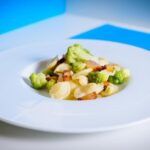
Fresh pasta lessons beat a museum day. This Apulian class in a local home with Juanita is all about hands-on technique for focaccia and fresh pasta, plus a real sit-down meal with wine and small starters. I especially love the way she coaches your hands while you shape orecchiette, and I also like the warm, chatty home atmosphere that makes learning feel easy. One possible drawback: since dough needs time to rest and bake, the pacing isn’t a quick demo, so you’ll want to treat it like a relaxed 2.5-hour food workshop, not a fast stop.
The location is convenient for sightseeing. You’ll meet at Via Domenico Nicolai 105, a walkable spot that’s about 10 minutes from the Central Train Station, near shopping streets and key sights like the old town, the Cathedral, the Basilica, Palazzo Fizzarotti, and Petruzzelli theater.
This is a small-group setup, with a max of 8 people, so you’re not stuck watching from the sidelines. You’ll go at your own level, then leave with recipes to recreate the flavors back home.
In This Review
- Quick hits: what makes this Bari class special
- A Bari cooking class in a real home, near the action
- Meet Juanita: warm teaching, hands-on work, and an aperitivo start
- Bari focaccia: dough basics, topping ideas, and that baked comfort
- Orecchiette shaping: the pasta little-eared technique you’ll remember
- What you eat: antipasti, sauces, and a full sit-down lunch
- Taking the recipes home: you’ll want to actually use them
- Price and value: is $107.40 a good deal in Bari?
- Who this class fits best (and who should skip it)
- Practical details that help you plan your day
- Should you book Juanita’s focaccia and orecchiette class?
- FAQ
- How long is the Apulian cooking class?
- Where is the meeting point in Bari?
- What will I learn to cook during the class?
- How big is the group?
- Will I get recipes to take home?
- Is it easy to cancel if plans change?
Quick hits: what makes this Bari class special
- Small group coaching (max 8) so shaping and troubleshooting actually happen
- Bari focaccia + fresh pasta with clear, practical steps you can repeat later
- A home-style aperitivo and meal after you cook, so you taste what you made
- Real technique for orecchiette (including shaping methods and tips for getting the pasta right)
- Recipes to take home, letting you “rebuild” the menu after your trip
A Bari cooking class in a real home, near the action
If you want one food experience that feels less like a performance and more like learning a family habit, this is a strong pick. The class runs about 2 hours 30 minutes, and it starts and ends back at the meeting point on Via Domenico Nicolai 105, so you’re not constantly re-routing through the city.
Location matters here. You’re near the Central Train Station, plus you’re close to the shopping streets and major landmarks in Bari’s historic area. That means you can pair this with a morning of Cathedral-and-old-town wandering, then switch gears and get into dough and flour without feeling like you’re crossing the entire city.
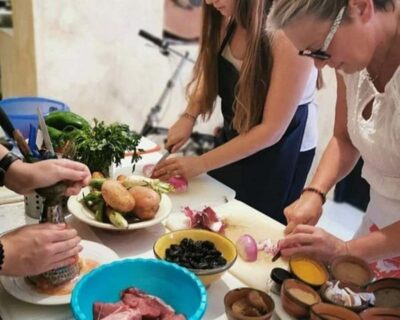
The other big factor is the format. With a maximum of 8 people, you get more attention, and Juanita can adjust her coaching while you work. You’re also in a home environment, which often means the pace is more human-scale than big cooking schools.
You can also read our reviews of more tours and experiences in Bari.
Meet Juanita: warm teaching, hands-on work, and an aperitivo start
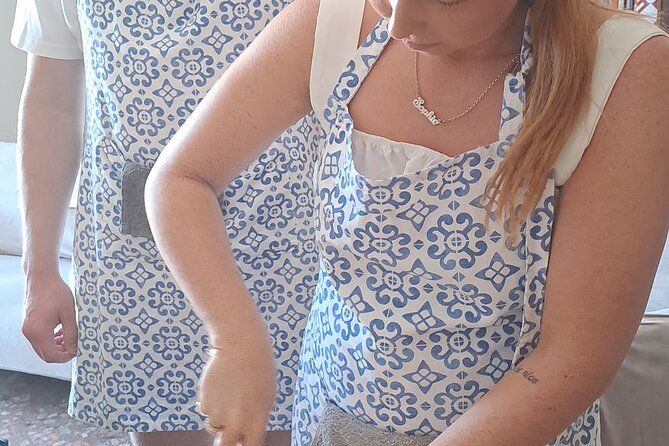
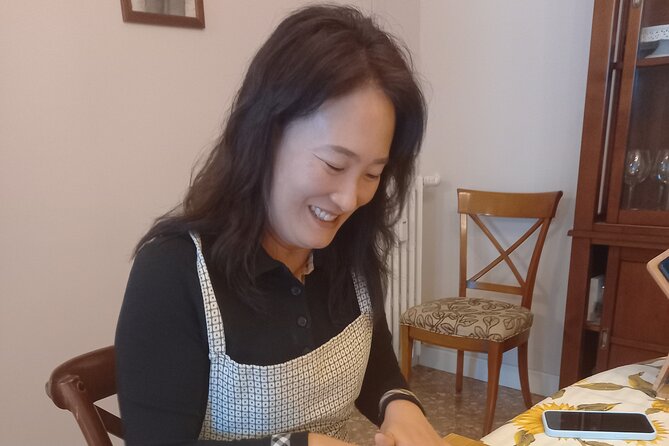
Juanita is the heart of the experience. People consistently describe her as welcoming, patient, and organized, with a teaching style that works both for absolute beginners and for people who already cook. She doesn’t just hand you instructions; she shows how to do things correctly, then checks your technique as you go.
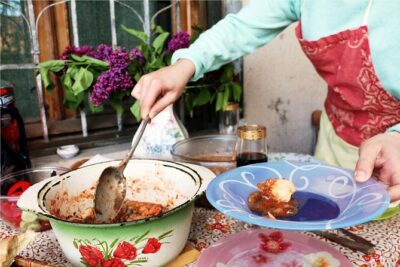
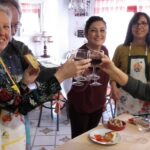
Expect a proper start before you even touch the dough. The class typically begins with antipasti and a drink option like wine, and in some cases there are small extras such as coffee or even cake. The food spread isn’t random snacking either. It’s the kind of Apulian grazing you’d actually set out at home, with items like marinated zucchini with olive oil and mint, roasted peppers with garlic and oil, and cheese-and-tomato style bites.
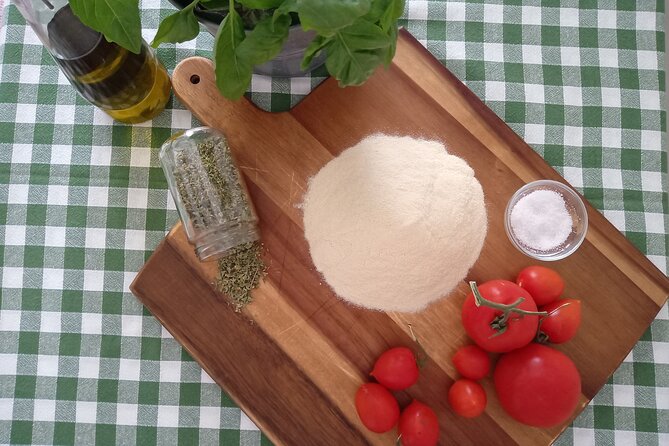
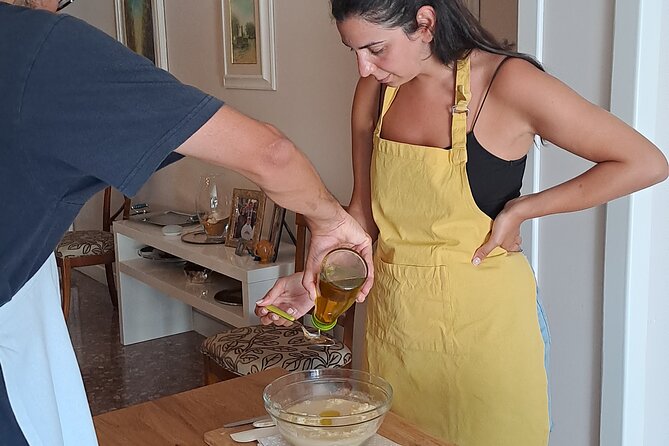
Then the workshop begins. You’ll move from discussion to flour and yeast, with guidance that includes practical details like how to think about the flours used for different breads and pastas. If you like learning the logic behind cooking, you’ll appreciate that approach.
Bari focaccia: dough basics, topping ideas, and that baked comfort
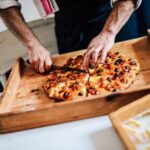
Focaccia in Puglia isn’t just bread. It’s a whole style of cooking, built on texture and timing, and it shows up at the center of everyday meals. In this class, you’ll make traditional Bari focaccia and get coaching on the dough-making process.
Why focaccia is a perfect class choice: it teaches core bread instincts quickly. You learn how the dough should feel, how yeast works in your hands, and why resting time matters. Several parts of the process depend on patience, so you’re not just forming a loaf and hoping. You’re building rhythm.
As the dough is handled and baked, you’ll also see how focaccia fits into the wider menu. For example, the class connects the lesson to the Bari identity around orecchiette—so it doesn’t feel like two unrelated dishes. They’re part of the same food culture.
When you eat, it’s usually topped or served in ways that highlight tomatoes and olive oil, plus you’ll likely get additional sides. It’s the kind of meal where you stop and think, this is what people mean when they say local cooking is simple and serious at the same time.
Orecchiette shaping: the pasta little-eared technique you’ll remember
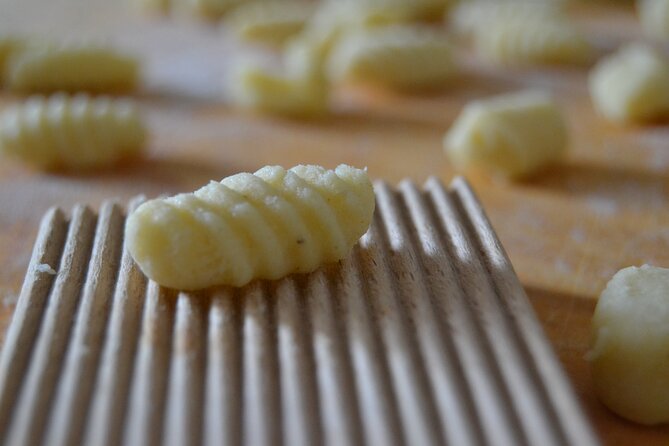
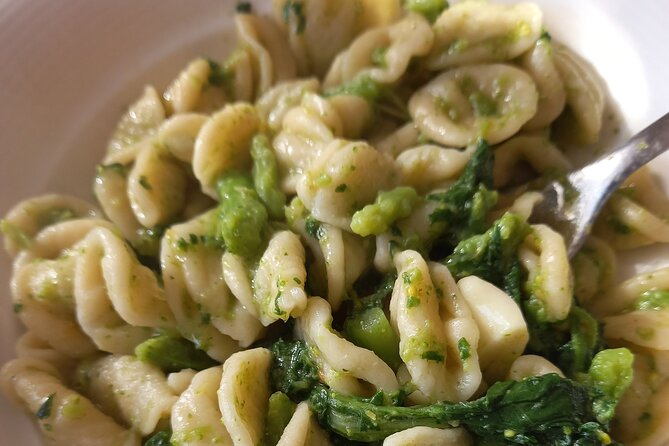
The focaccia teaches bread logic. The pasta teaches your hands. The star dish is orecchiette, and Juanita focuses on the shaping technique that makes it unmistakable.
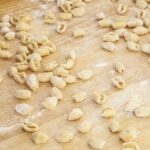
If you’ve never made orecchiette, here’s the reality check: it takes practice. But that’s exactly why this class works. Juanita demonstrates the right method, then helps you correct yours while you’re working. The coaching is especially helpful because many first-timers end up with flat discs when they’re trying to form the “little ears.”
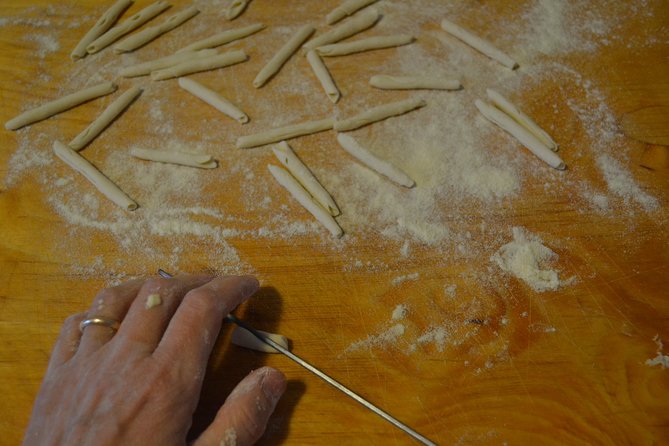
One useful technique mentioned in the experience is rolling and shaping with a serrated knife method to help form the ear shape. Beyond the tool, the lesson is about motion and pressure—how you roll, how you size the pieces, and how you shape them so they cook evenly.
Then comes the best part: you don’t just leave with dough skills. You eat the result. In many menus, the orecchiette is served with sauces that match Apulian traditions—often including choices like pesto, plus sides such as cimi di rapa (turnip greens), which shows up as a classic accompaniment.
What you eat: antipasti, sauces, and a full sit-down lunch
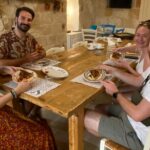
This class is built around the idea that cooking is incomplete without eating what you made. After the dough work, you sit down and enjoy the meal as a group, with the portion structure feeling like a genuine home lunch rather than a buffet setup.
The antipasti spread tends to be the warm-up act. You might see a mix of marinated vegetables, cured meats, and cheeses, plus a few bites built around Apulia’s olive oil and dairy traditions. People also mention charcuterie-style boards and homemade bread, which helps the meal feel cohesive instead of random.
Then you move into the pastas and focaccia. The orecchiette is the centerpiece, with sauces that can include classic tomato-based options and versions with herbs like pesto. You’ll typically taste the pasta with the sauce while it’s still fresh enough to feel alive, not reheated and tired.
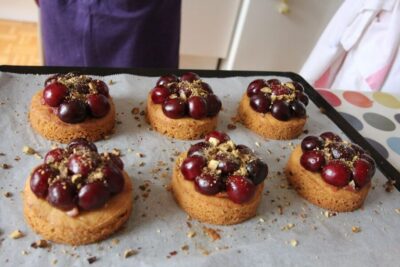
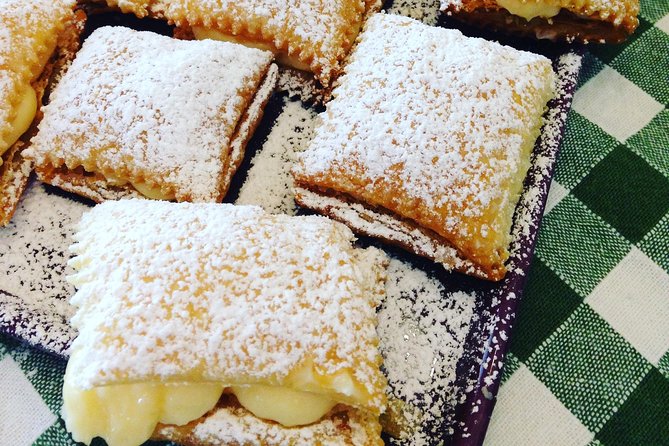
And yes, dessert is often part of the experience. Tiramisu shows up frequently, and limoncello is another post-meal favorite described in the experience. Coffee may follow too, which is a nice way to end a food lesson without making it feel abrupt.
Taking the recipes home: you’ll want to actually use them
The value of a cooking class isn’t the memory of a great meal. It’s what you can rebuild after your trip. Here, you get recipes to take home, and that can make a huge difference if you’re the type who likes repeating favorites.
You’ll also get clear guidance on the ingredients and technique points that matter most: dough handling, flour choice basics, shaping method, and how timing affects results. Even if your orecchiette don’t look perfect the first time, you’ll know what to adjust.
A nice touch is that photos and written recipes have shown up in the experience as follow-up material for some people. If that happens for your session, it’s a practical safety net when you’re trying to remember which step came first.
Price and value: is $107.40 a good deal in Bari?
At $107.40 per person, this isn’t the cheapest food activity in Bari. But it can be good value if you zoom out and look at what’s included and what you’re paying for.
You’re paying for:
- A small-group home class (max 8), which means more coaching time
- Hands-on instruction for both dough-based focaccia and shaped pasta
- A full meal experience with antipasti and drinks
- Take-home recipes, so the learning continues after you leave
In other words, you’re not just buying ingredients. You’re buying technique coaching in a real home, plus an eating experience that matches what you cooked. If you’re the kind of traveler who would happily pay for one top food moment, this is priced in a way that makes sense.
If you’re on a tight budget, you could choose a cheaper tasting tour. But if you want a skill you can repeat, this class is often worth the splurge.
Who this class fits best (and who should skip it)
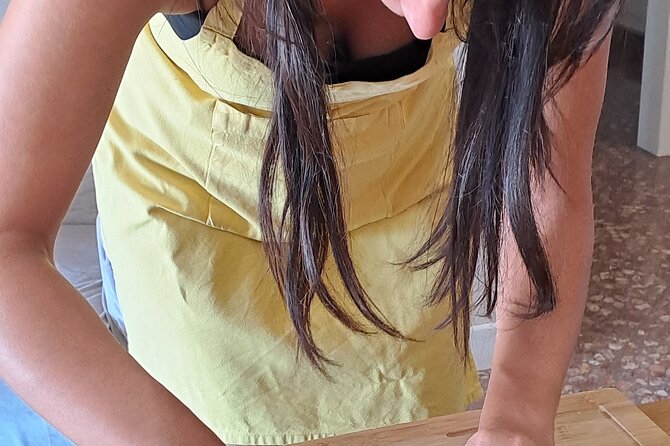
This works best if you want an authentic Bari food day that’s active but not stressful. It suits:
- Couples who like doing something together beyond eating
- Food lovers who want to learn the “how,” not just the “what”
- Beginners who need patience and clear coaching
- Experienced cooks who want technique feedback and traditional local method
It might not fit as well if:
- You hate waiting on dough rest and bake time
- You want a super fast, sightseeing-heavy itinerary with no “food downtime”
- You’re looking for a lecture-only class (this is hands-on)
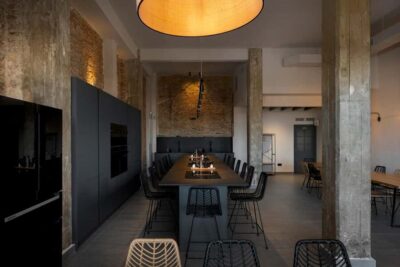
Also note the setting. It’s a home environment, so plan for that vibe: not a formal cooking studio, more personal and lived-in.
Practical details that help you plan your day
The class runs throughout the day range of 10:00 AM to 5:00 PM, and you’ll work out the start time with the host. Many sessions seem to begin around 10:00 AM, especially when people combine it with other morning plans.
You’ll want to build your Bari day so you arrive relaxed. Since you’re walking distance from the old-town zone and close to the station, it’s easy to weave into your schedule, but it’s still a good idea not to stack back-to-back timed activities.
If you’re traveling with kids, the experience can provide child seats if you give notice at booking. And since you get a mobile ticket, you won’t be scrambling for printed paperwork.
Should you book Juanita’s focaccia and orecchiette class?
Book it if you want a Bari experience that’s hands-on, personal, and built around real Apulian food. This is the kind of activity that can become a highlight because you leave with more than photos—you leave with technique, recipes, and the confidence to make orecchiette and focaccia again.
Skip it if you’re searching for a quick tasting or a purely observational experience. The class is active, and the pacing includes dough time, coaching, and eating the results as part of the flow.
If you’re on the fence, my simple rule is this: if you’d rather learn how to cook than just sample, you’ll likely be happy you booked.
FAQ
How long is the Apulian cooking class?
It runs about 2 hours 30 minutes.
Where is the meeting point in Bari?
The meeting point is Via Domenico Nicolai, 105, 70122 Bari BA, Italy.
What will I learn to cook during the class?
You’ll learn to make traditional Apulian focaccia and fresh pasta, with a focus on orecchiette.
How big is the group?
The class has a maximum of 8 travelers.
Will I get recipes to take home?
Yes. You’ll receive the recipes so you can make the dishes again after your trip.
Is it easy to cancel if plans change?
You can cancel for a full refund up to 24 hours before the experience’s start time. Confirmation is received at booking, and cancellation terms follow local time.