REVIEW · BARI
Bari Cooking Class: Traditional Focaccia & Orecchiette
Book on GetYourGuide →Operated by VELO SERVICE Tour Operator · Bookable on GetYourGuide
A fistful of flour and a plan to learn fast. This Bari class is built around hands-on dough time and local technique, not watching from the side. You’ll work in a small group at a private venue in the old town, then sit down to eat what you made with a glass of local wine.
I especially like that you make two Bari icons, Focaccia Barese and handmade orecchiette, using traditional motions you can actually repeat later at home. Many sessions also pair an English-Italian guide with a patient teacher, with names like Gianfranco, Alessio, Julia, and Nonna Ana popping up across experiences.
One possible drawback to plan for: the orecchiette shaping can be a bit technical, and if you prefer a lot of direct, step-by-step coaching, you may want to double-check what your instructor emphasizes. Also note there is no gluten-free option listed.
In This Review
- Key Things You Should Know Before You Go
- Bari Cooking Class: From Via Vallisa to a Private Dough Workshop
- The 10-Minute Walk That Changes the Vibe
- Focaccia Barese: 40 Minutes of Knead, Shape, and Golden Finish
- Handmade Orecchiette: 30 Minutes of the Nonna-Style Motion
- Tasting the Meal: 20 Minutes That Makes Everything Click
- Wine Time and Photo Stop: 10 Minutes of Local Flavor
- Small Group Size: Why It Usually Feels Personal
- Price and Value: What $80 Buys You in Bari
- Vegetarian Options and Dietary Notes (Plus What to Ask)
- Who This Class Suits Best (And Who Might Want Another Option)
- Practical Tips So Your Dough Day Goes Smooth
- Should You Book This Bari Cooking Class?
- FAQ
- Where is the meeting point for the cooking class?
- How long is the class?
- What dishes will I make during the class?
- Is the class suitable for beginners or kids?
- Are vegetarian options available, and is gluten-free offered?
- What’s included in the price?
Key Things You Should Know Before You Go
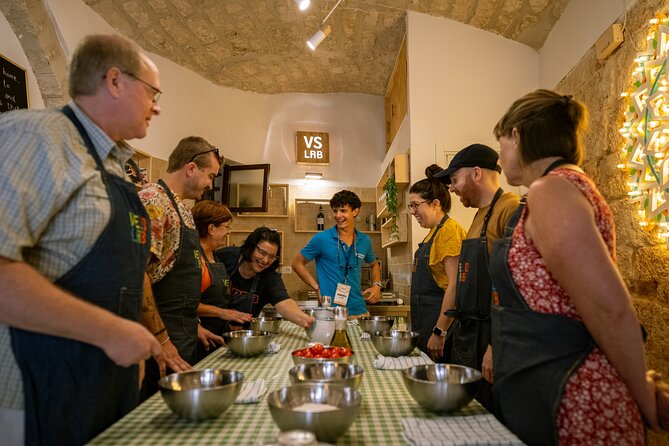
- Hidden Bari venue in the historic center, accessible only to participants
- Focaccia Barese + handmade orecchiette with real technique, not a demo-only setup
- Small groups that stay interactive, with bilingual support in English and Italian
- Included tasting and wine at the end, so you eat what you make
- Vegetarian options available, but no gluten-free is offered
- Indoor timing around ~2 hours, so weather won’t derail the plan
Bari Cooking Class: From Via Vallisa to a Private Dough Workshop
Start at Via Vallisa 81 in Bari’s old town, between the Margherita Theatre and the Basilica of Saint Nicholas. This is the kind of location that keeps you walking in the historic center for the first part of your experience, about 10 minutes on foot.
Then you’ll move from the public streets into a private cooking space only for class participants. That switch matters. In a kitchen like this, you’re close enough to ask questions, see the dough texture in real time, and get hands-on with the motions. It also sets a calmer pace than big-city food tours where you’re always on the move.
The format is also built for people who don’t cook often. The class is described as beginner-friendly, and the whole schedule is roughly 2 hours, keeping it focused without feeling rushed.
You can also read our reviews of more tours and experiences in Bari.
The 10-Minute Walk That Changes the Vibe
That short walk isn’t just transit. It’s a reset. You’re going from the old town streets into a participant-only space where the whole evening is about doing, tasting, and learning.
Once you arrive, you’ll start the cooking block and the clock begins. If you’re the kind of person who likes to feel oriented before you start working, give yourself the 5-minute margin to find the staff in light blue shirts and match up with your group.
A small timing note: the itinerary places you at the cooking area for two cooking segments before tasting. That structure helps you focus on one task at a time, instead of switching back and forth while the dough waits on you.
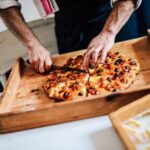
Focaccia Barese: 40 Minutes of Knead, Shape, and Golden Finish
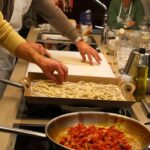
You’ll spend the first cooking portion on Focaccia Barese, aiming for that texture contrast Bari is known for: soft inside, golden and crisp outside.
The class breaks down what makes the focaccia taste like Puglia, with toppings and flavor cues that are more specific than generic Italian bread. You’ll work with ingredients described as fresh smashed cherry tomatoes, oregano, and local extra virgin olive oil. That combination is simple, but it’s exactly why focaccia is such a strong learning dish. You can see how olive oil and tomato juices affect the surface.
What I like about this segment for your planning: focaccia is forgiving enough for beginners, but structured enough to teach technique. You’ll be touching the dough, learning how it behaves, and applying toppings in a way that matches the final look. It’s a dish you can understand quickly, even if you’re new to bread-making.
If you’re someone who worries about bread going wrong, this part is reassuring because it’s a clear process with visible checkpoints: dough texture, shaping, and the final finish.
Handmade Orecchiette: 30 Minutes of the Nonna-Style Motion
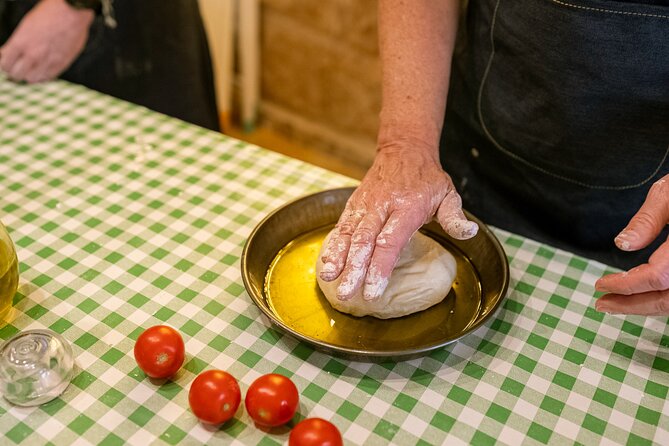
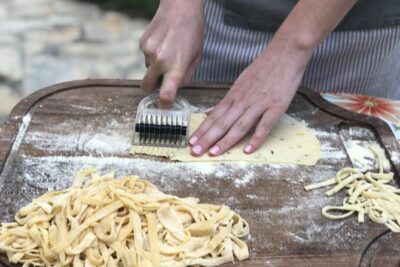
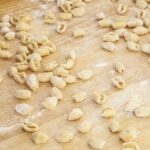
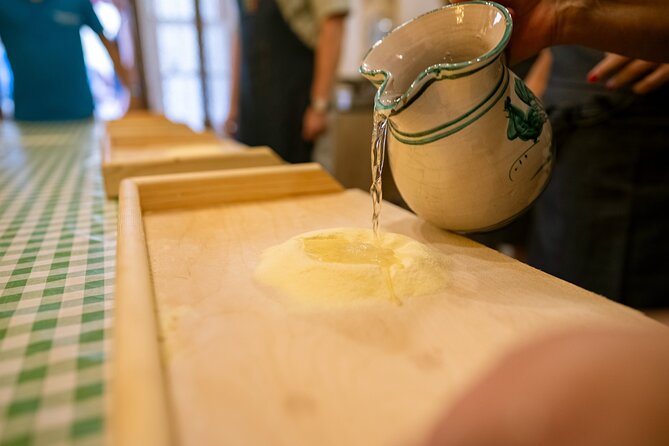
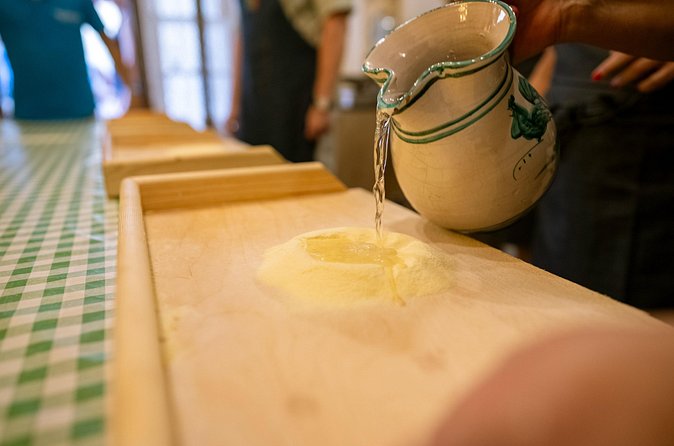
The second cooking block is handmade orecchiette, and this is where the class earns its credibility. The description calls out ancestral techniques and the traditional shaping motion used by local nonnas in the old town alleys.
This is also the part where you’ll feel whether you’re patient with your hands. Orecchiette shaping is rhythmic, but it’s not instant. You’re forming little pieces and then shaping them into the signature “little ear” style. The motion is the lesson, not just the ingredients.
Here’s a practical tip drawn from what people have learned in real sessions: if you have long nails, it can make folding and shaping harder. Short nails make the pasta work easier, especially when you’re trying to keep edges tidy.
Also keep your expectations realistic. There’s at least one experience where the orecchiette you made didn’t all end up being served, while the orecchiette you were served was still described as delicious. That doesn’t mean you wasted your effort, but it does suggest the kitchen is managing timing and doneness in ways that may not perfectly match what you personally shaped.
If you want the cleanest takeaway, ask questions during the shaping portion. The more you clarify the motion, the more likely you’ll be able to repeat it later.
Tasting the Meal: 20 Minutes That Makes Everything Click
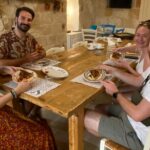
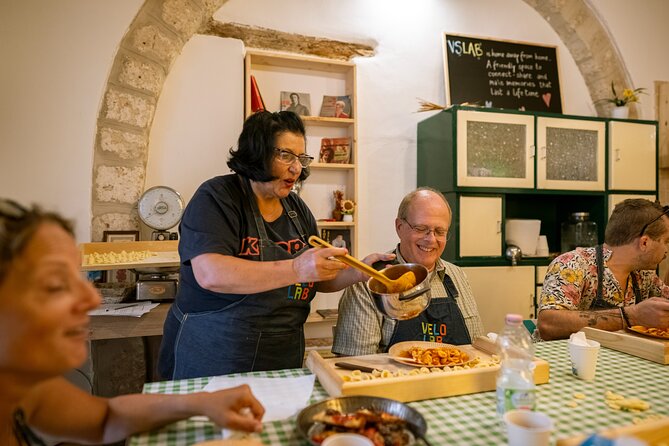
After both cooking segments, you’ll sit down for a tasting lasting about 20 minutes. This is a key part of the value: you’re not just leaving with recipes on paper. You get to taste the results in the same session.
The meal includes the dishes you prepared, and the setting is described as cozy and intimate, away from the crowds. For me, that matters because orecchiette and focaccia only make sense once you’ve tried them while everything is fresh and the flavors are still at peak.
This is also where the class shifts from cooking skills to food culture. Many hosts use small stories to explain why certain choices matter, like the role of olive oil, how tomato flavor works in focaccia, and why local pasta techniques stick around.
Wine Time and Photo Stop: 10 Minutes of Local Flavor
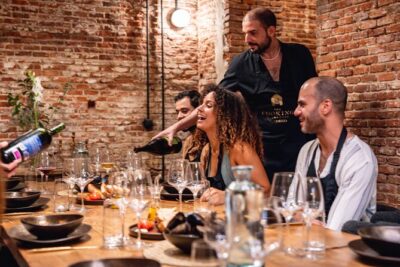
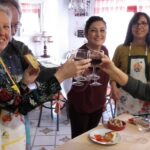
Next comes the wine tasting portion, about 10 minutes, paired with the meal. The included drink is described as a glass of excellent local wine.
This part is short by design. It keeps the pace social and relaxed without turning the class into a long evening drinking session. It’s enough time to enjoy the pairing and talk with your group, especially in a small-group setup.
Then you get a quick photo stop of about 5 minutes before returning to the meeting point. The photo break is practical, not a major tour component. It’s there to help you capture the day without draining the time you came for: cooking and eating.
Small Group Size: Why It Usually Feels Personal
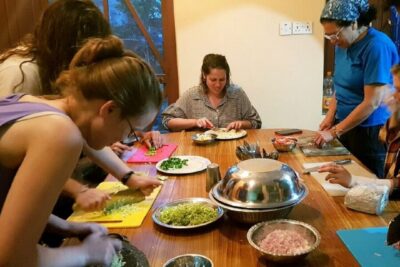
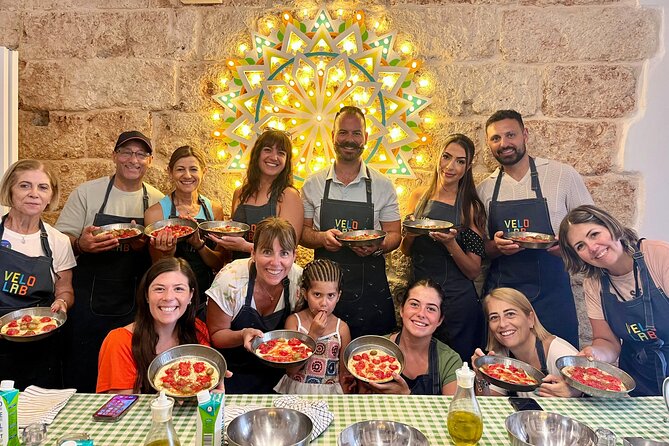
The class is described as a small-group experience with a personal touch. One example cited a group of about 7, which is small enough for faster help when your dough feels off or your orecchiette shaping needs a reset.
This is a big deal for a hands-on class. In larger groups, you often only get a quick check once or twice. In smaller groups, you can actually adjust your technique while you’re still working, which is how you improve.
You’ll also get bilingual support in English and Italian, and many sessions name guides and teachers who were friendly and helpful with translation. Depending on the day, you might work with guides such as Gianfranco or Alessio, and teachers like Julia, Ana, or Nonna Anna.
Price and Value: What $80 Buys You in Bari
At $80 per person for about 2 hours, the price can feel high compared to a meal alone. But this isn’t just dinner. You’re paying for ingredients, tools, direct coaching, and a structured plan that ends with a proper meal and wine.
Here’s what you’re getting that makes the cost make sense:
- A hands-on workshop for two dishes (focaccia + orecchiette)
- Fresh ingredients and the cooking equipment you need
- A tasting of what you make
- A glass of local wine
- Small-group attention and bilingual support
The value is strongest if you want the skill transfer. If your goal is only to eat, you might choose a restaurant. But if you want to leave with technique—how focaccia topping should look, and how orecchiette shaping works—this class is a compact way to get there.
One more reality check: there is no gluten-free option mentioned. If you need gluten-free, this may not be the right match, and you’ll want to choose a different experience.
Vegetarian Options and Dietary Notes (Plus What to Ask)
The class includes notes that vegetarian options are available if you request them in advance. That’s helpful because southern Italian cuisine often uses meat in some dishes, so it matters whether the kitchen can adapt without compromising the experience.
When you book, send your dietary restrictions clearly. The info also says to inform the provider about allergies or dietary needs.
What you should know going in:
- Vegetarian requests: available
- Gluten-free: not available
If you’re gluten-free or have strict medical needs, don’t assume substitutions. The safest route is to choose an experience explicitly built for your diet.
Who This Class Suits Best (And Who Might Want Another Option)
This is a great fit if you:
- Want to learn traditional Bari cooking in a hands-on way
- Enjoy working with dough and sauces you can smell and taste as you cook
- Like small-group settings where you can ask questions
- Want a food-focused way to see the old town beyond walking and shopping
It may be less ideal if you:
- Hate learning a technical motion (orecchiette shaping can take practice)
- Prefer very guided instruction at every step (some experiences described feeling more observation than coaching)
- Need gluten-free food (not offered in the data)
Kids: the class is recommended for ages 8+, and children must be accompanied by an adult. If you’re traveling with a family, this can be a better “activity” than another long walking tour, because it has built-in participation.
Practical Tips So Your Dough Day Goes Smooth
A few things that will make your experience easier:
- Keep nails short for easier pasta folding and shaping
- Arrive a few minutes early at Via Vallisa 81 so you’re not rushed
- Bring curiosity: ask how the dough should feel and what your teacher is watching for
- Come hungry. The tasting is part of the experience, and it’s designed to let you evaluate what you made
Also remember: the class is indoors, so weather won’t change your schedule.
Should You Book This Bari Cooking Class?
I’d book it if your idea of a great trip includes getting your hands dirty and learning a couple of truly local dishes in a short time. The combination of focaccia + handmade orecchiette, a private participant-only kitchen, and a meal with local wine gives you both skills and payoff.
Skip it or think twice if gluten-free is required, or if you know you strongly dislike technique-based prep. And if you love very step-by-step instruction, plan to ask questions early so you get the coaching you want.
If Bari is on your route and you want one experience that feels like Bari’s kitchen culture rather than a highlight-bite, this is a strong choice.
FAQ
Where is the meeting point for the cooking class?
You meet at Via Vallisa 81, Bari, Italy, in the heart of the old town between the Margherita Theatre and the Basilica of Saint Nicholas. Staff are on a pedestrian street, wearing light blue shirts.
How long is the class?
The class runs for about 2 hours.
What dishes will I make during the class?
You’ll make Focaccia Barese and handmade orecchiette using traditional shaping techniques.
Is the class suitable for beginners or kids?
The class is described as suitable for beginners with no previous cooking experience required. It’s recommended for ages 8+, and children must be accompanied by an adult.
Are vegetarian options available, and is gluten-free offered?
Vegetarian options are available if you request them in advance. No gluten-free option is listed.
What’s included in the price?
The experience includes the hands-on cooking class, fresh ingredients and tools, guidance from the local culinary expert, a tasting of the dishes you prepare, and a glass of local wine. Language support is provided in English and Italian.