REVIEW · BARI
Apulian Cooking Class with Aperitif and Wine in Polignano a Mare
Book on Viator →Operated by Pugliamare · Bookable on Viator
Orecchiette starts with your own hands. In Polignano a Mare, you learn Apulia’s signature pasta with a local instructor in a small group setup that feels relaxed and practical, not staged. I especially like the way the class blends hands-on pasta making with real meal know-how, from dough and shaping to how you finish the sauce.
The main drawback is logistics. This is in the old town area, and you may need a bit of patience to find the meeting spot and parking, especially if you’re relying on maps.
In This Review
- Key Highlights You’ll Care About
- Why Polignano’s Orecchiette Class Feels Personal
- What You’ll Cook: Orecchiette From Scratch (and How It Should Feel)
- Aperitif and Wine: Taralli, Snacks, and a Real Pre-Meal Flow
- The Included Meal: Focaccia, Your Pasta, and Apulian Staples
- Centro Storico to Kitchen Time: What to Expect From the “Stop”
- Price and Value: What $78.61 Buys You in Puglia
- Class Size, Pace, and Language: Who It Works Best For
- Logistics You Should Not Ignore (Especially in Old Town)
- Is This the Right Tour for You?
- FAQ
- How long is the cooking class in Polignano a Mare?
- What is the price per person?
- Is the class offered in English?
- What’s the group size limit?
- What’s included with the ticket?
- What aperitif and drinks are part of the experience?
- Where do I meet, and does it end nearby?
- Is transportation included?
- Should you book it?
Key Highlights You’ll Care About
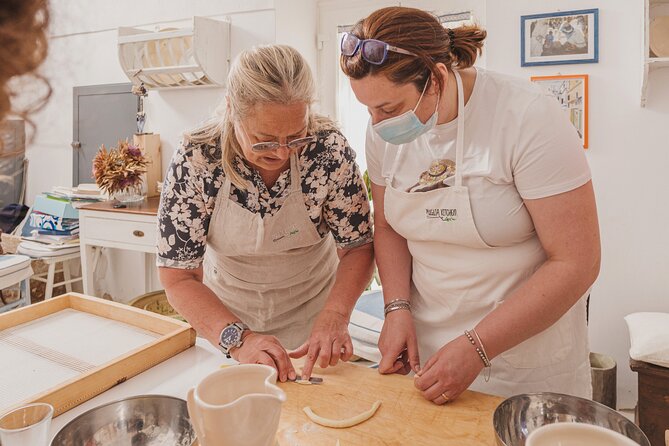
- Hands-on orecchiette shaping with clear, step-by-step coaching
- Aperitif with local taralli plus regional bites paired with Apulian wine
- Instructors who explain the why, including tips that help your pasta at home
- A full meal included, built around focaccia and your freshly made orecchiette
- Maximum group size of 12, which keeps the pace friendly and questions easy
Why Polignano’s Orecchiette Class Feels Personal
Polignano a Mare is the kind of place where the streets tighten and the sea keeps flashing between buildings. This cooking class uses that same vibe: straightforward, local, and focused on what you’re doing with your hands. You start in the Centro Storico area and then head into the kitchen for the real work.
A big part of the appeal is the teaching style. Many classes teach a recipe. This one teaches technique. You’re not just copying shapes—you’re learning what makes the dough behave and what makes orecchiette work in the pot.
The group stays small, with a maximum of 12 people. That matters more than you’d think. You get time to ask questions, and the pace doesn’t turn into a race.
You can also read our reviews of more tours and experiences in Bari.

What You’ll Cook: Orecchiette From Scratch (and How It Should Feel)
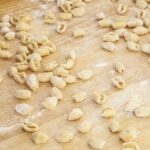
Orecchiette is famous for a reason. It’s simple ingredients, but the texture and thickness decide everything. In this class, you make orecchiette directly, under the guidance of the cook, and you’ll get tips that help you repeat the results at home.
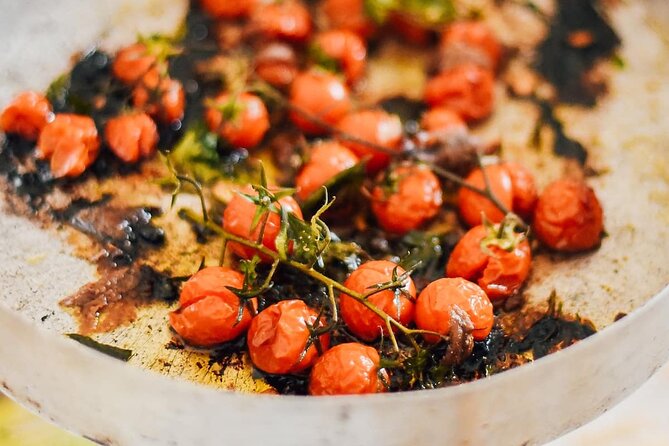
You also get sauce guidance, not just pasta talk. The style of sauce in this experience is Apulian and practical—often a simple tomato approach, with instruction around how to marry the pasta and sauce properly. You’ll learn the logic behind timing and how to think about boiling water and the pasta’s finish stage.
One of the most praised parts is the way instructors break down technique. You might hear food-science type explanations—how small changes in dough or handling affect the final bite. Either way, the goal is the same: you leave feeling you can actually do it again, not just remember what happened.
Aperitif and Wine: Taralli, Snacks, and a Real Pre-Meal Flow
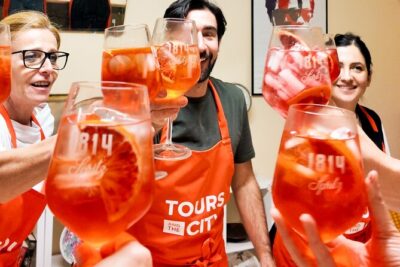
You don’t show up and get rushed into cooking. You start with an aperitif designed around Apulia. Expect crispy taralli, seasonal vegetables, and a selection of regional specialties.
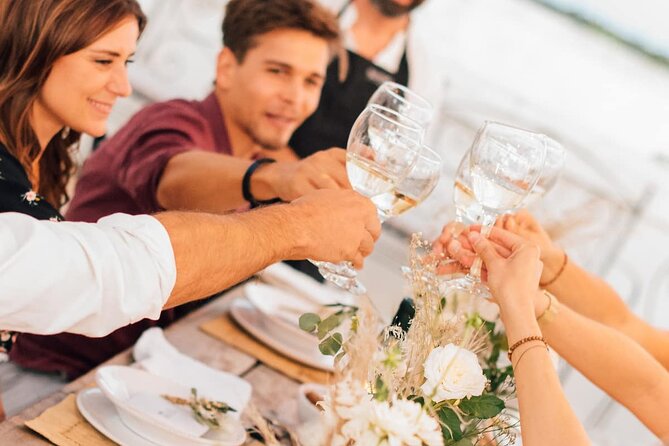
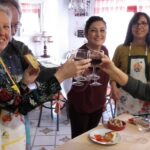
The wine pairing is part of the rhythm. In a lot of Italian classes, wine is just there. Here, it’s woven into the meal flow so you’re tasting while you’re learning. You’ll have local wine during the aperitif and also with the food.
On the snack side, you’ll likely see things like typical Apulian snacks and a selection of products in oil and taralli again as part of the tasting. It’s not only about calories. These bites teach you what’s “normal” in Puglia—small plates, good olive oil, and flavor that doesn’t need extra drama.
If you’re watching alcohol intake, you can still enjoy it. The class isn’t built like a party. It’s still about working at the counter with your hands.
The Included Meal: Focaccia, Your Pasta, and Apulian Staples
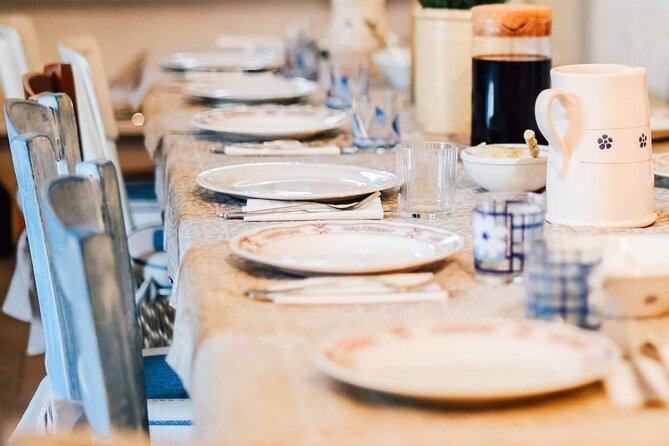
By the time you sit down, you’ll understand what you made and why it mattered. The included meal centers on orecchiette plus Apulian typical products. It’s typically a brunch-style lunch or dinner format, depending on timing.
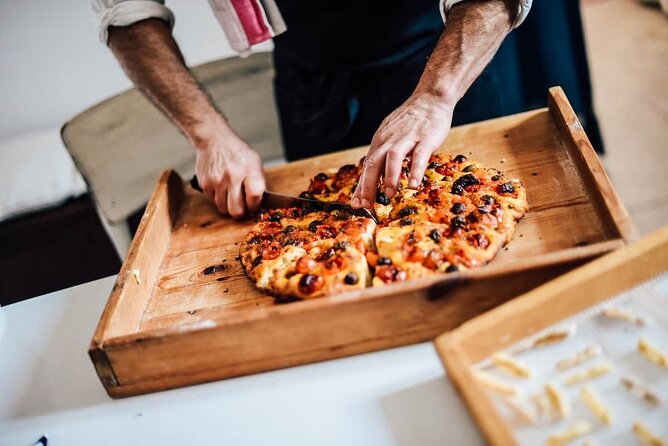
A common starter includes Bari-style focaccia bread. That’s a smart setup because focaccia gives you a quick taste of local flour-and-heat comfort before you get serious about dough work.
Then comes the main: orecchiette, plus local wine. Alongside that, the table includes Apulian items like typical snacks, and often things such as selections in oil and taralli. Soda or pop is also included.
A highlight from real past classes is that the meal feels complete, not like a token plate. One well-liked version included additional Apulian components such as olives (like Leccino) and more local bread. Even if your exact table varies, you can expect the same idea: you’re eating what you learned to build.
Centro Storico to Kitchen Time: What to Expect From the “Stop”
You’ll begin around the Centro Storico di Polignano a Mare area. Expect an old-town feel: narrow streets, some walking, and a setting that can be a little tricky if you’re arriving late or trying to park close.
The meeting point listed is Via S. Vito, 20, Polignano a Mare BA, Italy. The session ends back at the meeting point, so you’re not stranded far away from where you started.
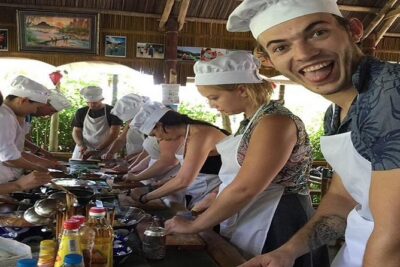
After the meeting, you move into the kitchen area where the class happens. Some instructors teach in a setting that feels like a local shop or home-style kitchen rather than a big cooking school. That’s part of the charm, but it also explains why directions can be finicky. If you’re driving, build in extra time to find parking and to double-check the exact spot.

Price and Value: What $78.61 Buys You in Puglia
At $78.61 per person for about 2 hours, you’re paying for three things at once: instruction, ingredients, and a meal with wine. Many “just make pasta” options cost similar amounts but don’t include as much eating.
Here, you get professional chef instruction, kitchen utensils, and tastings of local products. You’re also not just tasting wine—you’re getting an aperitif tasting and then a meal built around your pasta.
The value also comes from pacing. With a maximum of 12 people, you’re more likely to get hands-on coaching rather than watching from the sidelines. That tends to be the difference between leaving inspired and leaving frustrated.
The one thing not included is transportation. If you’re staying outside the town center, plan your approach. Walking from nearby areas is often easiest, and a short taxi ride can save time. Your wallet impact here depends on where you’re based.
Class Size, Pace, and Language: Who It Works Best For
This class is offered in English, and the teaching style is set up for a range of skill levels. Some people come with zero pasta skills, and others come because they want to get better. Either way, you’ll likely appreciate the step-by-step coaching and the patience from the instructor.
A recurring theme is that the pace stays laid-back and informal. That’s great if you’re traveling at a relaxed tempo. You’re not being timed like a factory line.
It’s also family-friendly. In practice, the class can adjust pace for kids, including very young participants. That doesn’t mean it’s a babysitting session. It does mean the tone is friendly and not stiff.
If you have food allergies or intolerances, you should tell the operator at booking. The class notes that you need to provide this information ahead of time so they can handle it appropriately.
Logistics You Should Not Ignore (Especially in Old Town)
Old town Polignano can be charming and annoying in the same five minutes. Parking may be limited, and you might need a little walking to reach the meeting spot.
Also, map apps can mislead you in tight street grids. If you’re using GPS, give yourself a buffer. If you don’t find the exact location quickly, ask locally. One of the most common travel truths is simple: locals usually know the correct entrance even when the phone app shows the wrong pin.
Bring normal practical items: comfortable shoes and a small bag for personal items. This is hands-on pasta work. You’ll want to move freely.
Is This the Right Tour for You?
Book this cooking class if you want a real skill, not just a fun dinner. It’s best for people who like learning by doing—shaping pasta, tasting local products, and understanding how the parts of the meal connect.
You should also book it if wine and aperitif time matter to you. Here, the eating is built into the experience, not tacked on at the end.
Skip it (or at least consider another option) if you hate walking through old-town streets or if directions stress you out. The cooking is smooth. The streets around it can be the wild part.
FAQ
How long is the cooking class in Polignano a Mare?
It lasts about 2 hours.
What is the price per person?
The price is $78.61 per person.
Is the class offered in English?
Yes, it’s offered in English.
What’s the group size limit?
The class has a maximum of 12 travelers.
What’s included with the ticket?
You get a professional chef, kitchen utensils, tastings of local products, and brunch lunch or dinner featuring orecchiette and typical Apulian products. Soda or pop is also included.
What aperitif and drinks are part of the experience?
You’ll have an aperitif with typical local products such as taralli and seasonal vegetables, plus regional specialties paired with Apulian wine. Local wine is also part of the meal.
Where do I meet, and does it end nearby?
The meeting point is Via S. Vito, 20, 70044 Polignano a Mare BA, Italy. The activity ends back at the meeting point.
Is transportation included?
No private transportation is included.
Should you book it?
If you want a hands-on orecchiette experience with real Apulian food and wine in a small group, this is a strong pick. If you’re the type who needs hassle-free directions and easy parking, plan extra time getting to Via S. Vito.