REVIEW · LISBON
Private Lisbon Market Tour & Portuguese Cooking Class with Paula
Book on Viator →Operated by Traveling Spoon · Bookable on Viator
A ferry ride sets up the food story. I like the market-to-apartment shopping and the private hands-on cooking with Paula in Almada, just outside Lisbon. You’ll meet at the Cacilhas ferry stop, walk into town, shop at the covered market, then cook 2–3 Portuguese and Portuguese-Goan dishes. It’s a real local rhythm, not a scripted demo.
Here’s the best part: you choose your menu style, including Portuguese or Goan mains, and you learn classic techniques along the way. Expect starters like pataniscas de bacalhau (traditional cod fritters) and/or Goan bojas (gram flour fritters with onion and cumin seeds), then a main such as bacalhau com natas or a Goan curry. You finish together with dessert plus coffee or tea.
The main drawback is the in-home setup. Paula has a cat, and because she lives with family, the apartment can be a little cluttered. Also, this is intentionally informal, so don’t expect a spotless, hotel-like cooking school vibe.
In This Review
- Key points to know before you go
- Getting to Almada: Cacilhas ferry views and a local start
- Paula’s neighborhood market walk: covered stalls and ingredient confidence
- Choosing your menu: Portuguese vs Goan mains (and why that’s smart)
- Inside Paula’s home kitchen: what you’ll actually learn
- The meal at the table: slow cooking, shared eating, real conversation
- Price and value: $99 for a private market-to-kitchen day
- Logistics that actually matter: meeting point, language, and communication
- Cat in the home and other comfort expectations
- Who should book this and who should skip it
- Should you book Paula’s Lisbon Market Tour & Portuguese Cooking Class?
- FAQ
- How long is the Lisbon Market Tour and Portuguese Cooking Class?
- Where do we meet Paula?
- What time does the experience start?
- Is this class in a professional cooking school?
- What will I cook during the class?
- Can I choose what I cook?
- Is the market tour included?
- Is this a private experience?
- What language is the tour offered in?
- Is there a pet in the home?
- What is the cancellation policy?
Key points to know before you go
- Almada ferry start (Cacilhas to Almada) gives you easy river views before the cooking begins
- Paula shops the neighborhood market and brings that local, decades-in-the-stalls feeling to your ingredient hunt
- You pick Portuguese or Goan mains and build your own menu for the day
- You cook 2–3 dishes hands-on, typically including cod fritters and/or Goan fritters
- Dessert plus coffee or tea turn the day into a full shared meal, not just a class
- Private group format means it’s only your group doing the market walk and cooking together
Getting to Almada: Cacilhas ferry views and a local start
This experience starts where most Lisbon food tours never go: Almada, across the Tagus. You’ll meet Paula at the ferry stop in Cacilhas (the start point is Dá Cacilhas, LG Alfredo Dinis, 2800-252 Almada, Portugal), and then you’ll ride across on the short ferry connection from downtown Lisbon. It’s about a 7-minute ferry ride, and it sets a calm tone right away.
Why that matters: food days go better when you’re not rushing. The ferry gives you breathing room, plus quick payoff visuals—the bridge and river are right there, and you can settle into the day before you hit the market.
After you arrive in Almada, Paula meets you and takes you for a short walk (about 10 minutes) through the center of town. Her apartment is just a few meters from the neighborhood’s main covered market. That proximity is a big deal, because it keeps the food day tight and practical: you’re not spending half your time commuting, and your ingredients stay fresh.
The scheduled timing is about 4 hours 30 minutes, starting at 10:00 am. The experience ends back at the meeting point, so you’re not wondering where you’ll land after dessert.
You can also read our reviews of more tours and experiences in Lisbon.
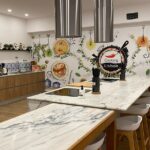
Paula’s neighborhood market walk: covered stalls and ingredient confidence
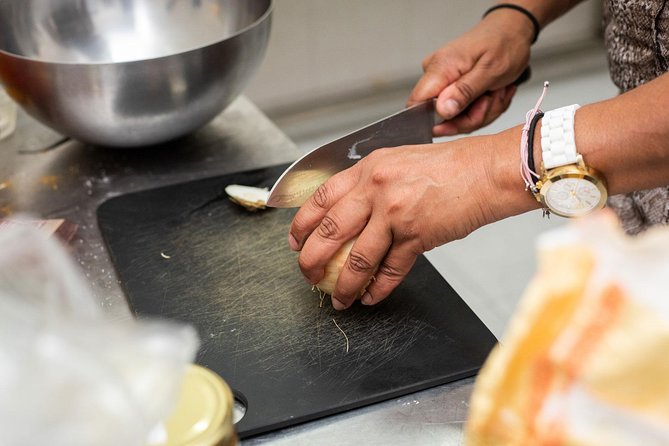
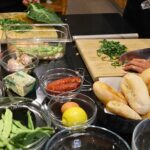
The market part isn’t just a photo stop. Paula has been visiting and shopping at the Almada market for decades, so the walking time feels like a guided “how to pick food here” lesson. You’ll visit the neighborhood market first, and the goal is to select what you’ll cook with.
Here’s what you’re really learning: how to shop for the dishes you’re about to make. In Portuguese and Portuguese-Goan cooking, small differences in ingredients matter—fish choice, spice balance, and even how items are prepared and stored at the stall. Paula helps you notice those details without turning it into a lecture.
One of the nicest touches is how familiar the market feels. You’re seeing the kind of everyday commerce where people recognize each other, and you get that sense of multiple generations working together. It’s not tourist theater; it’s work with history behind it.
Practical tip: wear shoes you can walk in comfortably. Even though the walk from the ferry is short, markets can mean uneven surfaces, narrow aisles, and lots of time looking up close at food.
Choosing your menu: Portuguese vs Goan mains (and why that’s smart)
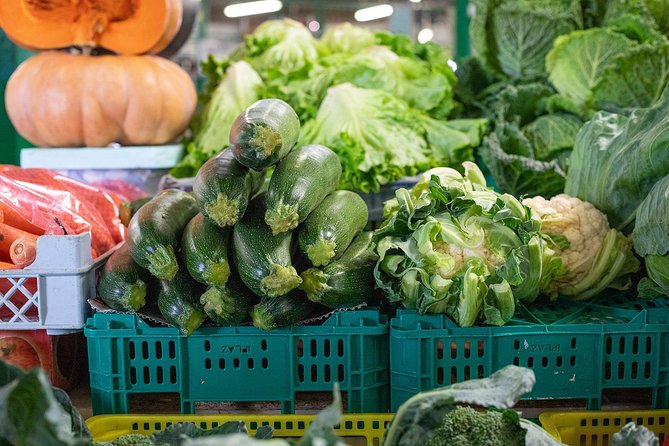
You don’t get stuck with one fixed menu. You choose between Portuguese or Goan flavors for the main course, which is a clever way to make the class feel personal. If you want the Portuguese classics, you’ll lean that way. If you want Goan spice and curry energy, you’ll build your meal around that side.
The starter options often include:
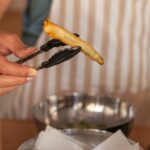
- Pataniscas de bacalhau: traditional Portuguese cod fritters
- Goan bojas: gram flour fritters with onion and cumin seeds
The main course options can include:
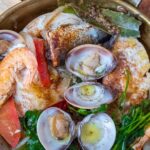
- Bacalhau com natas: cod with cream (in the sample menu)
- Bacalàu a braz and other Portuguese cod dishes (also mentioned as possible)
- Goan crab curry or other Goan curries (Goan main option range is included)
This choice is valuable because Portuguese-Goan cuisine is not one-note. Cod fritters and creamy cod mains feel different from Goan curries. Getting to decide means you can match your appetite and your comfort level with spice.
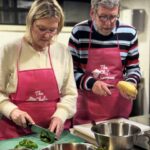
Also, this is a private experience. Only your group participates, which usually means Paula can tailor pacing and help around what you choose—especially if you’re cooking with kids or you’re a confident home cook who wants technique.
Inside Paula’s home kitchen: what you’ll actually learn
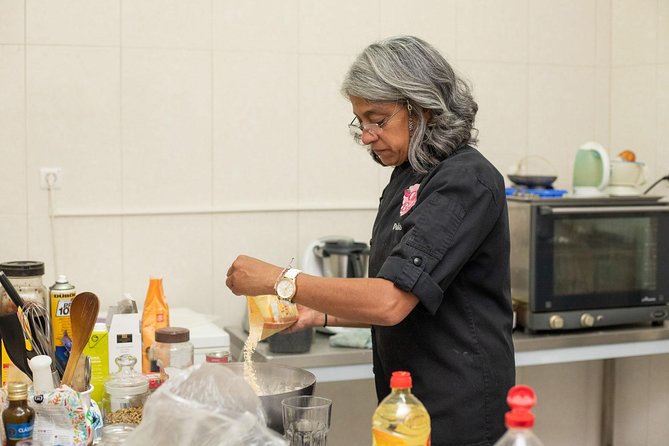
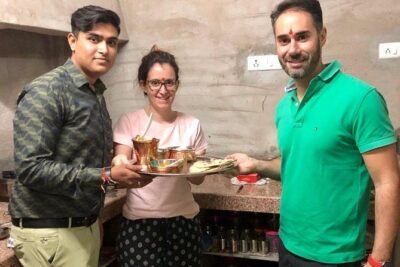
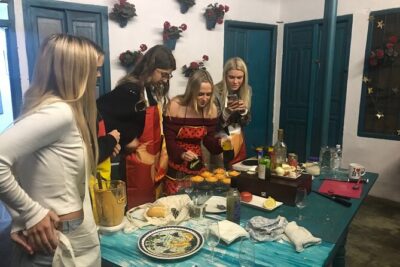
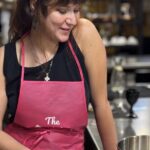
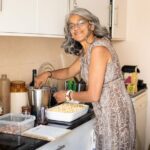
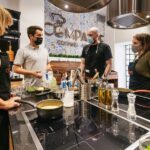
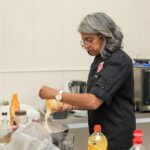
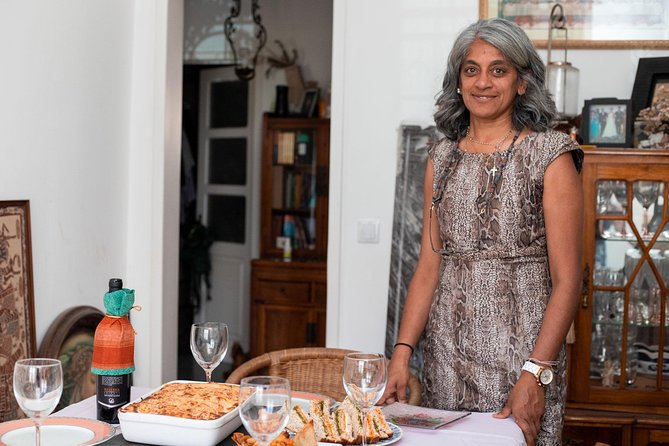
This isn’t a commercial cooking school. It’s an in-home experience in Paula’s kitchen, near the covered market. That’s exactly why it works: you’re learning in a real setting, with real habits, and you get a more human pace.
Expect to cook 2–3 Portuguese and Portuguese-Goan dishes. The structure usually looks like this:
1) Start with appetizers (often cod fritters and/or Goan fritters)
2) Make a main (Portuguese or Goan, based on what you pick)
3) Sit down together and finish with dessert plus coffee or tea
From techniques to details, Paula teaches the kind of practical skills that help you cook the recipes again later. People mention learning things like:
- how to whisk and prep properly for batter-based starters
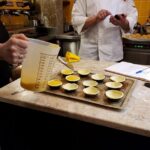
- how to handle pastry steps tied to Portuguese custard desserts
- how to spot quality in ingredients (like fish/seafood choices)
There’s also a cultural layer. Paula’s stories come in while you work. You’ll hear about the surrounding area of Almada, how people shop, and how food fits into local routines. The cooking and the walking connect, so you understand why each ingredient matters.
And yes, you might even see sweets become part of the day. Pasteis de nata and related custard pastry techniques show up in the experience descriptions and in the cooking that guests talk about. If you love Portuguese desserts, keep your appetite ready.
One key consideration: because it’s a home kitchen, the setup can feel cozy. Space and utensils aren’t staged like a studio kitchen. That’s normal here. Come with the right mindset: you’re learning with Paula, not touring a culinary museum.
The meal at the table: slow cooking, shared eating, real conversation
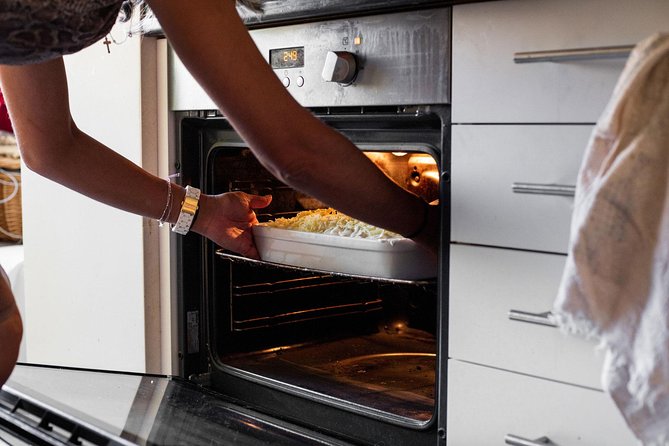
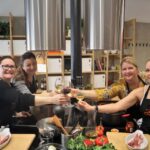
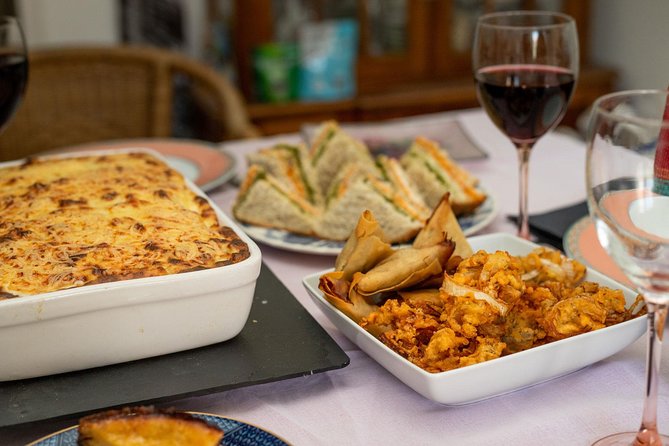
After cooking, you’ll eat together. The experience is designed for sitting down, not just eating on the go. You may dine at Paula’s dining table or at a cooking studio table across the street, depending on how things are set up that day.
This part matters more than you’d think. Cooking classes often end and you’re out the door. Here, the shared meal is the finish line, and it’s where the day becomes a memory instead of a checklist.
Dessert and coffee or tea are included at the end. For many people, this is the moment when the ingredients and techniques click. You made cod fritters and curry from scratch; now you taste the balance your hands created.
Also, this kind of conversation tends to be the real value. Paula is hospitable, and guests describe the day as more like cooking with someone who knows the neighborhood than attending a rigid lesson. If you enjoy learning how locals live—where they shop, how they talk food, what they consider normal—this is a good fit.

Price and value: $99 for a private market-to-kitchen day
At $99 per person for about 4 hours 30 minutes, this isn’t the cheapest option in Lisbon. But it’s not trying to be. You’re paying for a few things at once:
- a private market walk with Paula
- hands-on cooking in her home kitchen
- you picking a menu direction (Portuguese or Goan)
- ingredients sourced during the market visit
- a full meal with dessert plus coffee/tea
Compared with group cooking classes, your per-person value improves because the attention feels tighter. Compared with a standard market tour, your value improves because you go from shopping to cooking to eating.
Is it always perfect? No activity is. One caution from the experience description and feedback patterns is that this is informal and home-based, so the environment may not match what you expect from a professional studio. If you want polished and predictable above all else, you might prefer a cooking school setting.
But if you want authenticity and you’re okay with a little home-life realism, $99 starts to make sense. This is one of those days that turns Lisbon into a story you can taste.
Logistics that actually matter: meeting point, language, and communication
Start time is 10:00 am, and the tour begins at the ferry meeting location in Almada (Dá Cacilhas, LG Alfredo Dinis, 2800-252 Almada). It ends back at the same meeting point.
The tour is offered in English, and you’ll receive confirmation at booking. It also uses a mobile ticket.
Two practical notes:
- It’s near public transportation, so you can tie it into other Lisbon days without major hassle.
- If you have questions about menu choices or meeting location, Paula asks that you communicate directly via WhatsApp.
If you’re the type who likes to plan, message ahead about what you want to cook—especially if you’re choosing between Portuguese and Goan mains.
Also, average booking timing is around 45 days in advance. If your dates are firm, don’t wait until the last minute.
Cat in the home and other comfort expectations
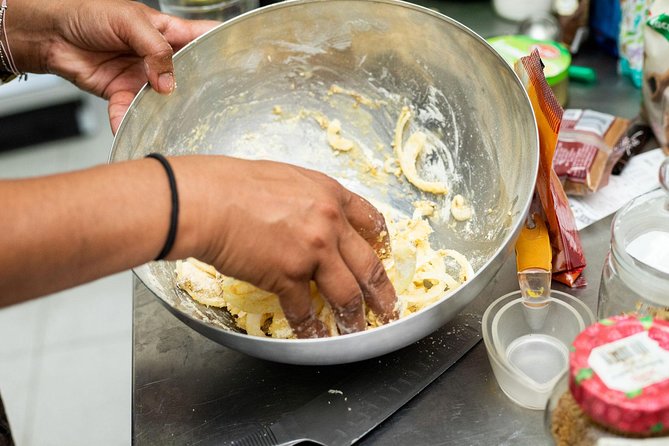
Paula has a cat, and because she lives with family, the apartment can be a little cluttered. That’s stated clearly, and it’s worth taking seriously—not because it ruins the experience, but because it changes expectations.
What you should do:
- If you’re sensitive to pets or clutter, consider whether a home environment is for you.
- Wear practical clothing and shoes that work in a lived-in space.
- If you’re traveling with kids, plan for a casual home rhythm rather than a studio strictness.
Also, since this is a cultural home experience (not a formal school), there’s room for an informal flow. The upside is personality and flexibility. The tradeoff is that it won’t feel like a perfectly choreographed, clockwork culinary class.
Who should book this and who should skip it
I’d steer you toward this tour if:
- you want the market-to-cooking connection, not just tasting
- you like Portuguese-Goan fusion (cod plus curry flavors is a great combination)
- you value a private, small-group pace and direct teaching from Paula
- you want to learn techniques you can repeat later at home
I’d think twice if:
- you need a spotless, professional kitchen environment
- you’re very uncomfortable around pets
- you dislike casual pacing and home-life clutter
- you want purely high-speed instruction with no cultural conversation
This is also a strong choice if you’ve done the big Lisbon sights already and want something more personal. The ferry start and Almada setting make it feel different from the center of town.
Should you book Paula’s Lisbon Market Tour & Portuguese Cooking Class?
If your idea of a great Lisbon day includes a local market, a real home kitchen, and hands-on cooking with a host who explains the why behind the food, you’ll likely love this. The menu choice (Portuguese vs Goan mains), the classic starters like cod fritters and Goan bojas, and the full shared meal are the big wins.
Book it if you’re comfortable with an in-home setting and you can handle a slightly informal atmosphere. Skip it if cleanliness and a studio environment are non-negotiable for you.
One last practical point: plans can change, and this experience offers free cancellation up to 24 hours in advance for a full refund.
FAQ
How long is the Lisbon Market Tour and Portuguese Cooking Class?
It runs for about 4 hours 30 minutes (approx.).
Where do we meet Paula?
You meet at Dá Cacilhas (LG Alfredo Dinis, 2800-252 Almada, Portugal).
What time does the experience start?
The start time is 10:00 am.
Is this class in a professional cooking school?
No. It’s an in-home cooking and cultural experience in Paula’s kitchen, not a professional cooking school.
What will I cook during the class?
You’ll learn to make 2–3 Portuguese and Portuguese-Goan dishes. Appetizers can include pataniscas de bacalhau (cod fritters) and/or Goan bojas. You’ll also make a main dish.
Can I choose what I cook?
Yes. You choose your menu direction, including whether your main dish is Portuguese or Goan (examples include bacalhau com natas or a Goan curry).
Is the market tour included?
Yes. Your experience begins with a private market tour with Paula, where you shop for the ingredients you’ll cook.
Is this a private experience?
Yes. Only your group participates.
What language is the tour offered in?
The tour is offered in English.
Is there a pet in the home?
Yes. Paula has a cat, and the home can be a little cluttered because she lives with family.
What is the cancellation policy?
Free cancellation is available. You can cancel up to 24 hours in advance of the experience for a full refund (and changes within 24 hours aren’t accepted).