REVIEW · ELLA
Ella Sri Lanka Cooking Class Experience
Book on Viator →Operated by Ella Sri Lanka Mom's kitchen cooking class · Bookable on Viator
Spice, clay pots, and mountain air. This Ella cooking class is a quick, friendly way to learn Sri Lankan flavors without feeling stuck in a long, complicated lesson. I like the hands-on pace and the way you work alongside a local family setup, not a staged show. I also like that you leave with repeatable ideas for making dishes like coconut sambal back home, not just a one-time meal. One thing to think about: it’s not recommended for travelers with food allergies.
You meet at The Spice Lodge on Passara Road and cook in an outdoor, family-style kitchen with Ella’s hills around you. You get an English-speaking guide and bottled water, and the class runs about 2 hours. This is a private format, so it’s geared to your group and your questions, not a crowded scramble.
In This Review
- Key highlights you’ll care about
- Your Ella start: The Spice Lodge and the Little Adam’s Peak view stop
- Cooking in the outdoor family kitchen: how the lesson actually works
- What you’ll cook: curries, dhal, sambal, and sides you’ll repeat
- The meal part: eating outside and understanding the food, not just tasting it
- Price and value: $25 makes sense when you use the lessons at home
- Who this class fits best (and who should reconsider)
- Quick practical advice before you go
- Should you book this Ella Sri Lanka cooking class?
- FAQ
- How long is the cooking class in Ella?
- Where does the experience start?
- Is this tour private?
- What’s included in the price?
- What kinds of dishes will I learn?
- Can I choose a vegetarian option?
- Is it safe for travelers with food allergies?
- What if the weather is bad or I need to cancel?
Key highlights you’ll care about
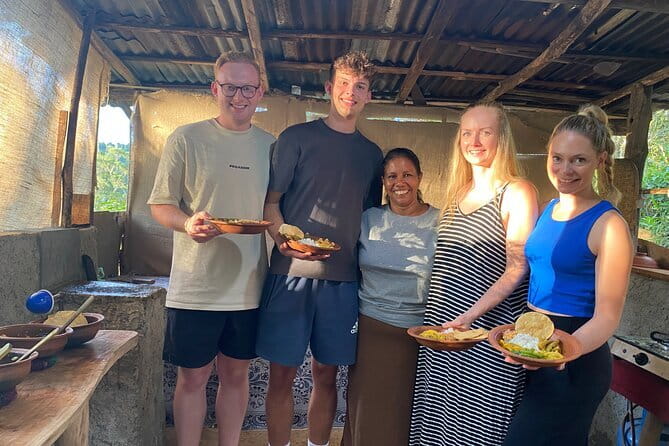
- Outdoor, family-style kitchen: You cook in an authentic open-air setting, not a commercial classroom.
- Fast, practical instruction: Learn techniques meant for real life, not chef-only perfection.
- Spices and ingredients first: You get familiar with the key spices and how they actually get used.
- A menu with curry staples: Expect curries, dhal, sambal, and sides like poppadums/pappadums depending on the selection.
- Private group energy: Only your group participates, so you’re not competing for attention.
Your Ella start: The Spice Lodge and the Little Adam’s Peak view stop
The experience begins at The Spice Lodge, located on the 3rd Mile Post Passara Road in Ella. If you’re already walking around Ella town, this is positioned so you can make it part of a day instead of turning it into a full logistics project. It also connects nicely with the local rhythm of the area since it’s near public transportation.
You’ll also have a stop tied to Little Adam’s Peak View Point. Even if you’re not there for a big hike, this is a nice reset before cooking: you get some fresh air, you get bearings, and you shift into vacation mode. The bigger consideration is that the area includes some steps and uphill sections, so wear shoes you’re comfortable in if your day includes walking between spots.
You can also read our reviews of more tours and experiences in Ella.
Cooking in the outdoor family kitchen: how the lesson actually works
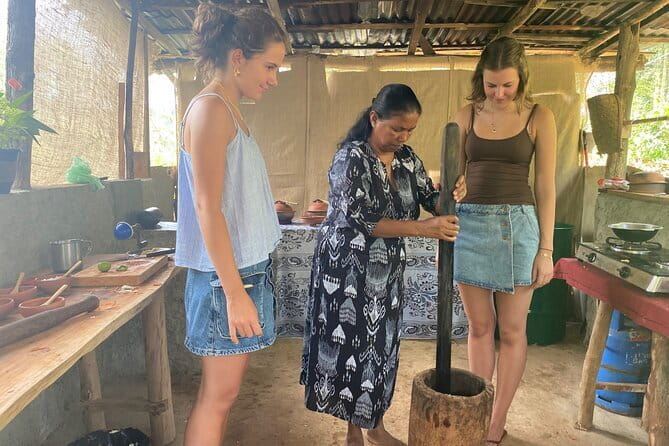
This class is built to be simple and quick, which is exactly what I want on a travel day. You start by getting familiar with fresh local ingredients and the spices that show up again and again in Sri Lankan cooking. Then you move into the cooking itself, with the guide explaining each step and why it matters.
The outdoor setup is a real part of the experience. You’re not just eating near nature, you’re cooking with the rhythms of an open-air home kitchen. That changes the whole feel of the lesson. It’s easier to ask questions when your workspace feels “normal,” and it makes the techniques feel less intimidating.
English instruction helps a lot here. The guide points out what you’re doing and how you’ll know it’s working—like timing spices, balancing flavors, and building a curry base. The best part is that the lesson is designed around time-saving tips, so you’re not forced into a day-long process to get good results.
What you’ll cook: curries, dhal, sambal, and sides you’ll repeat
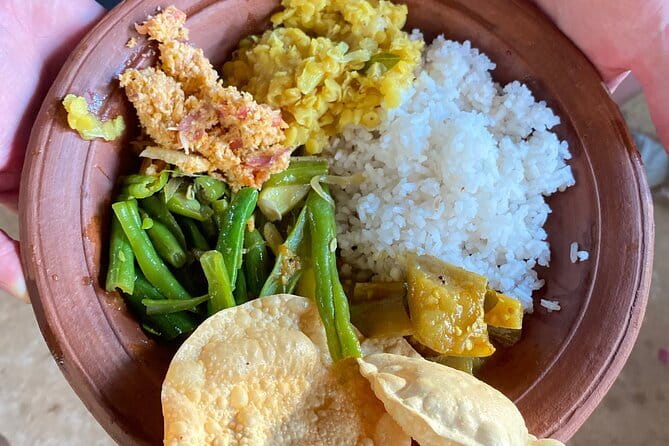
The class centers on Sri Lankan favorites, and the goal is clear: learn dishes you can realistically recreate at home. You’re guided through making items like coconut sambal and aromatic curries, and you’ll also cover staples such as dhal. Many class selections also include sides that make the whole meal feel complete, like rice and pappadums/poppadums.
Here are examples of dishes that show up in the cooking plan, based on the common vegetarian menu options people choose:
- Curries such as potato curry, mango curry, and cabbage curry
- Dhal (often included as a core curry)
- Vegetable curries that can include options like green beans, eggplant, or bean-based dishes
- Fruit-forward choices like mango (and sometimes jackfruit)
- Coconut sambal and rice as part of the meal structure
If you choose vegetarian, you’ll still get the full Sri Lankan “stack” of flavors: a curry, something with coconut and spice, something tangy or sweet depending on the ingredient, and a crunchy side. That matters because Sri Lankan meals often work as a combination. Sambal isn’t just a topping here—it’s part of the flavor equation that makes the curries taste like themselves.
One practical tip from the way the class is described: you’ll learn these as quick recipes with fewer fussy steps. That’s what keeps your home attempts from falling apart. You’re not being taught to cook “like a restaurant,” you’re being taught how to cook these dishes with the tools most of us have at home.
The meal part: eating outside and understanding the food, not just tasting it
After cooking, you eat the meal in the open air. This is more than a bonus—sharing the food right where you cooked it helps the lesson “lock in.” You get to taste the balance of each dish as a set: curry warmth, sambal brightness, dhal comfort, and the crunch of sides.
You’ll also hear short cultural context tied to the techniques. That doesn’t mean you’re stuck in lectures. It’s more like quick orientation while you cook—enough so you understand what you’re doing and what flavor to aim for. That makes your next step at home easier, since you know what to adjust if something tastes off.
If you have the chance, pace yourself with the order of eating. When you’re hungry at the start, everything tastes better, but the flavors are best when you take small bites and notice the differences between dishes. You’ll appreciate coconut sambal more once you’ve had a bit of curry and dhal first.
Price and value: $25 makes sense when you use the lessons at home

At $25 per person for about 2 hours, this is strong value for what you get: an English tour guide, bottled water, and a hands-on cooking session in a local kitchen setting. It’s also private, which matters. In many experiences, you pay extra for attention, and here the format keeps it focused on your group.
The real value isn’t only the meal. It’s the method: you learn a repeatable way to make Sri Lankan curries and sambal without turning it into a whole weekend project. If you cook even occasionally at home, you’ll likely use at least one or two dishes from this experience again.
One more value signal: the experience is described as simple, quick, and delicious with time-saving tips. That usually means you’re spending your effort learning the core moves rather than getting lost in details that don’t translate to normal kitchens.
Who this class fits best (and who should reconsider)
This is a great fit if you want a fun, practical way to learn Sri Lankan food in Ella without needing special culinary skills. It works well for solo travelers, couples, and small groups because the class is private to your group and the instruction style is hands-on.
It also suits travelers who want something cultural but not heavy. You get ingredients, spices, and technique context, plus you see how a family-style kitchen works. You come away with flavors you can recognize when you eat Sri Lankan food later—and with the confidence to cook it yourself.
The main reason to reconsider is food allergies. The experience is not recommended for travelers with food allergies, so if that affects you, you’ll want to skip this one and look for a specialized option that can handle your specific needs safely.
Also think about mobility and walking comfort. The class includes a stop linked to Little Adam’s Peak View Point, and some parts involve uphill walking and steps. If you’re sensitive to that, plan your shoes and pace accordingly.
Quick practical advice before you go
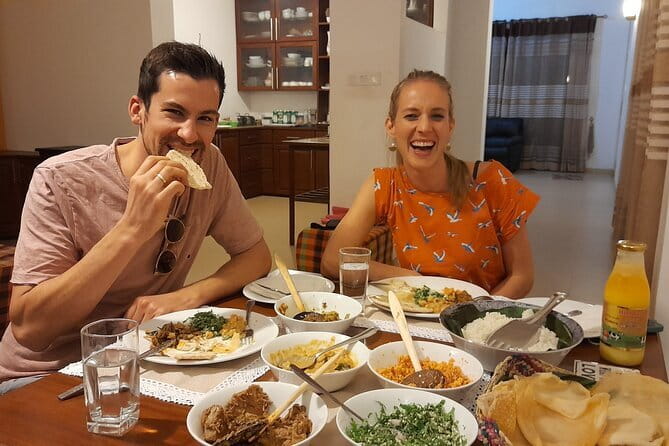
A little prep makes the lesson smoother. If you can, go with an appetite for tasting. The class ends with the meal, and it’s easier to learn when you’re present, not exhausted. If you’re the type who gets shaky without food, consider eating a light breakfast beforehand so the cooking pace feels comfortable.
Bring a basic mindset: this isn’t about perfection. It’s about building a skill—knowing which spices to use, how curry bases develop, and how coconut sambal brings the whole plate together. You’ll get the best results when you cook with curiosity and ask what to adjust if your version tastes different.
Also, consider how you’ll carry the experience home. If the guide shares recipe guidance, treat it like your starting point. Sri Lankan cooking is about balance, and you’ll likely tweak one ingredient once you’re cooking with your own pantry and tools.
Should you book this Ella Sri Lanka cooking class?
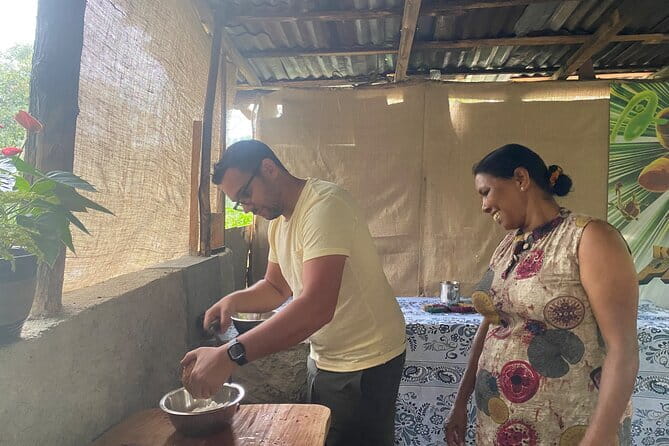
Book it if you want a short, friendly, hands-on way to learn Sri Lankan curry basics and coconut sambal in a real outdoor family kitchen. The private format, the English guide, and the fact that you’ll leave with repeatable recipes make it a smart $25 experience—especially if you plan to cook at home.
Skip it if you need allergy-safe handling for specific allergens. And if uphill steps are tough for you, plan carefully since the itinerary connects with Little Adam’s Peak View Point.
If you’re in Ella with a couple of spare hours and you’d rather learn one set of dishes deeply than collect five quick photos, this is one of the better ways to spend your time.
FAQ
How long is the cooking class in Ella?
It lasts about 2 hours (approximately).
Where does the experience start?
The meeting point is The Spice Lodge, 3rd Mile Post Passara Road, Ella 90090, Sri Lanka.
Is this tour private?
Yes. It’s a private tour/activity, and only your group will participate.
What’s included in the price?
The class includes bottled water and an English tour guide.
What kinds of dishes will I learn?
You’ll learn to make Sri Lankan dishes such as coconut sambal and aromatic curries, plus other curry and staple items depending on the selection.
Can I choose a vegetarian option?
A vegetarian selection is available based on the information from the experience details shared.
Is it safe for travelers with food allergies?
It is not recommended for travelers with food allergies.
What if the weather is bad or I need to cancel?
The experience requires good weather. If it’s canceled due to poor weather, you’ll be offered a different date or a full refund. Free cancellation is available up to 24 hours in advance for a full refund.