REVIEW · CRETE
Cook with Locals | Cretan cooking Class at Archanes Village
Book on Viator →Operated by LocalTrips4U "Experience True Crete" · Bookable on Viator
Cretan cooking with village rhythm hits fast. This class in Ano Archanes mixes an open-kitchen setup with a mini stroll and grocery stop before you start chopping, mixing, and cooking. I especially like the hands-on teaching style led by hosts such as Maria or Aggeliki, plus the way the cooking connects to local products and simple kitchen tricks.
One thing to keep in mind: the class format can include longer gaps between dishes, and you may actively cook only part of the meal while other items are handled by the cook.
In This Review
- Key things you’ll notice right away
- Arriving in Ano Archanes: a real village backdrop for Cretan food
- The 3.5-hour rhythm: pickup, kitchen time, and that grocery stop
- What you’ll actually cook: dakos, gemista, tzatziki and the Cretan logic behind them
- Dakos: building flavor with simple, punchy ingredients
- Gemista: the hands-on skills of stuffing and roasting
- Tzatziki: the repeatable sauce skill
- The rest of the menu: stuffed peppers, zucchini fritters, and dessert
- Lunch, wine, and raki: why the table time matters
- Guides, pacing, and group size: how to set your expectations
- Price and value at about $81.98 per person
- Who this cooking class suits best
- Quick tips so you leave with the recipes, not just the photos
- Should you book Cook with Locals in Archanes?
- FAQ
- Where is the meeting point for the cooking class?
- How long is the experience?
- Is pickup available?
- How big is the group?
- What Cretan dishes are included?
- Is the class vegetarian or vegan friendly?
- Will I get the recipes afterward?
- What happens if the weather is poor?
- Is it a mobile ticket?
- Can I cancel for a refund?
Key things you’ll notice right away
Small-group feel (max 12): you get more attention and better conversation while you’re cooking and eating.
Local ingredient shopping: you choose produce from a nearby grocery, so the flavors have a real place behind them.
Cretan classics on the menu: expect dishes like dakos, gemista, and tzatziki, plus extras that can vary by day.
Hosts who guide step-by-step: Maria, Natasha, Angela, and Aggeliki show up in guides’ stories, and instruction stays clear.
Shared lunch with drinks: you’ll sit down together after cooking, and wine and raki show up in the vibe.
Recipes sent afterward: you should be able to recreate what you made at home thanks to emailed recipes.
Arriving in Ano Archanes: a real village backdrop for Cretan food
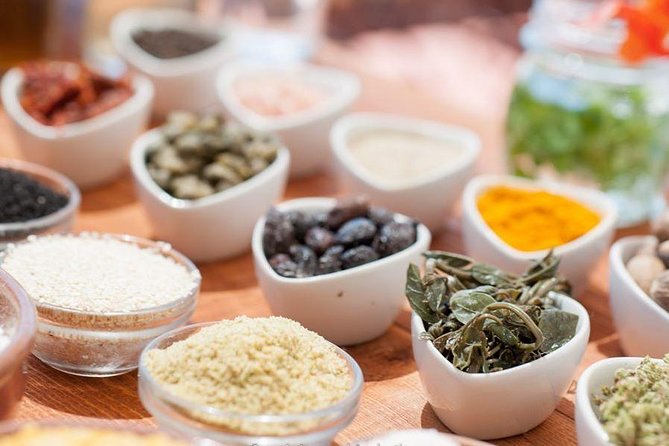
Ano Archanes is the kind of place where the pace feels slower and the food feels more personal. You’re not stuck in a touristy studio kitchen far from daily life. Instead, the day is built around a working neighborhood: cooking happens in a dedicated studio space, then you head out to pick ingredients and bring them back into the meal you’ll eat.
The setting matters. Several experiences here are described as relaxed and scenic, with some classes happening in outdoor or covered areas and, in at least some cases, ocean sounds from nearby. Even if the views aren’t the star of your day, the vibe is: you’ll feel like you’re learning kitchen habits from people who actually cook this way.
And because it’s in a smaller village rather than the center of Heraklion, you get something more than a checklist activity. You get context—why certain ingredients matter on Crete, and how home cooks build flavor with olive oil, herbs, and what’s fresh.
You can also read our reviews of more tours and experiences in Crete.
The 3.5-hour rhythm: pickup, kitchen time, and that grocery stop
This experience runs about 3 hours 30 minutes, which is long enough to cook, eat, and still feel like you didn’t just sprint through dinner. Pickup may be offered, and drivers are described as punctual and friendly—this is genuinely helpful if you’re staying in or around Heraklion and don’t want to deal with buses or taxis on a time crunch.
You’ll meet at Traditional Cooking Classes at Leof. Kapetanaki 46 in Ano Archanes. From there, the day typically follows a simple flow:
1) Welcome and setup in the kitchen
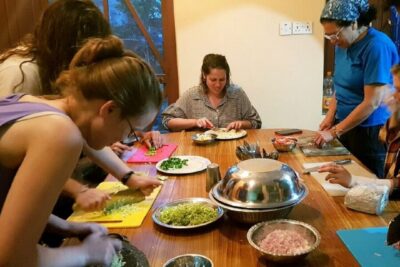
You’ll be in an open kitchen space with individual processing and cooking stations. That setup is a quiet superpower: you don’t just watch. You can actually work at your station, taste as you go, and get help without crowding.
2) A short walk and local grocery selection
A guide takes you around the area and into a local grocery store so you can pick ingredients yourself. This is where the class earns its keep. When you select herbs, vegetables, and other staples, you start to understand what Cretan cooks mean by using what’s available and flavorful—not generic produce that never tastes quite right.
3) Back to the studio for the cooking run
Once the ingredient choices are made, the class turns into real action: chopping, mixing, stuffing, and cooking, with a teacher moving you through each step.
If you tend to travel with a packed schedule, this kind of structure is ideal. You’re not bouncing around five different sites. You’re doing one focused thing, with a built-in reason to leave the kitchen and connect the meal to the village.
What you’ll actually cook: dakos, gemista, tzatziki and the Cretan logic behind them
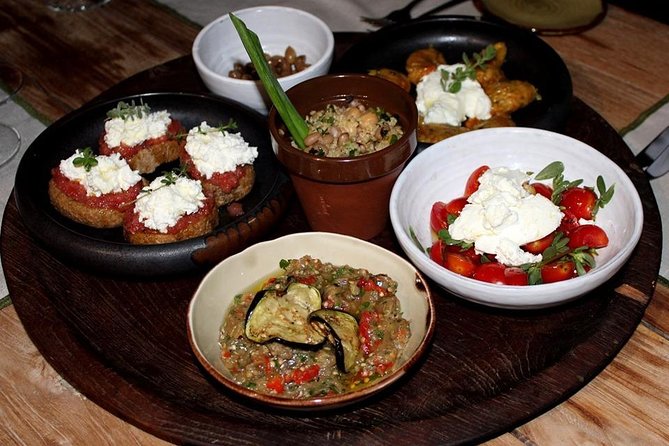
The headline dishes are classic Cretan-Greek comfort food, and the biggest value isn’t just eating them. It’s learning the logic: Cretan cooking is often about using great ingredients well, not hiding them under complicated technique.
Dakos: building flavor with simple, punchy ingredients
Dakos is one of those dishes that feels rustic but tastes sharp. In many versions, it starts with bread or rusk, then you top it with tomato and finish with olive oil and seasonings. In a cooking class, you’ll likely focus on how to balance freshness (tomato/herbs) with richness (olive oil) and how to texture the base so it doesn’t become soggy too fast.
The practical takeaway: you’ll learn how to turn everyday pantry items into something that tastes like it belongs on Crete.
Gemista: the hands-on skills of stuffing and roasting
Gemista is all about stuffed vegetables—often peppers or tomatoes—plus a filling that brings together grains and herbs (and sometimes meat, depending on the version). Even if you’ve had gemista before, a cooking lesson is where you learn the small moves: how to season the filling so it tastes right, how much to pack, and how roasting changes the whole dish.
It’s also one of those dishes that makes you feel capable afterward. Once you understand the stuffing rhythm, you can adapt the filling to your own kitchen.



Tzatziki: the repeatable sauce skill
Tzatziki shows up again and again in classes because it’s the easiest win you can reproduce at home. Reviews often highlight tzatziki as a standout, with people recreating it later. In practical terms, the lesson is about mixing and balancing: yogurt, grated cucumber, garlic, and olive oil (plus salt and herbs). The goal is a sauce that tastes fresh and creamy, not watery.
If you’re the type who likes food that improves with repetition, this is the one you’ll want to pay extra attention to. It’s also where you can ask questions and actually see what a small adjustment changes.
The rest of the menu: stuffed peppers, zucchini fritters, and dessert
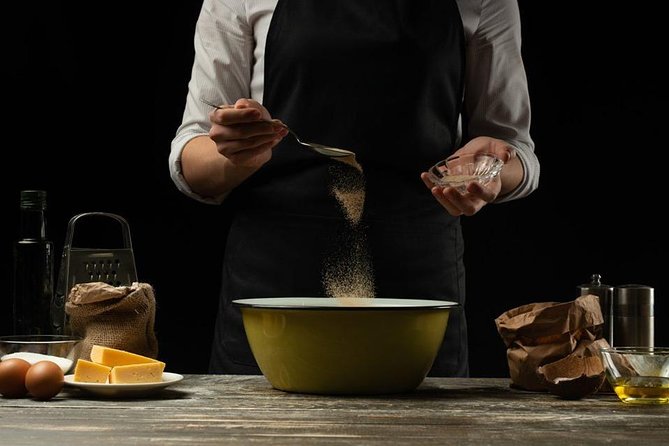
One reason this class feels fun is that it’s not just three plates and done. The menu can include additional delicacies beyond the headline dishes, and it may vary by day.
From the experiences described, you might see items such as:
- stuffed peppers and tomatoes
- zucchini fritters
- dessert like orange cake
- other traditional sides or breads served as part of lunch
Here’s the fair heads-up: formats can differ in what you actively cook versus what’s prepared by the host. Some people expected to cook every item listed, but found they were making a subset while the rest arrived as part of the lunch spread. In other cases, the menu is described as having multiple delicacies, with dessert prepared by the cook.
What that means for you: if your dream is doing every step hands-on for every dish on the menu, ask ahead which dishes you’ll be cooking directly. If your dream is to eat a full Cretan meal and learn key recipes well, the format usually works.
Also, food policies can affect how some items are handled. For example, there’s mention of a COVID-era approach that avoids sharing raw food, which can influence how something like Greek salad is handled (you may be told to prepare your own rather than sharing a shared bowl). It’s not dramatic, but it’s good to know if you’re sensitive to how the class is run.
Lunch, wine, and raki: why the table time matters
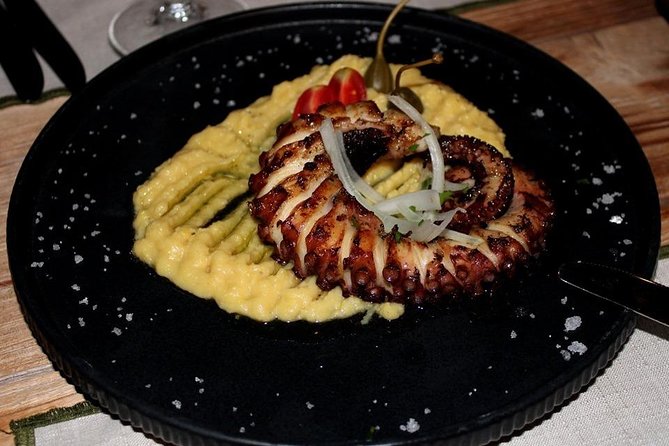
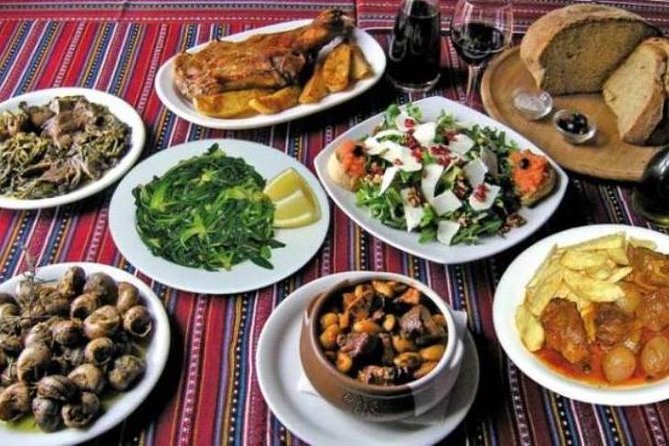
The meal you make isn’t just an ending. It’s part of the learning. You cook in stages, then sit together to eat what you’ve made, plus other dishes on the lunch table.
Wine and raki show up in the overall experience, and that shifts the atmosphere from classroom to celebration. It’s not about turning it into a party; it’s about creating a relaxed, social pace where you can actually taste what you built and talk to your guide and fellow cooks.
One more practical point: portions can be generous. Some experiences note there was so much food they couldn’t finish it all. If you’re the kind of traveler who likes to leave room for evening plans, plan on sharing or taking a little extra if that’s allowed and if you can manage a takeaway container.
The best part is the tasting feedback loop. When you eat right after cooking, you understand why the teacher had you do certain steps—salt level, texture, roasting time, and seasoning balance become obvious fast.
Guides, pacing, and group size: how to set your expectations
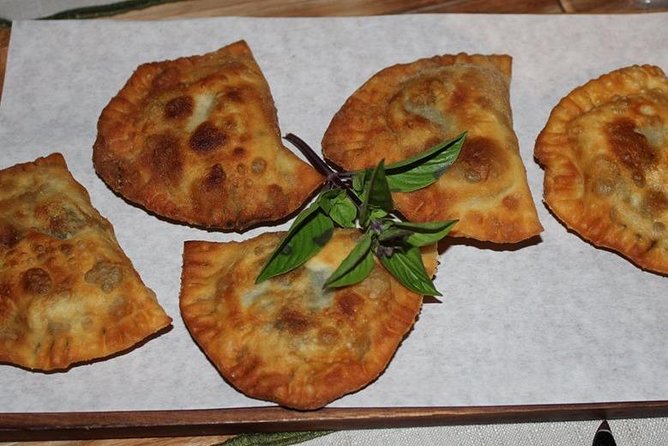
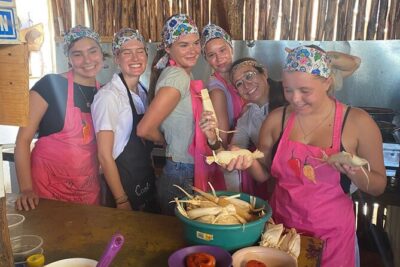
This class caps at 12 travelers, and that size shows in how comfortable the instruction feels. People repeatedly describe hosts who walk step-by-step through recipes and keep a steady pace. Names you might run into include Maria, Natasha, Aggeliki, Angela, and Angelina—each described as welcoming and helpful, with clear guidance and a friendly tone.
The pacing is generally hands-on, but there can be downtime between dishes. That can be totally fine if you treat it like a social culinary break—sip some wine, look at the surroundings, chat. If you want nonstop action the entire 3.5 hours, you might find the waiting between courses frustrating.
In other words, match the class style to your own travel personality:
- If you enjoy learning by doing and you like conversation, you’ll likely have a great time.
- If you need constant movement and hate sitting around, you may feel time drag.
Also, the setting can include outdoor or covered patio cooking. That’s great when the weather cooperates, and it’s the reason good conditions matter.
Price and value at about $81.98 per person
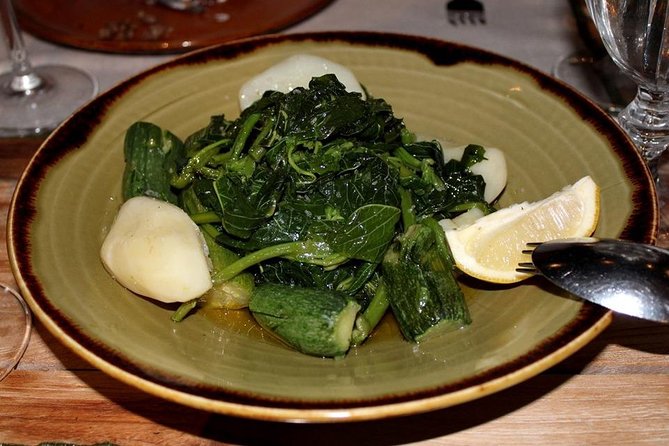
At $81.98 per person for roughly 3.5 hours, the value comes from what’s included and what you’re expected to take home—literally and skill-wise.
Here’s what supports the price:
- A small-group format (max 12) that usually means more attention.
- A grocery stop where you choose ingredients that actually flavor the meal.
- Hands-on cooking of major dishes like dakos, gemista, and tzatziki.
- A shared lunch with additional traditional dishes, plus mention of wine and raki.
- Recipes sent afterward by email, so you can recreate the results at home.
What could lower perceived value (and it’s worth saying plainly):
- Some menus may include more items than you personally cook. If you’re paying expecting to fully cook everything listed on a page, you could feel shorted.
- Downtime between dishes can make the time feel slower than expected.
- If you show up hungry but the class focuses on a smaller set of cooking tasks, you might judge the price harshly.
My practical advice: treat this as a culinary experience with a learning focus, not a cooking boot camp where you plate every dish from scratch. If you go in expecting to learn a few key recipes well and eat a complete Cretan lunch, the price tends to make sense.
Booking ahead also helps. This activity is commonly reserved about 39 days in advance on average, so if your dates are fixed, don’t wait until the last week.
Who this cooking class suits best
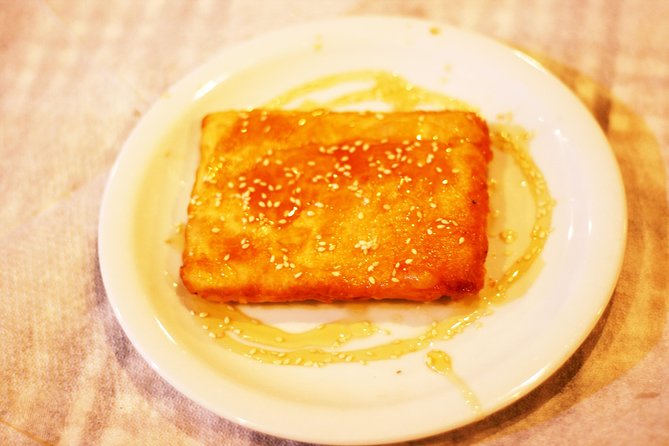
This is a strong pick if you:
- want a classic Crete food day without dealing with heavy planning
- enjoy small groups and step-by-step instruction
- like recipes you can actually repeat later, especially tzatziki
- travel with family or as a couple and want a shared activity
- care about vegetarian or even vegan-friendly options (there’s praise for vegan fit, and the class welcomes vegetarians)
It may be a less perfect fit if you:
- want to cook every menu item you see and are turned off by any hands-off parts
- hate waiting between dishes
- are chasing a high-intensity schedule with constant movement
Quick tips so you leave with the recipes, not just the photos
A few practical moves will make your class feel smoother:
- Arrive ready to taste and adjust. Ask simple questions while you’re mixing or seasoning, not only at the end.
- Take notes on the key steps. The emailed recipes are helpful, but the small “why” moments stick when you jot them down.
- Plan for leftovers. If the meal is plentiful (it often is), you’ll be glad you can pack some up.
- Confirm dietary needs clearly when booking. The class is described as accommodating for vegetarians and good for vegans, but you’ll get the best outcome with clear details.
- Wear comfortable clothes. You’ll be working in a kitchen environment, often with outdoor air depending on the day.
Should you book Cook with Locals in Archanes?
If your goal is to experience Cretan cooking the practical way—choose ingredients locally, learn core recipes like tzatziki (and friends), and then sit down to a full shared lunch—then I’d say yes, book it. The small group size and the step-by-step teaching style are the real drivers here.
The only “think twice” scenario is if you’re expecting to personally cook every dish named on a sample menu with zero downtime. If that’s you, message the operator first and confirm which dishes you’ll be actively cooking versus those served as part of lunch.
FAQ
Where is the meeting point for the cooking class?
The class meets at Traditional Cooking Classes, Leof. Kapetanaki 46, Ano Archanes 701 00, Greece.
How long is the experience?
It lasts about 3 hours 30 minutes.
Is pickup available?
Pickup is offered, based on the tour details.
How big is the group?
The maximum group size is 12 travelers.
What Cretan dishes are included?
The experience highlights traditional dishes such as dakos, gemista, and tzatziki. Other items can also be part of the lunch.
Is the class vegetarian or vegan friendly?
The class is described as welcoming vegetarians, and there is specific praise for vegan friendliness.
Will I get the recipes afterward?
Yes. Recipes are mentioned as being sent to you via email.
What happens if the weather is poor?
The experience requires good weather. If it’s canceled due to poor weather, you’ll be offered a different date or a full refund.
Is it a mobile ticket?
Yes, the experience includes a mobile ticket.
Can I cancel for a refund?
You can cancel up to 24 hours in advance for a full refund; within 24 hours, the amount paid is not refunded.