REVIEW · KAMPALA
Cooking Class for Typical Ugandan Food in Kampala
Book on Viator →Operated by Free Guided Walking Tours Kampala. · Bookable on Viator
Banana leaves, cassava, and a Kampala kitchen. This half-day workshop is interesting because you learn Ugandan vegetarian staples by actually peeling, processing, and cooking them with a real host at home. I like that it feels practical, not showy.
Two things I especially liked: the way Gertrude shows native plants and traditional prep methods (banana leaves came up more than once), and the fact that you finish with a sit-down meal made from what you helped prepare. The small cap of 10 also keeps it personal.
One consideration: the class requires good weather. If conditions are poor, you may need to switch dates or get a refund, so don’t lock in a tight schedule right after.
In This Review
- Key highlights worth your time
- Kampala home-style cooking with Gertrude: small-group, real food
- Getting to Steve Residence in Nansana and settling into the 4-hour rhythm
- Peeling and processing cassava, yams, pumpkin, and plantains
- Matooke and vegetarian Ugandan staples: learn the steps, not just the dish
- Cooking together and the view factor: where the class turns into a break
- The meal: G-nut sauce and the payoff of cooking for yourself
- Price and value: $32 for hands-on cooking and a full sit-down meal
- Weather and comfort notes that can affect your day
- Who should book this Kampala cooking class?
- Should you book? My take
- FAQ
- How long is the Ugandan cooking class in Kampala?
- How much does it cost?
- Is the class vegetarian?
- How many people are in the group?
- Where does the class meet?
- Will I need to bring anything or confirm at booking?
- What kind of dishes will I learn?
- What if the weather is bad?
- Where is the location in relation to transport?
Key highlights worth your time
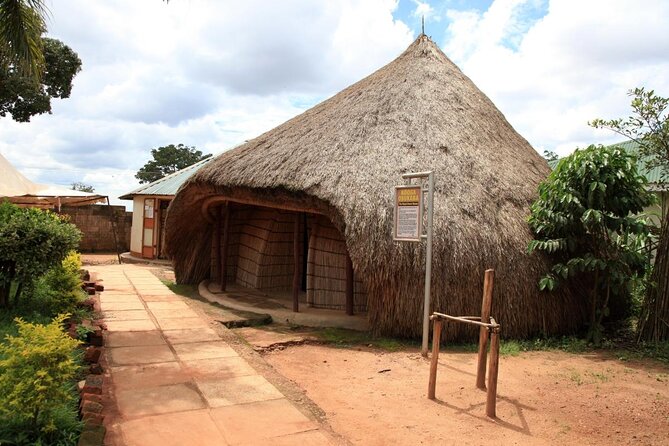
- Small-group cap of 10 so questions don’t get swallowed
- Vegetarian, plant-based Ugandan cooking from start to finish
- Hands-on prep with local produce like cassava, yams, pumpkin, and plantains
- Banana leaves method and traditional ways of using local ingredients
- Matooke-focused learning plus sauces you’ll want to recreate
- A home-host vibe with stories, chatting, and even dancing in the mix
Kampala home-style cooking with Gertrude: small-group, real food
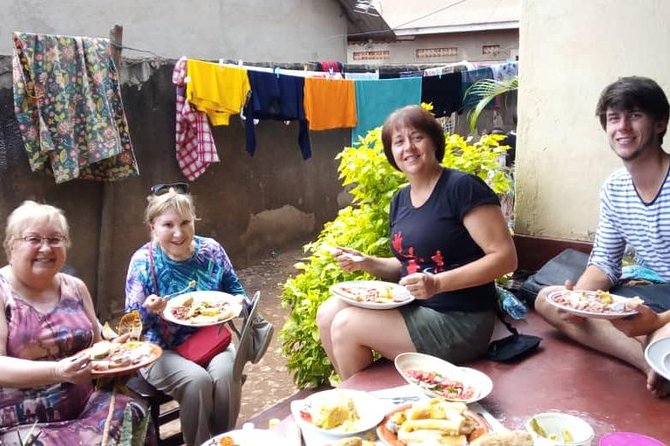
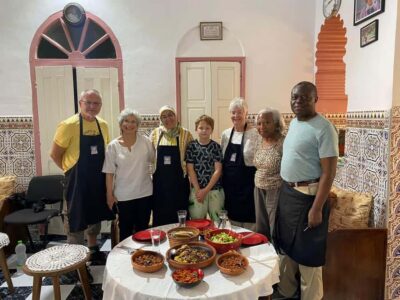
This is not a studio class with neat rows of cookware. It’s a half-day, small-group workshop in Kampala that centers on typical Ugandan food made the vegetarian way. You’ll work alongside the host, Gertrude, and her son, and the tone is friendly and welcoming.
The “small group” part matters more than it sounds. With a maximum of 10 participants, you’re more likely to get hands-on attention while you’re learning how to peel and process ingredients. That turns the class from a simple meal into a skill you can bring home.
You’re also learning through food culture, not just recipes. In the best moments, you’ll pick up how everyday plants are used, and how something as simple as banana leaves can play a role in preparation and serving. That kind of detail is exactly what makes this feel authentic.
Getting to Steve Residence in Nansana and settling into the 4-hour rhythm
The meeting point is Steve Residence, Little Muheji School Rd, Nansana, Uganda, and the activity ends back at the same place. It’s noted as near public transportation, which helps if you don’t want to rely entirely on private rides.
The total time is about 4 hours, and that’s a workable length. You’re not rushing through a checklist, but you also won’t spend the whole day. In a class like this, 4 hours is the sweet spot: enough time to get your hands dirty, learn the steps, cook, then relax and eat.
Inside that window, expect a typical flow:
- you arrive and meet the host
- you help with prep (peeling and slicing)
- you cook the meal together
- you sit down and eat what you made
- you wrap up, head back to the meeting point
Even if the exact timing shifts a bit, the structure stays the same because the goal is to get you through prep to plate.
Peeling and processing cassava, yams, pumpkin, and plantains
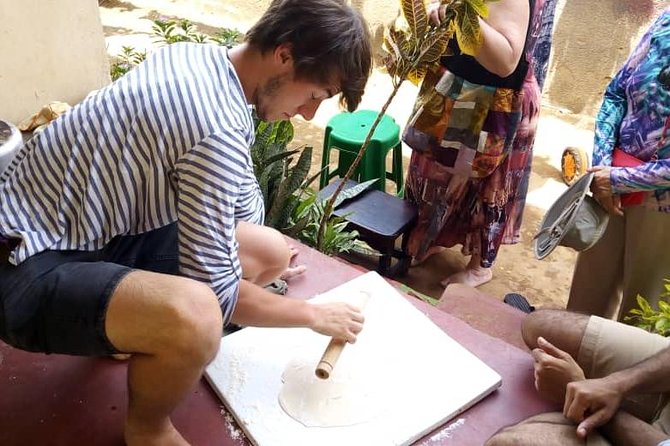
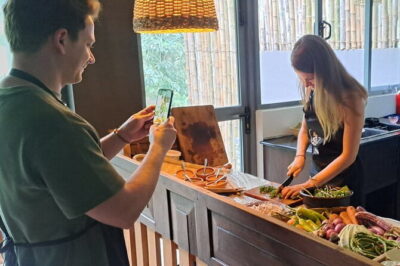
This workshop is hands-on from the start. You peel and slice local produce like cassava, yams, pumpkin, and plantains, and you learn the “why” behind the motions. That matters because in many home kitchens, the technique is what makes food turn out right.
Here’s what you should pay attention to while you’re prepping:
- Texture and cut size: Small differences in how you slice can affect cooking time and texture.
- How ingredients are handled: The class focuses on traditional processing, not just modern shortcuts.
- Patience in prep: Some of these staples take time to work with properly. The learning is part of the experience.
You’ll also get a chance to see local ingredients treated as everyday tools, not exotic novelties. One of the most praised parts of the class is that you learn about the native plants used in everyday life—and how they’re prepared traditionally. That helps you understand what you’re eating, even after you’re back in your own kitchen.
Matooke and vegetarian Ugandan staples: learn the steps, not just the dish
A big focus here is on typical Ugandan dishes made vegetarian, including matooke. Matooke is a staple you’ll see again and again in Uganda, and learning it in a class like this is a smart way to connect with Ugandan food culture beyond one bite.
You’ll assemble vegetarian dishes as you go, which helps the cooking make sense. Instead of watching someone else do everything, you get to:
- peel ingredients,
- help process them,
- and join in the cooking steps.
That’s why this class has a strong “take it home” value. You’re not only tasting Uganda; you’re learning the method so you can recreate it later. It’s also a good way to learn which flavors work together—especially when the menu is plant-based rather than meat-driven.
One more cultural detail worth noting: banana leaves came up repeatedly in the feedback, including how they’re used in a traditional way. If you’ve never cooked with banana leaves before, you’ll probably learn quickly that they’re more than decoration. In many cuisines, leaf-wrapping and leaf-lined serving can shape aroma and presentation. Here, you’ll see how it fits into Ugandan everyday cooking.
Cooking together and the view factor: where the class turns into a break
The class takes place at the host’s home, and that changes the vibe. People praised the experience as authentic, friendly, and welcoming—so you’re not stuck in a formal classroom mood.
One review noted a great view from their place and mentioned it as a photo spot while food is cooking. That kind of small detail matters on a travel day. When you’re waiting for the next cooking step, you’re not just sitting around—you’re in a real home setting with time to chat and enjoy the surroundings.
Also, don’t underestimate the social side. The stories and the chance to dance were mentioned in feedback, which tells you this isn’t a stiff, sit-in-silence class. You’ll likely talk about Kampala life and get a few local context notes while you’re working.
The meal: G-nut sauce and the payoff of cooking for yourself
The best part of any cooking class is eating what you made. Here, you’ll sit down and enjoy the fruits of your labor—vegetarian food based on typical Ugandan recipes.
One dish name showed up strongly in the feedback: G-nut sauce. People called it the best, which usually means it’s a signature flavor you’ll remember. Groundnut (peanut) sauces are common across East Africa, and in this class the sauce is a highlight, so it’s a good idea to focus on the steps and seasoning when you have the chance.
Another thing to expect: the meal is a natural finish to the prep work. You’ll understand what you did while you cook, so eating feels earned rather than just “included.” The class is designed so you relax at the table after working.
If you’re visiting Kampala with limited time, this ending matters. You get both the skill-building part and a satisfying meal without having to plan a separate restaurant stop.
Price and value: $32 for hands-on cooking and a full sit-down meal
At $32 per person, this class is positioned as an affordable way to get a real taste of Ugandan cooking without needing to commit to an all-day food tour. What makes the price feel fair is the mix of:
- a half-day format (about 4 hours),
- small-group instruction with a max of 10,
- hands-on prep (peeling, slicing, assembling),
- and a sit-down vegetarian meal.
In other words, you’re paying for more than the food. You’re paying for learning the steps in a home setting from a host who clearly cares about teaching.
Is it “cheap”? No, you’re still paying for instruction and hospitality. But for Kampala, $32 can be good value when it includes cooking guidance, a full meal, and a friendly cultural exchange. If you’re the kind of traveler who cooks at home, this is the sort of experience that can pay off later when you recreate something like matooke or a groundnut sauce.
Weather and comfort notes that can affect your day
This experience requires good weather. That’s important because home-kitchen cooking often works smoothly, but travel days can still be disrupted by heavy rain and unsafe walking conditions. If you plan other activities immediately around the class time, keep some buffer.
Also, because the class begins and ends at the meeting point, you’ll want to plan transportation to Steve Residence and then stay in that area during the 4-hour window. If you’re hopping across Kampala all day, this is still manageable—it just helps to have a simple half-day plan.
Comfort-wise, bring a mindset for hands-on work. You’ll be peeling and slicing produce, and kitchens can be warm and active. Wear clothes you won’t mind getting a little food on, and consider bringing a small towel if you tend to get messy.
Who should book this Kampala cooking class?
This workshop suits you if you:
- want hands-on learning instead of watching from the sidelines
- are interested in Ugandan vegetarian food and want to recreate dishes later
- like cultural exchange with a real host (Gertrude) and her family
- prefer smaller groups where you can ask questions while cooking
It’s also a strong option if you’re on a short trip. Four hours gives you meaningful experience without draining the entire day.
If you’re someone who only eats meat, remember the menu is described as purely vegetarian. That may not fit your tastes. Also, if you hate cooking tasks like peeling and chopping, this may feel like more work than you want. But if you’re curious and willing to participate, that’s where the class shines.
Should you book? My take
Book it if you want an authentic Kampala experience that teaches you real cooking steps, especially around matooke and vegetarian staples. The host hospitality from Gertrude and the hands-on prep are the reasons this class earns such consistent praise. Add in the highlight flavors like G-nut sauce, and you get a meal plus skills.
Skip it only if you strongly dislike cooking prep tasks or if vegetarian-only food won’t work for you. Otherwise, this is exactly the kind of practical cultural experience that turns a half-day into a lasting memory—and something you can bring into your own kitchen.
FAQ
How long is the Ugandan cooking class in Kampala?
The class runs for about 4 hours (approx.).
How much does it cost?
It costs $32.00 per person.
Is the class vegetarian?
Yes. The workshop is described as purely vegetarian, with plant-based recipes.
How many people are in the group?
The workshop has a maximum of 10 participants.
Where does the class meet?
The start point is Steve Residence, Little Muheji School Rd, Nansana, Uganda, and the activity ends back at the meeting point.
Will I need to bring anything or confirm at booking?
Confirmation is received at the time of booking.
What kind of dishes will I learn?
You’ll learn to prepare typical Ugandan dishes, including vegetarian staple dishes such as matooke, and you’ll work with ingredients like cassava, yams, pumpkin, and plantains.
What if the weather is bad?
The experience requires good weather. If it’s canceled due to poor weather, you’ll be offered a different date or a full refund.
Where is the location in relation to transport?
It’s noted as being near public transportation.